REVIEW · CHARLESTON
Boone Hall Plantation All-Access Admission Ticket
Book on Viator →Operated by Boone Hall Plantation · Bookable on Viator
Boone Hall is beautiful, and it’s honest. This all-access ticket gets you across the working plantation—Avenue of Oaks views included—plus guided indoor time and interpretive stops that don’t skip the hard parts.
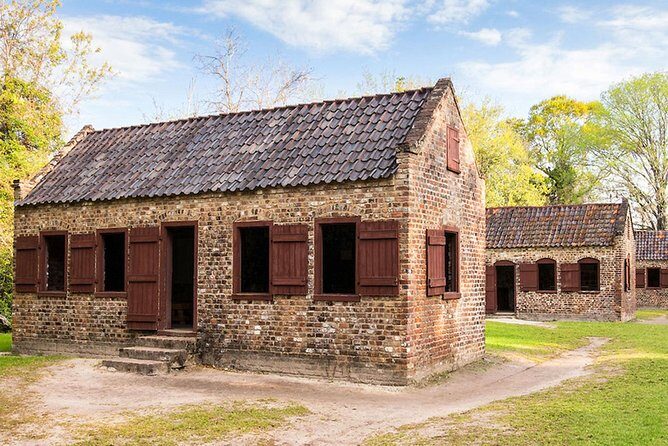
I especially love the Gullah culture live presentation and the Black History in America exhibit in the cabins where enslaved people lived. It’s the kind of visit where the details feel specific, not just decorative.
One consideration: the main house tour is limited, and multiple visitors note the mansion you’ll see is from the 1930s (not the original Boone-era home), so manage expectations if you came for a full, period-accurate mansion experience.
In This Review
- Key things to know before you go
- What You’re Paying For: All-Access Value at Boone Hall
- Arrival and First Impressions: Avenue of Oaks and the Working Farm Feel
- The First-Floor Plantation Home Tour: Short, Guided, and Worth Knowing the Date
- Black History in America Exhibit: Where the Story Changes When You’re in the Cabins
- Gullah Culture Live Presentation and the History Talks That Pull It Together
- Tractor Tour, Gardens, and Wildlife Viewing: The Parts That Make the Day Feel Like a Trip
- Gin House Museum and Stable Tour: Extra Stops That Add Depth (and Time)
- Price, Ticket Timing, and How to Avoid Getting Overcharged
- Who This Visit Fits Best (and Who Might Want a Different Plan)
- Should You Book Boone Hall All-Access Admission?
- FAQ
- How long does the Boone Hall all-access admission visit take?
- How much is the ticket?
- What’s included with all-access admission?
- Is the tractor tour guaranteed?
- What parts of the plantation home are toured?
- Are tickets valid for special events?
- Are mobile tickets accepted?
- What are the opening hours?
- Is there a refund if plans change?
- Are service animals allowed?
Key things to know before you go
- Gullah culture is a live presentation built into the ticket, not a quick add-on.
- Black History in America is shown in the original enslaved-cabins area, which changes how you experience the story.
- Tractor tour across the property is included, weather permitting, so plan flexibility.
- Garden tour focuses on color and pairs well with slower walking time on the grounds.
- Gin House Museum (300 years of history) adds depth beyond the main house.
- Stable tour is included, but it may run on its own schedule while other parts keep moving.
What You’re Paying For: All-Access Value at Boone Hall

At $36.50 per person for all-access admission, you’re not just buying entry to a single house. You’re buying a timed mix: guided indoor rooms, outdoor interpretive stops, exhibits in the enslaved-cabins area, plus structured presentations like the history talk and the live Gullah session.
That matters because plantations can turn into “pretty photos” if you don’t have a plan. This ticket keeps you moving through the whole estate—down the famous Avenue of Oaks, past gardens, and into places tied to daily labor—so you leave with a fuller picture of how the property functioned.
The visit length is listed as about 2 to 4 hours, but if you like to linger (and you will, especially in the cabins exhibit area), I’d budget closer to 4 hours. It’s the difference between ticking boxes and actually absorbing what you’re seeing.
If you're still narrowing it down, here are other tours in Charleston we've reviewed

Arrival and First Impressions: Avenue of Oaks and the Working Farm Feel

Boone Hall sits outside Charleston, and most people come for the drive-in experience: that long, tree-lined approach that looks like something from a movie set. It’s also more than a scenic photo moment. Starting on the Avenue of Oaks quickly sets the tone—this is a place people built and worked, not just a showpiece.
Practical win: free parking is included, and the grounds are large enough that having a tractor tour and guided components helps you cover more without feeling rushed. The ticket is also designed for easy entry with a mobile ticket in English, so you’re not hunting for paperwork.
The big “working plantation” vibe is real here. You’re not only stepping back in time—you’re seeing a property that continues to operate, which is part of why the interpretive stops feel grounded. You’ll find yourself switching between the beauty of the grounds and the weight of what happened there.
The First-Floor Plantation Home Tour: Short, Guided, and Worth Knowing the Date
This ticket includes a guided tour of the first floor of the plantation home. The goal is not a long wander through every room—it’s a structured visit, guided, with enough time to orient you to how the house was used.
Here’s the key expectation setter: several visitors note the house you tour dates to the 1930s (with mentions around 1934 or 1935), and the tour covers only a handful of rooms. Reviews describe it as rooms like the drawing room, dining room, entrance, breezeway, and game room on the first floor.
So if what you want is a full, period-accurate, original Boone-era mansion tour, this may feel shorter than you hoped. But don’t skip it automatically. Even with a limited first-floor tour, it helps you understand the contrast between the main house and the life happening elsewhere on the same property.
My advice: treat the home tour as orientation. Put your “deep attention” into the exhibit areas tied to enslaved life, because that’s where the ticket’s emotional and educational payoff lands.
Black History in America Exhibit: Where the Story Changes When You’re in the Cabins
The strongest reason to buy the all-access ticket is the way it integrates the Black History in America exhibit into the setting of the enslaved-cabins area. You’re not just reading history on a panel in a gift-shop hallway. You’re in the space, seeing how the exhibit is staged around cabins where enslaved people lived.
That changes the experience. It’s harder to keep history abstract when the surroundings force you to visualize daily life. The structure also helps you pace the visit: you can slow down here, take in interpretive details, and give yourself time to process what you’re learning.
This stop is also where the guided approach matters. The ticket includes history presentation and interpretive talks across the grounds, so you’re not left with only signage.
If you’re sensitive to heavy topics (and you should be—this is not a light stop), plan your day so you’re not rushing through the exhibit at the end. I like doing this sooner rather than later so the rest of the tour feels like context, not a blur.
Gullah Culture Live Presentation and the History Talks That Pull It Together
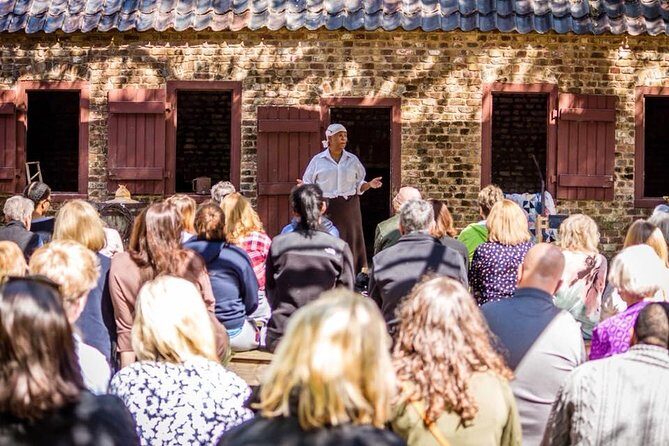
One of the most praised parts of the ticket is the live session on Gullah culture—listed as Exploring the Gullah Culture. This isn’t a generic “facts” lecture. It’s presented as a living cultural lens, and it’s paired with the broader history talk so you understand how culture traveled, changed, and survived through generations.
Even if you’ve heard the phrase Gullah before, you’ll likely come away with a more grounded sense of what it means and why it matters to the region’s story. The ticket’s design is smart here: it doesn’t treat culture like an add-on souvenir. It gives it a scheduled place in your visit.
You’ll also find “vignette” style interpretive talks offered at different locations. That format works on a large property because it keeps information attached to what you’re standing next to—plants, paths, buildings, and the working elements of the grounds.






Tractor Tour, Gardens, and Wildlife Viewing: The Parts That Make the Day Feel Like a Trip
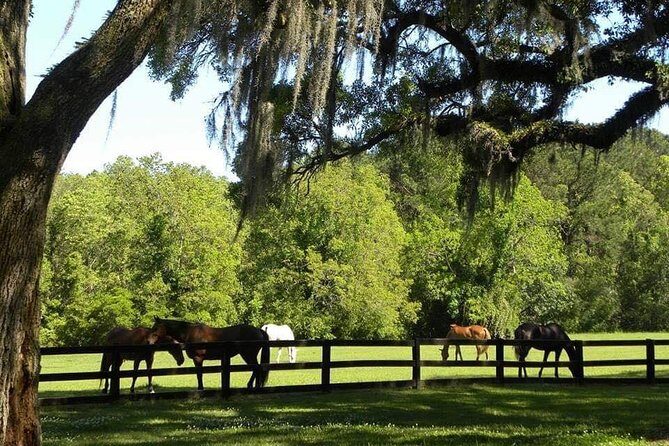
This ticket includes a tractor tour across the entire property (weather permitting). That’s a big deal for a few reasons:
- The grounds are spread out.
- You get a moving overview that helps you place the static exhibits later.
- It adds time without making you feel trapped in a bus.
Weather is the limiting factor. The tractor portion may not run if conditions aren’t right, and the overall experience is described as needing good weather. If your trip window is tight, it’s worth aiming for a day when the forecast looks steady.
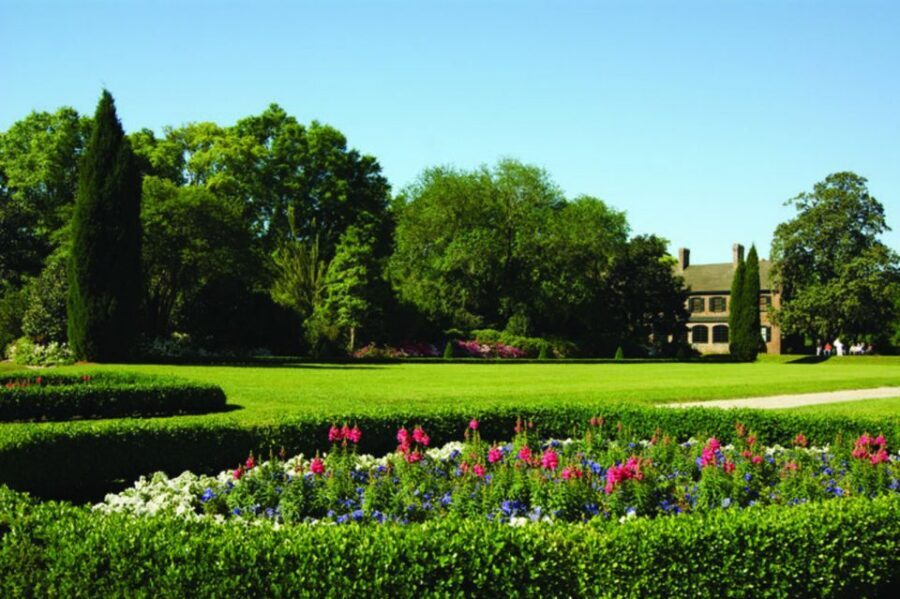
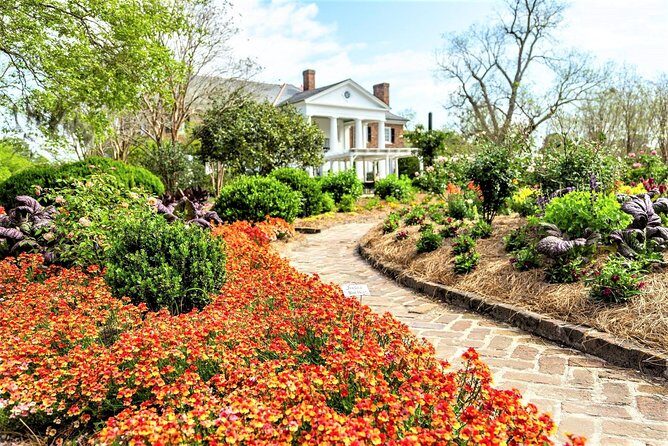
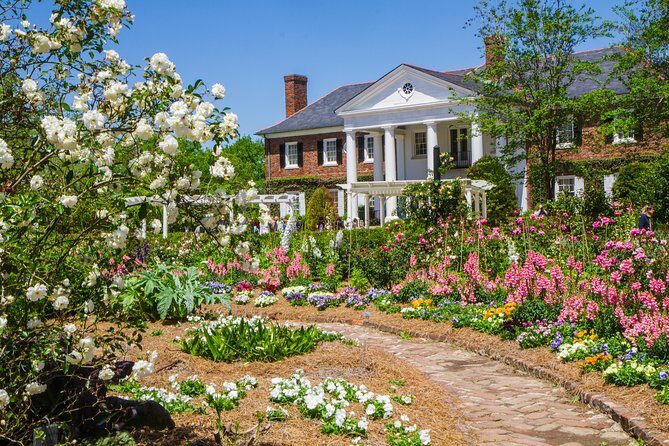
Then there’s the Garden Tour – Showcase of Color, plus time for beauty and wildlife viewing around the grounds. This is your decompression zone. You’ll get a calmer pace after heavier cabin-area content, which is important for a visit like this. Think of it as emotional breathing room—not an escape from the story, but a way to reset.
Gin House Museum and Stable Tour: Extra Stops That Add Depth (and Time)

Two “bonus” items make this ticket more than just the house and cabins.
First: the Gin House Museum, described as spanning 300 years of history. Even without a full-on museum crawl feel, it expands the story beyond architecture and into what the property produced and how systems worked.
Second: the stable tour, listed as NEW and included with admission. A couple of practical notes from visit experience: stables may operate on their own schedule, and some people say the stables weren’t open at the time they arrived. If stables are a “must” for you, give yourself enough time in the middle of the day—not only the earliest possible slot.
If you want to cover everything comfortably, you’ll likely want a full 2–4 hour window and not a tight “in-and-out” plan. Boone Hall rewards a slower day.
Price, Ticket Timing, and How to Avoid Getting Overcharged

The all-access ticket price is $36.50 per person, and the experience is often booked about 12 days in advance on average. If you’re traveling in peak season or on a weekend, I’d secure your date ahead of time.
The other value point is transparency of what’s included. This isn’t a ticket that says, “See the grounds” and then charges for key interpretive parts. It bundles the guided first-floor home tour, cabin-area exhibit access, Gullah live presentation, tractor tour (weather permitting), garden tour, and the gin house museum.
One more practical tip: if you’re booking through a third-party site, compare the price with what’s offered directly at Boone Hall or at the gate. One person noted that third-party ticket pricing for seniors was higher than pricing at the venue. You don’t need a spreadsheet—just check before you click buy.
Who This Visit Fits Best (and Who Might Want a Different Plan)
This ticket is ideal if you want:
- A structured plantation visit, not a self-paced drift.
- The Gullah culture presentation as a scheduled highlight.
- Cabin-area context tied to enslaved life, with exhibits presented in those spaces.
- A mix of guided indoor content and outdoor exploration across a working property.
You might want to rethink timing or expectations if:
- You’re mainly chasing a long, full-room plantation mansion tour. The home portion is guided, limited, and multiple visitors note the house is from the 1930s.
- You’re very time-crunched. You can finish in about four hours, but the ticket’s value comes from doing multiple parts, not skimming.
If you’re traveling with kids or teens, it can work well when you’re honest with them about what they’re seeing. Plan for pauses, and don’t treat it like a “light history stop.”
Should You Book Boone Hall All-Access Admission?
I think you should book this ticket if you want a day that’s both educational and tightly organized, with the Gullah live presentation and the Black History in America exhibit as central—not optional. The price feels fair for how much you get: guided rooms, exhibit access in meaningful spaces, and multiple property experiences like the tractor ride (weather permitting), garden tour, gin house museum, and stable tour.
If you only care about the main house, you might feel underwhelmed by the limited room tour and the fact that the mansion you’ll see is not original to the 1600s. In that case, consider whether another approach in Charleston fits you better.
For most visitors, though, this is a strong “do it once, do it right” plantation visit—beautiful in the way it’s framed, and serious in the way it tells the story.
FAQ
How long does the Boone Hall all-access admission visit take?
It’s listed as about 2 to 4 hours.
How much is the ticket?
The price provided is $36.50 per person.
What’s included with all-access admission?
Included access covers the guided first-floor home tour, the Black History in America exhibit, a live history presentation and Exploring the Gullah Culture presentation, tractor tour (weather permitting), garden tour, and access to the gin house museum and stable tour, plus free parking.
Is the tractor tour guaranteed?
No. The tractor tour is included weather permitting, and the experience requires good weather.
What parts of the plantation home are toured?
The ticket includes a guided tour of the first floor of the plantation home.
Are tickets valid for special events?
No. Admission tickets cannot be used for special events hosted on site.
Are mobile tickets accepted?
Yes. The admission includes a mobile ticket.
What are the opening hours?
The provided hours are Monday to Saturday, 9:00 AM to 5:00 PM during the listed date range.
Is there a refund if plans change?
Free cancellation is listed. You can cancel up to 24 hours in advance for a full refund.
Are service animals allowed?
Yes, service animals are allowed.