REVIEW · CHARLESTON
Charleston Horse-Drawn Carriage Tour: Explore Historic Charleston
Book on Viator →Operated by Palmetto Carriage Works · Bookable on Viator
A horse pulls you through Charleston in an hour. This $49.95 ride from the Big Red Barn pairs covered carriages and easy photo angles with a certified guide telling the city’s major turning points, from pirate-era raids to Reconstruction—and it can include stops near St. Philip’s Church and the U.S. Custom House. My only real caution: the city route lottery means certain landmarks are not guaranteed.
What I like most is how simple the setup feels. You meet at the Palmetto Carriage Works barn, get a quick orientation, then you’re assigned a route through roughly 30 blocks of the historic district. You’ll also hear guide styles that range from funny to seriously detailed—names that show up often in guide mentions include Jim, Brianna, Luke, Jason Looney, and Jenny.
In This Review
- Key Things To Know Before You Ride (Historic Charleston carriage style)
- Why the Big Red Barn Makes This Tour an Easy Win
- A One-Hour Carriage Ride That Keeps Charleston Manageable
- How the City-Mandated Route Lottery Actually Affects Your Day
- Stop-by-Stop: What You See and What It Means
- Palmetto Carriage Works (Big Red Barn): your launchpad
- Through the City Market gate: streets first, explanations second
- St. Philip’s Church: the landmark that grounds the story
- The U.S. Custom House: when architecture shows politics
- Certified Guides and the Story Style You’ll Probably Want
- Horses, Photo Angles, and Comfort Tips That Actually Matter
- What to wear
- Who This Tour Fits Best (And Who Might Want Something Else)
- Price and Value: Is $49.95 Reasonable for This One Hour?
- Practical Tips for Getting the Best Possible Experience
- Should You Book This Charleston Horse-Drawn Tour?
- FAQ
- Where does the horse-drawn carriage tour depart from?
- How long is the carriage tour?
- Is the tour narrated?
- What sights will I see?
- What happens if the weather is bad?
- Can I bring a stroller or service animal?
Key Things To Know Before You Ride (Historic Charleston carriage style)
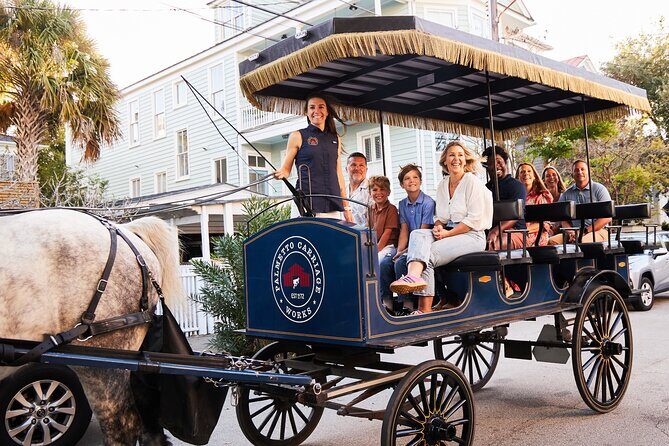
- Big Red Barn starts the show: Meet at 8 Guignard St, close to the City Market, then roll out on your assigned loop.
- Certified guides with city-recognition: Narration is led by Palmetto Guild of Certified Tour Guides with testing and recertification.
- About 1 hour, about 30 blocks: It’s built for getting oriented fast without turning your day into a bus tour.
- Photos are built in: Open-sided carriage views make it easier to frame churches, gardens, and mansions.
- City lottery affects landmarks: Routes depend on city-mandated rules, so you’re choosing a style of tour, not a fixed checklist.
- Weather-flexible but you still feel it: Carriages are covered, and you’ll go in rain unless conditions are dangerous.
Why the Big Red Barn Makes This Tour an Easy Win
The Palmetto Carriage Works setup is right where it should be: downtown, near the City Market. That matters because Charleston sightseeing can get spread out. Starting by the market means you can pair this with lunch, a short walk, or a museum visit after the ride without crisscrossing the city.
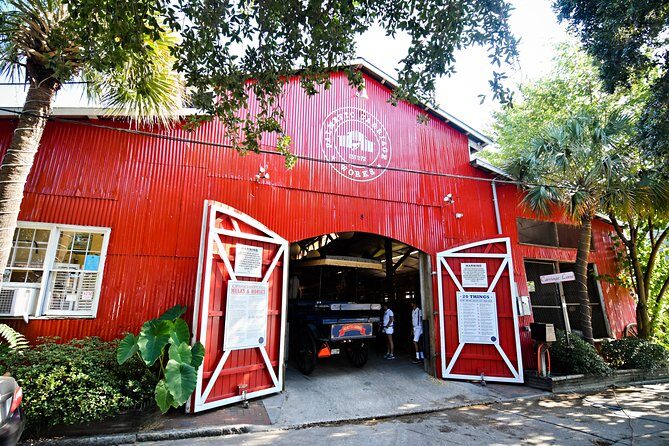
The barn itself is also part of the experience. You meet your guide at the Big Red Barn—often described as the anchor point of the operation—and you get a brief orientation before boarding. It’s not a rushed cattle-call. It’s a calm start that helps especially if you’re traveling with kids, older relatives, or anyone who just wants an orderly plan.
Other historical tours in Charleston
A One-Hour Carriage Ride That Keeps Charleston Manageable
A lot of Charleston can feel like you’re chasing neighborhoods. This tour is different because it’s timed. Plan for about an hour on the carriage, plus the short meet-and-settle piece before you depart.
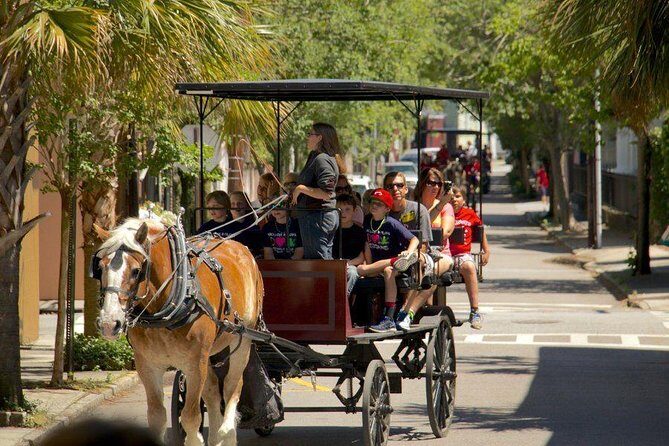
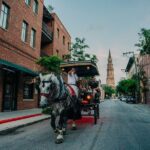
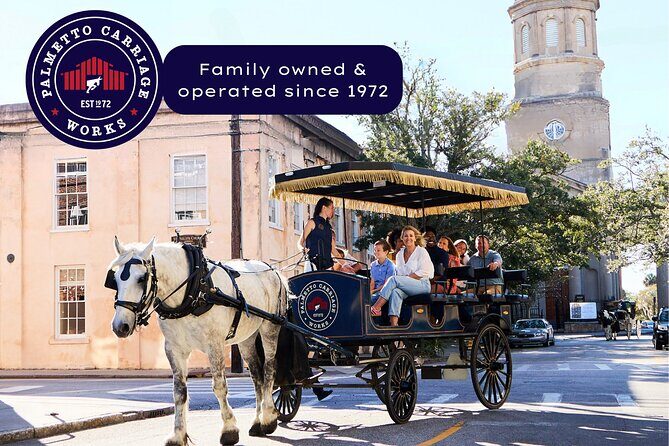
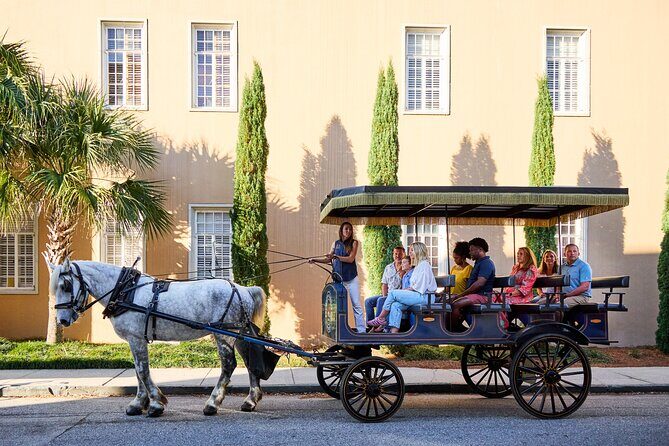
During the ride, you’re covering about 30 blocks in the historic district. That’s enough to see big-picture patterns—churches, courtyards, palmetto-lined streets, and the famous antebellum architecture—without draining your legs. The carriages are covered, so you get shade and some protection from rain, which helps you keep your day moving even when weather does its usual Charleston thing.
Group size is capped at 16 travelers per large carriage (not counting the driver who stands at the front). That’s small enough to feel personal, but big enough that you’re unlikely to be stranded waiting forever.
How the City-Mandated Route Lottery Actually Affects Your Day
Here’s the honest part: the tour routes are determined by the city’s lottery system. That means landmarks are not guaranteed.
What you can count on is the type of ride: a loop through the historic district with a mix of architecture, churches, gardens, and shaded streets. Your guide assigns a unique route when you pass through the City Market gate, and you’ll see around 30 blocks based on that assigned path.
So if you have one dream photo—like a specific church view—you should treat this as a high-probability tour, not a guaranteed shot. You’re choosing a narrated carriage overview and a strong chance at iconic sights, with flexibility built in.
Stop-by-Stop: What You See and What It Means
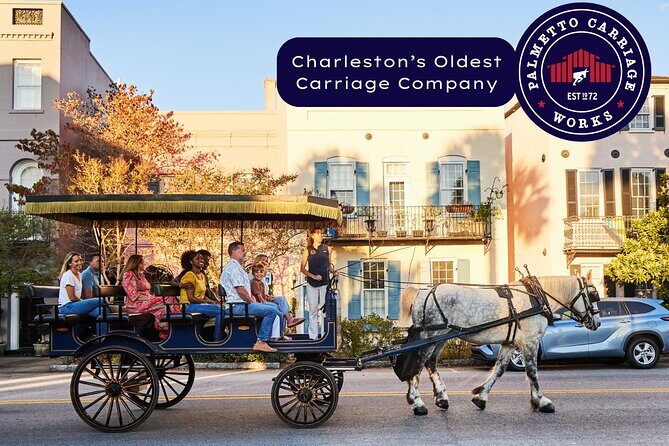
Palmetto Carriage Works (Big Red Barn): your launchpad
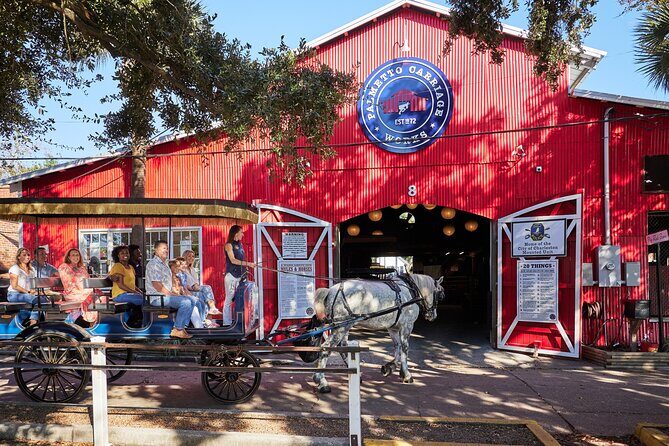
You start at Palmetto Carriage Works, also known as the Big Red Barn, at 8 Guignard St. Expect a short orientation—about 15 minutes—then you’ll board your carriage and meet your driver-guide.
This first phase is underrated. Getting settled at the barn reduces stress. You’re not trying to find a curb stop in a crowd. It also gives you time to get oriented to the tour rhythm, which helps if you’re traveling with children or anyone who gets impatient in long lines.
If you're still narrowing it down, here are other tours in Charleston we've reviewed
Through the City Market gate: streets first, explanations second
Once you’re rolling, your guide leads the route and assigns the loop. You’ll pass by the City Market gate, then move into the historic district.
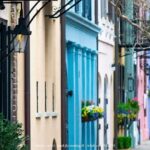
This section is where the carriage format shines. Walking around Charleston is great, but you miss how everything sits next to everything else. On the carriage, the slower pace lets you actually notice details—garden walls, porch lines, and the way palmetto trees shape the look of the street.
St. Philip’s Church: the landmark that grounds the story
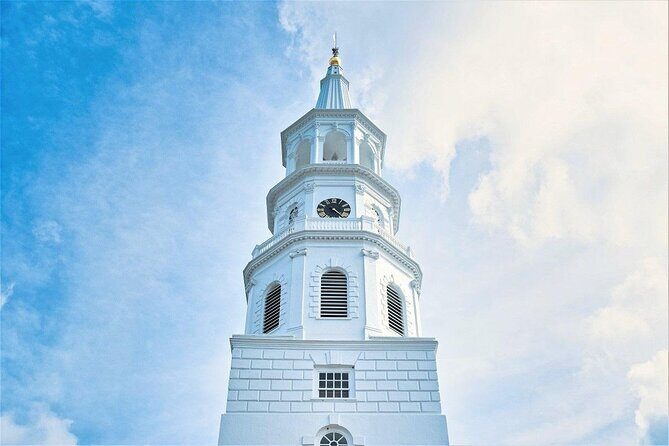
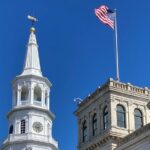
Your route may include a pass by St. Philip’s Church, noted for being the oldest congregation in the U.S. south of Virginia. Even if you don’t step inside, the exterior view plus the guide’s narration tends to make it feel less like a stop on a map and more like a marker in time.
If you’re the type who likes hearing how a landmark connects to the city’s turning points, this is the kind of sight that helps you understand Charleston beyond postcards.
The U.S. Custom House: when architecture shows politics
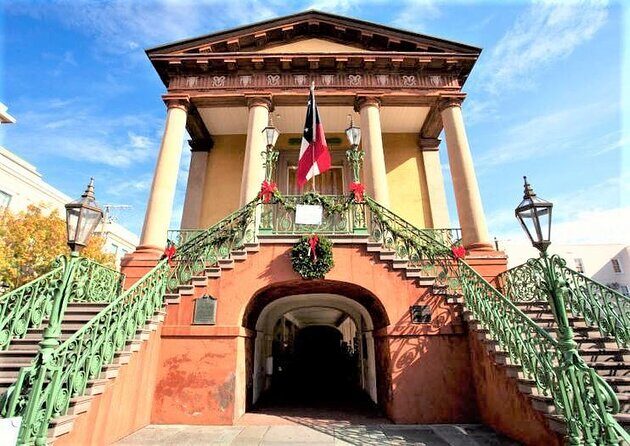
Another named highlight on many routes is the U.S. Custom House. Construction began in 1852, then paused due to South Carolina’s potential secession, before finally finishing in 1879.
That timeline is exactly why a narrated ride is worth it. The building looks like architecture—columns, scale, craftsmanship—but the story adds stakes. It helps you connect national events to what you’re seeing in front of you.
Certified Guides and the Story Style You’ll Probably Want
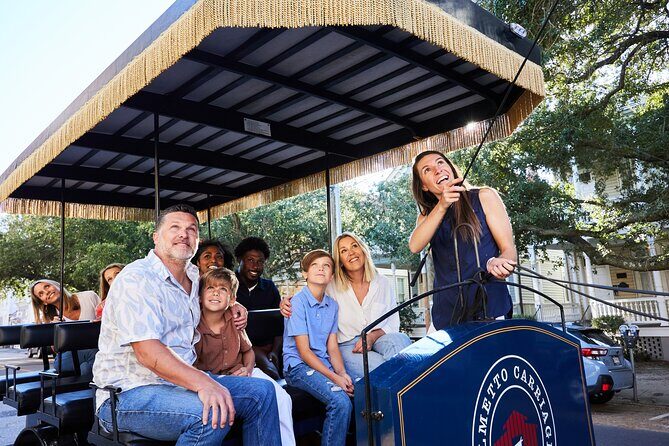
This tour is narrated, and guides are required to meet city-recognized standards. Palmetto Guild of Certified Tour Guides go through an extensive test facilitated by the City of Charleston and attend recertification classes every three years.
In plain terms: you’re not stuck with a memorized script that sounds the same every day. The best guide moments often land in two places:
- explaining what you’re looking at right now (not just facts from a textbook)
- keeping the tone light enough that an hour doesn’t drag
Names that appear repeatedly in positive guide mentions include Jim, Brianna, Luke, Jason Looney, and Jenny. It’s also common to hear that guides mix humor with major story beats, including the Revolutionary War period, the Civil War, and Reconstruction.
Horses, Photo Angles, and Comfort Tips That Actually Matter
The horses are a huge part of the charm. In guide and horse mentions, you might hear names like Admiral, Duke, Donald, Marley, Teddy, and Howard. That doesn’t mean you’ll get the same horse, but it does point to one thing: the horses are treated as individuals in the experience.
For photos, the open-sided carriage views are a real advantage. You get angles you’d struggle to get from sidewalks—especially for street views with churches and mansions framed behind trees and porches. If you’re traveling with a camera or phone you care about, bring a lens cloth. Charleston air can be humid, and you’ll be out and moving in direct street sightlines.
What to wear
Carriages are covered, but rain still can come in on the sides if it’s coming hard. Umbrellas are not allowed, so plan for a rain jacket or poncho if rain is in the forecast. For sunny days, the cover helps, but you’ll still be outside—hat and water are smart.
If you get motion-sick easily, the slower pace typically helps. Still, choose a spot that feels stable for you when you board.
Who This Tour Fits Best (And Who Might Want Something Else)
This is a great fit if you want a high-return introduction to historic Charleston. It’s also a strong choice for:
- couples who want a relaxing, low-planning activity
- families with kids who can handle an hour seated outdoors
- people who want an easier way to see more than one neighborhood without constant walking
It can also work well for people with mobility challenges. The tour notes that boarding is almost level with the carriage, and there’s a ramp for boarding assistance. There’s a little gap to step over, but staff can assist as needed.
One thing to know if you’re traveling with small kids: you cannot bring a stroller onto the carriage itself. The good news is that you can keep strollers and wheelchairs safely at the barn while you ride.
Price and Value: Is $49.95 Reasonable for This One Hour?
At $49.95 per person, this isn’t a cheap impulse buy—but it also isn’t priced like an all-day private experience. The value comes from three things you’re getting together:
1) the carriage ride through a concentrated slice of historic Charleston
2) the narrated storytelling tied to what you’re seeing
3) a format that helps you cover roughly 30 blocks without turning your day into a workout
If you’re only in town for one day, this is often the kind of activity that pays back fast because it gives you orientation. If you have multiple days, it can still help you decide where to spend more time on foot afterward.
The trade-off is the landmark guarantee problem. Because routes are assigned by lottery, you can’t treat it like a fixed checklist. If you’re okay with that, the price-to-time ratio tends to feel fair.
Practical Tips for Getting the Best Possible Experience
- Go early if you can. Early departures are often less crowded in Charleston, and that can make your ride feel closer to a small-group experience.
- Bring a poncho for rain plans. Umbrellas are not allowed, and wet weather can still reach you through carriage sides.
- Don’t expect strollers on the carriage. Use the barn option if you need stroller storage.
- If you care about having enough room, ask about carriage sizes. Large public carriages seat up to 16 people, and there are also smaller carriages that seat 4 or 8.
Also, this is a city where people get excited about the story. If you like history told with personality, you’re in the right place. Guides like Luke, Brianna, and Jim have been praised for mixing humor with the main events that shaped Charleston.
Should You Book This Charleston Horse-Drawn Tour?
I’d book this if you want a straightforward way to see a meaningful slice of historic Charleston in about an hour—without wrestling traffic, parking, or a long walking route. The certified guide narration, the carriage format, and the chance to pass iconic stops like St. Philip’s Church and the U.S. Custom House make it a strong first-or-second activity on many trips.
I’d think twice if your priority is a strict list of guaranteed landmarks. The city’s route lottery means you’re choosing a great narrated carriage ride through the historic district, not a guaranteed set of exact viewpoints.
FAQ
Where does the horse-drawn carriage tour depart from?
All tours begin and end at the Big Red Barn at 8 Guignard Street, one block from the City Market.
How long is the carriage tour?
The horse-drawn carriage tour is approximately one hour long.
Is the tour narrated?
Yes. The tour is narrated by guides who are members of the Palmetto Guild of Certified Tour Guides, and they must complete extensive testing and recertification.
What sights will I see?
You’ll ride through Charleston’s historic district and may pass by notable landmarks such as St. Philip’s Church and the U.S. Custom House. The city’s lottery system determines the specific route, so landmarks are not guaranteed.
What happens if the weather is bad?
The tour operates in all weather conditions and goes out in rain unless weather is dangerous. If it’s raining hard, you may get wet since rain can come in on the sides; ponchos or rain jackets are recommended and umbrellas are not allowed.
Can I bring a stroller or service animal?
Service animals are allowed. Strollers cannot be accommodated on the carriage itself, but the team can keep strollers, walkers, wheelchairs, or scooters at the barn while you ride.