REVIEW · CHARLESTON
Historic Charleston Guided Sightseeing Walking Tour
Book on Viator →Operated by Walks of Charleston · Bookable on Viator
Charleston gets good fast once you have a local guide. This 2-hour walk threads together the city’s landmarks, churches, and waterfront views.
I especially like the way the tour connects each stop to what was happening around it, so the streets feel less like a set and more like a timeline. I also like the pacing: you’re moving through real neighborhoods without the walk feeling like a slog, and with a group size capped at 20, you get room to ask questions.
One thing to consider: it’s a walking tour, and you’ll want comfortable shoes and a water plan since the route has no public restrooms and water isn’t provided. Even so, if you’re looking for an efficient first look at Charleston’s big sights, this is strong value for the price.
In This Review
- Key highlights you’ll actually notice
- Starting at 80 Broad St: City Hall and the Four Corners of Law
- French Quarter Stops: Dock Street Theatre, churches, and the hard parts
- Rainbow Row in 10 Minutes: what to look at besides the color
- Battery & White Point Gardens: Fort Sumter views without the fuss
- Price and pacing: why $30 feels fair for 2 hours
- How to prepare: shoes, water, and restroom timing
- Should you book this Historic Charleston walking tour?
- FAQ
- Where does the tour start and where do I end up?
- How long is the Historic Charleston walking tour?
- How much does the tour cost?
- What’s included with the ticket?
- Is water provided during the tour?
- Are there public restrooms along the route?
- What happens if it rains?
Key highlights you’ll actually notice
- City Hall to South of Broad: you start at 80 Broad St and finish in the heart of the peninsula
- Landmark hits without rushing: Dock Street Theatre, Rainbow Row, and White Point Garden are all on the route
- Stories tied to specific places: the guide points out why buildings look the way they do and what went on nearby
- Small-group feel: maximum 20 travelers helps the experience stay focused
- Fort Sumter views: you get waterfront sightlines from White Point Gardens and the Battery area
Starting at 80 Broad St: City Hall and the Four Corners of Law
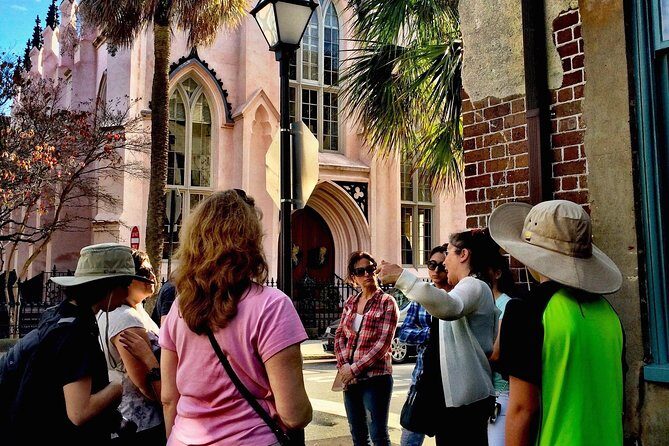
The tour starts at 80 Broad St, in front of Charleston City Hall. This isn’t just a random meeting spot. City Hall is one of the pillars of the Four Corners of Law, a cluster that also includes the Courthouse, the Post Office, and St. Michael’s Church at the intersection of Meeting St and Broad St.
Here’s what makes this beginning work: you’re dropped into Charleston’s civic core before you fan out into the French Quarter and residential streets. The guide uses this area to set context, so the rest of the tour makes more sense when you see churches, historic buildings, and old-era homes later on.
St. Michael’s Church is a notable anchor, too, since it’s linked (in tour narration) to George Washington worshipping there. If you’re the type who usually walks past churches without a second glance, this start helps you notice details instead.
Practical tip: since the tour begins promptly, give yourself a buffer. Arrive about 15 minutes early so you can find your group and not feel rushed before the stories start.
Other walking tours we've reviewed in Charleston



French Quarter Stops: Dock Street Theatre, churches, and the hard parts
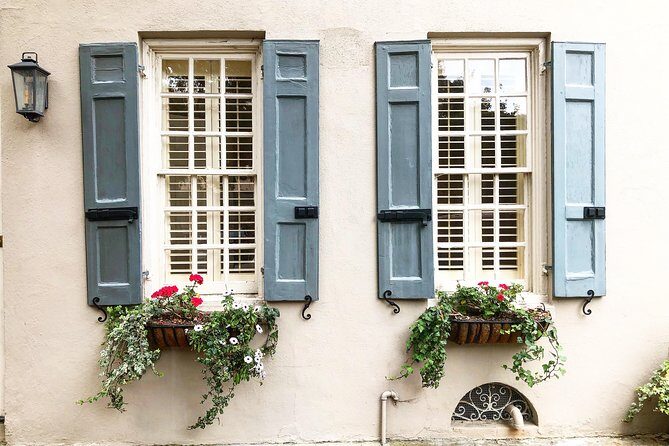
After the City Hall introduction, the route heads into the French Quarter, where you’ll see a concentration of Charleston’s landmark buildings and older institutions. Stops can vary by guide, but you can generally expect several of the major names that shape Charleston’s reputation.
The biggest draw for most people is Dock Street Theatre, often described as America’s first theatre. Even if you don’t care about theatre history, the guide’s explanation helps you understand why this kind of venue mattered to a coastal port city built on trade, wealth, and community.
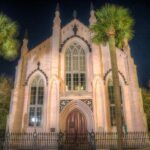
You’ll also pass or stop near St. Philip’s Church and the French Huguenot Church. These church stops are more than photo ops. The tour uses them to explain how different communities shaped Charleston’s architecture and daily life.
One of the most important stops on the tour path is the Slave Mart Museum. The walk doesn’t sugarcoat the past; it gives you a place and a name to attach to the reality of slavery in Charleston. If your idea of a “historic tour” is only pretty buildings, this part may feel like a wake-up call. If you want history that includes consequences, it’s essential.
Other stops you might see in this stretch include:
- The Powder Magazine
- The Pink House
- The French Huguenot Church
- Additional landmarks the guide chooses along the way
A pattern you’ll likely notice: guides tend to connect the location to who lived nearby, who worked nearby, and how the city functioned. That makes the French Quarter feel like an operating system, not a museum street.
Guide notes from the experience: names like Evans Byrd, Duggar, Al, and Dennis show up repeatedly in the tour’s standout moments. The praise centers on storytelling, humor, and answering questions. One guide (Duggar) is even described as a retired Citadel basketball coach, which helps explain why the energy stays lively even when the topic gets heavy.
If you care about architecture, look for time in this part of the walk to ask about design and how buildings were preserved or adjusted over time. One guide (Al) is specifically called out for talking about architecture and remediation work after storms and hurricanes.
Rainbow Row in 10 Minutes: what to look at besides the color
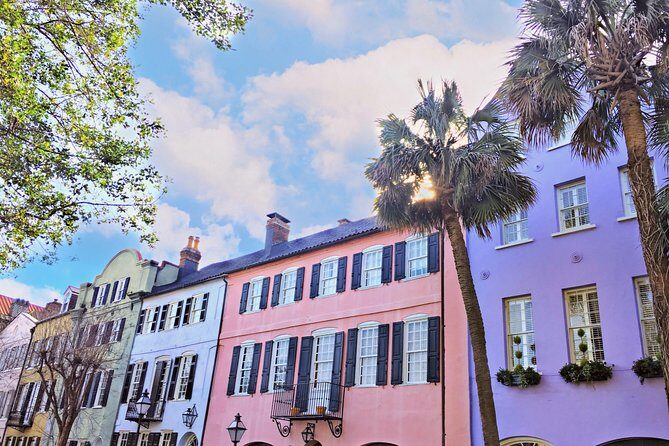
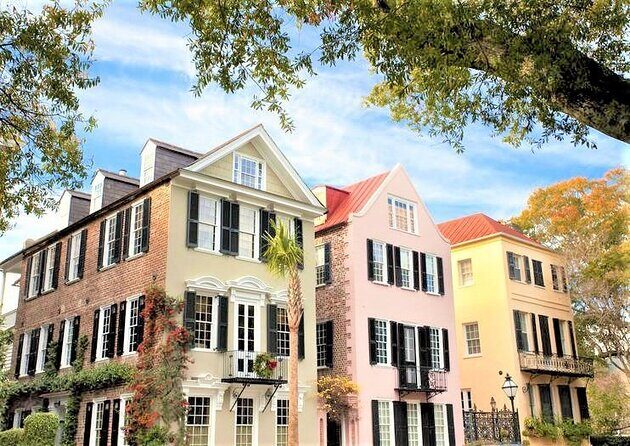
Then comes Rainbow Row, the famous row of 13 colorful waterfront houses. It’s scheduled as a shorter stop, around 10 minutes, so you won’t have time to wander the entire neighborhood. The good news is you don’t need long here. Charleston’s best photo spot is also a good lesson in how place, era, and style line up.
What you’ll do in that short window is learn the story behind why these houses are so iconic, and what to notice when you look up from the sidewalk. Instead of only thinking about paint colors, you’ll start seeing the design choices that make these buildings feel unified while still having personality.
The other benefit: Rainbow Row works as a visual reset. After the French Quarter’s dense cluster of sites and stories, it gives you open sightlines toward the waterfront.
Quick reality check: if you want more time for photos, this stop can still feel quick. If you’re the type who spends 20 minutes per stop getting every angle, plan to return on your own after the tour ends. If you prefer to learn the why and then grab a few good shots, 10 minutes is about right.
Battery & White Point Gardens: Fort Sumter views without the fuss
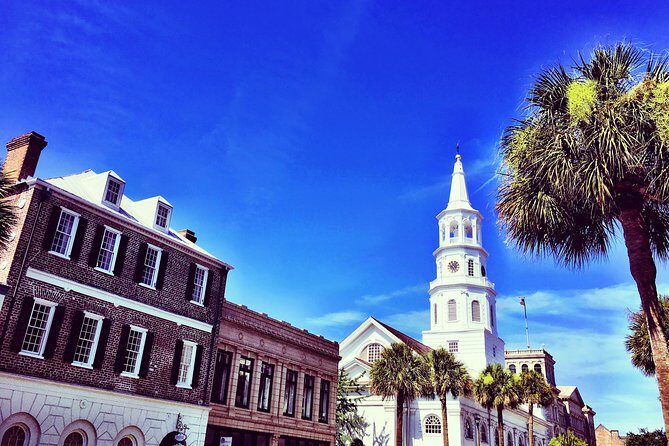
Next you shift into South of Broad, which is where the tour’s viewpoint payoff starts to kick in. You’ll spend time around the Battery and White Point Gardens, with views over the water toward Fort Sumter.
This section is valuable for two reasons. First, it helps you understand Charleston’s geography. The peninsula layout isn’t academic here; it explains why the city’s waterfront matters so much. Second, the view makes the history feel physical. Fort Sumter isn’t just a name you read about. It becomes something you’re looking at from where people once lived, traveled, and planned.
You won’t walk the entire length of the Battery, and the guide may vary the exact path. But you’ll get the key idea: the city’s relationship to the harbor and the fort is right there in front of you.
If you’re sensitive to weather, this is also the area where conditions matter. Waterfront air can feel cooler on some days and hotter on others, and the walk can take you into sun or wind. Bring a water bottle and keep an eye on the forecast.
Photo tip: stand where the guide directs you, then take one or two minutes to look beyond the camera frame. The goal is to see how the shoreline lines up with the fort view.
Price and pacing: why $30 feels fair for 2 hours
At $30 per person for about 2 hours, this tour is priced like a practical city primer. You’re paying for a licensed local guide, not just access to landmarks.
Here’s how that turns into value for you:
- You’ll see multiple major sites across different neighborhoods rather than picking one attraction and hoping it’s enough.
- The guide adds context that’s hard to piece together from a map alone.
- The pacing is described as moderate in many guide accounts. It should feel enjoyable for a wide range of visitors.
Also, with a maximum of 20 travelers, the experience doesn’t usually degrade into a long human conga line. Small-group tours are the ones where you can actually get a question answered without shouting.
The only downside is the usual one with walking tours: you’re moving between stops, so if you want to linger at every site for 20–30 minutes, this format won’t match your style. If you want a strong overview and then plan longer visits later, it’s ideal.
Other guided tours in Charleston




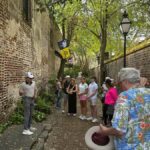
How to prepare: shoes, water, and restroom timing
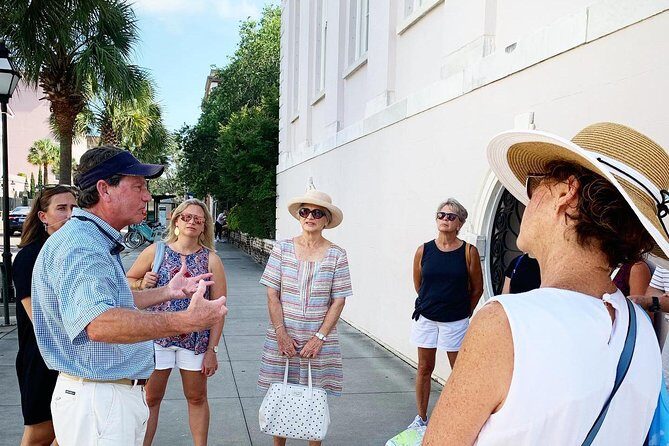
This tour runs in all weather conditions, but the operator can cancel in potentially dangerous weather. You should check conditions the day of your walk and dress accordingly.
What you need to do to make this smooth:
- Wear comfortable walking shoes. Charleston sidewalks can be uneven, and your feet will notice after an hour.
- Bring a water bottle. Water isn’t provided, and there are very few places to buy it along the route, especially in summer.
- Use the restroom before you start. There are no public restrooms along the tour route.
If you’re traveling with kids, grandparents, or anyone who needs frequent breaks, make sure you’re comfortable with a steady walking pace for the full 2 hours. Many people still find it an easy walk because the route stays on the peninsula and isn’t described as having hills, but you should still plan for time on foot.
What about language? It’s offered in English, and the guide format is built for group storytelling. If you prefer one-on-one museum pacing, you might feel constrained here. If you like explanations while you walk, you’ll be in your element.
Should you book this Historic Charleston walking tour?
I think you should book this tour if you want a first-time framework for Charleston. Starting at City Hall and then stepping through the French Quarter into South of Broad gives you a coherent story arc: civic life, cultural landmarks, the painful reality of the slave trade, and the waterfront geography that shaped everything.
Skip it or consider supplementing if you’re the kind of traveler who wants lots of quiet time at a single stop. This tour is built for coverage and context, not for long lingering.
My simple decision rule: if you want to understand what you’re looking at during your first day in Charleston, this is a great way to spend $30. If you’d rather do everything slowly on your own, plan to visit the highlights separately and use guidebooks or apps for context.
FAQ
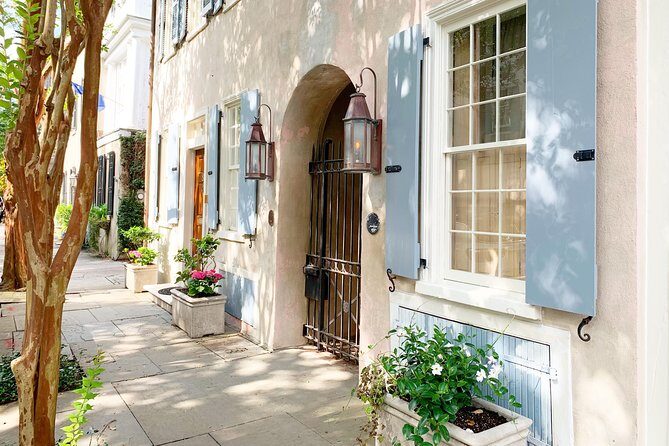
Where does the tour start and where do I end up?
The tour starts at 80 Broad St, Charleston, SC 29401 and ends in the South of Broad, Charleston, SC 29401 area. The exact ending point can vary by guide and route.
How long is the Historic Charleston walking tour?
It runs for about 2 hours.
How much does the tour cost?
The price is $30.00 per person.
What’s included with the ticket?
You get the 2-hour guided walking tour with a professional licensed local guide, plus time at multiple historic sites such as Rainbow Row and parts of the French Quarter and South of Broad.
Is water provided during the tour?
No. Water is not provided, and there are very few places to purchase it along the route, so bring a water bottle.
Are there public restrooms along the route?
No. The tour notes that there are no public restrooms along the walking route, so use the restroom before you go.
What happens if it rains?
The tour generally follows a rain or shine approach, but it may cancel in potentially dangerous weather. If it’s canceled, you’ll be offered a different date or a full refund.