REVIEW · CHARLESTON
Charleston: Boone Hall Plantation Tour
Book on GetYourGuide →Operated by Historic Tours of America** - Charleston · Bookable on GetYourGuide
Live oaks and living history.
Boone Hall Plantation is one of those rare places where the grounds still feel active, and the 3/4-mile Avenue of Oaks is the kind of visual you remember for years. I also love that your visit is structured but not rigid, so you get a real tour plus time to wander where you want.
My other big favorite is the Gullah Culture live presentation, paired with the plantation’s preserved cabins and settlement stories. If you want context that connects people, language, and survival, this portion does the job without turning it into a trivia show.
One consideration: the day packs in a lot, so the Boone Hall House time can feel a bit brief if you like to linger and read every detail.
In This Review
- Key things to know before you go
- Getting from Charleston to Boone Hall without the hassle
- Arrival at Boone Hall: a working plantation feel
- The Avenue of Oaks walk you’ll want to slow down for
- Those original cabins: settlement and slavery in themed displays
- Gullah Culture live presentation: the context many people come for
- The Boone Hall House tour: what you get and what to manage
- Farm & Nature Tractor Tour: a different angle on the property
- Gardens and roaming time: where you can choose your pace
- Price and value: is $63 per person worth it?
- What to bring for a 5-hour outdoor day
- Who this tour suits best (and who should skip it)
- Should you book the Boone Hall Plantation Tour?
- FAQ
- How long is the Charleston: Boone Hall Plantation Tour?
- Where do I meet the tour?
- What’s included in the ticket?
- Is the tour guided?
- What should I bring?
- Is it wheelchair accessible?
Key things to know before you go
A 5-hour tour with round-trip pickup from the Charleston Visitor Center keeps you from juggling transport.
The Avenue of Oaks is a signature walk: a long stretch of giant live oaks with Spanish moss.
Live Gullah Culture presentation gives you cultural context during the visit.
A guided house tour plus self-paced gardens means you can choose your pace.
An exclusive Farm & Nature Tractor Tour adds a different view of the property.
Comfort matters: you’ll do outdoor walking, and it’s not suitable for wheelchair users or people with back problems.
Getting from Charleston to Boone Hall without the hassle
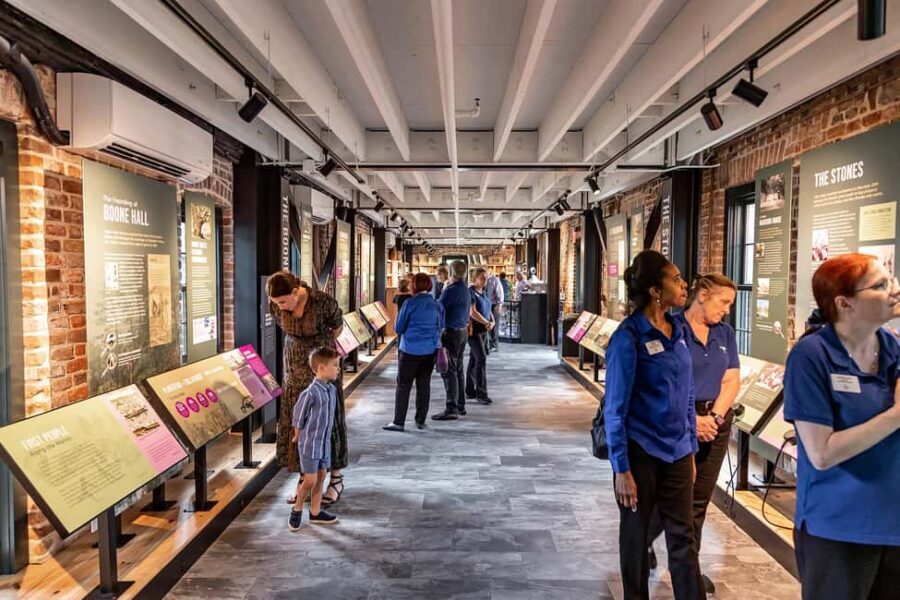
Most visitors in Charleston face the same question: do I rent a car, or do I take something that’s simpler? This tour answers it by starting with round-trip transportation from the Charleston Visitor Center at 375 Meeting Street. You board a luxury minibus, and then you’re off to Boone Hall.
The good part of this setup is mental energy. You don’t waste time figuring out parking, traffic, or backtracking. And since the tour runs about 5 hours and is usually available in the morning, you’re starting your day with a plan, not a guess.
English live guidance is part of the experience, and that matters when you’re moving between the house, cabins, gardens, and cultural presentation. Even if you’re strong with self-guided reading, a live guide helps you connect the pieces.
If you're still narrowing it down, here are other tours in Charleston we've reviewed.



Arrival at Boone Hall: a working plantation feel

Boone Hall is described as America’s oldest working, living plantation, and you can feel that from the start. Instead of a sealed-off museum site, the day is built around being on active grounds—walking paths, landscaped areas, and a farm you’ll later ride through by tractor.
When you arrive, plantation staff meet you and guide you through the key sections. That’s the practical advantage: you don’t have to figure out what matters most first. You get routed into the house tour and the cultural part, and then you have room to breathe afterward.
Also note the tour includes entry to the plantation itself. That’s one less separate ticket to manage once you’re on site, and it helps the day stay smooth.
The Avenue of Oaks walk you’ll want to slow down for
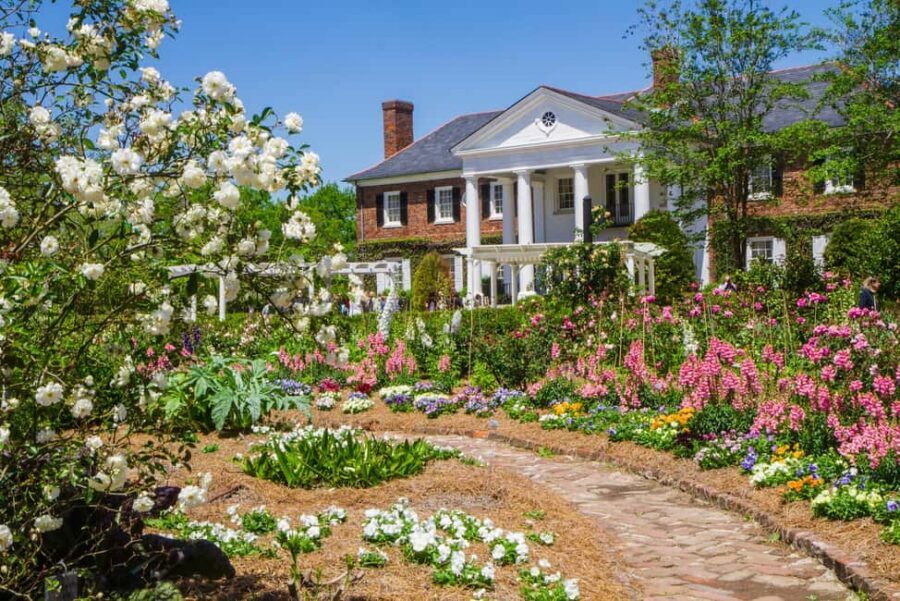
If you only do one thing at Boone Hall, this is usually the one. The Avenue of Oaks is a dramatic 3/4-mile walkway filled with giant live oaks that are about 270 years old. Spanish moss drapes over the branches, and the whole scene has that slow, almost cathedral-like feel.
I like this segment because it’s not rushed. You’re walking an actual long stretch of the property, not just passing by it from a bus window. Bring your camera, but also take a moment to look up between photos. The angle you get from walking is different than standing still.
This is also where comfort pays off. Wear comfortable shoes, because even with a guided day, you’re still doing outdoor walking. If the weather is hot and humid, a hat and sunscreen are smart, and water will keep you from feeling drained halfway through.
Those original cabins: settlement and slavery in themed displays

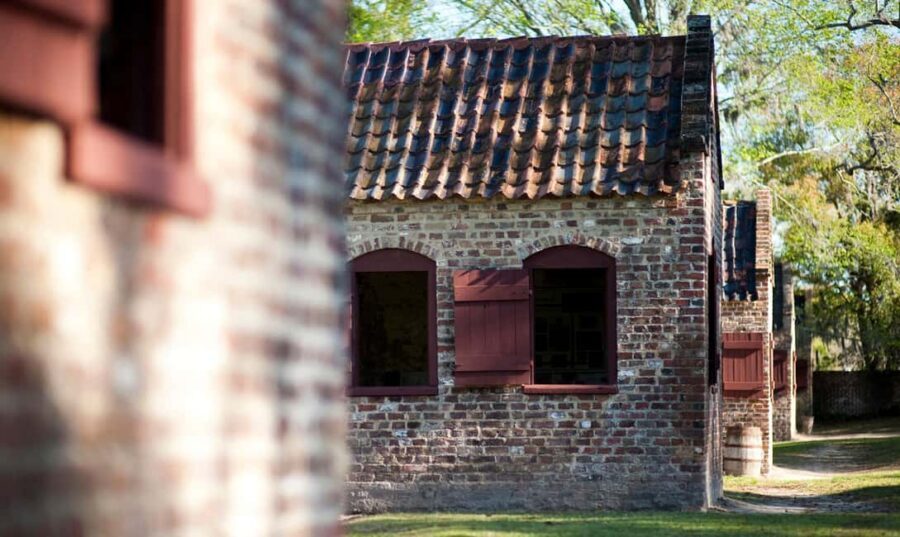
After the big tree avenue, you’ll spend time with the plantation’s preserved cabins. The tour includes eight original cabins, each presented with a different themed approach and supporting materials like photos and life-size figures. The overall focus is on the stories of settlement and slavery.
This part is powerful because it doesn’t stay abstract. Instead of only talking about the plantation house, you see how people lived, worked, and endured. Even if you already know some broad facts about slavery in the South, the way these cabins are staged helps you picture daily reality rather than just big historical events.
One practical tip: pace yourself here. This section tends to take longer in your mind than it does on the clock. If you’re the kind of person who reads everything, expect to slow down. That’s not a bad thing—it just means you’ll want to manage your energy for the house and gardens later.
Gullah Culture live presentation: the context many people come for

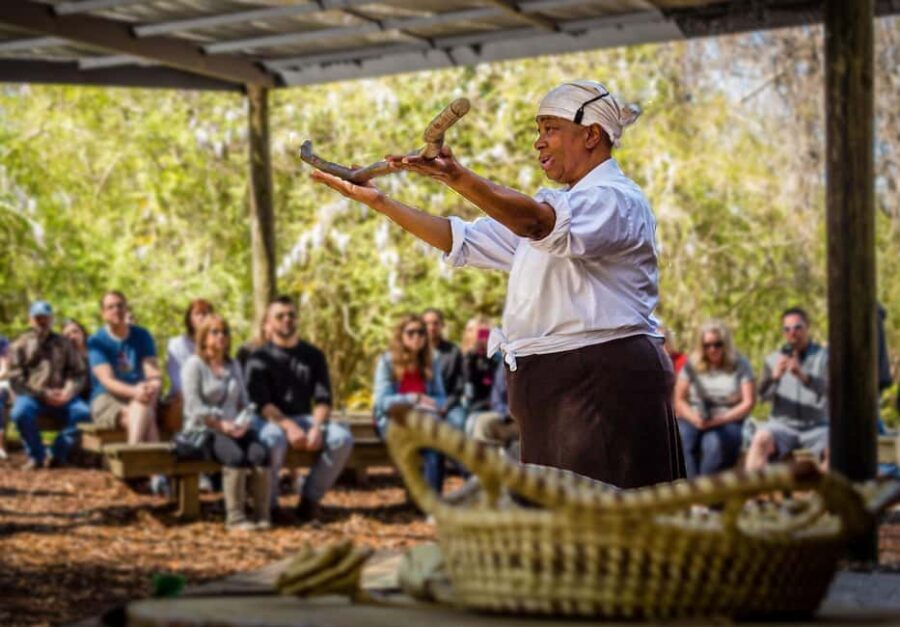
The tour includes a Gullah Culture live presentation, which is the heart of why many visitors choose Boone Hall specifically. You learn about this unique culture as it was adapted by enslaved Africans. That explanation matters because it connects art, language, and community traditions to lived experience.
I like that this isn’t presented as a one-minute side note. It’s built into the flow of the day, and it gives meaning to what you’ve seen in the cabins and the working plantation grounds. You come away with more than a list of stops—you get a framework for understanding the people behind the history.
If you’re curious about food traditions, music, or language in coastal South Carolina and the Lowcountry, this presentation gives you a starting point. And even if that’s not your focus, it still helps you see the plantation as a human story, not just architecture and scenery.



The Boone Hall House tour: what you get and what to manage
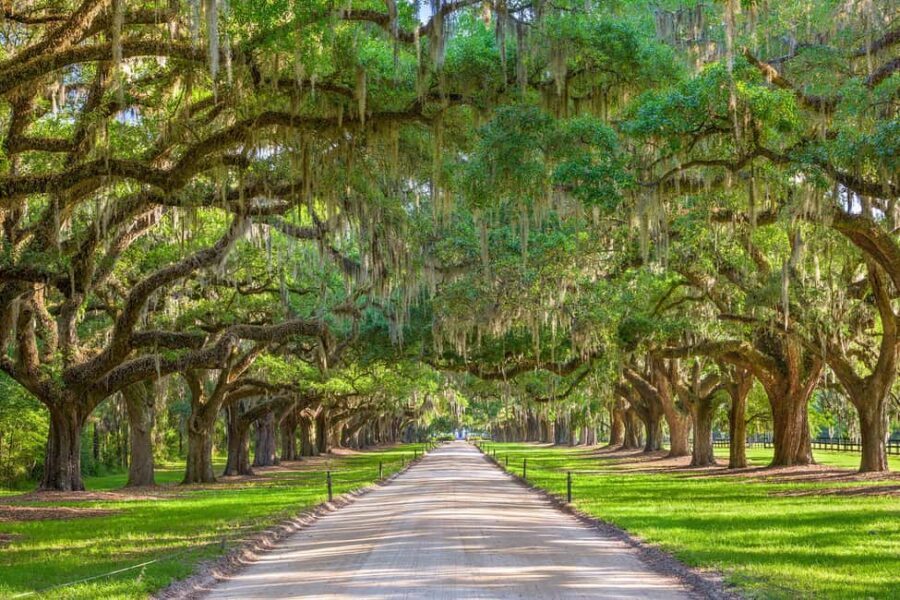
After the cabins and cultural presentation time, you’ll get a guided tour of the Boone Hall House. The house tour is part of what you’re paying for, and it’s a classic “inside look” that contrasts sharply with the outdoor cabins and plantation grounds.
Here’s the honest part: the day is packed, and the house tour doesn’t give you unlimited time to linger. If your style is slow reading, you may wish you had more minutes inside to absorb every detail. The guide helps, but you’ll still be on a schedule.
So how do you handle that? Don’t try to take in everything at once. Look for a few anchor things—construction details, room layout, and any points your guide emphasizes. Then, after the house tour, shift into the part where you can control your pace: the gardens and roaming time.
Farm & Nature Tractor Tour: a different angle on the property
The tour also includes an exclusive Farm & Nature Tractor Tour. This is one of those additions that makes a plantation visit feel more like a full day on the property rather than a quick walk-through.
A tractor tour changes your perspective. Instead of only seeing the grounds from walking paths, you get views of the farm and nature areas in a way that’s harder to replicate on your own. Even if you’ve been on garden tours before, this one feels tied to the plantation’s working identity.
If you want photos, this is a good time to plan ahead. Bring your camera, and remember that lighting on open grounds can shift quickly with clouds or sun. Also, if you’re sensitive to motion, take your spot thoughtfully and hold onto any provided guidance.
Gardens and roaming time: where you can choose your pace
After the main guided elements, the day gives you time to explore beautiful gardens at your own pace. That self-guided space is valuable because it lets you decide what you want to revisit—maybe you want another look at the plants, maybe you want quieter photo spots, or maybe you just need a mental break from the guided talking points.
This is where you can also reset your feet. You’ll have done outdoor walking earlier, so your roaming time is the moment to find shade, drink water, and pace yourself for the rest of the tour.
Also, the tour includes a view of the Avenue of Oaks, which means even if you don’t want every step to be a photo session, you’ll still get the signature view experience.
Price and value: is $63 per person worth it?
At about $63 per person, this is not a cheap day trip—but it is also not just an entry ticket. The price bundles several meaningful parts: round-trip transportation from Charleston, plantation entry, a guided house tour, the Farm & Nature Tractor Tour, self-guided garden time, and the Gullah Culture presentation.
So the value question becomes: are you going to use those pieces? If you want transportation handled, and you like guided context for the house plus a tractor ride for extra perspective, then the ticket price starts to make sense. If you’re the type who only wants one short stop and hates schedules, then you might feel like you’re paying for parts you don’t fully use.
For most people, the bundled format is the win. The day feels like you’re getting a complete plantation experience rather than piecing together separate tickets and timing yourself between stops.
What to bring for a 5-hour outdoor day
This tour is outdoors-heavy, so pack like it matters. Bring comfortable shoes, a hat, sunscreen, camera, and water. The guide points you to outdoor readiness because the Avenue of Oaks and grounds walking are the kind of thing you feel later in your legs if you’re unprepared.
Avoid any temptation to bring flash photography. Flash is listed as not allowed, and smoking isn’t allowed either. You’ll also want to keep your camera settings ready, because you’ll be moving between bright outdoor shade and indoor house rooms.
If weather turns, check conditions before you go and dress accordingly. Even though the tour is about history and culture, your comfort is still what keeps the day enjoyable.
Who this tour suits best (and who should skip it)
This experience is a strong fit if you want a guided structure with culturally focused content. The combination of the Gullah Culture presentation, the cabins, and the house tour gives you multiple ways to understand plantation life and its legacy.
It’s less ideal if you have mobility or comfort concerns. The tour is not suitable for wheelchair users, and it’s also noted as not suitable for people with back problems. That doesn’t mean you can’t be there at all if you’re cautious, but the tour clearly expects walking and time outdoors.
If you travel as a couple or solo and you like guided context, you’ll probably appreciate how the day flows. If you’re traveling with kids, the pacing and outdoor walk length might require extra patience, but the tour is still built as a guided day rather than a hands-off museum visit.
Should you book the Boone Hall Plantation Tour?
I’d book this tour if you want a full, guided plantation day that includes both architecture and culture. The Gullah Culture live presentation plus the cabin displays give you context beyond what you’d get from a purely scenic stop. And the tractor tour is the kind of add-on that makes the day feel complete.
I’d think twice if you hate schedules or you want lots of time inside the house. The house tour is part of the program, but the overall day is built to cover multiple sections, so you won’t have unlimited lingering time.
If your goal is to see the Avenue of Oaks, understand the human story through the cabins, and get guided cultural interpretation, this is a solid choice for your Charleston day.
FAQ
How long is the Charleston: Boone Hall Plantation Tour?
The tour duration is about 5 hours.
Where do I meet the tour?
You’ll meet at the Charleston Visitor Center, 375 Meeting Street.
What’s included in the ticket?
The ticket includes round-trip transportation from the Charleston Visitor Center, entry to Boone Hall Plantation, a guided Boone Hall House Tour, an exclusive Farm and Nature Tractor Tour, a self-guided tour through the gardens, a view of the Avenue of Oaks, and a Gullah Culture presentation.
Is the tour guided?
Yes. You’ll have a guided Boone Hall House tour, plus staff guidance during the visit, and the Gullah Culture presentation is live in English.
What should I bring?
Bring comfortable shoes, a hat, a camera, sunscreen, and water.
Is it wheelchair accessible?
No. The tour is not suitable for wheelchair users, and it’s also not suitable for people with back problems.