REVIEW · CHARLESTON
Charleston: Shem Creek Culture Tour
Book on GetYourGuide →Operated by Charleston Historic Tours LLC · Bookable on GetYourGuide
Shrimping history meets the harbor on one walk. This Shem Creek Culture Tour in Mt. Pleasant mixes an oldest-home stop with the working shrimping industry, led by Captain Bryan. I love the way Captain Bryan tells stories with humor while keeping things moving, and I love the practical, on-the-ground look at how shrimping and crabbing actually work. One drawback to plan for: you’ll walk about 1.5 miles outdoors, and water isn’t provided, so bring your own and wear sunscreen.
What makes this feel worth it is the blend of past and present, not just dates and diagrams. You’ll see the first-settler era up close, then shift to Shem Creek proper—boardwalk strolling, seafood markets, and hands-on style explanations like how cast nets are thrown and how crab traps come up for a closer look at blue crab. Rain or shine, you’ll want comfortable shoes and an easy pace in mind, since this is a history-and-learning focused walk.
In This Review
- Key things I liked on the Shem Creek Culture Tour
- Entering Mt. Pleasant’s story at Coleman Blvd
- What to expect from the group pace
- Captain Bryan sets the tone: funny, local, and practical
- The oldest home stop: first settlers and a Revolutionary-era battle
- Why this stop is worth it even if you hate museums
- The traditional village walk: views on the way to the creek
- Shem Creek proper: boardwalk history and the working industry
- Why you’ll understand the region faster here
- Seafood markets and species variety: what the creek turns into
- A small practical note
- Cast nets and crab traps: the hands-on learning moment
- What makes this section special
- Marine life viewing: the creek as a living system
- The small snack, the prize, and the feeling of closure
- Price and value: $26 for 90 minutes of local culture
- Who should book this tour (and who shouldn’t)
- Plan around weather
- Should you book the Charleston Historic Tours Shem Creek Culture Tour?
- FAQ
- How long is the Shem Creek Culture Tour?
- How much does it cost?
- Where do I meet the guide?
- What’s included in the ticket price?
- Is water provided?
- Does the tour run in bad weather?
- How much walking is involved, and who is it not suitable for?
Key things I liked on the Shem Creek Culture Tour
- Captain Bryan, a licensed local guide who ties together Mt. Pleasant’s timeline and today’s creek work
- Working shrimping visibility, including stops at two shrimping facilities
- Shem Creek’s boardwalk story walk, with context on how the creek’s role has changed (and stayed the same)
- Up-close marine views, plus a live-style look at blue crab and crab traps
- A small prize you earn by answering questions along the route
- Small group size (up to 10), which keeps the questions and conversation real
Entering Mt. Pleasant’s story at Coleman Blvd
This tour starts at 111 Coleman Blvd, Mt Pleasant, SC 29464, right at the Coleman Blvd and Mill St EB area. If you’re the type who likes getting your bearings fast, you’ll appreciate the early rhythm: you meet your guide, get a quick setup for the walk, and then head out right away instead of sitting through a long lecture.
I like that the tour has a clear purpose from minute one. You’re not just going to “see the creek.” You’re going to learn why this shoreline shaped real lives—then you’ll see that same line of work continue today. With a group capped at 10 people, you’re also more likely to get direct answers instead of watching someone else’s questions get time on the clock.
If you're still narrowing it down, here are other tours in Charleston we've reviewed.



What to expect from the group pace
The total time is 90 minutes, and it’s designed as an active walk. The good news is that you aren’t committing to a full-day outdoor excursion. The tradeoff is that you do need to be comfortable with a steady walk and standing outdoors for explanations.
Captain Bryan sets the tone: funny, local, and practical
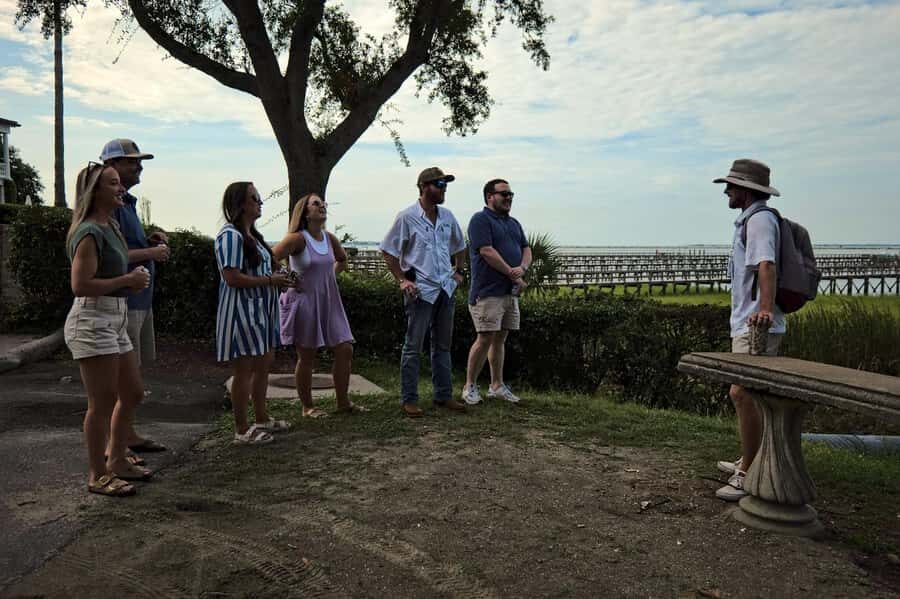
Your guide is Capt Bryan, described as a historical commissioner and lifelong Mt. Pleasant local. That matters because it changes how the stories land. Instead of sounding like a script, the tour has a “learn what I grew up around” feel.
In the feedback I saw, people consistently called out two things: he keeps the group moving and he adds humor without turning the tour into a comedy show. You also get practical help along the way, including tips on where locals buy and eat after you finish—useful when you’re trying to keep the rest of your trip simple.
I also like the way he adjusts to real conditions outdoors. For example, one tour participant noted he warned about possible chiggers in hanging moss. That kind of quick safety-and-comfort note is exactly what you want from a guide who actually spends time on these paths.
The oldest home stop: first settlers and a Revolutionary-era battle
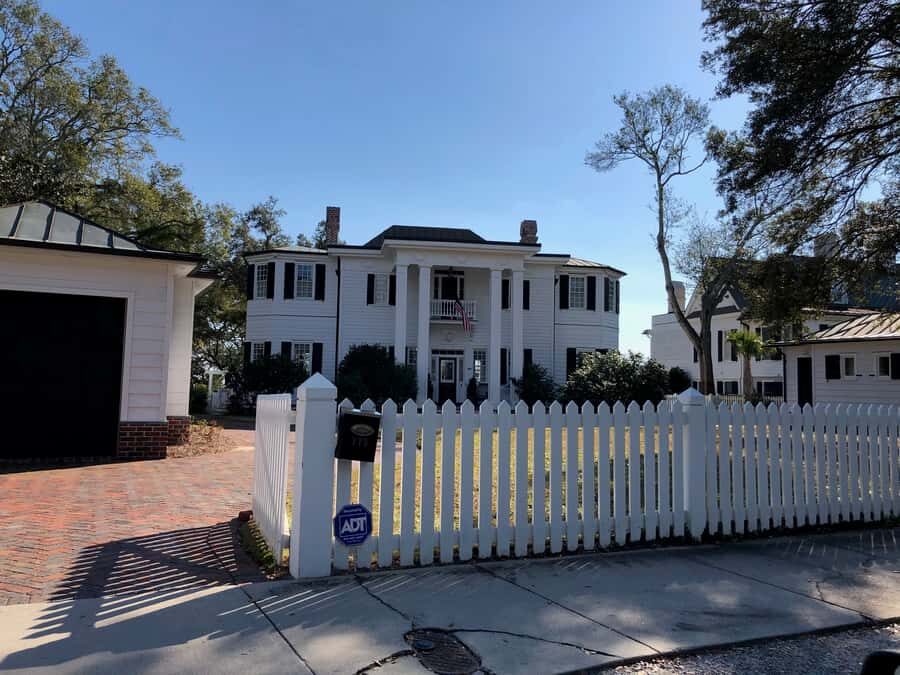
The tour includes a walk to the oldest home in Mt. Pleasant, set with views that connect it back to the Charleston Harbor area. This is the point where the tour stops being generic “local history” and starts feeling specific.
Here’s what you should look for: the guide frames early settlers not as distant figures, but as people who chose this area for reasons tied to waterways and defense. You’ll also hear about a famous Revolutionary War battle connected to the region. It’s the kind of story that makes the map make sense—because later, when you’re standing at Shem Creek, you’ll understand why this shoreline mattered long before shrimp boats and boardwalk strolls became part of daily life.
Why this stop is worth it even if you hate museums
If you’ve ever toured a historic house and thought, okay…but what does it mean now?—this stop works differently. You’re walking from story to story, so the history stays “in motion.” Instead of seeing artifacts behind glass, you’re pairing narrative with the same kinds of natural features that shaped settlement patterns.


The traditional village walk: views on the way to the creek
After the oldest home, the route shifts toward Shem Creek proper. You’ll take a scenic stretch through areas described as a traditional village, with views along the way. This matters because it breaks up the heavier learning moments. It also gives you time to absorb how waterways, homes, and working areas sit next to each other in Mt. Pleasant.
I find these “in-between” stretches are where a guide’s personality shows. Capt Bryan has space to explain how the creek functioned over time, and you’re not stuck listening the whole way. It keeps the walk lively, and it gives you context before you reach the busiest working parts of Shem Creek.
Shem Creek proper: boardwalk history and the working industry
Once you reach Shem Creek, you get the centerpiece: an insider look at how the shrimping industry has shaped local life for generations. The tour is built around Shem Creek’s past and present, with guided time along the new boardwalk and visits to multiple working stops.
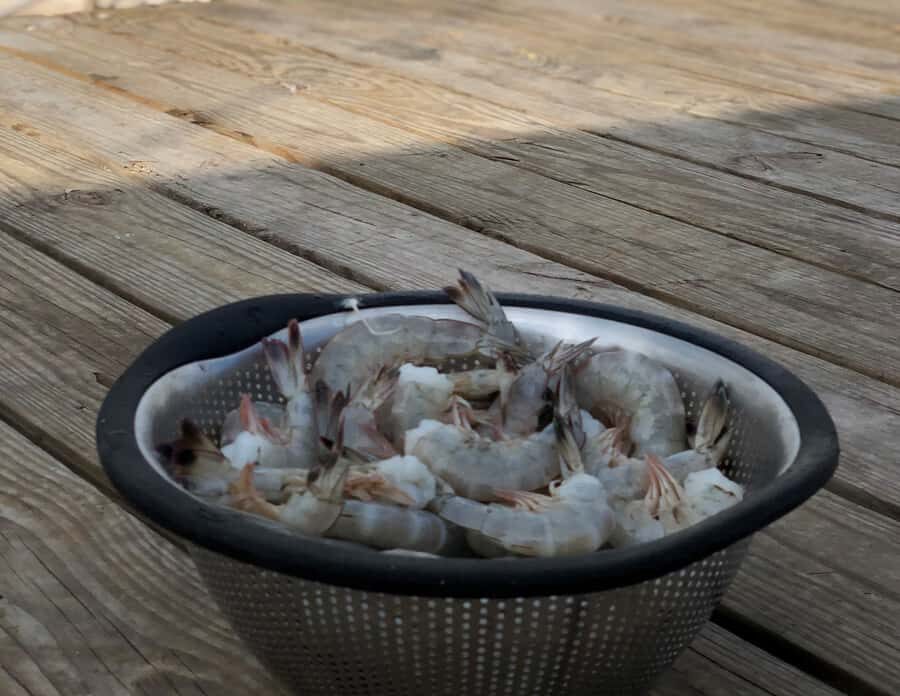
This is where the tour feels most “real.” Instead of treating shrimping as a historical reenactment, it’s presented as an active industry. You’ll see two shrimping facilities and get a sense of the workflow that turns creek and catch into commerce.
Why you’ll understand the region faster here
Shem Creek can feel like just another stretch of water until someone connects the dots. A good guide changes that. You’ll learn what the creek has hosted since the first colonists—and you’ll see how that legacy shows up today in the markets, the facilities, and the people who keep the work going.
Seafood markets and species variety: what the creek turns into
The tour also includes a visit tied to food/seafood markets along the route. You’ll get a view of seafood activity with a range of species discussed as part of the local catch.
I like market stops on walking tours because they help you translate what you learned into what you can do next. When you finish the tour, you’re not stuck guessing what’s good or what’s local. You’ve already been shown how the industry connects to real buying and eating.
A small practical note
Because you’re outdoors and there’s no water provided, this is one of those activities where you should plan ahead for the heat. Bring a bottle, especially in summer. Sunscreen is not optional on this kind of walk.
Cast nets and crab traps: the hands-on learning moment
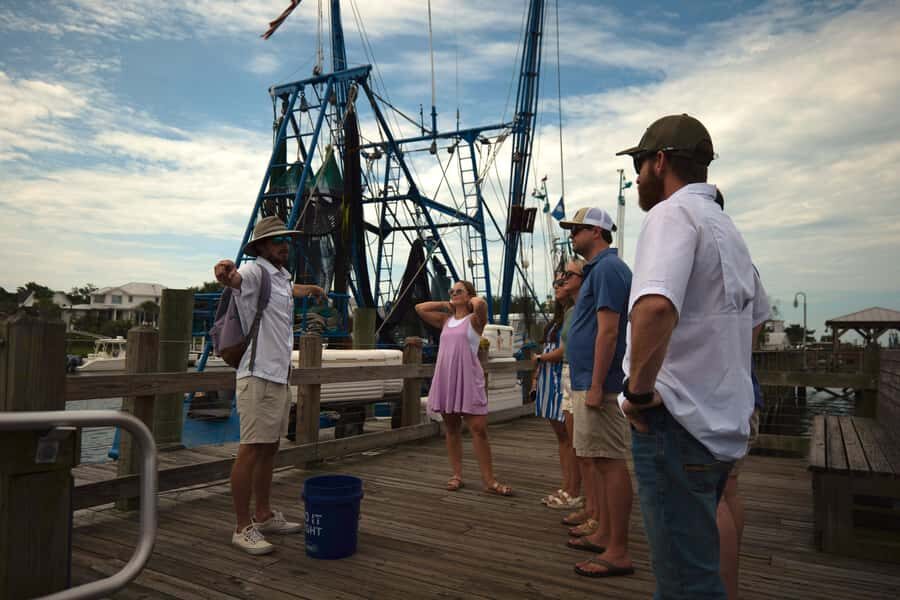
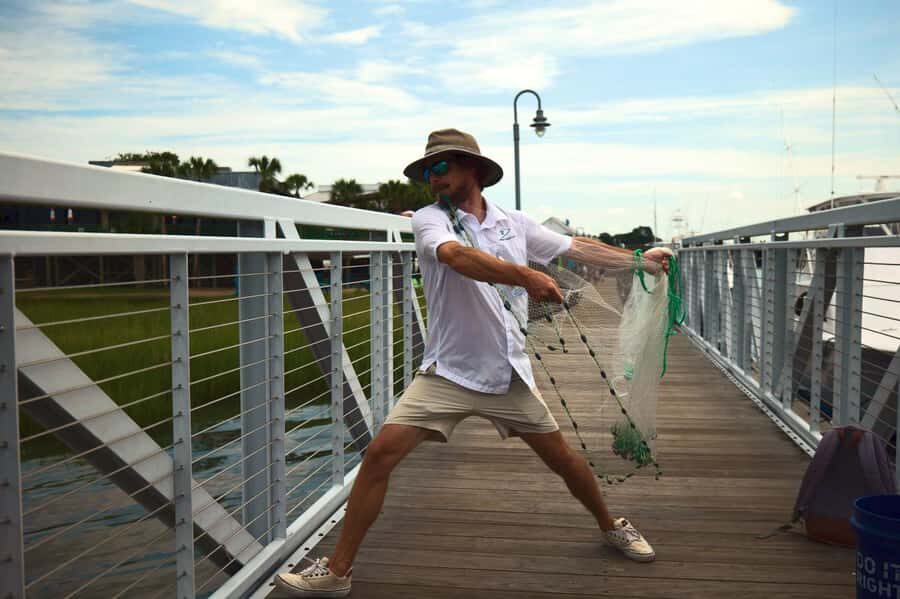
One of the most memorable parts is the live-style look at how fishermen work. The guide shows how to throw a cast net and how to bring up a crab trap for a closer view of blue crab.
Even if you’ve seen crabbing on TV, this kind of explanation lands better in person. You can see the real gear and hear the reasoning behind it. It turns “fishing” from a vague idea into steps, timing, and practical know-how that’s rooted in the creek environment.
What makes this section special
This isn’t a lecture about marine life; it’s a guided view that connects tools to outcomes. And because the tour is designed for a small group, it’s easier to notice details—like what the guide points out and how the process works at a human scale.
Marine life viewing: the creek as a living system
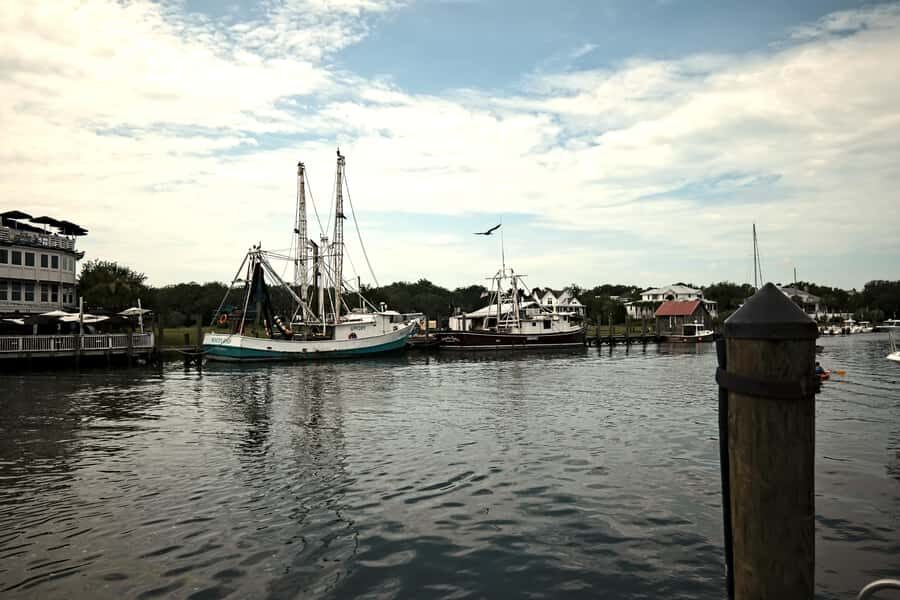
Beyond the work stops, there’s also marine life viewing built into the experience. You’ll spend time looking at the water and related activity as part of understanding the creek ecosystem and the industry it supports.
I recommend treating this as more than a photo break. Look for the patterns your guide highlights. The goal is to connect the living environment to the work you just watched—how the creek supports both the catch and the culture.
The small snack, the prize, and the feeling of closure
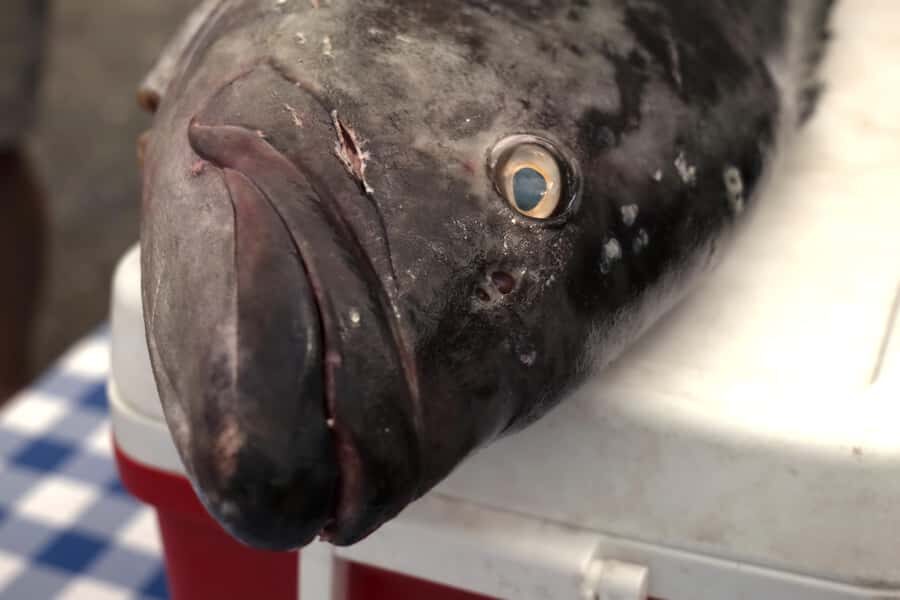
The tour includes a small snack, which is a nice touch for a 90-minute outdoor outing. It keeps energy steady, especially if you’re doing this early in your trip and then heading into other plans.
You also get a small prize for answering a few questions along the route. That little “quiz moment” helps the information stick. It turns the walk into a more active experience, not passive listening.
By the end, you should walk away with a clearer sense of why Shem Creek mattered centuries ago—and why it’s still a cultural engine today.
Price and value: $26 for 90 minutes of local culture
At $26 per person for 90 minutes, this tour prices itself as a value outing rather than a full “day tour” experience. For your money, you’re getting:
- a licensed local guide (Capt Bryan)
- a small group experience (up to 10 people)
- a mix of historic walking and working-shipyard/industry viewing
- a snack and a small prize
- guided explanations that connect the creek’s past and present
The best way to judge value here is to compare what you’d otherwise pay for separately. If you did historic sights plus a separate activity and still ended up with generic info, you’d often spend more and come away less connected to how locals live and work. This tour tries to deliver that connection in one compact block.
Who should book this tour (and who shouldn’t)
This is best if you:
- enjoy outdoor walking and learning on your feet
- want history tied to real working life
- like small-group guides who can answer questions
- are comfortable walking about 1.5 miles
It’s not suited for people with mobility impairments, and it’s described as not a good match for very young children because it’s knowledge-and-history focused.
Plan around weather
The tour runs rain or shine, so dress for whatever the day gives you. That’s also why you’ll want sunscreen, comfortable shoes, and a water bottle—because the experience stays active either way.
Should you book the Charleston Historic Tours Shem Creek Culture Tour?
If you want Mt. Pleasant history that feels tied to everyday life, I’d book it. The combination of the oldest-home stop, Shem Creek’s boardwalk storytelling, and the working shrimping facilities adds up to a tour with momentum and context.
Skip it if you hate outdoor walking, can’t manage about 1.5 miles, or you’re looking for something mostly indoor and relaxed. This one is designed to be active, factual, and outdoorsy.
If you fit the walking-and-curiosity profile, this is one of those tours that can make the rest of your trip easier—because you’ll know what matters locally and where to eat afterward without guessing.
FAQ
How long is the Shem Creek Culture Tour?
The tour lasts 90 minutes.
How much does it cost?
It costs $26 per person.
Where do I meet the guide?
The meeting point is 111 Coleman Blvd, Mt Pleasant, SC 29464 (near Coleman Blvd / Mill St EB).
What’s included in the ticket price?
It includes a small snack and a licensed local tour guide.
Is water provided?
No. You should bring water, since it is not provided.
Does the tour run in bad weather?
Yes. It operates rain or shine, so dress appropriately.
How much walking is involved, and who is it not suitable for?
It’s best for guests who can walk about 1.5 miles. It is not suitable for mobility impairments, and it’s not a fit for very young children.