REVIEW · CHARLESTON
Paranormal Investigation: YOU are the Ghost Hunter
Book on Viator →Operated by Nicholas McGirr · Bookable on Viator
Night work, real equipment, real questions.
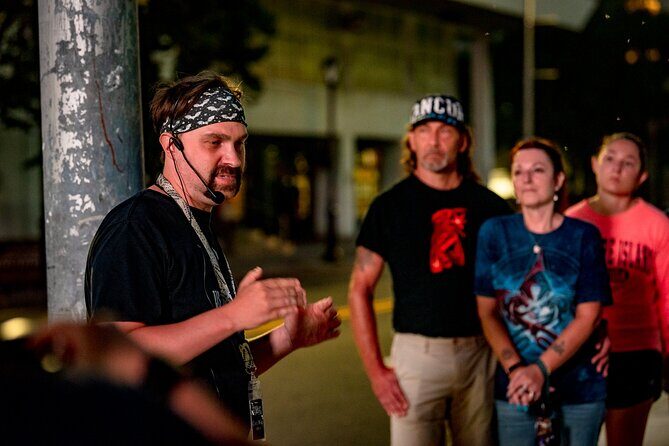
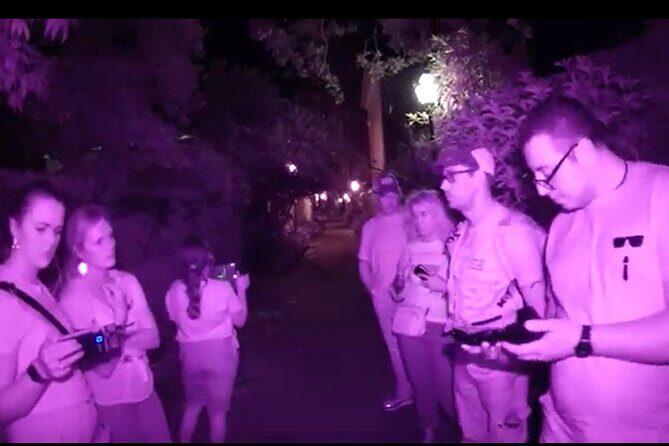
This Charleston experience is built around one twist: you are the ghost hunter, not just the listener. You’ll use tools from the paranormal-investigation world, including a thermal imaging camera, while your guide shares local stories tied to specific spots in the city.
Two things I really like: it’s small-group (so you’re not hidden behind a dozen people), and you get the evidence back with audio, video, imagery, plus extensive notes. One thing to think through first: this is walking-at-night field time, and tech results depend on conditions and what the devices pick up that evening.
In This Review
- Key Things You’ll Notice on This Ghost Hunt
- A Night-School for Paranormal Tools in Charleston
- Price and Value: What $63.20 Buys You at Night
- Timing, Group Size, and the Actual Pace You Should Plan For
- The Rules of the Hunt: How Routes Change Mid-Route
- Learning the Gear: Thermal Imaging, Recording, and the Estes Session
- Stop by Stop: Seven Charleston Locations With a Paranormal Angle
- Philadelphia Alley: Duels, the Whistling Doctor, and Ralph Isaacs
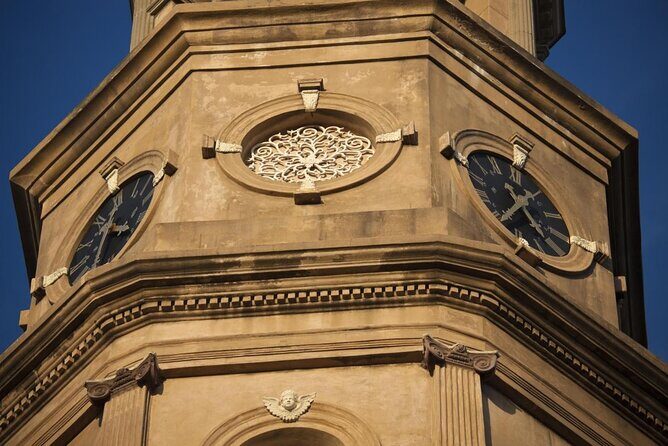
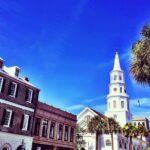
- St. Philip’s Church and Cemetery: Spirits in the Church Grounds
- The Powder Magazine: Anne Bonny’s Ghost at a Historic Site
- Washington Square: Henry Timrod and the Blood Book
- Lawrimore Park: A Quaker Graveyard in a Small Corner
- 235 E Bay St: Eliza Lucas Pinckney and Indigo Plantation Roots
- French Quarter: Lodge Alley and Residual Spirits on Belgian Blocks
- What You’ll Actually Get After the Hunt
- Who This Tour Fits Best (and Who Might Want to Skip It)
- Weather, Walking, and the Real-Life Limits of Night Investigations
- Should You Book This Charleston Ghost Hunter Tour?
- FAQ
- FAQ
- How long is the Paranormal Investigation in Charleston?
- What time does the tour start?
- How big is the group?
- What equipment is provided?
- Will I get recordings or other data from the investigation?
- Is the tour open to children and families?
- Do I need to bring anything?
- What happens if the weather is bad?
- Can I cancel for a full refund?
Key Things You’ll Notice on This Ghost Hunt
- Hands-on equipment training so you’re not guessing in the dark
- Thermal imaging paired with other recording tools
- A route that can change depending on activity your lead investigator detects
- Seven historic stops tied to Charleston legends and real people
- Data delivery after the tour, including media and notes
- An Estes session where disposable earbuds and blindfolds are provided
A Night-School for Paranormal Tools in Charleston
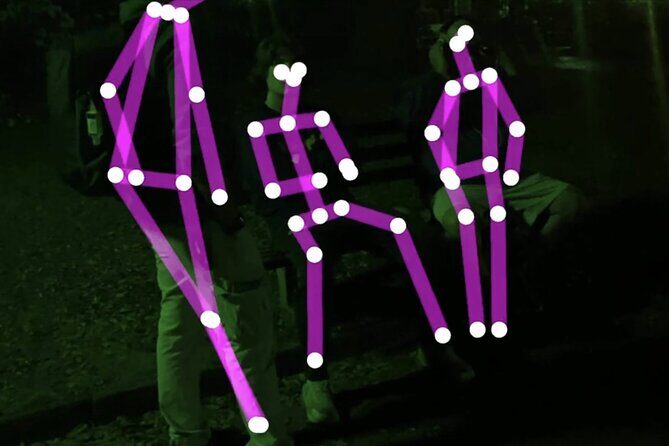
Ghost tours usually work like a story hour with flashlights. This one works closer to a guided field exercise. You’ll learn how to use the devices, then try them as you move through the city, one location at a time.
That hands-on part matters. When you press buttons, track temperature readings, or run through the recording routine, you start noticing patterns in your own behavior and the environment. You also stop thinking of this as just spooky theater and start treating it as a data-gathering night.
Charleston is a strong setting for this kind of experiment. The streets, brick alleys, church grounds, and graveyards are already heavy with atmosphere. The difference here is that the night doesn’t end when the guide finishes a story. You leave with a packet of recorded material and notes that you can review later.
If you're still narrowing it down, here are other tours in Charleston we've reviewed.
Price and Value: What $63.20 Buys You at Night
At $63.20 per person, you’re paying for more than narration. The included package centers on ghost hunting equipment plus all the media collected during your investigation: audio, video, imagery, and very extensive notes.
That’s a big value point because you’re not renting gear or doing guesswork with personal apps. You’re also not just buying access to a few haunted-sounding streets. You’re buying a guided workflow: training, investigation time, and collected output that’s meant to be reviewed after.
Two practical items are not included: bottled water and insect repellant. I’d treat that as your reminder to pack like it’s a real evening out. Hydrate, protect your skin, and wear shoes you can walk in without regretting it.
Timing, Group Size, and the Actual Pace You Should Plan For
This tour starts at 9:00 pm at 255 E Bay St, Charleston, SC 29401, and it ends at Charleston Library Society, 164 King St. The duration is listed as 2 hours to 2 hours 30 minutes, but it can run longer depending on what happens in the field.
You’ll be in a maximum group size of 12 travelers, which is key. It makes equipment instruction and device use feel manageable, and it keeps the night from turning into a line of people waiting their turn.
The tour is also described as mobile ticket, so you’ll want your phone battery ready. And since it’s near public transportation with service animals allowed, it’s designed to be workable even if you’re not arriving by car.
The Rules of the Hunt: How Routes Change Mid-Route
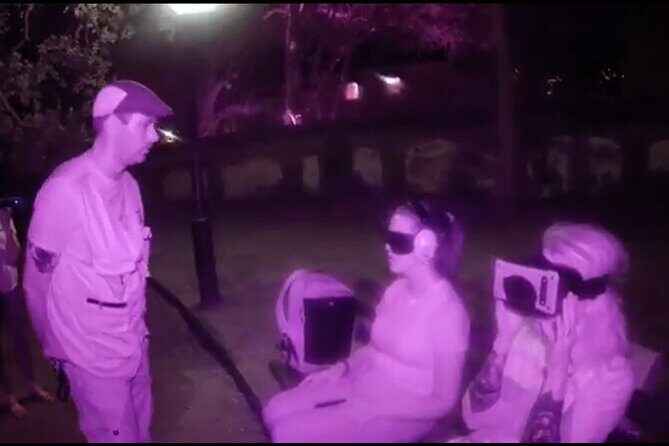
Here’s the part that sets expectations the right way: you may not investigate every stop in the full way. The plan lists seven named locations, but it’s also clear that routes are at the discretion of the lead investigator and can shift based on changing paranormal activity detected by devices.
From a practical standpoint, this means you should expect the night to feel active and responsive, not scripted down to the minute. It’s also a reminder that success on a ghost hunt isn’t a switch you flip. Sometimes the night is quiet. Sometimes the readings and recordings show something you’ll want to analyze later.
One more mindset tip: treat it like field science with a spooky theme. If you go hunting for a guaranteed “catch,” you’ll likely feel disappointed. If you go ready to collect and compare data with your guide’s explanations, you’ll get more out of the experience—even when it’s subtle.
Learning the Gear: Thermal Imaging, Recording, and the Estes Session
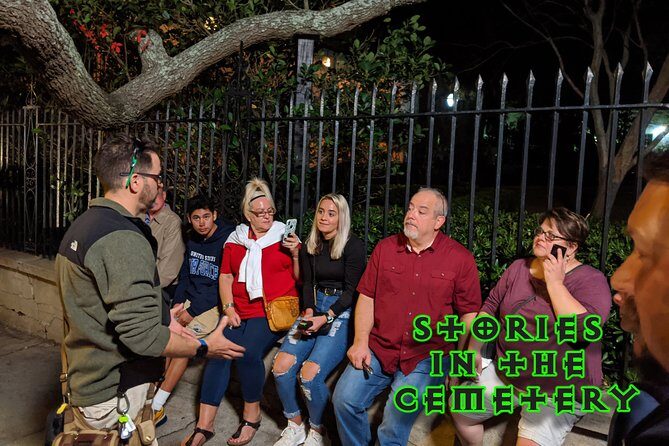
Your guide provides tutorials on how to use each device, and the experience includes ghost hunting equipment. A highlight called out here is the thermal imaging camera, which is especially useful in a city where temperature swings and heat sources (street lights, buildings, your own body heat) can influence readings.
During the experience, you’ll also have disposable earbuds and blindfolds provided for the Estes session. The practical point: if you like structured participation, this is a built-in moment where you’re not just holding a device and hoping. You’re using a guided method designed for the investigation.
From my point of view, this is one of the most respectful ways to run a paranormal tour. It gives you tools and a routine instead of relying only on emotion and storytelling. It also keeps the group focused on the same “how” instead of everyone freelancing their own theories.

Stop by Stop: Seven Charleston Locations With a Paranormal Angle
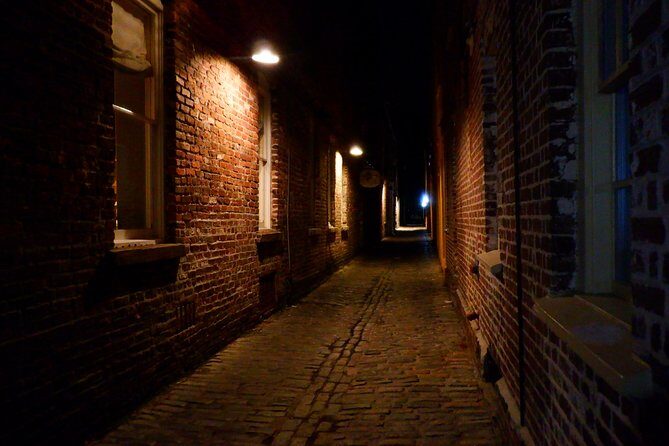
You’ll move between historic sites that are tightly tied to local legends and named figures. Each stop includes a set time on the schedule, but remember: the lead investigator may adjust the route depending on activity and what the devices are picking up.
Also note the tone of the night: this isn’t just sightseeing. Each location is used as an investigation checkpoint.
Philadelphia Alley: Duels, the Whistling Doctor, and Ralph Isaacs
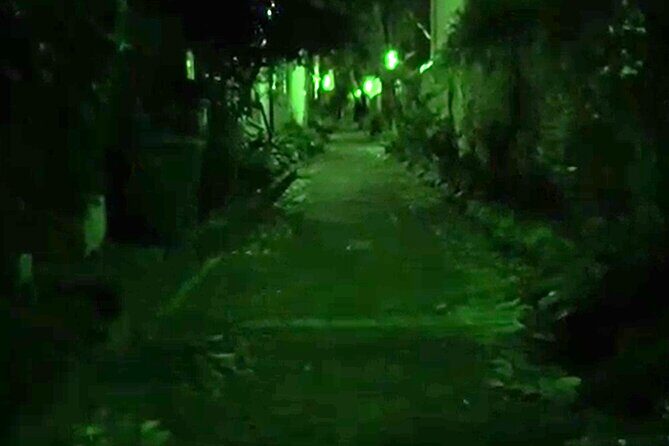
Your first stop is Philadelphia Alley, tied to tales of the Whistling Doctor and his opponent, Ralph Isaacs. It’s described as an alley known for dueling, which is a useful detail because it sets an event-driven story framework.
Time here is about 15 minutes. In practice, this is the kind of first location where you get warmed up with the devices, plus you start learning what your guide expects from you when you record and observe.
A small consideration: alleys can be tight. Comfortable shoes matter more here than you might think, especially when you’re stepping into the night in a group and staying oriented for device use.
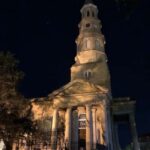
St. Philip’s Church and Cemetery: Spirits in the Church Grounds
Next up is St. Philip’s Church, specifically the area around the church and cemetery. This stop is framed around the idea that plenty of spirits roam the location, and the setting supports that mood naturally.
Time here is about 10 minutes. That can feel quick, but with a short stop like this, the value is in focused attempts rather than lingering. It’s also a place where temperature and ambient sounds can change fast due to surrounding walls, open areas, and foot traffic.
If you’re sensitive to spooky atmospheres, this is one of the stops that may feel intense simply because graveyard ground tends to make the mind work overtime. If you’re someone who likes a straightforward investigation approach, it’s also a strong location for comparing devices against the environment.
The Powder Magazine: Anne Bonny’s Ghost at a Historic Site
You then head to The Powder Magazine, where the investigation turns to the ghost of the famous female pirate Anne Bonny. This is one of the more famous-name stops on the route, and that recognition is useful because it gives you a clear narrative anchor while you use equipment.
Time here is about 15 minutes. I like stops like this because the location itself is historic and specific. That means you can track your own notes more easily: what you measured, when you measured it, and what story theme you were investigating at that moment.
One practical thought: the Powder Magazine area may feel more structured as a site, but your experience still depends on what your tools pick up in that exact window of time.
Washington Square: Henry Timrod and the Blood Book
At Washington Square, you’re seeking the ghost of poet Henry Timrod, along with stories connected to the infamous Blood Book. This stop gives you a “literary legend” angle, which changes the tone from pirate lore and alley duels into something more eerie and story-heavy.
Time is about 15 minutes. Stops like this can be great for people who like history that’s specific and human, not just generic hauntings.
If you’re hoping to get a major reading spike, you’ll want to pay attention to what your guide says about device setup and the moment you start recording. With a short stop, timing consistency matters.
Lawrimore Park: A Quaker Graveyard in a Small Corner
Next is Lawrimore Park, described as an investigation of a Quaker graveyard in a small corner of Charleston. The focus shifts again, this time into a quieter, more solemn kind of location.
Time here is about 15 minutes. Graveyards often change the way sound travels and how people breathe and move in a group. That can affect both your own perception and the environment around your devices.
A useful expectation: because this is a graveyard setting, you’ll probably want to keep your movements controlled. If you’re the kind of person who accidentally talks loud while concentrating, this is a place to practice quiet focus.
235 E Bay St: Eliza Lucas Pinckney and Indigo Plantation Roots
Then you investigate 235 E Bay St, noted as the original home site for indigo plantation owner Eliza Lucas Pinckney. This is a history-forward stop, and it’s important because it broadens the evening beyond only “ghost stories” and into real Charleston identity.
Time is about 20 minutes, the longest stop besides French Quarter. That extra time helps here because it’s easier to connect to a person-based story and also give your equipment time to run while you observe.
If you like combining local history with the paranormal theme, this stop is likely to be one you remember later. It’s also a good reminder that ghost hunting doesn’t have to erase the factual past around you.
French Quarter: Lodge Alley and Residual Spirits on Belgian Blocks
Finally, you end at the French Quarter, focusing on Lodge Alley and the idea of residual spirits living in the Belgian Blocks of the alley. Residual spirits is the kind of concept that’s more about repeatable patterns than one-time events, which fits well with a recording-and-comparison night.
Time is about 10 minutes. Short, final stops can feel like a sprint, so it helps to pay attention early: listen to your guide’s equipment tips, start your recordings cleanly, and keep your notes on what you were doing at that moment.
Ending near 164 King St also makes this a good last stop for your evening plans since it aligns with a central Charleston location.
What You’ll Actually Get After the Hunt
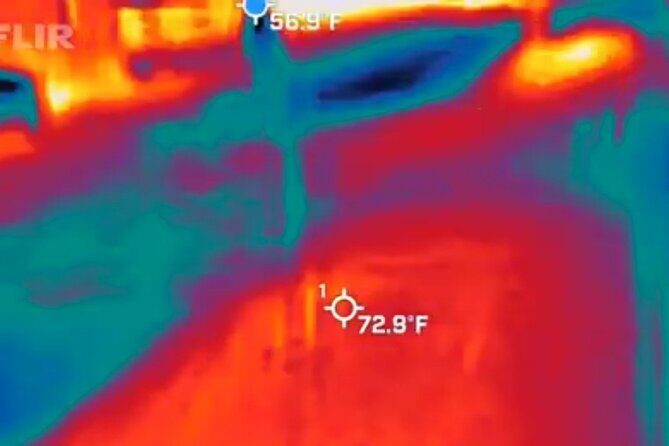
This experience includes access to the data recorded during your investigation. That’s not just a vague promise. You receive all media collected: audio, video, imagery, plus very extensive notes.
That “all collected” part is a key reason the tour feels different from many ghost walks. The tour doesn’t end with you hearing a story and leaving with goosebumps. It ends with material you can review, compare, and interpret later.
Also, your guide provides fast reporting: the format is designed for you to have a usable read on what was captured soon after the session. If you like processing information instead of only reacting emotionally, you’ll likely enjoy that part most.
Who This Tour Fits Best (and Who Might Want to Skip It)
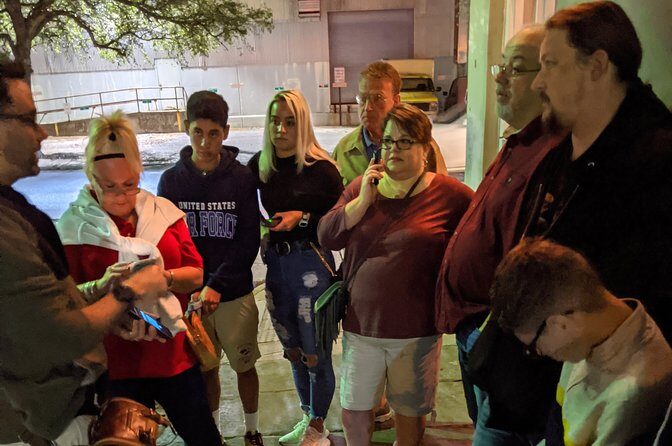
This tour is described as open to all ages, with an emphasis that it’s a good option for families. It’s also said to be open to most travelers, and it’s designed as a small-group night program rather than a huge crowd event.
If you’re the type who likes hands-on activities, you’ll probably have fun with the equipment training and active participation. If you’re a skeptic, you can still get value by treating the night as a structured test: you run devices, you gather outputs, and you decide what makes sense.
The main mismatch is for people who only want a classic scary ghost storytelling format. This is investigation-heavy. It also depends on weather, which leads to one more practical point.
Weather, Walking, and the Real-Life Limits of Night Investigations
This experience requires good weather. If it’s canceled due to poor weather, you’ll be offered a different date or a full refund.
Walking at night is also part of the deal. The tour is clearly positioned as multiple short site stops with comfortable shoe advice. Even if the pace is described as easy in spirit, it’s still a city route, and you’ll be moving enough that you shouldn’t show up in fashion footwear.
Finally, there’s the basic tech reality. Equipment is included and guided, but devices can fail or record less than you hope in one moment or one location. That doesn’t mean the tour isn’t run well. It means you’re playing with real tools in a real environment.
Should You Book This Charleston Ghost Hunter Tour?
If you want a ghost experience that’s more than a route with spooky narration, I think this is a strong booking. The hands-on equipment, the small group, and the fact that you get collected media and extensive notes make it feel like you’re leaving with something tangible, not just a story.
If you want guaranteed thrills, or you’re not comfortable walking at night, you might find it frustrating. Also, if you dislike flexible routes where the plan shifts based on device activity, this style might feel less predictable.
FAQ
FAQ
How long is the Paranormal Investigation in Charleston?
The tour lasts about 2 hours to 2 hours 30 minutes.
What time does the tour start?
It starts at 9:00 pm.
How big is the group?
The experience has a maximum of 12 travelers.
What equipment is provided?
The tour includes ghost hunting equipment, including a thermal imaging camera, and your guide provides tutorials on how to use each device.
Will I get recordings or other data from the investigation?
Yes. You get access to all data recorded during your investigation, including audio, video, imagery, and very extensive notes.
Is the tour open to children and families?
Yes. It’s described as great for families and open to all ages.
Do I need to bring anything?
Wear comfortable walking shoes. Bottled water and insect repellant are not included, so you may want to bring them.
What happens if the weather is bad?
The experience requires good weather. If it’s canceled due to poor weather, you’ll be offered a different date or a full refund.
Can I cancel for a full refund?
You can cancel up to 24 hours in advance of the experience for a full refund. If you cancel less than 24 hours before the start time, the amount paid is not refunded.