REVIEW · CHARLESTON
Boone Hall Plantation Admission & Tour with Transportation from Charleston
Book on Viator →Operated by Adventure Sightseeing · Bookable on Viator
Live oaks and Gullah stories start the day. I like the way this tour mixes a guided front-porch house talk with a deeper, direct look at enslaved life—then adds a live Gullah culture performance that makes the region’s heritage feel real. The rides are handled for you too, so you can focus on the plantation instead of logistics.
My only real caution is timing and walking. This is a ~4.5-hour outing with a fair bit of ground to cover, and the tram/tractor add-on (when available) may not replace the need to move around the site.
In This Review
- Key highlights at a glance
- From Charleston Visitor Center to Boone Hall in one smooth half day
- The 17th-century plantation grounds: what you can do on your own
- The porch house tour: 30 minutes that set the tone
- Slave cabins and the history presentation: the part you shouldn’t skip
- The Gullah culture theater performance: why people remember it
- Gardens, grounds, and that rose garden finish
- Tram tour (when available): helpful, but don’t count on it to replace walking
- The short add-on at the Visitor Center: quick orientation, not a full stop
- Group size and bus comfort: why this matters on a plantation day
- Price and value: what $82 gets you (and what it doesn’t)
- Practical tips so your day feels smoother
- Who should book this Boone Hall tour?
- Should you book Boone Hall Plantation admission with transportation from Charleston?
- FAQ
- How long is the Boone Hall Plantation tour from Charleston?
- Where do we meet and where does the tour end?
- What’s included in the tour price?
- Is the tour fully guided?
- Is food included?
- Is the tour offered in English?
- How many people are in the group?
- What kind of physical activity should I expect?
Key highlights at a glance
- Round-trip air-conditioned bus from the Charleston Visitor Center keeps the day easy
- Period-costumed house guide starts on the front porch with a focused, guided talk
- Slave cabin and history presentation gives context beyond the postcard view
- Seasonal Gullah performance is the standout cultural piece of the itinerary
- Self-guided gardens and grounds let you linger at your own pace
- Rose garden close to the end is a nice payoff before heading back
From Charleston Visitor Center to Boone Hall in one smooth half day

You start in the right place: 375 Meeting St in downtown Charleston at the Visitor Center area. The tour uses an air-conditioned bus, and the group size stays small (about 15 people), which matters when you’re trying to hear what the guide is saying and also move at a human pace once you arrive.
The drive to Boone Hall is roughly 30 to 45 minutes. On the way, you’re not stuck in silence—you’ll get a bit of history and orientation while you’re heading out, which helps you understand what you’re about to see.
You should also plan for a heat-and-sun reality check. One of the most repeated practical tips from people who did this is to bring water and expect walking time, especially if you go earlier or later when the sun is more intense.
If you're still narrowing it down, here are other tours in Charleston we've reviewed.



The 17th-century plantation grounds: what you can do on your own
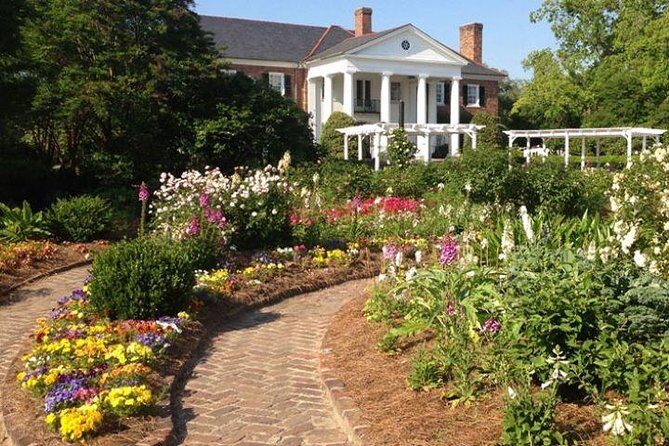
Once you get to Boone Hall, you get the best of both worlds: guided moments where you need context, and self-guided time where you can wander and set your own rhythm.
The site is described as one of America’s oldest working, living plantations. You’ll see the working landscape in a way that feels different from many “staged” historic sites, because Boone Hall has continued operations through the years.
The biggest reason this part works is simple: gardens and grounds are where you can slow down. You’re not rushing between rooms like a museum sprint. Instead, you can take a breather under the live oaks and then choose what to focus on before the next presentation.
The porch house tour: 30 minutes that set the tone
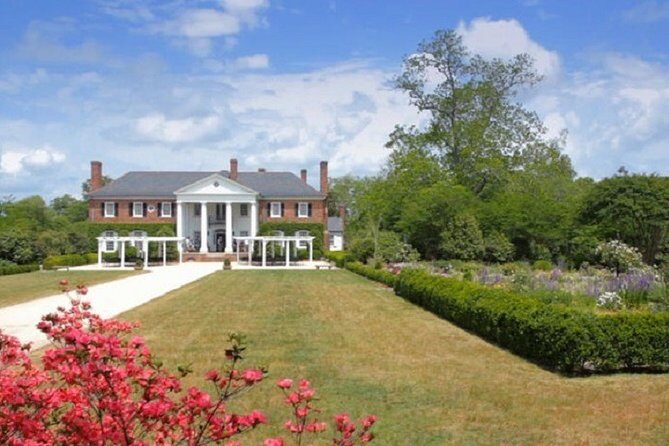
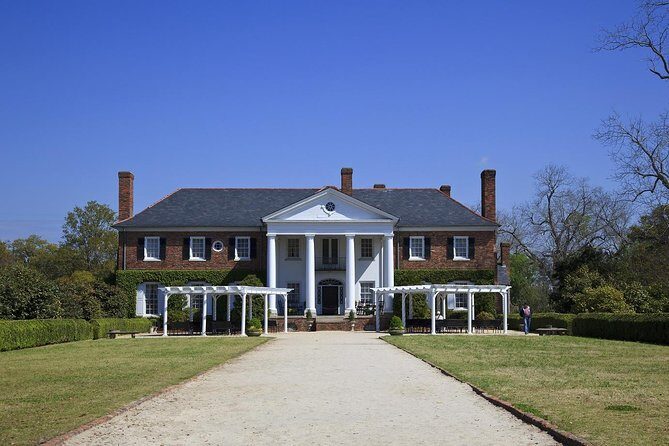
The guided house tour is short—about 30 minutes—but it’s structured to give you a clear beginning. You start at the front porch for a half-hour presentation by a guide in period costume, focused on the hall and its long timeline.
Here’s a key nuance that’s worth knowing ahead of time: the plantation land goes back much farther than the main house structure. People who visited noted that the house itself is less than a hundred years old, and it’s not the Civil War-era building many people assume. That doesn’t mean the tour is a letdown—it means you should think of it as learning how the property evolved, not as seeing a perfectly preserved 1800s house.
You’ll also get a guided look at how the plantation moved through several owners since the late 1600s. Even in a short presentation, the goal is to connect the big picture: what the plantation was, how it operated, and how that story continued.
Slave cabins and the history presentation: the part you shouldn’t skip
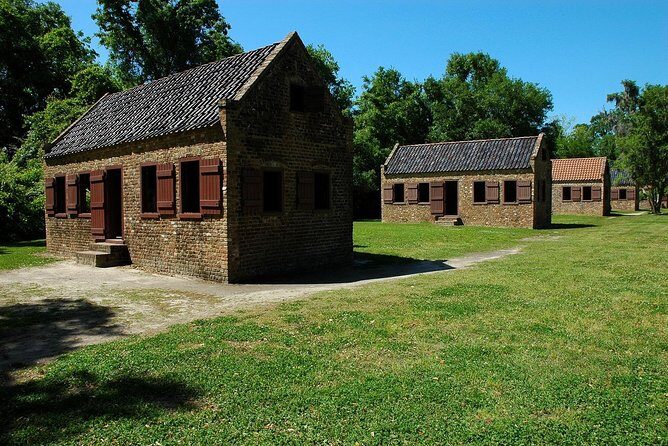
This is the emotional core of the day. You’ll visit the slave cabin area and hear a history presentation about the lives of enslaved people who lived at Boone Hall.
What makes this piece valuable isn’t just the subject matter; it’s the way it’s integrated into the visit. Instead of treating enslaved history as a side note, it’s given real time and real space within the tour flow.
Expect it to feel heavy. More than one visitor called the cabin visit emotional. If you’re the kind of person who prefers to process carefully, build in that mental space—don’t try to do it while half-distracted by your phone or rushing to catch the next stop.
The Gullah culture theater performance: why people remember it
If you ask me what you’re most likely to remember a week later, it’s the live Gullah presentation. Boone Hall offers a seasonal performance focused on Gullah culture—descendants of Africans in this region—and it’s performed by a costumed performer.
Why this matters: plantation history can get stuck in dates and property details. The Gullah element pulls the story into culture—language, music, and lived tradition—so you understand the legacy didn’t end with emancipation. People consistently mention the performer as a highlight, with the Gullah presentation singled out as the best part of the tour.
One helpful planning note: try not to arrive at the Gullah portion already tired. It’s often the main reason people book, so give it your attention.



Gardens, grounds, and that rose garden finish
After the guided components, you get self-guided time to explore the gardens and grounds. This is where the plantation becomes a feast for your senses—especially the classic live oak look with Spanish moss, and the long, scenic approaches people rave about.
Then, toward the end, you’ll wrap with a visit to the Boone Hall rose garden. The rose bushes there are described as more than a century old, which makes your last stop feel purposeful rather than like a rushed afterthought.
If you’re traveling with someone who just wants pretty scenery, this is where you’ll find common ground. The trick is to keep the emotional pieces in perspective earlier, so the beauty doesn’t feel like you’re dodging the hard history.
Tram tour (when available): helpful, but don’t count on it to replace walking
A tram tour may be available based on the day and conditions. When it’s offered, it’s listed as part of what you may get during the visit.
Here’s the practical caution from on-the-ground experience: if you need a tram/tractor stop at every landmark, don’t assume it will function like hop-on, hop-off transportation around the entire property. Some people found that the tram/tractor storytelling didn’t always pause at every point they expected.
So think of it as a bonus way to see and listen, not as a guaranteed substitute for getting around. If you have mobility concerns, treat the moderate fitness requirement seriously and bring a backup plan for getting where you need to go.
The short add-on at the Visitor Center: quick orientation, not a full stop
There’s a final, smaller timing block built around the Charleston Visitor Center. It’s essentially time at the starting meeting point area—handy for a restroom break, a quick look around, and grabbing essentials before you head back into town.
The value here is mostly logistical: easy access, clear departure point, and no extra transfers. It’s not a major sightseeing segment, so set expectations accordingly.
Group size and bus comfort: why this matters on a plantation day
This tour caps at 25 travelers and is often described as small-group (around 15). That size is meaningful for two reasons.
First, the bus ride feels less chaotic, and you’re more likely to hear the pre-plantation talk from the driver. Second, once you arrive, you’re not constantly waiting for a large crowd to catch up—so you actually get your time where it counts.
The buses are air-conditioned, which is a lifesaver in Charleston’s summer heat. If you’re sensitive to heat, this is a real quality-of-life point, not a small detail.
Price and value: what $82 gets you (and what it doesn’t)
At $82 per person for a roughly 4.5-hour outing, this isn’t an impulse-buy price. But it can be a strong value because you’re paying for transportation plus admission and guided components, not just entry.
Included value you’re getting:
- admission/gate fees for the plantation experience
- round-trip transportation from downtown Charleston
- a guided house tour with a front-porch talk
- slave cabin/history presentation components
- a Gullah performance
- self-guided gardens and grounds time
- a tram option if available
What’s not included: food and drinks. You can purchase snacks and drinks at the plantation, but plan to budget extra if you’ll need lunch or water.
My take: if you’re staying in Charleston and want a focused half-day without renting a car, this price is easier to justify. If you already have a vehicle and don’t care about guided storytelling, you could compare against self-booked admission. But if you want the bus ride handled and the cultural and historical parts organized for you, $82 starts to look fair.
Practical tips so your day feels smoother
A plantation tour is a mix of standing, walking, and listening. You’ll enjoy it more if you prepare like it’s a small day hike with a history lecture attached.
A few things to do before you go:
- Wear shoes that can handle walking on uneven ground.
- Bring water, especially on hot days. People repeatedly warn to hydrate.
- Bring sun protection. You’ll spend time outdoors even with the guided segments.
- If you’re trying to see everything (house + cabins + Gullah + gardens), don’t plan extra delays right after each talk.
Also, think about what you want most. If you’re here for scenery and “old South” vibes, the live oaks and gardens deliver. If you’re here for uncomfortable history and cultural context, prioritize the slave cabin content and don’t rush through it. The Gullah performance usually becomes the emotional and cultural glue holding the day together.
Finally, check the weather mindset. The experience requires good weather; if conditions aren’t right, you’ll be offered a different date or a refund.
Who should book this Boone Hall tour?
I’d point you toward this tour if you want:
- a half-day plan from Charleston without driving yourself
- both guided history and self-guided exploring
- a live Gullah performance as a core part of the experience
- a small-group atmosphere on a long outdoor day
It’s also a good fit for couples and groups who want structure but don’t want to be herded nonstop. On the other hand, if you want minimal walking or you expect tram service to function as full landmark-by-landmark transport, you should plan carefully and consider alternatives.
If you’re a history buff who hates assumptions, come with the right expectation about the main house. You’re learning how the plantation property evolved, not touring a perfectly preserved one-period structure.
Should you book Boone Hall Plantation admission with transportation from Charleston?
Yes—if you want a guided, culturally focused plantation visit that’s easy to access from downtown Charleston. The strongest reason to book is the combination: the house porch talk, the slave cabin/history presentation, and the Gullah theater performance, all rolled into one smooth half day with air-conditioned bus transport.
Book this when you can handle some walking and you’re ready for the emotional parts of plantation history. If that fits your travel style, you’ll likely leave with more than photos—you’ll leave with a fuller, harder-to-forget picture of the people and culture connected to this place.
FAQ
How long is the Boone Hall Plantation tour from Charleston?
It runs about 4 hours 30 minutes, including the bus ride to and from Boone Hall and the time spent on the plantation.
Where do we meet and where does the tour end?
You meet at 375 Meeting St, Charleston, SC 29403. The activity ends back at the same meeting point.
What’s included in the tour price?
The price includes admission and gate fees, round-trip transportation by air-conditioned bus, a professional driver, a guided house tour (front porch), historic slave cabin/history components, a Gullah theater presentation, and self-guided time in the gardens and grounds. A tram tour may be available based on conditions.
Is the tour fully guided?
Not fully. You get guided presentations for the house and the history/culture components, plus self-guided time to explore the gardens and grounds.
Is food included?
No. Food and drinks are not included, though snacks and drinks can be purchased at the plantation.
Is the tour offered in English?
Yes, it’s offered in English.
How many people are in the group?
The tour has a maximum of 25 travelers, and it’s commonly run as a small group around 15 people.
What kind of physical activity should I expect?
You should have moderate physical fitness. The experience involves walking around the plantation grounds, including time outdoors. Service animals are allowed.