REVIEW · CHARLESTON
Charleston: Old Walled City Historical Walking Tour
Book on GetYourGuide →Operated by Charleston Old Walled City Walking Tours · Bookable on GetYourGuide
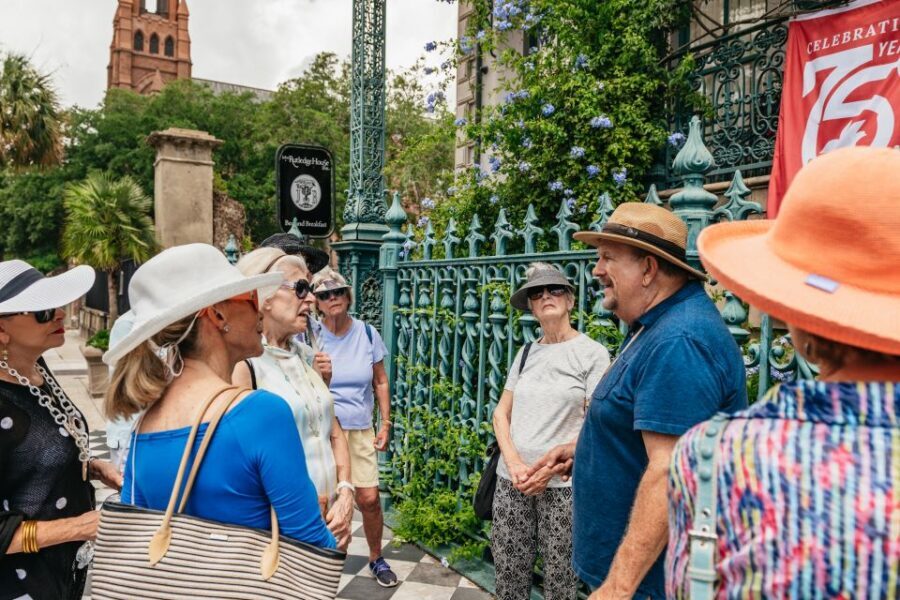
Charleston history walks with you. This Old Walled City walking tour turns street corners into cause-and-effect stories, and it’s led by a 7th-generation Charlestonian guide (people like Bruce and Al show up in past groups). I love the way you get insider context for landmarks you’d otherwise just photograph, and I love how the guide ties together colonists, piracy, and rice planters with the city’s ups and disasters. One watch-out: it’s still a 2-hour walk, and the pace can feel info-heavy if you prefer slower conversation.
You start on cobblestones at the corner of Meeting Street and Chalmers Street, then work your way through major photo and sightseeing stops like the French Quarter, Dock Street Theatre, the Old Exchange & Provost Dungeon, Waterfront Park, Rainbow Row, and St. Michael’s Episcopal Church. Along the way, you’ll hear why Charleston’s walls mattered, and you’ll also hear the hard part: seven major fires, hurricanes, epidemics, sieges and bombardments, plus a devastating earthquake.
For the price (about $31 per person), this is a strong first-day activity. You’re paying for a professional live guide and a structured route through key sights, not just a stroll. If you’re sensitive to sound, plan to stand where you can hear clearly, since one past visitor noted a guide’s voice could drop at times.
In This Review
- Key highlights worth putting on your radar
- Why Charleston’s walled layout changes how you see everything
- The 2-hour walking rhythm: how the route flows
- Stop-by-stop: what you’ll see and what to listen for
- Starting at Meeting Street and Chalmers: cobblestones set the tone
- French Quarter: the long photo + storytelling stretch (about 50 minutes)
- Charleston County: context as you move deeper into the story
- Dock Street Theatre: a brief visit, but a strong landmark
- Old Exchange & Provost Dungeon: where the city’s harsher chapters show up
- Waterfront Park: a scenic breather plus a big-picture reset
- Rainbow Row: classic photos, timed just right (about 7 minutes)
- St. Michael’s Episcopal Church: a final landmark with real weight (about 12 minutes)
- The story themes that make this tour feel different
- Disasters are not a footnote here
- You’ll also hear how symbols and memorials communicate
- Price and value: why $31 can make sense
- Who this tour fits best (and who should choose something else)
- Practical tips so you enjoy the walk more
- Should you book the Charleston Old Walled City Historical Walking Tour?
- FAQ
- How long is the Charleston Old Walled City Historical Walking Tour?
- Where does the tour start?
- What sights are included on the walk?
- Is the tour guide English-speaking?
- What should I bring for the tour?
- How much does the tour cost?
- Can I cancel for a refund?
Key highlights worth putting on your radar
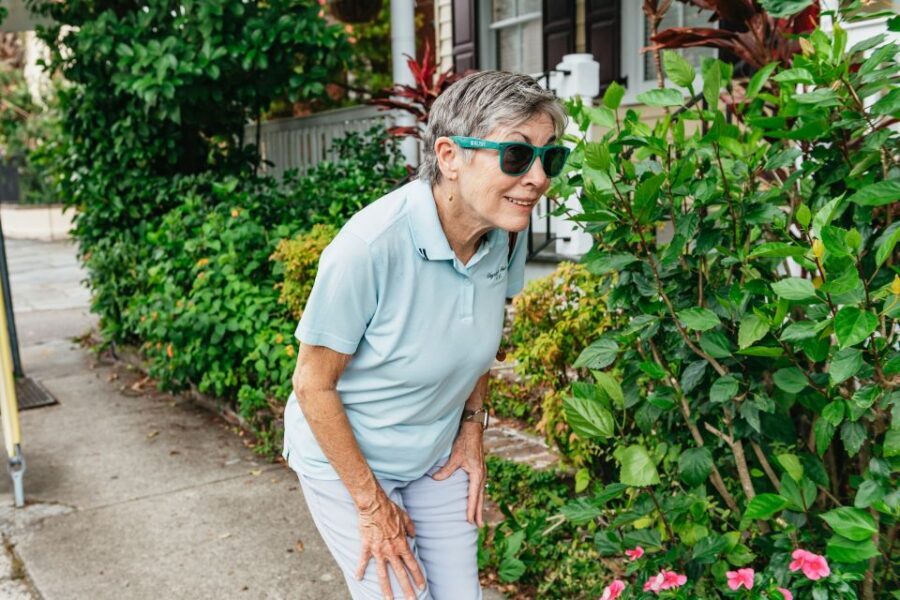
- A local, multi-generation perspective: Guides like Bruce and Al bring Charleston details from lifelong connection, not just a script.
- The walled-city focus: You’ll learn why Charleston’s “only English, walled city in North America” status shaped what grew and what survived.
- Disaster history, explained clearly: Fires, hurricanes, epidemics, sieges, bombardments, and a major earthquake are part of the story arc.
- Landmarks in a tight 2-hour loop: You’ll hit classic stops like Rainbow Row and St. Michael’s Episcopal Church without wasting time.
- A guide who tells the why: The best moments are when the guide connects buildings, people, and events into one timeline.
- Bring your walking shoes: You cover a substantial amount of ground, so comfortable shoes matter.
Why Charleston’s walled layout changes how you see everything
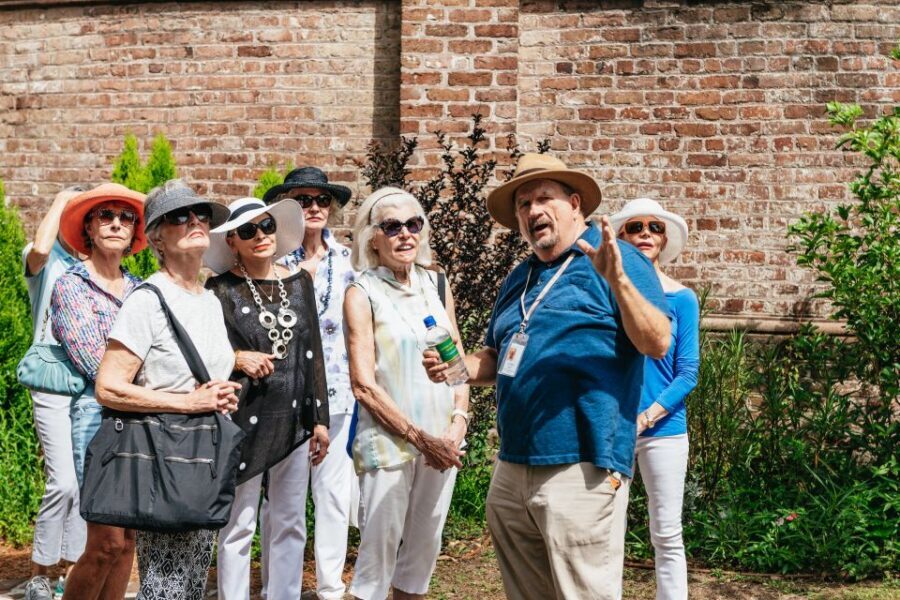
If you’ve ever wondered why Charleston seems so carefully arranged—why streets curve, why certain buildings feel positioned for a reason—this is the tour that gives you the answer.
Charleston’s big claim to fame here is that it was the only English, walled city in North America. Those walls weren’t decoration. They affected how the city functioned, how it defended itself, and how life unfolded block by block. When you learn this early, everything you see later clicks faster: the mix of older and newer sections, the way the city rebuilt after catastrophe, and why certain historic sites carry emotional weight.
The tour also treats history like it has chapters, not just dates. You hear about colonial roots and the rise of major fortunes, but you also hear about the city’s rougher eras—the age of piracy and the later rice planters who turned wealth into enduring influence. That’s where the walking becomes more than sightseeing. You’re not memorizing facts. You’re building a mental map of how Charleston got to where it is today.
Other walking tours we've reviewed in Charleston



The 2-hour walking rhythm: how the route flows

This walk is built like a morning (or early afternoon) “get your bearings fast” outing. The full experience runs about 2 hours, with a stop-and-stroll cadence that keeps you moving while still giving enough time to hear stories.
You’ll start at the meeting point on the sidewalk at Meeting Street and Chalmers Street (right by the cobblestones). From there, the route works in clusters:
- a longer first stretch for orientation and early stories,
- then a set of shorter photo stops for big-ticket landmarks,
- and a final return to the start area.
The stops with set time in the route include a longer early segment in the French Quarter (about 50 minutes) and shorter targeted visits such as Dock Street Theatre (around 15 minutes), Old Exchange & Provost Dungeon (about 12 minutes), Waterfront Park (around 15 minutes), Rainbow Row (about 7 minutes), and St. Michael’s Episcopal Church (about 12 minutes). In other words, you don’t get stuck in one place too long—but you also don’t rush past the key photos.
If you like architecture and storytelling, this timing is ideal. If you’re not into walking or you hate standing for photos, you may find the schedule demanding. The upside: the guide keeps the walk purposeful, so you’re almost always learning something new at each stretch.
Stop-by-stop: what you’ll see and what to listen for
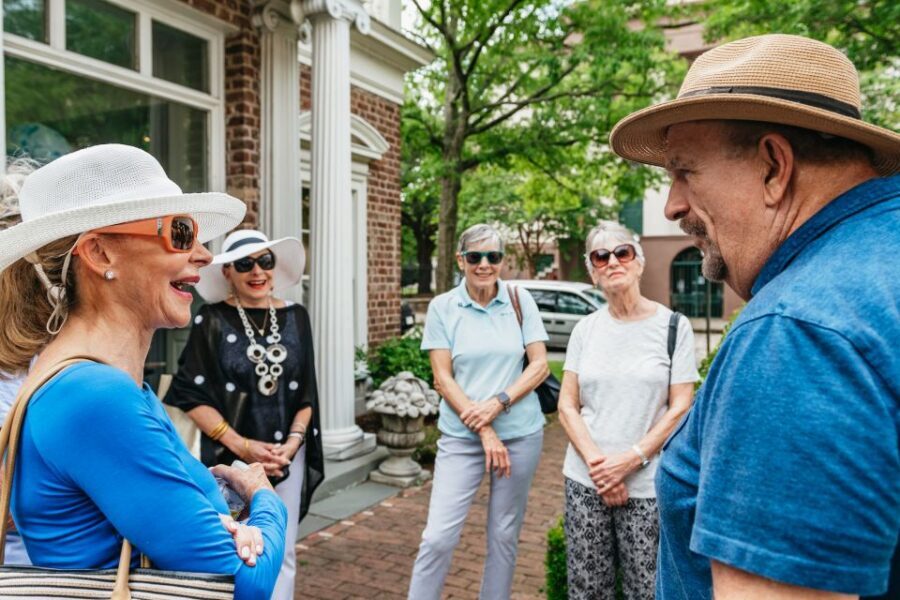
Here’s how the tour typically unfolds, and what each location is really doing for your understanding of Charleston.
Starting at Meeting Street and Chalmers: cobblestones set the tone
You meet at the corner of Meeting Street and Chalmers Street, a classic starting point for the historic grid. Right away, you get the “walled-city” feel underfoot—cobblestones, old street lines, and that sense that the city was built for people to move through it slowly.
This first segment matters because it sets expectations for the guide’s style. Past groups have credited guides like Eric Wright (including notes about linking the stories to where people are from) and Kent for making the narrative personal. That tends to happen early: you get a framework for what you’re about to see.
French Quarter: the long photo + storytelling stretch (about 50 minutes)
Next comes the French Quarter. Expect a mix of walking, sightseeing, and a photo stop, with about 50 minutes devoted to this area. This is where you’ll hear the bigger storyline—colonial roots, a city shaped by growth, and the early forces that made Charleston important.
This is also where the guide’s “local perspective” tends to shine. Names like Bruce and Al show up in past comments as standout narrators, and the common thread is that they don’t just point at buildings. They explain why these streets mattered and how the city’s identity formed.
One detail to pay attention to as you go: the guide includes human texture, like how everyday life and major events overlapped. That makes the French Quarter feel less like a backdrop and more like the front row of the city’s story.
Other city tours we've reviewed in Charleston



Charleston County: context as you move deeper into the story
You’ll stop with another photo and sightseeing segment at Charleston County, South Carolina. This one is shorter, but it helps anchor the walking route in a wider “what shaped the city” context rather than only focusing on individual buildings.
If you like history that explains cause and effect, this is a useful pause. It helps you understand that Charleston wasn’t isolated. Its story connected to the broader region, and those connections show up later when you hear about trade, wealth, and rebuilding after disasters.
Dock Street Theatre: a brief visit, but a strong landmark
At Dock Street Theatre, you’ll spend about 15 minutes. The pattern here is clear: quick photo stop, then a guided look to help you connect the landmark to the city’s long timeline.
Even if you’re not a theater person, the value is the guide’s ability to place it in the bigger Charleston story—how public spaces reflect the city’s priorities over time. This is the kind of stop that’s short by design, so you keep momentum through the walking loop.
Old Exchange & Provost Dungeon: where the city’s harsher chapters show up
Next is Old Exchange & Provost Dungeon, with about 12 minutes of photo and sightseeing time. This stop is one of the most emotionally loaded locations in the route name alone, and that’s usually what the guide leans into.
What I like about a stop like this is that it adds balance. It’s not only pretty churches and colorful façades. You also get a sense of how power worked in Charleston, and how people were treated when the city was enforcing order.
If you’re the type who wants history that includes the hard stuff, this is a key reason to choose this tour.
Waterfront Park: a scenic breather plus a big-picture reset
You’ll move to Waterfront Park for about 15 minutes, with photo stops and scenic views along the way. This section works as a reset button. You get open-air views, and you also get time to let the narrative sink in without constantly stopping for explanations.
It’s also a great moment to ask yourself what changed after major setbacks. When you hear about seven major fires and other disasters, it can feel abstract. Then you look around and realize how the city’s layout and survival instincts still show up in what’s around you.
Rainbow Row: classic photos, timed just right (about 7 minutes)
Next is Rainbow Row, a quick stop of about 7 minutes. This is intentionally short. It’s your “get the photo, get the meaning” moment.
The guide’s job here is to keep it from being a purely visual stop. Instead of treating Rainbow Row like only a postcard, you’ll get the story of why this look belongs to Charleston’s rebuilding and identity over time.
If you’re eager for the best angle, arrive ready to move quickly. The time window is tight, but the rest of the tour keeps you from feeling rushed overall.
St. Michael’s Episcopal Church: a final landmark with real weight (about 12 minutes)
The last big stop is St. Michael’s Episcopal Church, with about 12 minutes of sightseeing. This is where architecture and spirituality meet Charleston’s history in a way that’s easy to notice.
Pay attention to the guide’s framing of the church as part of the city’s long arc. This tour includes tough topics, so it’s useful to end on something that shows continuity—how communities express faith and stability even when history keeps breaking things.
After this, you return to the starting area near Shop Historic Charleston.
The story themes that make this tour feel different
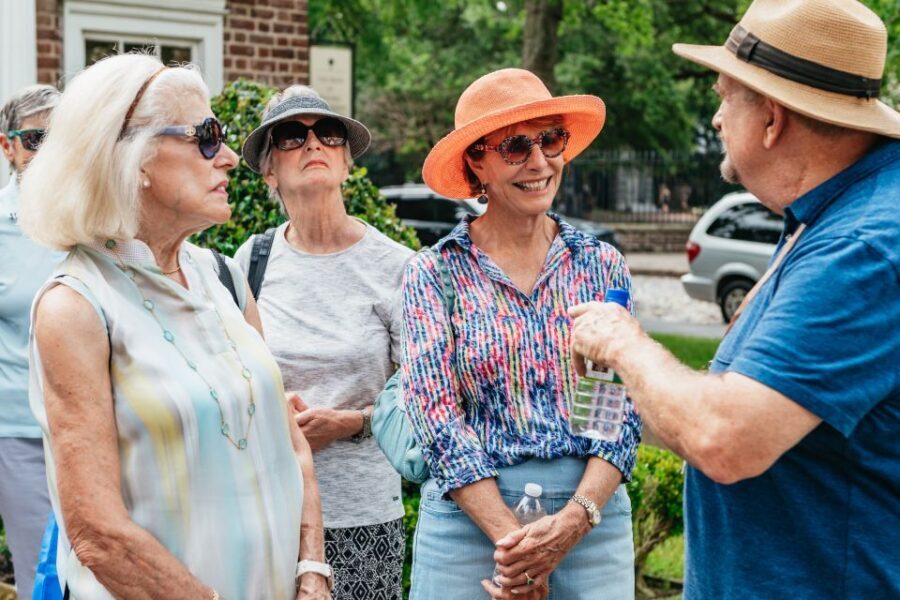
Plenty of walking tours show you famous streets. This one earns its price by focusing on the forces that changed Charleston again and again.
Disasters are not a footnote here
The guide covers the city’s major disasters and how they shaped daily life and the built environment. That includes seven major fires, hurricanes, epidemics, sieges and bombardments, and a devastating earthquake.
You’ll hear this not as doom-and-gloom, but as explanation. Why certain choices were made. Why rebuilding happened. Why the city’s identity evolved. If you’re the kind of person who likes history that helps you understand what exists now, this disaster thread is the hook.
You’ll also hear how symbols and memorials communicate
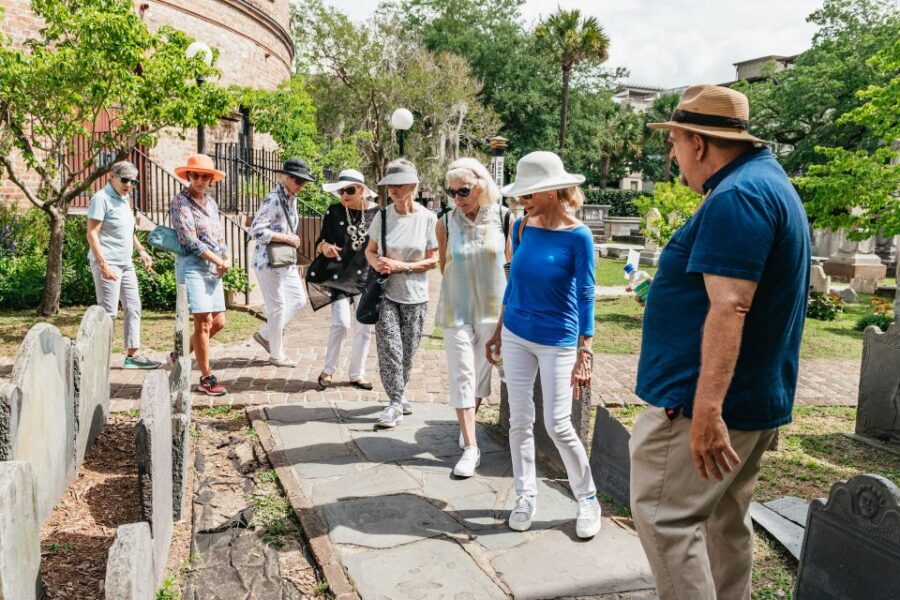
One of the more distinctive moments in the tour concept is learning to read symbols on tombstones. That’s a small action, but it makes the past feel specific. Instead of only listening, you’re meant to look and interpret.
If you’ve never paid attention to funerary symbols before, you’ll likely start seeing them as a language the city used to explain values, faith, and community ties.
Price and value: why $31 can make sense
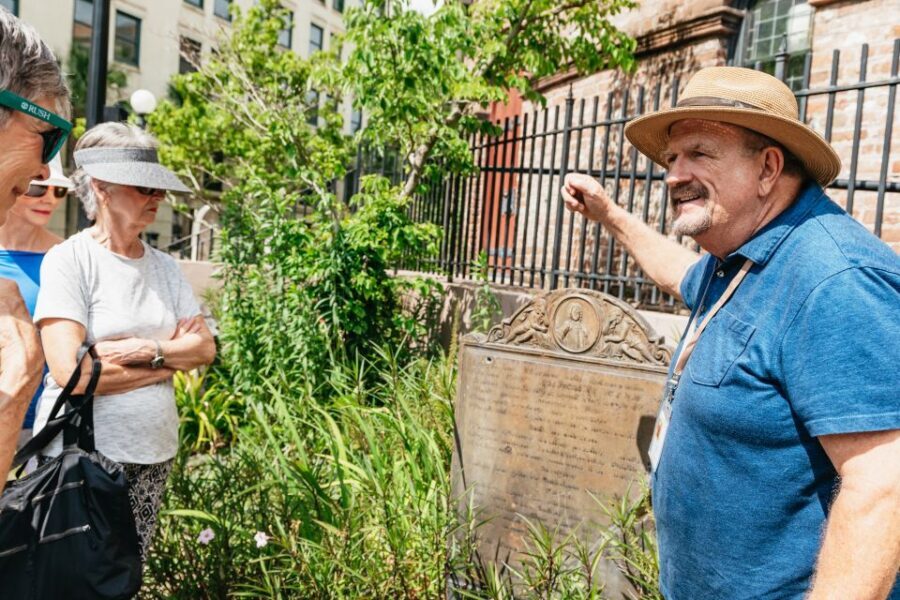
At $31 per person for about 2 hours with a live professional guide, value comes from three places:
- You’re not paying only for access to sights. Many stops are outward-facing photo and sightseeing points, but the guide’s storytelling is the product.
- You get a structured route. It saves time figuring out what to see first. The walk is designed so you cover multiple signature places in one run.
- You get local narrative depth. Past visitors highlighted guides like Alfred Ray, Al, Eric, Eric Wright, and Bruce for story delivery and detailed context. That kind of narration is what turns a list of landmarks into a real visit.
The one “value risk” is the same for all walking tours: if you don’t like walking and if you need frequent breaks, you’ll feel the cost more sharply. But if you’re comfortable on foot, this is a practical way to understand Charleston early in your trip.
Who this tour fits best (and who should choose something else)
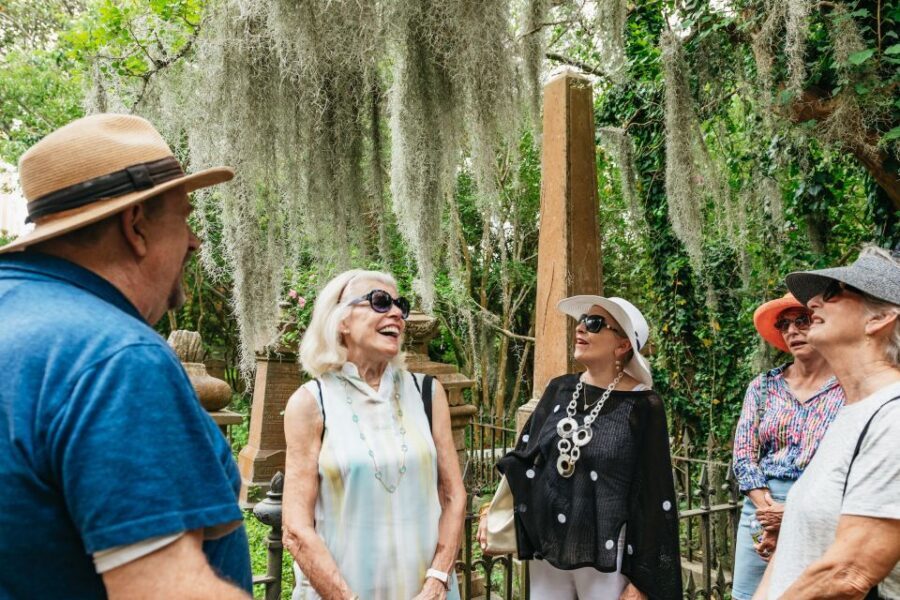
This tour is a great match if you:
- want a first-day orientation to Charleston’s historic layout,
- enjoy history that includes the tough eras (fires, epidemics, sieges),
- like architectural and landmark context, not just captions,
- want a local guide voice—people repeatedly mention long-time Charleston connections.
It may be less ideal if you:
- struggle with long walking stretches and standing time,
- strongly prefer slower pace or minimal talking,
- need extra accessibility accommodations (the tour states there’s substantial walking).
If you’re traveling with kids, you might still enjoy it, but keep expectations realistic: this is history talk on your feet, not a museum-style sit-down.
Practical tips so you enjoy the walk more
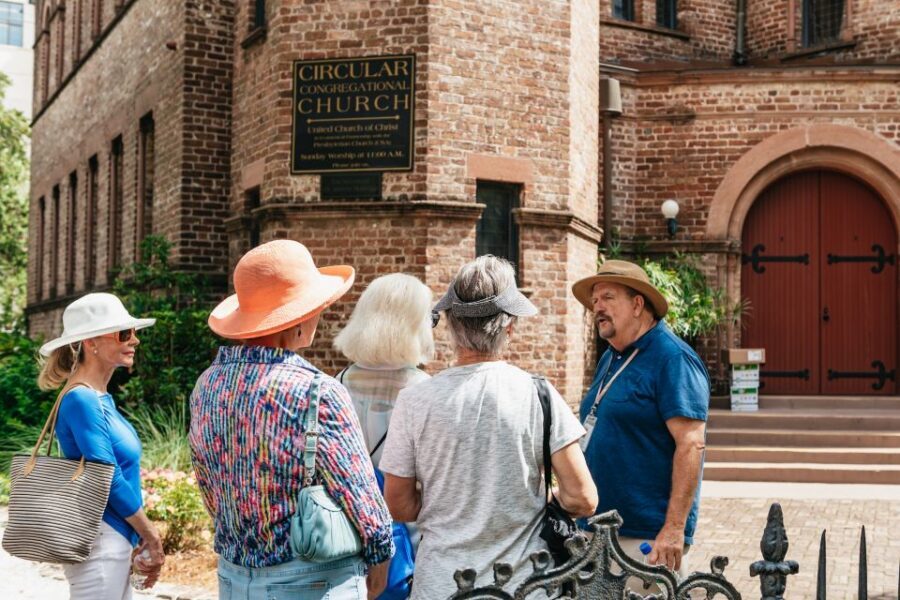
This is the kind of tour where small choices matter.
Bring comfortable shoes, water, and sunscreen. Dress for the weather because you’re outside and moving. If you know you get tired standing, plan a slower pace at the photo stops and keep a steady rhythm with the group.
And if hearing is a concern for you, position yourself where you can see the guide’s face and hear their voice. One past visitor noted the guide’s voice could trail off or get lower at times, so your spot in the group can matter.
Should you book the Charleston Old Walled City Historical Walking Tour?
Book it if you want a quick, focused way to understand why Charleston looks the way it does and why its past keeps resurfacing in its landmarks. The route is tight, the guide storytelling is the point, and the disaster-and-rebuilding theme gives you a stronger grasp than a purely scenic walk.
Skip it (or pair it with something else) if you don’t like walking, if you need lots of seated time, or if you mainly want high-level surface facts. In those cases, you’ll likely want a slower option.
If you’re planning your first trip to Charleston and want to get it fast—this is a solid pick.
FAQ
How long is the Charleston Old Walled City Historical Walking Tour?
The tour lasts about 2 hours.
Where does the tour start?
Meet on the sidewalk at the corner of Meeting Street and Chalmers Street (the cobblestone street).
What sights are included on the walk?
You’ll see stops such as the French Quarter, Dock Street Theatre, Old Exchange & Provost Dungeon, Waterfront Park, Rainbow Row, and St. Michael’s Episcopal Church.
Is the tour guide English-speaking?
Yes, the live tour guide speaks English.
What should I bring for the tour?
Bring comfortable shoes, sunscreen, and water, plus weather-appropriate clothing.
How much does the tour cost?
The price is listed at $31 per person.
Can I cancel for a refund?
Yes. Free cancellation is available up to 24 hours in advance for a full refund.