REVIEW · CHARLESTON
Charleston: 90-Minute Ghost and Dungeon Walking Tour
Book on GetYourGuide →Operated by Bulldog Tours · Bookable on GetYourGuide
Ghost stories in Charleston come with receipts. On this 90-minute night walk, you move through the historic district where superstition, churches, and old prisons all share the same streets. You also get a guided visit to the Provost Dungeon and the Old Exchange, so the chills come with context, not just spooky noise.
I like two things a lot here. First, the tour uses Charleston’s own layout—the back alleyways and church stops—to explain why the city is nicknamed the Holy City. Second, the dungeon and exchange stops connect big eras of the city’s past in a way that feels easy to follow: confinement, wartime prisoners, and the economic origins linked to the Old Exchange.
One consideration: you’re still on a walking tour at night, and Charleston streets can be uneven. Bring good shoes and expect a steady stroll even if you want more jumpy, graveyard-style scares.
In This Review
- Quick hits
- Why a ghost tour works better when it’s also a dungeon tour
- Meeting at 18 Anson Street and setting the pace
- Holy City streets, churches, and the logic behind the legends
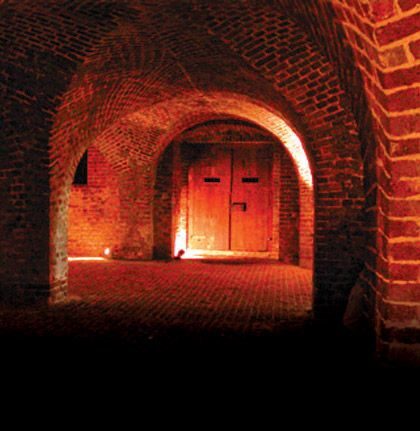
- The Provost Dungeon: where the stories feel physical
- Old Exchange: the economic story behind the spooky reputation
- The guides make or break the night
- How spooky is it, and what you should pack
- Value: is $40 for 90 minutes fair?
- Who should book this tour (and who might skip it)
- Should you book the Charleston Ghost and Dungeon Walking Tour?
- FAQ
- Where does the tour start?
- How long is the Charleston Ghost and Dungeon walking tour?
- What sites will I visit during the tour?
- Is food or drinks included?
- Does the tour run in rain?
- Is the tour accessible for people with disabilities?
Quick hits
- Provost Dungeon: stories tied to prisoners of war and other harrowing confinement.
- Old Exchange: learn the economic origins of the building, not just its spooky reputation.
- Holy City theme: churches and nearby streets help explain why Charleston earns that nickname.
- Lowcountry superstition: ghost lore and local beliefs are part of the route.
- Strong guides: the experience rises or falls with the person leading it, and the tour has a solid track record.
Why a ghost tour works better when it’s also a dungeon tour
Charleston does ghosts differently. Here, the city’s past isn’t a backdrop you glance at while passing by. It’s built into the stone, the layout, and the places you actually stop.
This tour leans into that idea by pairing spooky storytelling with two real anchor sites. The Provost Dungeon is the center of the action. The Old Exchange gives you a second layer: a sense of how the city’s economy and power connected to the buildings you’re walking through now. That mix is why this feels more like a guided night history walk than a costumed performance.
And the “ghost” part isn’t detached from place. The stories are tied to Charleston’s low country culture—its beliefs, its rituals, and the kind of fear that grows when the past stays close at hand.
Other walking tours we've reviewed in Charleston



Meeting at 18 Anson Street and setting the pace
The tour meets at 18 Anson Street, Charleston, SC 29401. If you arrive a few minutes early, you’ll have time to settle in before the walking starts.
One thing I appreciate is that the pace is leisurely. You’re not speed-walking across town between quick photo stops. It gives you room to actually hear the guide and connect what you’re seeing to what you’re being told.
The route is designed for a nighttime walk in the historic district, including back streets and church areas. That’s part of the appeal. But it also means you’ll want to dress for cooler air, uneven footing, and the simple reality that night walking takes a bit more attention.
Holy City streets, churches, and the logic behind the legends
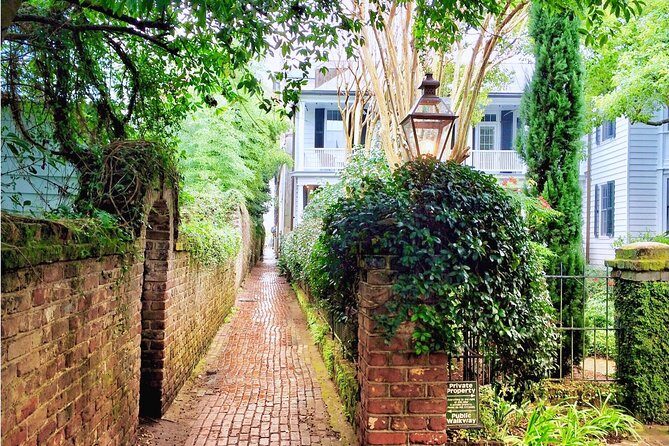
The tour moves through Charleston’s historic district with a clear theme: why this city gets called the Holy City. You’ll spend time on streets, back alleyways, and churches, and the guide ties those locations to the stories.
Here’s what that means for you on the ground. Charleston isn’t just pretty architecture at night. The city’s religious focus and the way people built around community life show up in the stops you make. When the guide explains the superstition, the stories feel more rooted, because you’re standing in spaces that shaped daily life long ago.
The route also leans into lowcountry beliefs—ghost lore and local ways of explaining fear. In practice, that translates into stories that connect to the city’s habits: where people gathered, what they feared, and how the past got passed down. It’s a better approach than random jump scares because it makes you pay attention to details you might otherwise walk right past.
If you care about atmosphere, this is the sweet spot. If you only want gore-level scares, you may find it more thoughtful than frantic. The good news is that the tour still delivers the spooky atmosphere you came for.
The Provost Dungeon: where the stories feel physical
At the Provost Dungeon, the tour shifts gear. This stop is famous for a reason: it’s a real site tied to confinement and wartime history. You’ll learn about the prisoners of war, and the guide also discusses other harrowing realities connected to the building.
What makes the dungeon stop compelling is that it’s not just a setting for ghost tales. It’s a place with structure, limitations, and history you can picture. Even if you’re not an extreme horror fan, the dungeon’s physical nature makes the stories land harder.
You’ll also find that this is where the tour’s spooky reputation becomes tangible. People often talk about photos taken in the dungeon and getting unusual visual results. Some mention orbs or odd movements captured on camera. I can’t promise anything will show up on your device, but the fact that the stop encourages people to test their cameras says a lot about the mood inside.
Practical tip: treat the dungeon visit like a real attraction, not a quick doorway moment. Stand where you can hear your guide, and give yourself a moment before the stories start so you’re not scrambling to find footing in darker areas.
Old Exchange: the economic story behind the spooky reputation
After the dungeon, you shift from confinement to commerce. The tour includes a stop at the Old Exchange, and you’ll learn about the economic origins of the building.
That matters more than you might think. Charleston’s reputation isn’t only about secret passages and haunted alleyways. It’s also about money: trade, power, and how buildings functioned in the day-to-day operations of the city. When you understand that side, the ghost stories feel less random. The legends start to read like rumors that grew in places where important people came and went.
This is also where the tour earns some extra value for you if you like historical “why.” A museum label can tell you what a building is. A guided story can tell you why the building mattered, and why a place that once handled serious business could later become part of a spooky urban legend.
If you’re the kind of person who wants the past explained in plain language, this stop is a good payoff point in the tour. It balances the heavier dungeon content with something that feels like the city’s engine under the hood.





The guides make or break the night
A walking tour lives or dies with the guide, and this one has a long list of standout leads from the people who have taken it. I can’t predict which guide you’ll get, but the pattern is clear: the best tours are built around storytelling skill and historical clarity.
Some examples of names that come up often include Devlin, Jerry, Emma, Nick, Braxton, Sarah, John, Taylor, Keith, Bo, and Bo/Bo-like variants depending on the guide. The common thread is presentation. People note guides who were enthusiastic and funny, and who invited the group into the stories instead of reading facts at you.
That’s also why you should take the “licensed guide” part seriously. It’s not vague reassurance. It means you’re paying for a real person guiding you through real stops and making the route coherent, not just walking with a handout.
If you’re picky about tour style, aim for the option that fits your vibe. This tour is set at a leisurely pace, and the tone is ghost plus history. If you want only maximum horror volume, you might want to look for something more performance-based. But if you want an informed, atmospheric walk where the guide can answer questions, this is the sweet spot.
How spooky is it, and what you should pack
This tour is built around ghosts and lowcountry superstition, but the spine of it is still history. You’ll hear chilling stories, and the dungeon stop adds a stronger spooky feel because it’s physically dark and confined. Reviews and overall feedback suggest the dungeon is the peak moment for scare-factor.
So how scary is it? Expect spooky, not cinematic horror. You might get chills. You might also get more “I can’t believe this actually happened” than “run, scream, repeat.”
For packing, think practical:
- Wear comfortable walking shoes. Charleston sidewalks and streets can be uneven.
- Dress for the weather since the tour runs regardless of rain or shine.
- Bring a small flashlight if you’re sensitive to dark spots, though the guide and street lighting usually handle the basics.
If you’re hoping for perfect photos, don’t bank on it. Low light plus dungeon conditions can make it hard to focus. Still, the dungeon is a place people love trying.
Value: is $40 for 90 minutes fair?
At $40 per person for a 90-minute walking tour, you’re paying for two things: guided storytelling and access to meaningful stops (Provost Dungeon and the Old Exchange). That’s a strong structure for the price.
If you tried to DIY this, you’d spend time sorting out where to go, then you’d likely miss the connections between the Holy City theme, the superstition threads, and the specific prison-and-commerce story lines. The guide fills in those links, and the stops are the main value drivers.
Is it cheap? Not really. But it’s also not trying to be a full-day attraction. It’s a focused evening experience that gives you a quick, guided way to see the city’s scariest corners without feeling lost.
If you want a night activity that feels different from a typical restaurant-and-shopping evening, this is a fair deal. You’re getting a planned route, a licensed guide, and time in two high-interest sites.
Who should book this tour (and who might skip it)
I think this tour fits best if you want:
- A night walk with atmosphere and real historical context.
- A mix of ghost stories and places tied to Charleston’s past.
- A guide who can connect the route theme (Holy City, superstition) to actual buildings and streets.
It may be less ideal if you:
- Want a very intense, purely horror style experience.
- Get tired from walking at night and would struggle with uneven streets.
- Want food included. This tour does not include food or drinks, so plan your meal before or after.
It’s also a good choice for groups. People have mentioned group enjoyment, and a guide-driven walk usually works well for mixed ages and backgrounds, especially if you like asking questions.
Should you book the Charleston Ghost and Dungeon Walking Tour?
I’d book it if you like your ghosts attached to real places and real stories. The combination of street stops tied to Charleston’s Holy City identity plus the Provost Dungeon visit is the main draw. The Old Exchange stop adds a useful balance by explaining the economic story behind the building. At $40 for 90 minutes, it’s priced like a solid guided evening rather than a bargain, but the content density feels worth it.
I would hesitate only if you’re expecting a nonstop thrill ride or a tour that’s designed for frequent graveyard-style “extra spooky” additions. This one works because it’s thoughtful. If that sounds like your kind of night, you’ll probably come away with a new way to look at Charleston’s historic center.
FAQ
Where does the tour start?
The meeting point is 18 Anson Street, Charleston, SC 29401.
How long is the Charleston Ghost and Dungeon walking tour?
The tour lasts 90 minutes.
What sites will I visit during the tour?
You’ll walk through Charleston’s historic district, with stops that include churches and back alleyways, plus visits to the Provost Dungeon and the Old Exchange.
Is food or drinks included?
No. Food and drinks are not included.
Does the tour run in rain?
Yes, the tour operates rain or shine.
Is the tour accessible for people with disabilities?
With advanced notice, the tour can accommodate people with disabilities. Keep in mind Charleston has uneven terrain, and streets, sidewalks, and cemeteries can be uneven.