REVIEW · CHARLESTON
Highlights of Charleston Guided Walking Tour
Book on Viator →Operated by Oyster Point Historic Tours · Bookable on Viator
Two hours, and Charleston feels clear. This guided walk connects the French Quarter and South of Broad in a tight route, so you get the big picture fast while still seeing little corners you’d miss on your own.
I like that the tour hits recognizable highlights and lesser-known religious and residential landmarks, with just enough time at each spot to understand what you’re looking at.
One thing to consider: it’s mostly outdoors and you’ll be standing and walking a lot, so come ready for sun, wind, and a quick pace.
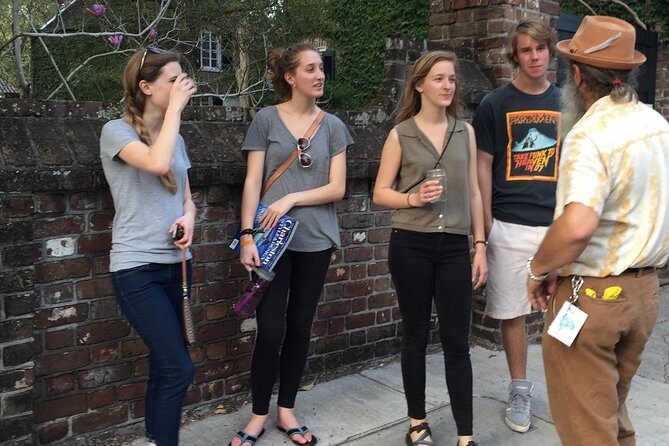
What really makes this work is the guide. If you get someone like Bill Harris (a name that comes up again and again), you’re in for smart, funny, human explanations that tie the buildings to the people who lived through them. The small-group setup (up to 20) also helps the guide keep the flow.
The only drawback I’d flag is time pressure. Each stop is short, and two of the biggest sites have separate admission, so you’ll want to decide in advance whether you’re paying for those moments or saving your budget for photos and street-level stories.
In This Review
- Key Things That Make This Walk Worth Your Time
- Entering Charleston’s Story: Why This 2-Hour Walk Fits
- Meeting at 200 E Bay St and Finishing Near Broad + Meeting
- Stop-by-Stop: St. Philip’s, the Huguenot Church, and the Pink House
- St. Philip’s Church (Free to view)
- French Huguenot Church (Free to view)
- Pink House Gallery (Free to view)
- The Must-See That’s Harder to Face: Old Slave Mart Museum
- Old Exchange & Provost Dungeon: Economic Charleston Gets Real
- Rainbow Row: Photo Moment, Plus the Why Behind It
- How to Pace Yourself: Shoes, Water, Sun, and Short Stops
- Guide Quality Is the Whole Point: Bill Harris and Vanna’s Impact
- Planning Your Own Day Around This 2-Hour Route
- Who This Tour Suits Best
- Should You Book This Charleston Guided Walking Tour?
- FAQ
- How long is the Highlights of Charleston Guided Walking Tour?
- Is the tour in English?
- What’s included in the ticket?
- What isn’t included at the stops?
- Are restrooms available along the route?
- What should I bring with me?
- Is parking available near the meeting point?
- Are pets allowed?
- What happens if there’s bad weather?
Key Things That Make This Walk Worth Your Time
- French Quarter + South of Broad in one connected route that helps you orient fast
- Story-forward guiding that makes landmarks feel tied to real lives, not just dates
- Short stops (around 10 minutes each) so you see more without getting stuck in one place
- Memorable stops for first-timers including Rainbow Row and major historic sites
- Two ticketed stops you can plan for: Old Slave Mart Museum and Old Exchange & Provost Dungeon
- Small group size (max 20) which tends to keep the experience moving
Entering Charleston’s Story: Why This 2-Hour Walk Fits
Charleston can feel like a movie set until someone hands you the plot. This tour is built for that moment. In about 2 hours, you walk through a compact stretch that links the French Quarter’s public life with South of Broad’s grand homes and formal buildings. The result is that you’re not just collecting photos—you’re learning how the city functioned, what people believed, and what happened to those who were exploited.
I like that the pacing is practical. The tour gives you a quick orientation at multiple stops, then keeps moving. That’s great if you’re on a tight schedule or you want to get your bearings before you start exploring on your own.
Other walking tours we've reviewed in Charleston



Meeting at 200 E Bay St and Finishing Near Broad + Meeting
The walk starts at 200 E Bay St and generally ends near Meeting Street and Broad Street (near 71 Broad St). The exact finish can shift based on your group’s speed and the guide’s style, which is normal for a walking tour.
This is a good location for a first stop day because you’re near the heart of the action. You don’t need a car to make it work. The route is also close to public transportation, so you can build the rest of your day around it instead of planning around parking.
If you drive, parking can cost extra, and you’ll still have a short walk from a garage. I’d treat parking as a convenience option, not part of the experience.
Stop-by-Stop: St. Philip’s, the Huguenot Church, and the Pink House
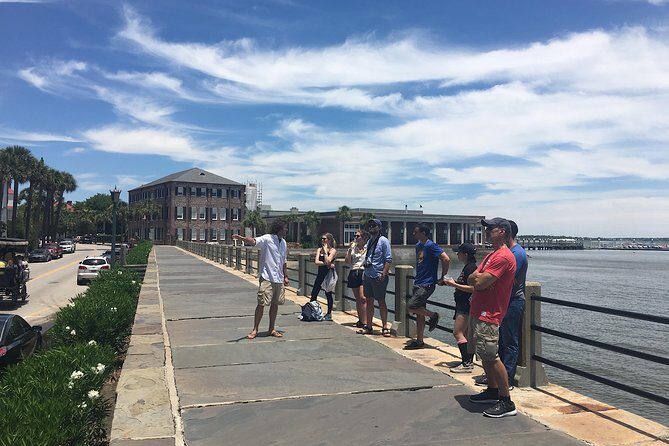
This portion of the walk is where the city starts to make sense—religion, community, and old wealth show up fast.
St. Philip’s Church (Free to view)
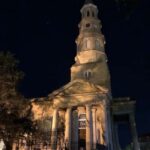
You’ll stop at St. Philip’s Church, known for the historic continuity of its congregation. This is the kind of landmark that feels simple at first glance, but it becomes much more interesting when the guide explains how long certain institutions have shaped Charleston life.
Drawback to note: if you’re hoping for a long look inside, the stop is brief. Plan on seeing the exterior and absorbing the meaning, not touring rooms.
French Huguenot Church (Free to view)
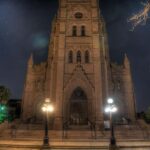
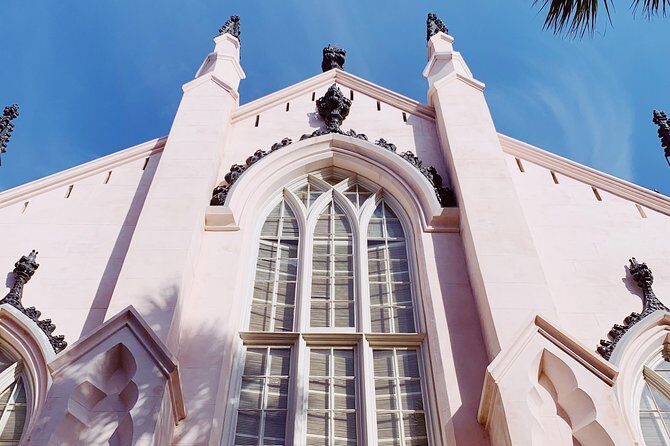
Next is the French Huguenot Church, noted for being the only church of its denomination in North America. That detail matters. It helps you understand Charleston as a city shaped by people who arrived with specific faith traditions—and then built communities that lasted.
Good to know: this stop is also short. You’ll be able to look, but you won’t have time for a slow personal read of every plaque.
Other guided tours in Charleston





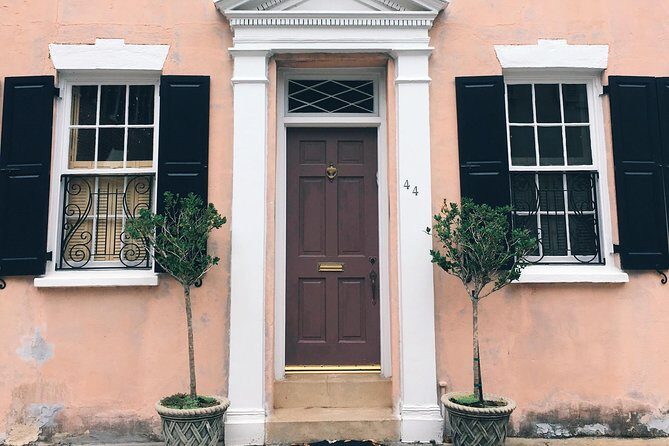
Pink House Gallery (Free to view)
Then you’ll reach the Pink House Gallery, described as the oldest private residence in Charleston. The color helps, but what makes it worth stopping is the idea of continuity: people lived in spaces like this, adapted them, and kept the city’s architectural identity recognizable over time.
A small watch-out: if you like spending extra time in galleries or reading every detail, you may feel the clock. This tour is more about connections than lingering.
The Must-See That’s Harder to Face: Old Slave Mart Museum

One stop stands out for emotional weight: the Old Slave Mart Museum. The site is dedicated to the history of enslaved people in Charleston, and that’s exactly why it belongs in a “highlights” walk. It’s not an optional side note; it’s central to how the city got wealthy and how power operated.
Here’s how to think about it so you don’t feel rushed or unprepared: treat this as the tour’s truth anchor. You’ll look at a real place tied to commerce and human suffering, and the guide’s job is to connect the location to what happened there.
Practical note: admission isn’t included here, so you’ll want to budget for entry if you choose to go inside. Since the stop is about 10 minutes, you may need to decide quickly whether you want the full on-site experience or a shorter look.
If you prefer to process slowly, you can still use the tour time to get context, then return later for a longer visit.
Old Exchange & Provost Dungeon: Economic Charleston Gets Real
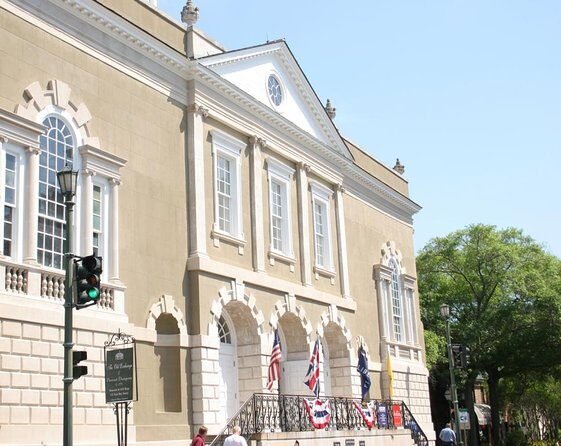
After that, the walk continues to the Old Exchange & Provost Dungeon. This stop is described as the pre-Revolutionary heart of economic Charleston, and the dungeon element is what makes it more than pretty architecture.
This is where “old city” stops being abstract. Economic power, punishment, and control all show up in one place. Even if you’re not a museum person, the conversation around the site can change how you read the surrounding streets.
Like the Slave Mart, admission isn’t included. The tour still gives you the orientation and context so you can make a smart choice:
- If you want to go in, you’ll feel ready.
- If you skip, you’ll still know what the place represented.
Rainbow Row: Photo Moment, Plus the Why Behind It
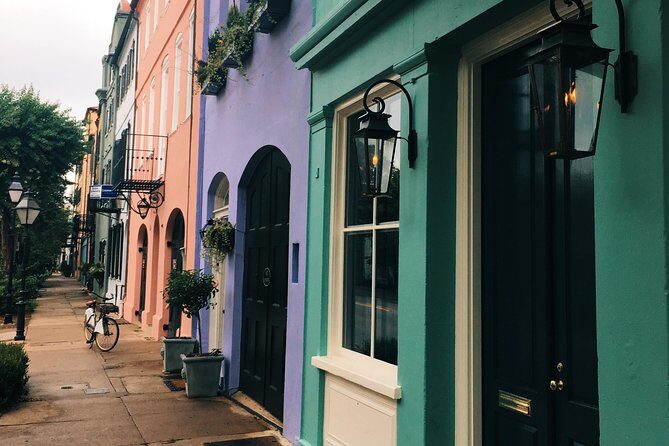
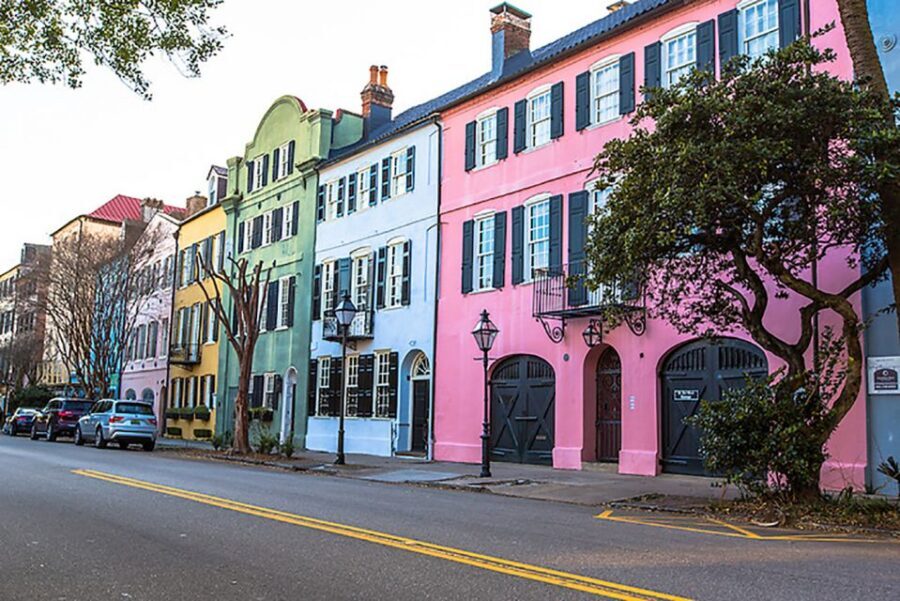
No Charleston highlight list is complete without Rainbow Row—described as the most photographed sight in the city. You’ll likely spend around 10 minutes here, which is exactly enough time to take your photos and understand why the row matters.
What makes Rainbow Row more interesting on a guided walk is the explanation of how the buildings work as part of the city’s public identity. It’s not just pretty street frontage; it’s a symbol of Charleston’s long memory and evolving use.
Timing tip: the area gets busy. If your guide is moving the group efficiently, you’ll still get good photo chances. Just don’t plan on taking a dozen “perfect” shots here unless you’re ready to wait.
How to Pace Yourself: Shoes, Water, Sun, and Short Stops
This tour is almost entirely outdoors. That’s a plus because Charleston streets are part of the show, but it also means you need to manage comfort.
I strongly suggest you bring:
- Comfortable walking shoes (you’ll be on pavement a lot)
- Bottled water (it’s not always available for purchase along the route)
- Sun protection (sunscreen, hats, sunglasses—whatever works for you)
- Rain gear, just in case
Restrooms are not always accessible along the route. Use facilities before you start, and don’t count on finding one at every stop.
Physical fitness wise, the tour asks for moderate physical fitness. This doesn’t mean strenuous hiking, but it does mean you should be comfortable walking continuously for stretches between landmarks.
Guide Quality Is the Whole Point: Bill Harris and Vanna’s Impact
The overwhelming theme from the tour experience is that the guide changes everything. This tour isn’t just a checklist. It’s a guided narrative, and strong guides keep the information clear, truthful, and often funny.
Names that come up a lot include Bill Harris, plus other charismatic historians such as Vanna. When that kind of guide leads, the walking tour feels like a live lesson with personality—especially because the explanations connect architecture and religion to the social and economic forces shaping Charleston.
One practical benefit: if the group’s energy is lively, the guide tends to adapt. That’s why you’ll see people say it feels far more engaging than typical sightseeing. You’re not just standing in front of buildings—you’re learning what to notice when you look again later.
Planning Your Own Day Around This 2-Hour Route
This is the kind of tour that works best early in your Charleston visit, or at least before you’ve wandered too far.
If you do it early:
- You’ll know what neighborhoods you’re in.
- You’ll recognize buildings later without needing to “figure it out” from scratch.
- You’ll know which sites are worth revisiting for longer visits.
If you do it mid-trip:
- You can turn the tour into a map of priorities.
- You’ll understand what you already saw, and what you missed.
If you want to keep things efficient, plan for the two ticketed sites: Old Slave Mart Museum and Old Exchange & Provost Dungeon. They’re the difference between seeing everything from the street and stepping inside for the deeper look.
Who This Tour Suits Best
This walking tour is ideal if you:
- Want a fast, organized overview of Charleston highlights
- Like history explanations that connect to real places
- Enjoy a small group where the guide can steer the conversation
- Prefer walking streets over riding a vehicle for sightseeing
It can also work for families, with the reminder that children must be accompanied by an adult. If you’re bringing a stroller, you should notify the tour provider in advance, since group walking tours have practical limits.
If you have mobility concerns beyond moderate walking, it may not feel comfortable because each stop is outdoors and the schedule keeps moving. If that’s you, it’s worth thinking about alternate ways to see the city at your own pace.
Should You Book This Charleston Guided Walking Tour?
Yes, if you want a guided walk that gives you context, not just stops. I’d book it when you want to understand Charleston’s contrasts—beautiful streets and serious human history—without turning your day into museum marathons.
I’d be cautious if you:
- Hate short stops and prefer long, quiet visits
- Are strongly tied to indoor time
- Don’t want to pay separate admissions for the two bigger sites
If you’re flexible, bring sun protection and water, and choose a guide experience you’ll enjoy, this tour is one of the most efficient ways to leave Charleston feeling like you actually understand it.
FAQ
How long is the Highlights of Charleston Guided Walking Tour?
It runs for about 2 hours.
Is the tour in English?
Yes, the tour is offered in English.
What’s included in the ticket?
The ticket includes a tour guide.
What isn’t included at the stops?
Admission is not included for Old Slave Mart Museum and Old Exchange & Provost Dungeon.
Are restrooms available along the route?
Restrooms are not always accessible, so it’s a good idea to use the restroom before the tour.
What should I bring with me?
Bring sun protection (sunscreen, hats, sunglasses, parasols) and rain gear if needed. Also bring bottled water, since it’s not always available to buy along the route. Wear comfortable walking shoes.
Is parking available near the meeting point?
You’ll want to plan on parking garages. The recommendation is 1 Cumberland Street or 89 Cumberland Street, each about a 5-minute walk from the meeting location. Parking fees may apply.
Are pets allowed?
Pets are not allowed unless the dog is a registered service animal.
What happens if there’s bad weather?
In poor weather, the tour may still run, but the provider can cancel for dangerous conditions like lightning, flooding, or high winds. If canceled, you may be offered another date or a full refund.