REVIEW · CHARLESTON
Charleston: Boone Hall Plantation Entry & Tour w/ Transport
Book on GetYourGuide →Operated by Adventure Sightseeing · Bookable on GetYourGuide
A plantation stop can be moving, and Boone Hall is especially so. It pairs a guided walk through Boone Hall Plantation with the Gullah Theater so you get both place and perspective in one smooth half-day.
What I love most is the mix: you get the gardens (including antique roses over 100 years old) and you also get the harder history through presentations and on-site living quarters. I also really like the round-trip bus transfer from downtown Charleston, because it cuts out car-and-parking stress.
One thing to weigh: this tour is not set up for people with mobility impairments. The bus is not handicap accessible and getting on/off requires climbing stairs.
In This Review
- Key highlights at a glance
- Riding out of Charleston: transport that actually helps
- Arriving at Boone Hall: the front-porch welcome
- The guided tour: seeing the plantation with a plan
- Slave Cabin and History Presentation: what you’ll actually learn
- Gullah Theater: stories and songs that add meaning
- Antique rose gardens: the beauty is part of the story
- Butterfly Pavilion (in season) and the tram ride
- Photography rules: what you can shoot and what you can’t
- Timing and pacing: the half-day structure
- Price and value: is $79 a fair deal?
- Who should book this Boone Hall entry tour
- Practical tips to make your visit smoother
- Should you book this tour?
- FAQ
- Where do I meet for the Charleston tour pickup?
- How long is the tour?
- Does the price include transportation from downtown Charleston?
- Is entry to Boone Hall included?
- Do I get a guide during the visit?
- Are there restrooms on the bus?
- Can I bring luggage or a large bag on the bus?
- Is photography allowed inside the plantation house?
- Is the Butterfly Pavilion included?
- What if my plans change and I need to cancel?
Key highlights at a glance
- Front-porch start with a guide in historical clothing and an overview of Boone Hall’s evolution since 1681
- Slave Cabin and History Presentation focused on living quarters, relics, and daily life
- Gullah Theater performance with stories and songs that bring the culture into the visit
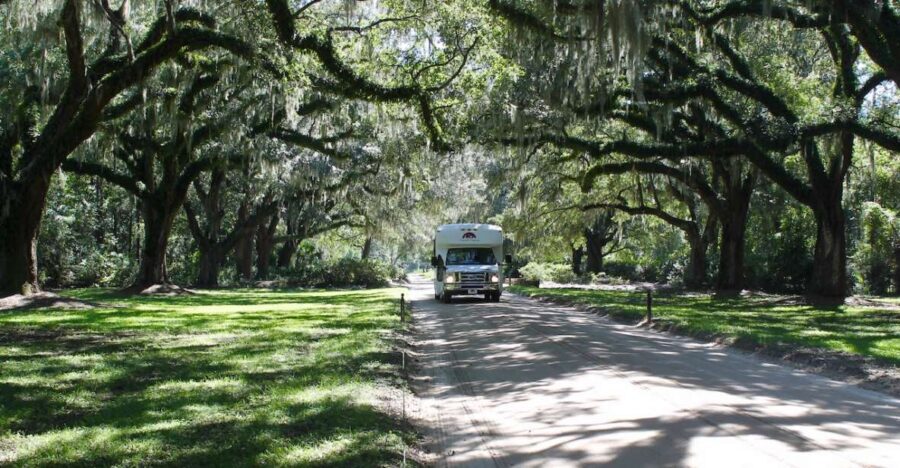
- Antique rose gardens with roses that are more than a century old
- Tram ride that gives you a different viewpoint of the plantation grounds
- Butterfly Pavilion (in season) for a lighter break from the heavier topics
Riding out of Charleston: transport that actually helps
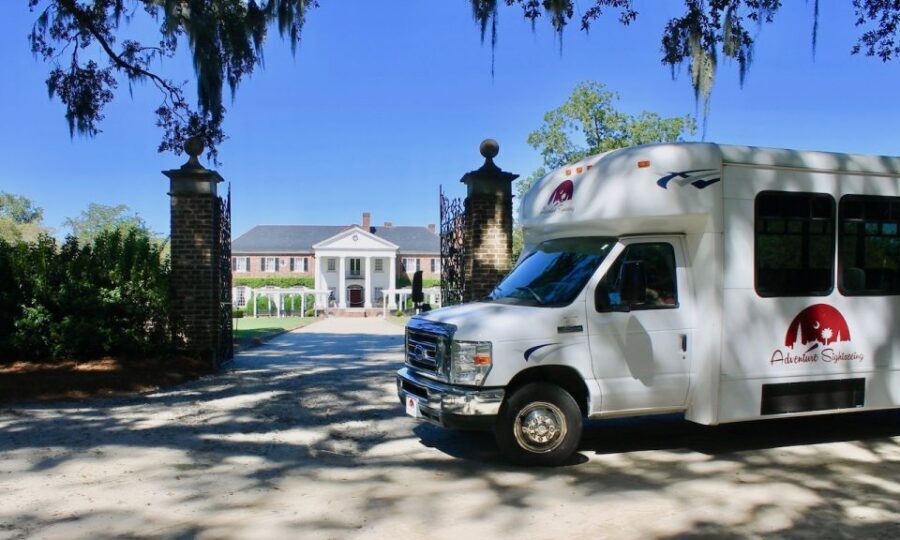
This tour is set up for an easy day: you start at the Charleston Visitors Center at 375 Meeting St, then board a comfortable, air-conditioned bus. The drive to Boone Hall takes about 30 minutes, and that ride matters more than you might think because it gets you oriented before you step onto the grounds.
I like that the bus pick-up is in a central place downtown, and you’re not stuck figuring out a separate shuttle or rental car. The bus driver also provides helpful background on the way out, which is a nice way to shift your mindset from sightseeing mode into story mode.
There’s one practical heads-up: the bus does not have restrooms. You can find restrooms at the Visitors Center, so it’s worth using them before boarding. Also, the tour notes say luggage or large bags aren’t allowed on the bus, and food and drinks aren’t allowed in the vehicle.
If you're still narrowing it down, here are other tours in Charleston we've reviewed.



Arriving at Boone Hall: the front-porch welcome
You begin at the plantation with a guide in historical clothing. That first moment is all about context: you’re not dropped into the gardens with a map and guesswork. Instead, you’re pointed toward what Boone Hall is, what it has been through, and why the site matters.
The guide explains Boone Hall’s evolution through several owners since 1681. Even if you’ve read about plantations before, this kind of on-site timeline helps you connect the buildings and grounds to real decisions people made over time. It also keeps the visit from becoming just a photo stop.
Expect a guided introduction that sets the tone for what follows. It also gives you a clearer way to understand what you’ll later see in the Slave Cabin and other areas tied to enslaved people’s lives.
The guided tour: seeing the plantation with a plan
The guided portion includes an introduction to what you’re about to experience, and you’ll spend time walking around with your guide. This part is your framework. Without it, the grounds can feel like a collection of pretty spaces, even when the story behind them is complicated.
One practical bonus I noticed from the experience structure: staff at Boone Hall are described as professional, welcoming, and ready to help. That matters because plantation sites can be emotionally intense, and a friendly team makes it easier to ask questions and move at a comfortable pace.
You’ll also have a short window of time on your own after the guided portion. In other words, you’re not locked into talking the whole time. You can step back, look closer, and reorient after the main interpretation.
Slave Cabin and History Presentation: what you’ll actually learn
If you come looking for “pretty plantation,” this stop will challenge that expectation. The tour includes the Slave Cabin and History Presentation, which focuses on living quarters, historic relics, and how enslaved people lived here.
What I appreciated is that this isn’t treated like a quick mention. The presentation aims to help you understand daily life—what the quarters were like and what artifacts and objects can tell you about survival, routine, and the constraints people faced.
You’ll also see the living quarters as part of the tour experience. That physical proximity changes things. It’s one thing to read; it’s another to stand where people lived and imagine the soundscape and the boundaries.
This is the emotional center of the visit. If you’re sensitive to hard history, plan to take breaks if you need them. The good news is that the rest of the tour still gives you interpretive moments after this, including culture-focused performances and outdoor spaces.
Gullah Theater: stories and songs that add meaning
After the history presentation, you’ll head to the Gullah Theater for stories and songs performed as part of the visit. This is where the tour shifts from architecture and quarters to culture and expression.
The tour info emphasizes that you’ll hear moving stories and songs tied to the culture and life of enslaved people. For me, this is an important balance. You leave the Slave Cabin presentation with questions about what life was like under brutal conditions, and the Gullah Theater helps you understand identity, memory, and community through performance.
This part also helps the visit feel more human. Instead of only focusing on what was taken, you also witness what endured—language, rhythm, and narrative.
It’s also one of the reasons this tour is worth it even if you’ve visited other plantation sites. The performance element is not just entertainment. It functions like interpretation, making the site’s story harder to forget.



Antique rose gardens: the beauty is part of the story
Then you get to step outside into the gardens. Boone Hall is known for its manicured grounds, and one standout is the collection of antique roses that are over 100 years old.
I like that this isn’t presented as a separate activity. It’s woven into your time on-site while you carry the context from the presentations. It makes the contrasts more visible: carefully maintained beauty next to the evidence of cruelty and forced labor.
The tour experience also includes time to stroll and soak in what’s in front of you—flowers, pathways, and the general feeling of an estate designed over generations. If you’re a photo person, this is where the camera is welcome, since the no-photo rule is specifically tied to the plantation house interior.
Butterfly Pavilion (in season) and the tram ride
Depending on timing, you may get to see the Butterfly Pavilion. The tour notes say it’s included when it’s in season, with a focus on fluttering wings. That’s a lighter, sensory stop, which can be a welcome reset after heavier indoor content.
Next comes the tram ride, which is one of those “I’m glad they include this” moments. Boarding a tram lets you see the plantation from a different perspective without walking every stretch. It’s also a good way to connect the dots between the places you’ve learned about and the bigger layout of the grounds.
If you’ve ever toured a large historic site, you know how easy it is to miss relationships between areas when you’re only looking at them up close. A tram view helps you understand what’s far apart, what’s connected, and how the spaces relate to one another.
Photography rules: what you can shoot and what you can’t
A common question: where can you take photos? The tour information is clear that photography is not allowed inside the plantation house. You can take photos during other portions of the tour, including outdoor areas and likely the garden and tram portions.
I suggest you plan your photo expectations before you arrive at the house. That way you don’t get stuck with regret halfway through, or spend time trying to figure out permissions on the spot.
Also remember the general restriction that big bags and luggage aren’t allowed on the bus. If you like to travel light, this tour fits that style well.
Timing and pacing: the half-day structure
The whole experience runs about 270 minutes, or just over four and a half hours. That length sounds long until you realize it’s doing multiple jobs: transportation, guided orientation, presentations, a cultural performance, and time on the grounds.
Here’s how the pacing feels in practice: you start with the bus and arrival orientation, then move into the guided portion and the presentations, and later into outdoor time and tram views. There’s not an attempt to “do everything for hours.” The structure is meant to keep you progressing so you don’t get stuck missing key interpretation stops.
I also like that you’re not on your feet constantly. The tram portion gives your legs a break, and the indoor theater and presentation areas provide natural pauses.
If you prefer slow travel and long free time, you might find the schedule a bit structured. Still, for a first Boone Hall visit, the guided interpretation and included stops make the time feel well used rather than rushed.
Price and value: is $79 a fair deal?
At $79 per person, this tour is priced in a way that feels reasonable when you count what’s included: entry to Boone Hall, a guide, and round-trip transport from downtown Charleston.
If you’re traveling without a car, the transportation piece is often what makes or breaks value. Here, the tour handles the logistics for you. That can easily outweigh the cost of paying for separate transit or spending time figuring out your own plan.
You’re also not just getting a casual stroll. You’re getting interpretation: a history presentation tied to enslaved people’s living quarters and a cultural performance at the Gullah Theater. Those are higher-effort components than a basic ticket-only visit.
Where value can vary is in your interests. If you want only gardens and photos, the price might feel steep. If you want a guided, story-driven experience with transport included, it’s a strong fit.
Who should book this Boone Hall entry tour
I think this tour is best for you if you want a guided first visit to Boone Hall with context. It’s also a great choice if you’d rather hear the story through structured presentations and performance than piece together meaning on your own.
It’s also a nice fit for people who like having staff available and a schedule that keeps you on track. The experience is described as having friendly, professional staff and a driver who provides useful context.
It’s not a great match if you have mobility limitations. The bus is not handicap accessible, and the information notes that stairs are necessary to access the vehicles. If mobility is a concern, you’ll want to look for an option that explicitly works for your needs.
Practical tips to make your visit smoother
I’d treat this as a “bring your plan” tour. Start by arriving with enough time to park at the Charleston Visitors Center, since free parking is available there. Then use the Visitors Center restrooms before boarding because the bus itself doesn’t have them.
Pack light since luggage and large items aren’t allowed on the bus. Also plan for the fact that food and drinks aren’t allowed in the vehicle, so don’t count on snacking during the ride.
Wear comfortable shoes for walking grounds. Even with tram transport, you’ll still move between the guided stops, presentations, and garden areas. If you care about photos, remember the house interior is off-limits for photography, so focus your camera time on the permitted outdoor areas and other portions.
Should you book this tour?
Book it if you want the easiest logistics plus an interpretation-heavy visit. The combination of Boone Hall’s on-site history through the Slave Cabin and History Presentation, the culture-forward Gullah Theater performance, and the included gardens and tram views makes this more than a basic ticket.
Skip or rethink it if you need mobility-friendly transportation, since the bus isn’t handicap accessible and boarding requires stairs. Also consider whether you want a lot of unscheduled wandering; this tour is structured, so free time is limited by design.
If your goal is to understand Boone Hall beyond the postcard version, this is one of the more efficient ways to do it from Charleston, with transport handled and key stops built in.
FAQ
Where do I meet for the Charleston tour pickup?
You depart from The Charleston Visitors Center at 375 Meeting Street.
How long is the tour?
The total duration is 270 minutes.
Does the price include transportation from downtown Charleston?
Yes. Round-trip bus transfer from the Charleston Visitor Center downtown is included.
Is entry to Boone Hall included?
Yes. Boone Hall Plantation entry is included.
Do I get a guide during the visit?
Yes. The tour includes a live guide in English.
Are there restrooms on the bus?
No. There are restrooms located at the Visitors Center.
Can I bring luggage or a large bag on the bus?
No. The tour notes say there is no space for large items such as luggage, wheelchairs, or strollers.
Is photography allowed inside the plantation house?
No. Photography is not allowed inside the house, but it is allowed during other portions of the tour.
Is the Butterfly Pavilion included?
The Butterfly Pavilion is included when it is in season.
What if my plans change and I need to cancel?
You can cancel up to 24 hours in advance for a full refund.