REVIEW · CHARLESTON
Charleston’s Historic Downtown Food Tour
Book on Viator →Operated by Charleston Tours · Bookable on Viator
Food and pirates walk together here. This tour mixes sit-down tastings with a guided walk through Charleston’s historic core, tying what you eat to French and African influences, plus the odd ways pirates shaped the local diet. I also like the VIP access angle, since it helps you sample more food without losing your whole afternoon to lines. One thing to consider: the schedule can feel fast, and the walking-and-eating rhythm is more eat-and-go than slow dining.
If you’re arriving hungry and want a strong first day plan, this is one of the most efficient ways to cover a lot of ground in about 2.5 hours, starting at 195 E Bay St. You’ll leave with a full lunch’s worth of samples, and you can still choose whether to add cocktails on your own.
In This Review
- Key Highlights Worth Knowing Before You Go
- Why This Charleston Food Tour Works in One Tight Plan
- The 195 E Bay St Start and How 2.5 Hours Really Feels
- Stop 1 by Rainbow Row: French Influence Before the First Bite
- Stop 2 at the Pineapple Fountain: Southern Hospitality as a Food Clue
- Stop 3 at Old Exchange & Provost Dungeon: Pirates and Privateers, Diet Included
- Stop 4 at Charleston City Market: African Influences and Iconic Ingredients
- What You’ll Likely Taste on a Lunch-Style Tour
- VIP Access at Restaurants: Why Skipping the Line Pays Off
- The History Lessons That Affect How You Eat
- Pace, Comfort, and Practical Tips for a Smooth Walk
- Price and Value: Does $110 Add Up?
- Who This Tour Suits Best (and Who Might Not)
- Should You Book This Charleston Historic Downtown Food Tour?
- FAQ
- FAQ
- How long is the Charleston Historic Downtown Food Tour?
- Where does the tour start?
- What’s included in the price?
- Is alcohol included?
- Are there any age limits or special rules for kids?
- How many people are in the group?
- Is a mobile ticket used?
- Is the tour near public transportation?
- What if the weather is bad?
- Are service animals allowed?
Key Highlights Worth Knowing Before You Go
- VIP access at top spots so you lose less time waiting and more time tasting
- Lunch-style amount of food from 4 restaurant stops, not tiny nibbles
- French influence made practical through what dishes and ingredients became local staples
- African ingredients and trade links explained at the Charleston City Market stop
- Pirate-era diet stories tied to the Old Exchange & Provost Dungeon
Why This Charleston Food Tour Works in One Tight Plan
Charleston can be a lot at once: beautiful blocks, big ideas, and a food scene that’s both old-school and very specific to the Lowcountry. This tour is designed to take that swirl and give you something concrete: you walk, you learn, then you eat enough to feel like you did lunch on purpose.
What I like about the approach is the cause-and-effect feel. Instead of saying, Here is a dish, the guide connects it to Charleston’s history and ingredient pathways—French cooking habits, African culinary influence, and even piracy and privateering. You don’t just hear trivia. You start recognizing why certain flavors and staples show up again and again.
And yes, it’s filling. The tour is built around tastings at four sit-down restaurant stops, which is exactly what you want if you’d rather not spend the rest of the day hunting for the next thing to eat.
Other food & drink experiences in Charleston
The 195 E Bay St Start and How 2.5 Hours Really Feels
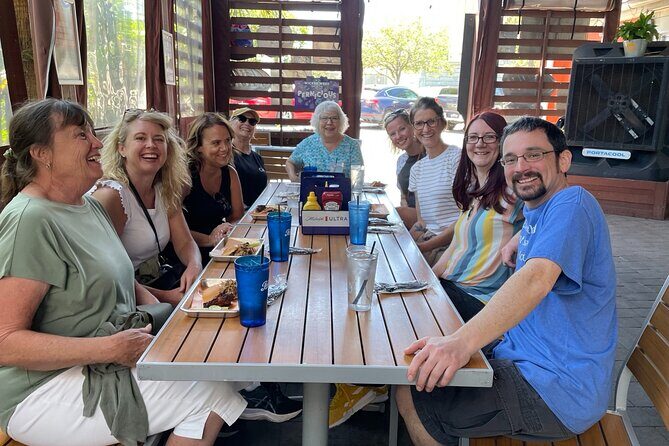
The tour begins at 195 E Bay St, Charleston, SC 29401, right in the historic downtown area. You’ll end back near the starting point, so you’re not left stranded in another neighborhood.
Duration is listed at about 2 hours 30 minutes, but the overall experience is clearly paced for efficiency. The best way to think about it: this is a walking tour that treats restaurant time as part of the schedule, not as a leisurely meal. If you like to linger with a long second drink and a slow dessert conversation, you might feel a little rushed.
Good news: the group size stays small, with a maximum of 15 travelers. That matters because small groups usually mean smoother movement and easier questions along the way.
One practical thing to remember: this tour runs on foot, and you’ll be going in and out of spots with short time windows. Wear comfortable shoes. Bring a light layer if you’re going in cooler months, and keep water in mind between stops.
Stop 1 by Rainbow Row: French Influence Before the First Bite
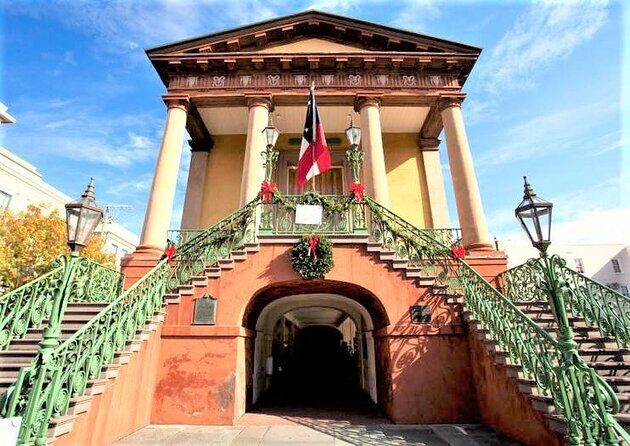
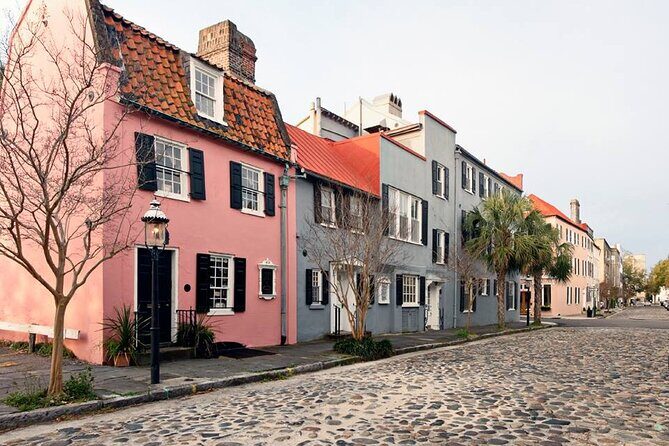
You start with a visual hit: Rainbow Row, the famous row of pastel houses that anchors the look of Charleston’s historic district. Here, you’re not just looking at a postcard. You’re getting the story of how French culture influenced the city’s food.
Why it matters for you: understanding French influence helps you taste with better context later. French cooking traditions are linked to techniques and ingredient choices, and the guide aims to show how those ideas filtered into local habits. It’s the kind of historical explanation that makes your food descriptions make sense instead of sounding abstract.
This stop is relatively short—about 15 minutes—so it’s not a long history lecture. It’s more like a warm-up act that sets you up for what you’ll eat at the restaurant stops that follow.
Stop 2 at the Pineapple Fountain: Southern Hospitality as a Food Clue
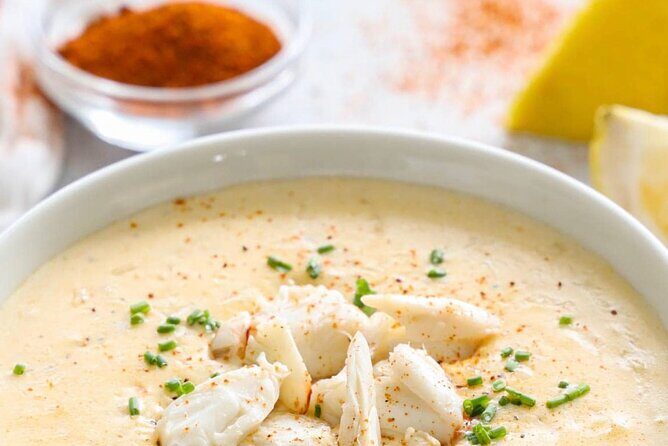
Next up is the Pineapple Fountain, a Charleston icon tied to the idea of southern hospitality. The tour connects this landmark to local cooking culture, using symbols and traditions as a bridge to what ended up on plates.
Here’s the takeaway for your meal: hospitality culture isn’t just a polite attitude. It shapes portion sizes, the way dishes get served, and how welcoming the food table feels. When a tour guide points to a landmark like the Pineapple Fountain, you’ll usually get a short lesson on why symbols like this matter to how a community hosted and fed people.
This stop clocks in around 20 minutes, which gives the guide room to connect the story to ingredients and serving style. If you’re the type who enjoys learning while walking, this is a good pace point—short enough to keep moving, long enough to feel meaningful.
Stop 3 at Old Exchange & Provost Dungeon: Pirates and Privateers, Diet Included
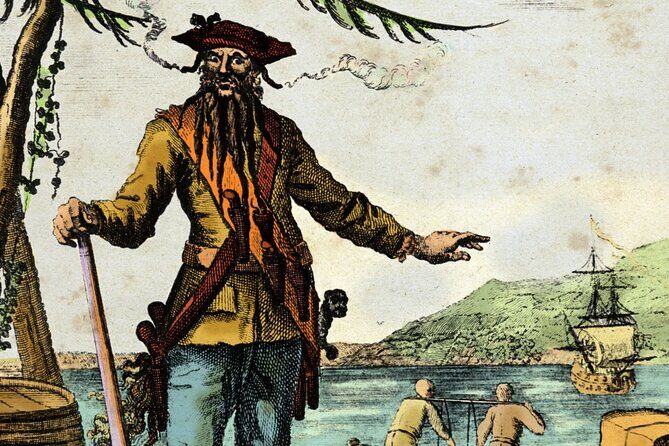
If you want a history chapter with bite marks, this is it. At the Old Exchange & Provost Dungeon, the guide talks about the early 1700s and the major impact pirates had on Charleston. The focus isn’t just on ships and legends. You’ll hear how privateering and piracy intersected with what people ate—essentially, how maritime life and conflict shaped local food supply and habits.
Why this stop is valuable: it makes Charleston’s food story feel less like a museum. The city’s menu didn’t develop in a vacuum. It responded to trade pressures, risk, and the reality of being a port town.
This stop is about 15 minutes, so again, it’s not a full museum visit. It’s the practical story beat that connects the setting to food culture.
If you're still narrowing it down, here are other tours in Charleston we've reviewed



Stop 4 at Charleston City Market: African Influences and Iconic Ingredients
Then you hit Charleston City Market, one of the best places in town to feel the “ingredients first” mindset. The tour uses this setting to talk about African influences on Charleston cuisine and the ingredients that came through and became local in everyday cooking.
This is one of the best parts of the tour if you love food history that stays specific. African culinary influence is often discussed in broad terms, but here it’s aimed at the ingredient level—what got used, what became familiar, and how those elements turned into local go-to dishes.
The City Market stop runs about 20 minutes. You’ll leave with a better sense of why certain flavors and staples show up repeatedly in Lowcountry cooking, instead of feeling like everything is just regional tradition with no explanation.
What You’ll Likely Taste on a Lunch-Style Tour
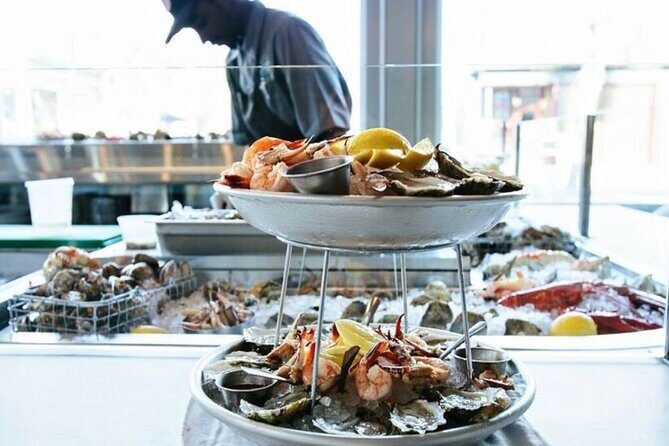
The included experience is lunch, made up of tastings at four different restaurant stops. The tour description frames it as enough food to make up a full lunch, which is exactly how you should plan your day: eat here, then take a lighter dinner later.
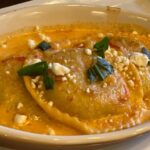
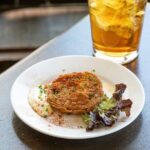
From the details shared in the experience, you might encounter Lowcountry classics such as:
- She-crab soup
- Carolina gold rice
- A Carolina BBQ-style option (often in a slider form)
- A dessert finish
If you’re a self-described “order the she-crab soup if it’s there” person, this tour is worth your attention. Multiple guided stories tie the dish back to Charleston, not just the taste.
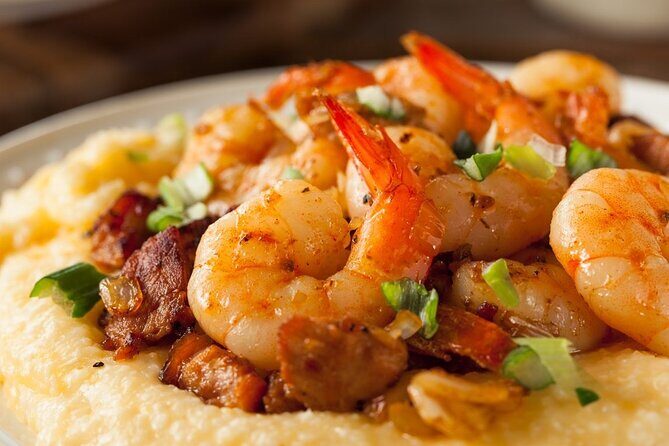
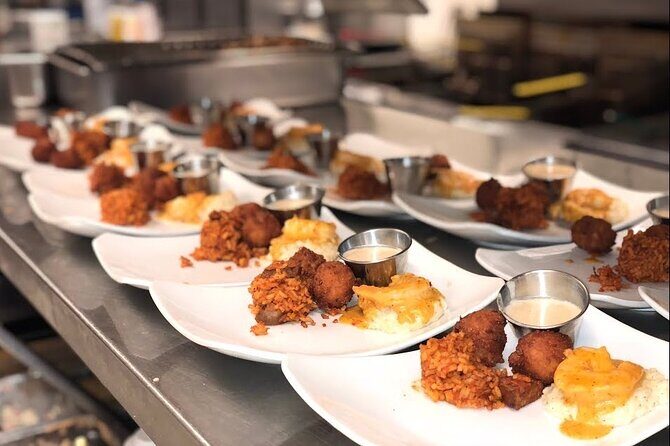
One note to keep your expectations grounded: promotional images can suggest specific dishes (for example shrimp and grits). But the actual tastings you receive are best thought of as what the tour is serving on that day, based on the participating restaurants. If shrimp and grits are your non-negotiable plate, you’ll want to check with the operator before booking.
VIP Access at Restaurants: Why Skipping the Line Pays Off
Charleston has popular restaurants. Popular restaurants have lines. This tour tackles that reality with VIP access, which helps you move faster and get seated for tastings without burning time.
For your day, that matters because:
- You can fit more food in the time window
- You’re less likely to miss a stop due to waiting
- The tour feels like a planned sequence instead of a series of stand-ins
It also makes the experience feel smoother when you’re bouncing between stops. You’re spending your time eating, not standing in the way of everyone else’s weekend plans.
The History Lessons That Affect How You Eat
One of the strongest parts of this tour is how it ties food to history you can’t ignore. You’ll hear about French influence, African ingredients, and the pirate-era port context. And importantly, you should be prepared for the tour to address slavery and the slave trade as part of Charleston’s story.
That matters because Charleston’s cuisine grew inside that history. If you want a food tour that treats the topic like it belongs behind a closed door, this probably won’t feel like a match. But if you want honest context that explains how the city built its table, it’s a real plus.
The best kind of food tour does two jobs at once: it makes dishes more understandable and it keeps you asking better questions while you eat. This one aims for both.
Pace, Comfort, and Practical Tips for a Smooth Walk
The schedule works fast. Even when the stop is short, you’re moving—seeing landmarks, stepping into restaurants, tasting, then moving again. Reviews and shared experience details often point out that the tour is a bit of an eat-and-run style with history mixed in.
So here’s what you should do to make it comfortable:
- Wear walking shoes you can handle for a few hours
- Go in hungry, but expect small samples rather than one huge main dish per stop
- If you need a restroom break, plan for the fact that you’ll have limited windows between tastings
- Consider asking questions during restaurant time rather than saving every question for the sidewalk
Weather is also a factor. This tour requires good weather, so if skies look rough, consider bringing a compact rain layer and checking before you head out.
Alcohol isn’t included, and you can purchase drinks if you want to pair a cocktail with a tasting. Just know the pacing is still built around the walking and food timeline.
Price and Value: Does $110 Add Up?
At $110, this isn’t a bargain-basement snack tour. But it does have clear value drivers:
- Four restaurant stops with sit-down tastings
- enough food to act like a full lunch
- VIP access that saves waiting time
If you were to buy lunch plus a few extra tasting-sized meals on your own, you’d likely spend a similar amount—or more—especially with Charleston restaurant pricing. The key difference is that this tour bundles tasting selection and historical context into a single, time-managed experience.
Where value can vary for you is personal appetite and priorities. If you hate structured tours and want full freedom to order what you personally crave, you may feel constrained. If you like variety and want someone else to handle the planning, it can feel like a smart deal for your limited vacation time.
Who This Tour Suits Best (and Who Might Not)
This tour is a good fit if you:
- want a dense, efficient Charleston plan in a single morning/afternoon block
- like food history tied to real places you can see
- enjoy sampling different parts of Lowcountry cooking instead of ordering one thing and calling it done
- want small-group dynamics (max 15)
You might reconsider if you:
- need a very slow dining pace
- strongly require one specific dish every time (since tastings can vary)
- dislike tours that include hard history topics
Should You Book This Charleston Historic Downtown Food Tour?
I’d book it if your goal is a satisfying lunch plus clear context for why Charleston tastes the way it does. The VIP access, four restaurant stops, and the way the guide connects French, African, and pirate-era influences make it more than a simple taste parade.
Book it with eyes open, though: you’re signing up for a moving schedule and a faster pace than a sit-down restaurant meal. If that sounds fun, you’ll likely enjoy it a lot. If you want to linger, take longer stops, and order at your own pace, you may prefer a lighter, self-guided food plan.
FAQ
FAQ
How long is the Charleston Historic Downtown Food Tour?
It runs for about 2 hours 30 minutes.
Where does the tour start?
The meeting point is 195 E Bay St, Charleston, SC 29401. The tour ends back at the meeting point.
What’s included in the price?
The tour includes lunch with food tastings at 4 different restaurant stops.
Is alcohol included?
No. Alcoholic beverages are not included, but you may purchase drinks at the venues if you want cocktails with your food.
Are there any age limits or special rules for kids?
Kids ages 0–6 are not included for food, based on the information provided.
How many people are in the group?
The tour has a maximum of 15 travelers.
Is a mobile ticket used?
Yes, the tour uses a mobile ticket.
Is the tour near public transportation?
Yes, it’s listed as near public transportation.
What if the weather is bad?
The tour requires good weather. If it’s canceled due to poor weather, you’ll be offered a different date or a full refund.
Are service animals allowed?
Yes, service animals are allowed.