REVIEW · CHARLESTON
Charleston TourPass 1-Day Pass – Includes 40 Top Tours
Book on Viator →Operated by Charleston Tour Pass | Multi-Attraction Pass · Bookable on Viator
Charleston in one phone scan. This 1-day TourPass is built for flexible, low-stress touring: you pick your stops, show a mobile pass, and get admission (plus guaranteed long-line skipping) across 40+ top sites, from classic houses to Fort Sumter. I especially like the app’s interactive maps for stitching together a workable route, and I like that you can mix “big ticket” history with lighter add-ons like carriage rides and sailing. One watch-out: transportation isn’t included, so if you don’t drive (or plan around DASH trolley), some of the farther stops can eat your time fast.
The upside is real: you’re not stuck booking everything upfront. The pass is designed for a day of smart choices—especially if you aim for around 4 stops instead of trying to cram in everything. If you love Charleston’s walkable downtown and you also want the plantation and harbor highlights, this pass can feel like a shortcut to a full itinerary without the usual ticket juggling.
In This Review
- Quick takeaways: what makes this pass worth your attention
- TourPass price and what $59 really buys you
- Mobile pass rules: how to avoid day-of stress
- Featured vs standard stops (and why it matters)
- Your Charleston game plan: don’t fight the geography
- Downtown-first stops: houses, museums, and the Charles you think you know
- Nathaniel Russell House: classic Neoclassical in a quiet pocket
- The Charleston Museum: hit history, art, and nature in one sweep
- Gibbes Museum of Art: an art break that doesn’t feel like homework
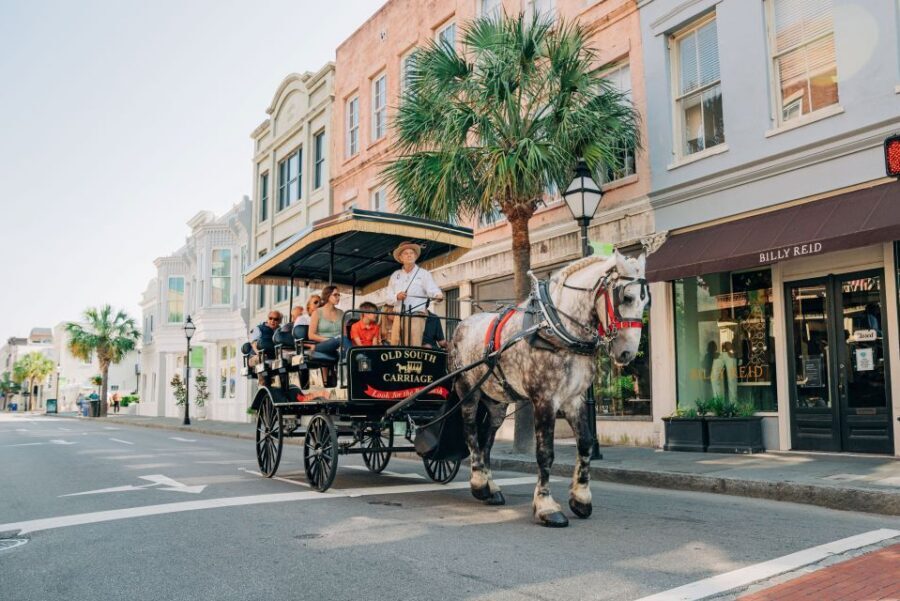
- Palmetto Carriage Works: Charleston the slow way
- Colonial-era stops: Powder Magazine and the Old Exchange
- Old Exchange & Provost Dungeon: pirates, patriots, and confinement
- The Powder Magazine: the city’s defense, in a small footprint
- History with heavier weight: Aiken-Rhett and Slave Mart
- Aiken-Rhett House: interiors with long context
- Old Slave Mart Museum: a site you don’t rush
- Plantation day picks: McLeod, Drayton Hall, Boone Hall, Magnolia
- McLeod Plantation Historic Site: history spanning major eras
- Drayton Hall: a full 1-hour house-and-land experience
- Boone Hall Plantation: another 1-hour commitment
- Magnolia Plantation & Gardens: nature add-ons included
- Forts and water tours: Fort Sumter, harbor cruises, sailing
- Fort Sumter National Monument: ferry + fort tour
- Spiritline Cruises: a harbor cruise option
- Schooner Pride: afternoon sailing, not sunset
- Guided sightseeing and ghost tours: add energy without adding extra ticket hunting
- USS Yorktown Ghost Tour: history with a spooky tone
- Adventure Sightseeing: city bus tour
- Charleston Fun Park: voucher-based fun (not an all-you-can-play arcade)
- The taste stops: Deep Water Vineyard, Firefly Distillery, and alcohol included
- Deep Water Vineyard: free tour + tasting + souvenir glass
- Firefly Distillery: tour + tasting
- Small but meaningful add-ons: gardens, interpretive centers, and tea time
- Charleston Tea Garden: trolley around the garden + factory tour
- Caw Caw Interpretive Center: quick context stop
- Charles Towne Landing State Historic Site: an early settlers village
- When this pass is a smart bargain vs. a money trap
- Should you book the Charleston TourPass 1-Day Pass?
Quick takeaways: what makes this pass worth your attention
- Mobile entry is the system: you must use a smartphone to present your pass to vendors.
- You’re buying flexibility: customize your day from the included list of 40+ tours and attractions.
- It can include alcohol: tastings are part of the included experiences (vineyard/distillery types).
- Line-skipping is built in: the pass is marketed as guaranteed to help you avoid long waits.
- Distance is your real enemy: many included stops are spread out, and no transportation is provided.
- You need timing strategy: some options are timed/featured, while others are more walk-in style.
TourPass price and what $59 really buys you
At $59 for a 1-day pass, the math only works if you actually use the included admissions. The pass is priced like a “bundle,” but it behaves like a tool: it helps you reduce ticket friction and lines, and it gives you permission to say yes to more than one major stop in a day.
Here’s the value logic I’d use if I were planning your itinerary:
- If you hit a couple of the big admission attractions (museums, historic houses, a plantation, a fort/harbor stop), the savings usually show up fast.
- If you use the pass for just one or two small stops, you can end up paying more than buying those sites one by one.
- The best-case scenario is simple: choose the stops you were already considering, then let the pass help you add a few extras without thinking about every individual ticket.
A second value driver: you’re also paying for simplicity. Several included stops are the kind of places where walking up with the right entry method matters—this pass’s mobile approach is meant to cut that hassle. In plain terms: less time at ticket counters, more time moving through Charleston.
If you're still narrowing it down, here are other tours in Charleston we've reviewed.



Mobile pass rules: how to avoid day-of stress
This TourPass is 100% digital. You must use a mobile pass to present at vendors, and you’ll need a smartphone with data. Plan for the boring basics:
- Make sure your phone is charged.
- Keep data on (or have a backup plan like offline access if the app supports it).
- If you arrive and something looks off, you’ll want to contact support quickly; there have been cases where people had initial trouble and customer service sorted it out.
Also note the pass is tied to your reserved date of travel, and it’s valid only for the duration option you bought (the 1-day option stays a 1-day window).
Featured vs standard stops (and why it matters)
The pass generally splits included options into:
- Featured: usually timed tours that may need reservations.
- Standard / walk-in: places you can visit without reservations.
For a 1-day itinerary, that difference changes your day. If you pick too many reservation-style stops back-to-back, timing can pinch you. Your best move is to pair one or two featured, high-demand experiences with several standard walk-in options that fit around them.
Your Charleston game plan: don’t fight the geography
Charleston looks compact, but your day can spread quickly. Here’s the practical reality:
- Downtown sites cluster nicely, so you can walk between many of the most famous museums and house museums.
- Plantations and water-based experiences can be farther out, so you’ll either need a car or smart transit planning.
- The DASH Trolley is free in the historic district, and it can help you move around downtown, but it won’t replace car access for everything.
One theme from real-world usage is clear: the pass can be a great value, but it’s much easier to get that value when you have transportation. Without it, you might spend more time repositioning than touring.
Downtown-first stops: houses, museums, and the Charles you think you know

If you want a day that feels full without getting rushed, start downtown and build outward.



Nathaniel Russell House: classic Neoclassical in a quiet pocket
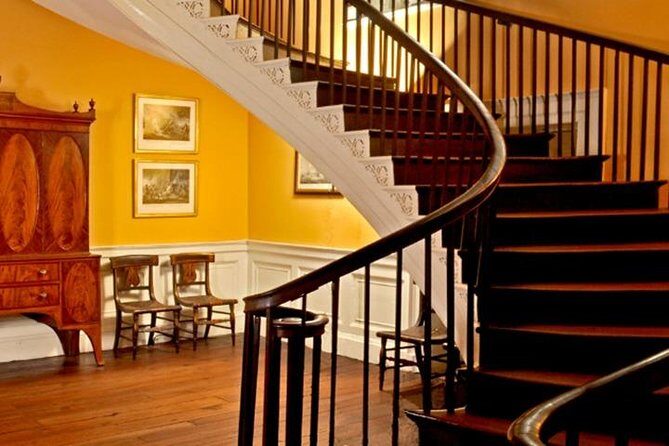
The Nathaniel Russell House at 51 Meeting Street is one of those places that makes Charleston architecture feel personal. You’ll be able to enter with the pass, and the site is tied to the Historic Charleston Foundation. Expect restored interiors—framed by formal gardens—plus a sense of daily life in a standout 1808-era dwelling.
Why it’s worth your time: this is an easy way to get a high-impact Charleston “wow” early in the day, without needing a long commute.
The Charleston Museum: hit history, art, and nature in one sweep
The Charleston Museum is set up like a choose-your-own-journey museum. It includes Lowcountry history, natural history galleries, Revolutionary and Civil War themed exhibits, and it connects to two historic house components (Joseph Manigault and Heyward-Washington House are listed separately in the pass).
Simple tip: if you like variety, this museum is a time-saver because it packs multiple themes under one ticket umbrella.
Gibbes Museum of Art: an art break that doesn’t feel like homework
The Gibbes Museum of Art is a major inclusion, with full admission through the pass. It’s known as one of the older arts organizations in the U.S., and the museum links Charleston’s creative past to current work.
Drawback to consider: if you’re trying to run a very tight schedule, art museums can be easy to under-allocate. If you’re in “quick stop” mode, set a realistic time window.
Palmetto Carriage Works: Charleston the slow way
The Palmetto Carriage Works stop gives you a carriage ride with full admission. This is the kind of experience that helps you reset mid-day—especially if you’ve been hopping museums.
Why you’ll likely like it: it’s a low-effort way to see more of the city at once, and it pairs naturally with a downtown cluster.
Colonial-era stops: Powder Magazine and the Old Exchange

These are the places where Charleston’s layered past feels physical.
Old Exchange & Provost Dungeon: pirates, patriots, and confinement
The Old Exchange & Provost Dungeon is a major stop that mixes guided storytelling with historic spaces, including:
- a section of 1698 fortification,
- and the prison/holding context linked to political events and famous names referenced for the building’s history.
This is one of the “tour-ready” experiences where the guides in colonial-style help turn the rooms into a timeline.
How to use it: come with curiosity, but don’t expect it to be silent and museum-quiet. It’s a staged, guided kind of visit.
The Powder Magazine: the city’s defense, in a small footprint
The Powder Magazine is quick (listed around 5 minutes for the stop), and it’s specifically about how powder was stored for the city’s defense—from the late 1600s forward to the Revolutionary era.
Why it works: it’s a short stop that adds serious context without taking over your whole day.
History with heavier weight: Aiken-Rhett and Slave Mart

Charleston’s story includes cruelty, and the pass includes sites where that part is not optional.
Aiken-Rhett House: interiors with long context
The Aiken-Rhett House is included with full admission and a listed 1-hour stop window. It’s a house museum experience—ideal if you like spending time with material details and seeing how a property tells a story.
Planning note: houses can take longer than you expect if you’re reading closely, so give yourself enough buffer.
Old Slave Mart Museum: a site you don’t rush
The Old Slave Mart Museum appears in the list and includes full admission. Because the stop is listed as very short (a minute is shown in the data), you might think it’s a drive-by—don’t make it that. Treat it like a necessary, respectful stop, not a checkbox.
Consideration: if your day is packed, you might feel rushed here. If this museum matters to you, make room.
Plantation day picks: McLeod, Drayton Hall, Boone Hall, Magnolia

If you want the plantation side of Charleston, the pass gives you several options. This is where distance can become the make-or-break factor.
McLeod Plantation Historic Site: history spanning major eras
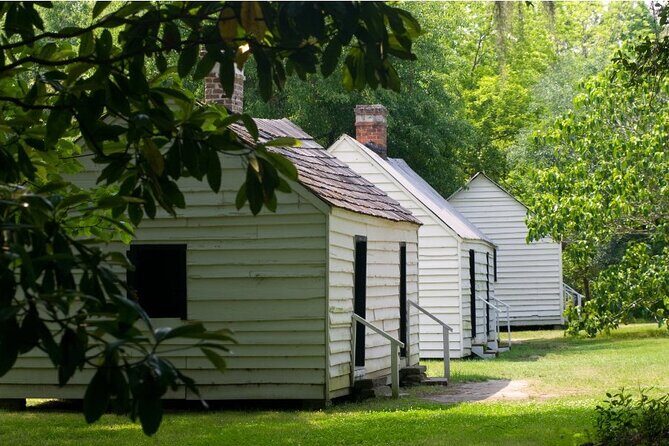
McLeod Plantation is included with full admission (listed about 30 minutes). The site is described as having witnessed significant periods of Charleston’s and the nation’s history.
What to expect: a historic plantation visit with guided context, not just a photo spot.
Drayton Hall: a full 1-hour house-and-land experience
Drayton Hall is listed as 1 hour with full admission. If you prefer longer, steadier exploring, this one is easier to do “slow” rather than squeeze.
Practical drawback: with plantations, you’ll lose time if you’re trying to stack too many far-out stops.
Boone Hall Plantation: another 1-hour commitment
Boone Hall Plantation is also included for a 1-hour style visit. This gives you a second plantation option, so you can choose based on how much time you really want to spend outside the core downtown area.
Magnolia Plantation & Gardens: nature add-ons included
Magnolia Plantation & Gardens is included with full admission plus a nature train and swamp tour, and it’s listed at about 1 hour.
Why this is a strong choice: it’s one of the easiest “variety” picks because you get gardens and guided nature elements in the mix.
Forts and water tours: Fort Sumter, harbor cruises, sailing

Charleston by water changes everything. The pass includes several ways to do it.
Fort Sumter National Monument: ferry + fort tour
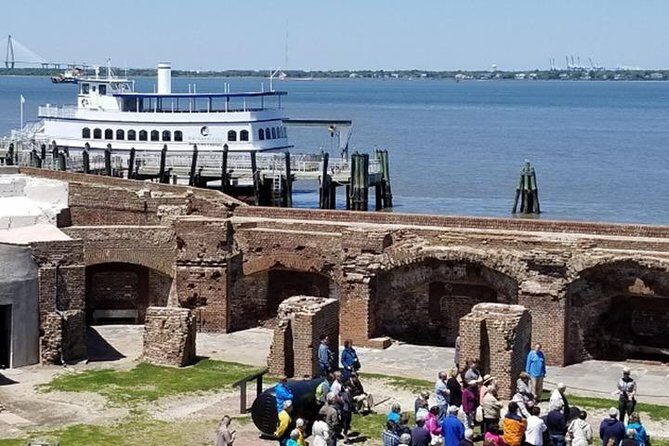
Fort Sumter is included with a ferry ride and fort tour (listed as about 1 hour). This is the type of stop that can become the anchor of your day—especially if you want the iconic view that only makes sense once you’re actually on the water.
Consideration: water schedules can affect your timing. If you’re planning other timed experiences, leave slack.
Spiritline Cruises: a harbor cruise option
Spiritline Cruises is included with full admission (listed at about 1 hour). This is another water-based experience that can pair well with other harbor-adjacent stops.
Schooner Pride: afternoon sailing, not sunset
Schooner Pride offers an afternoon sailing tour (not the sunset tour). It’s listed as 1 hour, which makes it manageable if you’re trying to keep a realistic day.
Guided sightseeing and ghost tours: add energy without adding extra ticket hunting
Not every stop should be a museum. The pass also includes options that feel like a break from reading labels.
USS Yorktown Ghost Tour: history with a spooky tone
The USS Yorktown Ghost Tour is included with full admission for about 1 hour. If you like guided storytelling with atmosphere, this can be a fun evening pivot.
When to schedule: place it later in your day so you’re not mentally exhausted before you enter.
Adventure Sightseeing: city bus tour
Adventure Sightseeing is a guided bus tour around the city (listed at 1 hour). The data also notes it does not provide transportation to plantations, which matters for planning.
How to use it: treat it as a downtown/urban context builder, not a shortcut to far-out plantation stops.
Charleston Fun Park: voucher-based fun (not an all-you-can-play arcade)
Charleston Fun Park is included, with a voucher value for go-carts and putt-putt golf (restrictions apply, like no arcade use for voucher credit).
Why you might like it: it’s a change of pace, especially if your group includes kids or you just want something physical.
The taste stops: Deep Water Vineyard, Firefly Distillery, and alcohol included
The pass includes alcoholic beverages, and the itinerary reflects that with tastings.
Deep Water Vineyard: free tour + tasting + souvenir glass
Deep Water Vineyard includes a free tour, tasting, and a souvenir wine glass (listed at about 10 minutes). This is a compact stop, which is great if you want a tasting without sacrificing half your day.
Firefly Distillery: tour + tasting
Firefly Distillery includes a tour and tasting (listed around 30 minutes). If you’re choosing only one “adult break,” this one gives you a bit more time than the vineyard option.
Planning note: alcohol stops can be quick time-wise but can shift your energy level. If you’re driving, build in that reality.
Small but meaningful add-ons: gardens, interpretive centers, and tea time
These are the “nice extras” that round out a day.
Charleston Tea Garden: trolley around the garden + factory tour
Charleston Tea Garden includes full admission and a trolley tour around the garden, plus a gift shop and a free factory tour as described.
Why it’s useful: it’s structured outdoors time that doesn’t require you to figure out routes in a big garden space.
Caw Caw Interpretive Center: quick context stop
Caw Caw Interpretive Center is included (listed as 1 minute). Even if the data shows a very short duration, you’ll want to treat it as a quick orientation stop—especially if you’re already doing a garden/nature pattern.
Charles Towne Landing State Historic Site: an early settlers village
Charles Towne Landing is included with full admission. It’s described as a historic village recreating early settlers’ life.
Who this suits best: if you like living-history style settings, it’s a good counterpoint to house museums.
When this pass is a smart bargain vs. a money trap
Here’s the honest way to judge value before you buy:
- Smart bargain: when you plan a route that uses clustered downtown stops plus one outward add-on (plantation or Fort/harbor), and you take advantage of both walk-in and timed/featured options.
- Potential money trap: when your must-do site is far out and you don’t have a car, or when you only visit a couple of included stops and leave the rest unused.
Real math is simple: if your day ends up with only a small number of included admissions, you might end up wishing you’d booked à la carte.
Should you book the Charleston TourPass 1-Day Pass?
I’d book it if you:
- want maximum flexibility and hate ticket-by-ticket planning,
- plan to do a downtown cluster plus at least one “big anchor” stop (a museum/historic house, a plantation, or a Fort/harbor tour),
- can present your pass smoothly from your phone, and
- are okay thinking about logistics first—because transportation isn’t included.
I might skip it if you:
- don’t have a car and you know you’ll struggle to reach farther stops,
- hate timed planning and want fully loose wandering all day,
- or you’re only interested in one or two attractions total.
If you treat the pass like a route-building tool (not a magic ticket), it can turn a day in Charleston into a satisfying mix of houses, museums, water, and plantation scenery—without the constant pause for line-skipping and ticket hunting.