REVIEW · CHARLESTON
Frankly Charleston Sunday Walking Tour
Book on Viator →Operated by Frankly Charleston Black History Tours · Bookable on Viator
Sunday walking, told from a new angle. This Frankly Charleston tour takes you through Wraggborough with a black history lens, so the usual downtown sights like the Citadel and Aiken-Rhett House land in a larger story. I like that it keeps the focus on people, not just buildings, including a stop at Emanuel AME Church and time to hear how Charleston’s power structures affected everyday lives.
Two things I really liked were the clear, direct storytelling from local guide Franklin and the way he zooms in on contributions that often get skipped in standard sightseeing. A second strong point: it is not just lectures from the sidewalk—you get practical time to ask questions and take pictures as you go.
One thing to consider: the Emanuel AME Church stop lists admission as not included, so you may want to plan for any entry cost there. Also, the tour is about walking and stopping often, so if you prefer long sit-down breaks, this may feel a bit active.
In This Review
- Key highlights before you go
- A Charleston Sunday that keeps the story where it belongs
- Price and value: what you get for $57.15
- How the route flows in two hours (and what each stop is for)
- Emanuel AME Church: why that short stop can hit hard
- The Denmark Vesey fort stop: connecting fear, law, and place
- Citadel and Aiken-Rhett House through a black history lens
- The guide (Franklin) and the Q&A style that makes it worth it
- Group size, dogs, and the no-alcohol rule
- Meeting point and logistics that keep it easy
- Who this tour suits best
- Should you book Frankly Charleston Sunday Walking Tour?
- FAQ
- How long is the Frankly Charleston Sunday Walking Tour?
- What time does the tour start?
- Where do I meet for the tour?
- How much does the tour cost?
- Is a mobile ticket used?
- Is admission included for Emanuel African Methodist Episcopal Church?
- Can I bring a dog?
- Are service animals allowed?
- What is the cancellation policy?
Key highlights before you go
- Wraggborough focus: you’ll spend your limited time in an area that’s central to Charleston’s black community.
- Emanuel AME Church stop: a featured moment at a historic African American church, with admission not included.
- Denmark Vesey connection: you’ll hear about a colonial military fort built because of the Denmark Vesey conspiracy.
- Local guide Franklin: the tour is guided, not self-guided, and questions are encouraged.
- Small group size: capped at 20 travelers, which helps you actually talk to the guide.
A Charleston Sunday that keeps the story where it belongs
If your Charleston plan only skims the postcard layer, this tour is a useful correction. You walk through key parts of town while the guide keeps bringing you back to black Charleston—who built the city, who resisted it, and how communities shaped daily life even when the official narrative went quiet.
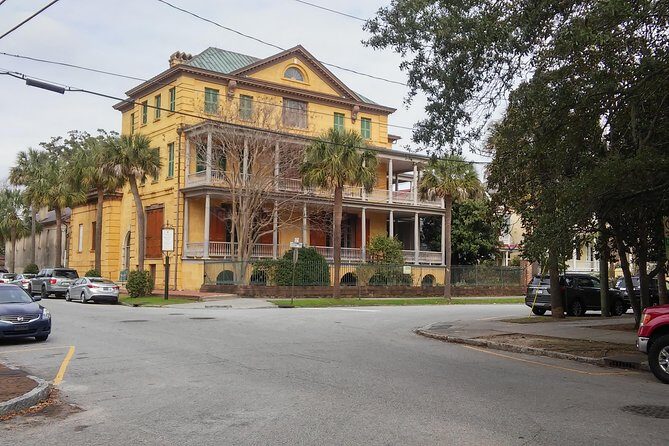
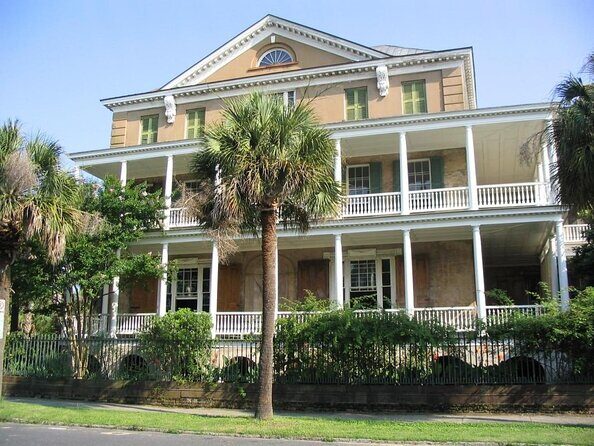
I appreciate how the tour is organized around seeing major landmarks through the lens of black history. The Citadel and Aiken-Rhett House are big-name stops, but the point here is not the name on the brochure. It is the connection: how power, wealth, and law showed up in real neighborhoods, and how black Charlestonians responded to it.
The route also includes an underrepresented neighborhood: Wraggborough. For me, that matters because it shifts the focus from only the most restored, easiest-to-explain corners of Charleston to areas where the story is tied to the people who lived it.
Other walking tours we've reviewed in Charleston

Price and value: what you get for $57.15
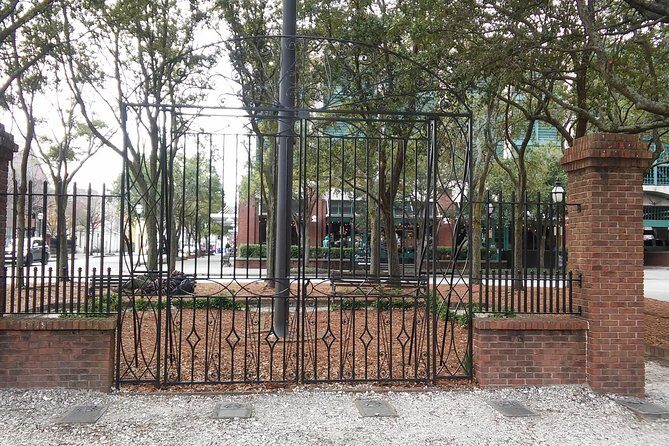
At $57.15 per person for about 2 hours, you’re paying for a guided walk with a tight group and a focused theme. For Charleston, that is in the zone of a “real guided experience” rather than a quick, generic overview.
Here’s the value logic I’d use before booking:
- You get a local guide and multiple stops tied to black history, not just one church and a bunch of passing looks.
- The tour is small (maximum 20 people), so it is easier to ask questions and get answers instead of listening to someone else’s curiosity.
- It includes a mobile ticket, which makes it simpler to show up and get started without extra paperwork.
One practical note: it’s commonly booked about 50 days in advance, so if you are traveling on a tight schedule, don’t wait until the last minute to lock it in.
How the route flows in two hours (and what each stop is for)
This is a walking tour with a measured pace. You start at 375 Meeting St, Charleston, SC 29403, and you come back to the same meeting point. The start time is 11:00 am, and the whole experience runs roughly 2 hours.
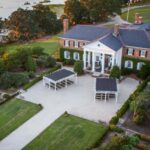
The stop you’ll focus on first is a colonial suburban plantation house. Even if you have seen historic plantation structures before, the way this fits into the tour theme matters. You’re not there just to admire old walls—you’re there to connect the built environment to the people it served and the society it helped enforce. Expect the guide to point out how Charleston’s growth and power played out at street level, not just on distant estates.
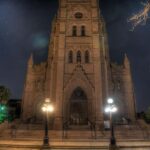
Next comes Emanuel African Methodist Episcopal Church. This is a featured stop (about 5 minutes), and the site’s admission ticket is not included. In practical terms, that means you should treat this stop like a strong story moment that might require you to pay separately if entry is required for what you want to see.
Then you’ll hear about a colonial military fort built because of the Denmark Vesey conspiracy. This stop is the kind of historical anchor that changes how you read the city. When a tour ties a physical site to a specific event and a real fear held by those in power, the city becomes less like scenery and more like evidence.
Along the way, you’ll also walk to major Charleston landmarks such as the Citadel and the Aiken-Rhett House. The value here is the framing. Instead of treating those stops as standalone points of interest, you’re learning how they fit into a larger picture of control, labor, and community life.
Emanuel AME Church: why that short stop can hit hard
You might think a 5-minute church stop would be too brief. I get why you’d wonder that. But for this tour, the short length actually works in your favor because it keeps the focus tight and story-driven.
Emanuel AME is listed as a historic African American church, and the tour positions it as part of a larger route rather than the whole day’s main event. You are going there with context already forming—Wraggborough, Charleston’s systems, and the guide’s focus on black contributions. So even in a quick window, you’re more likely to leave with a clearer understanding of why this church matters in Charleston’s cultural and historical landscape.
The one consideration is cost: admission is not included. If you want to step in and see more, check what access looks like on the day you go and plan for possible entry fees so you are not caught off guard.
The Denmark Vesey fort stop: connecting fear, law, and place
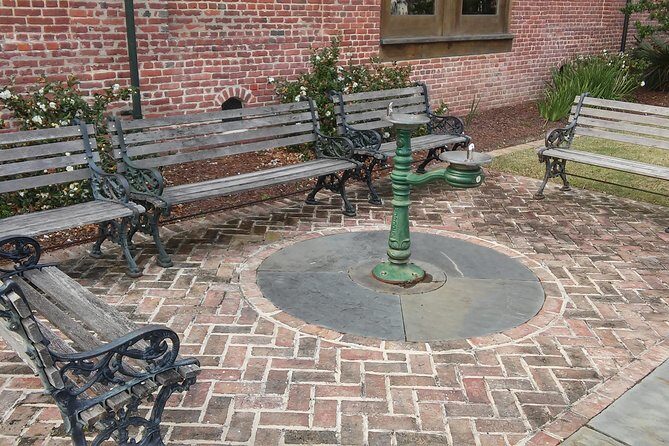
The colonial military fort connected to the Denmark Vesey conspiracy is one of the stops that gives the tour its edge. Charleston is full of old stone and big names, but this kind of site makes a different point: history here is not only about who built what. It is also about who feared what, and what systems were put in place afterward.
You’ll be walking and listening, and that means the guide can do something that a map can’t: connect the event to the physical reality around you. It is a reminder that people’s actions—especially attempts at freedom—triggered serious responses from those in charge.
This stop also supports the tour’s overall promise: it shows you the other Charleston that many tours skip. Not by ignoring the famous sites, but by explaining why the famous sites are connected to the same forces that shaped black life.
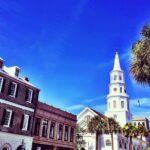



Citadel and Aiken-Rhett House through a black history lens
The Citadel and Aiken-Rhett House show up as part of the route, and that is a smart move for anyone who thinks they already know Charleston. Big landmarks can become background noise if you only see them as architecture.
On this tour, those stops come with a different set of questions. You’re not only asking what the place looks like. You’re also thinking about who had power, who had limited options, and how black communities lived alongside those structures.
That is why the Wraggborough emphasis matters. It keeps the story from floating away into abstract “history talk.” The guide’s framing helps you see how a city can present one face while another set of experiences shaped the real daily rhythm of life.
The guide (Franklin) and the Q&A style that makes it worth it
The strongest praise from past participants points to Franklin’s storytelling and his focus on contributions that often get ignored. When you have a guide who connects local people to the city’s development, you start to notice details you would otherwise miss.
In a small group, that kind of talk becomes interactive. You get room to ask questions, and that’s where you can personalize what you take away. If you care about religion, labor, civic power, or family life, you have a chance to steer the conversation in a way that fits your interests.
The tour also encourages pictures, so you can capture the stops you’ll want to remember later. Just keep in mind it’s not a long-photo safari. It is structured around short, meaningful moments and walking between them.
Group size, dogs, and the no-alcohol rule
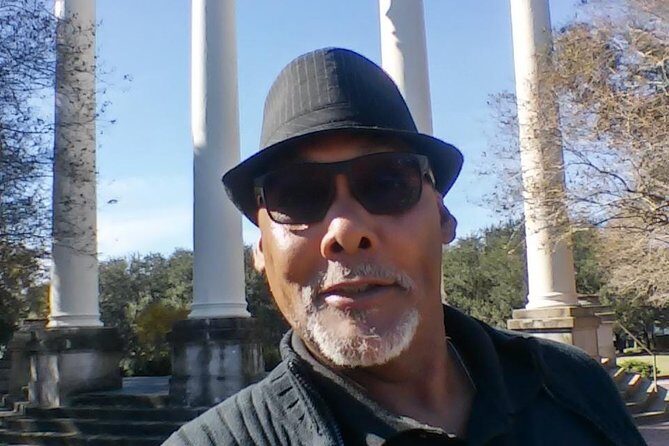
This tour caps at 20 travelers, and that small size shows in how the experience feels. You are less likely to get stuck behind a wall of people with no chance to hear. You can also pay attention to the guide instead of fighting for space.
A neat practical detail: you can bring your dog, with one clear rule—you must clean up after them. If you’re traveling with a pet, that’s helpful to know ahead of time, and it also sets expectations so everyone stays comfortable.
One more clear boundary: no alcohol. That keeps the tour focused on walking, listening, and respectful stop-and-go sightseeing.
And yes, it’s a walking tour, so comfortable shoes matter. If you’re considering it because you prefer easy strolling, you’ll probably enjoy the pace better than you might on a longer “cover-the-whole-city” tour.
Meeting point and logistics that keep it easy
You meet at 375 Meeting St and the tour ends back at that same spot. Start time is 11:00 am, and you can use a mobile ticket.
The tour is also described as being near public transportation, which helps if you don’t want to wrestle with parking. You’ll get confirmation at booking time, and service animals are allowed.
If you like planning around exact start times, this one gives you a clear target: arrive a few minutes early so you can check in and settle without stress.
Who this tour suits best
This tour fits you if you want:
- A Charleston walking experience that focuses on black history in Wraggborough, not just the highlights.
- A guided approach where you can ask questions and get context.
- A shorter time window (about 2 hours) where you still cover multiple important sights.
It is also a good fit if you’ve done the basics before and you want something more meaningful than a standard “here’s what this building is” tour. The theme is specific, and that specificity is the point.
You might want to think twice if you dislike walking, if you are sensitive to short stops at sites where admission might be separate, or if you’re looking for an alcohol-friendly social vibe. This one is built for learning and listening.
Should you book Frankly Charleston Sunday Walking Tour?
I’d book it if you care about seeing Charleston with a fuller story. The tour’s focus on Wraggborough and black history gives you a viewpoint that most one- or two-hour city walks don’t provide, and Franklin’s style—clear, direct, and centered on contributions—sounds like the kind of guide that makes you pay attention instead of tuning out.
One small caution: because Emanuel AME Church admission is not included, you’ll want to budget for any entry cost if you plan to go inside.
If you want Charleston that feels honest and connected—without wasting your time on the same surface-level highlights—this is a strong Sunday choice.
FAQ
How long is the Frankly Charleston Sunday Walking Tour?
It lasts about 2 hours.
What time does the tour start?
The start time is 11:00 am.
Where do I meet for the tour?
You start at 375 Meeting St, Charleston, SC 29403, USA.
How much does the tour cost?
The price is $57.15 per person.
Is a mobile ticket used?
Yes, the tour uses a mobile ticket.
Is admission included for Emanuel African Methodist Episcopal Church?
No. The admission ticket is not included for the Emanuel AME Church stop.
Can I bring a dog?
Yes, you can bring your dog, but you must clean up after them.
Are service animals allowed?
Yes, service animals are allowed.
What is the cancellation policy?
You can cancel for free up to 24 hours before the experience starts for a full refund. If you cancel less than 24 hours before, the amount you paid is not refunded.