REVIEW · CHARLESTON
Middleton Place Plantation Tour
Book on GetYourGuide →Operated by Historic Charleston Tours · Bookable on GetYourGuide
Charleston’s plantation tours can blur together fast. This one feels unusually real, starting with formal gardens shaped like Versailles and ending with period artisans working in the stable yard. If you want a clearer picture of how the land and the people worked together here, this is a strong pick for a half-day-style outing.
I especially like how the tour packs in two things at once: the beauty of the grounds and the heavy truth of slavery on the plantation. You also get a focused look at the Middleton family line through major American history links tied to the home and property.
One consideration: this isn’t a gentle, stop-and-sit experience. The tour isn’t suitable for people with mobility impairments, and it runs rain or shine.
In This Review
- Key highlights to know before you go
- A tight 3-hour plan that feels big on meaning
- Entering the Versailles-style formal gardens (and why 1741 matters)
- The plantation home: where the Middleton family connects to U.S. history
- Stable yard crafts and how the guide makes daily work make sense
- The plantation economy: rice, cotton, and indigo explained with purpose
- Value check: is $125 worth it?
- Who should book this tour (and who might want a different option)
- What makes the guiding experience stand out
- FAQ
- How long is the Middleton Place Plantation Tour?
- What does the tour cost?
- Is the plantation admission fee included?
- Is hotel pickup included?
- Does the tour run in bad weather?
- Who leads the tour?
- What will I see at the stable yard?
- What history will the tour cover beyond the buildings?
- Is the tour suitable for mobility impairments?
- Should you book it?
Key highlights to know before you go
- Versailles-inspired gardens created starting in 1741 and maintained for centuries
- The plantation home tied to key Middleton family figures in early American history
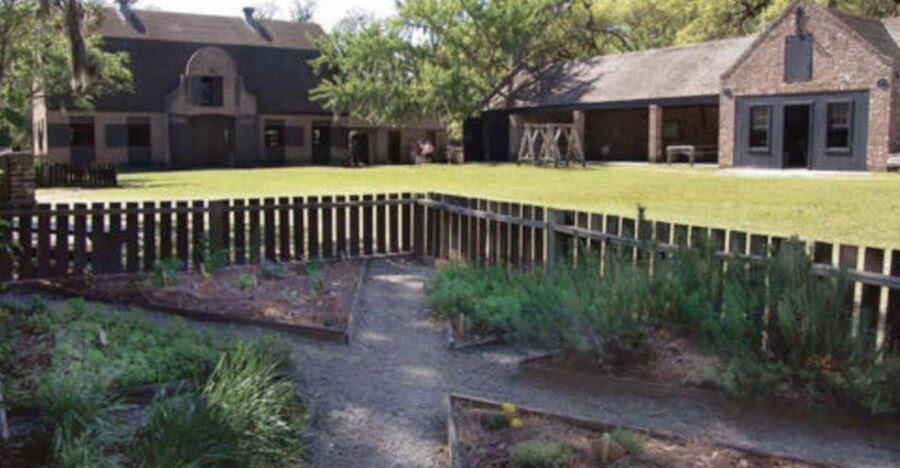
- A stop at the stable yard where you see craftsmen doing period work
- Lessons on the plantation economy, including rice, cotton, and indigo
- A guide-led focus on the lived reality of enslaved people, not just big names
A tight 3-hour plan that feels big on meaning
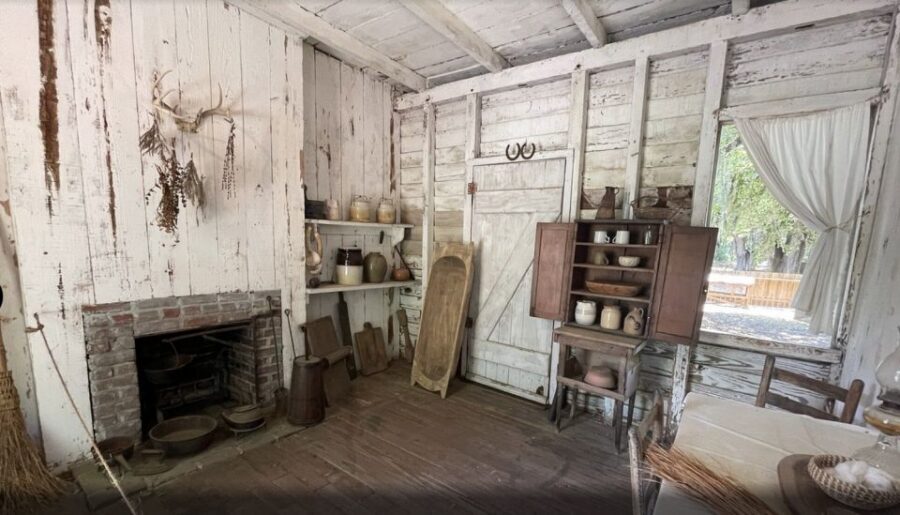
Middleton Place is a great example of why a good guided tour beats random wandering. You’re on the grounds long enough to see the main parts that matter, but you’re not stuck all day. The total time is about 3 hours, which fits well into a Charleston itinerary when you still want dinner plans and time to roam elsewhere.
At $125 per person, it’s not a budget throw-in. Still, the value is in what’s included: you get hotel pickup and a guided tour that explains what you’re seeing as you move between the garden, the home, and the working stable yard. The separate admission fee to the plantation is the one extra cost to plan for, so I’d treat the headline price as your tour cost plus admission at the site.
I also like the pacing. The experience has a clear storyline: start with the gardens, shift to the plantation home and the Middleton family, then close with working craftspeople and a direct look at slavery and daily life. It’s structured enough to keep you from feeling lost, yet open enough to let the place do its job.
If you're still narrowing it down, here are other tours in Charleston we've reviewed.



Entering the Versailles-style formal gardens (and why 1741 matters)
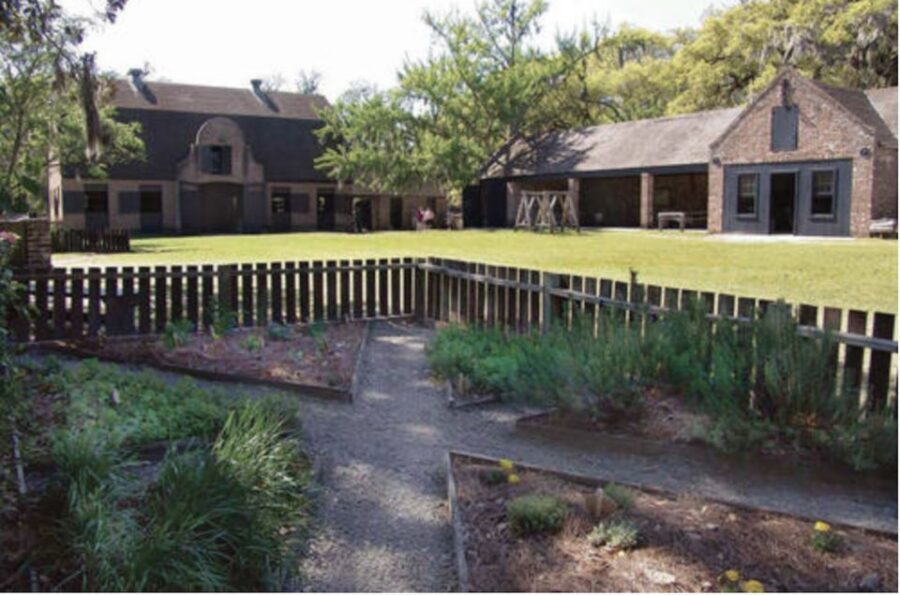
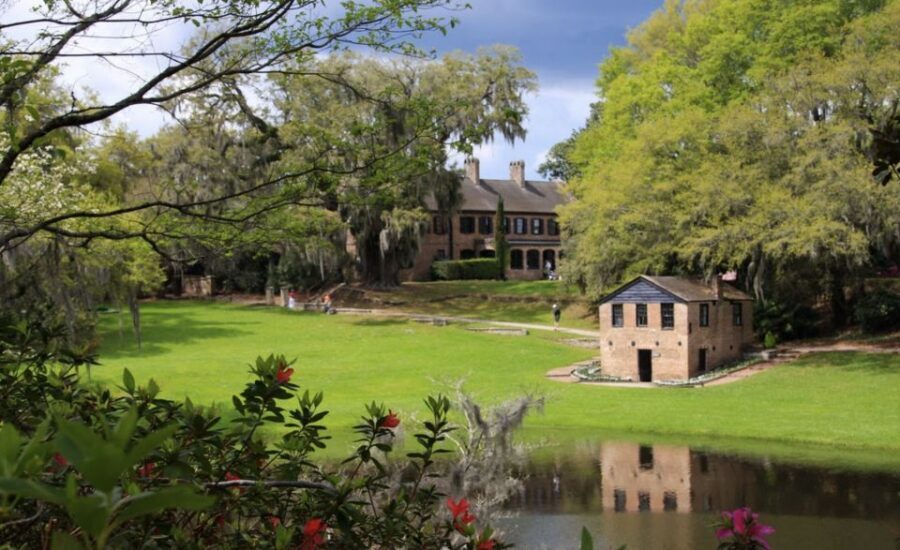
Your visit begins with the gardens, and that’s a smart start. Many plantation tours rush to the house. Here, you start with the setting—because the setting is part of the whole system. The gardens were created as America’s first formal gardens designed in the image of Versailles, and they’ve welcomed visitors for about two and a half centuries.
The Middleton family began construction in 1741, and the work continued over generations. That timeline helps you read the property correctly. You’re not just looking at “pretty landscaping.” You’re seeing long-term planning, money invested in formality, and a kind of display that mattered socially and politically.
You’ll also get context on how the grounds functioned over time. Formal gardens like this weren’t casual. They were designed to impress and to signal order. When your guide talks through the garden details, it’s easier to understand why the plantation’s wealth could be turned into something that looks calm and controlled—while the labor behind it was anything but calm.
Practical tip: wear shoes that handle walking on historic grounds. You’ll move between stops rather than stand in one spot the whole time.
The plantation home: where the Middleton family connects to U.S. history
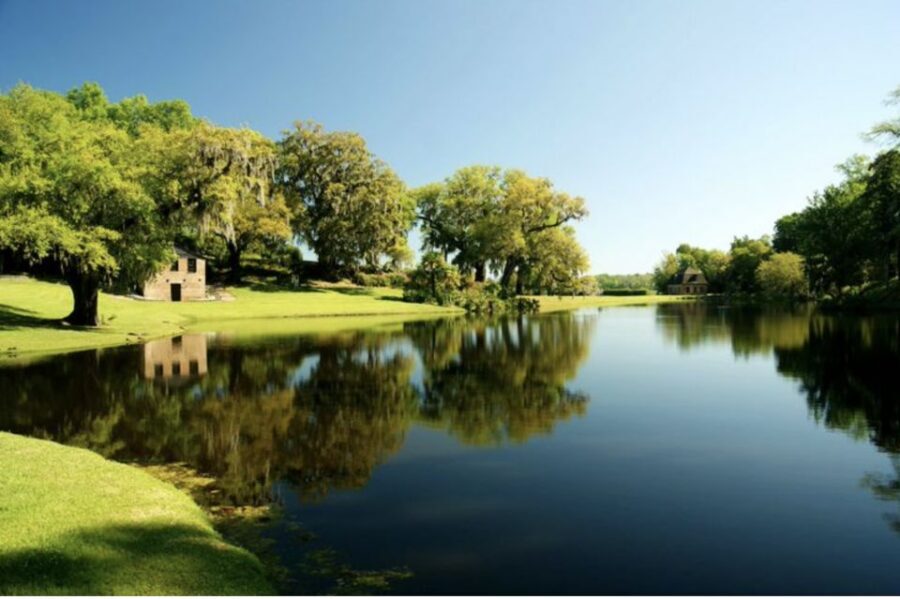
After the gardens, the tour moves to the plantation home. This is the part you’ll likely photograph the most, but the real payoff is how the guide links the building to major early American history.
The home at Middleton Place is described as the most authentic plantation home in the Charleston area. That authenticity matters because it keeps your attention on the physical place, not just the general theme of plantation life. If you’ve ever felt that some tours can become vague or overly broad, this one stays grounded in what the property itself suggests.
Here’s the kind of lineage you’ll hear about while standing in the home’s world:
- Henry Middleton, the second President of the First Continental Congress
- Arthur Middleton, who signed the Declaration of Independence
- William Middleton, who signed the Ordinance of Secession
That list can turn into trivia fast on other tours. On this one, it’s used to show how the people connected to this plantation were also tied to national decisions. In other words, it’s not just a family story. It’s a map of influence.
I also appreciate that the tour doesn’t let the big names erase the rest of the story. The conversation is organized so that after you see the house and hear the key names, you’re ready for the next stop—what life looked like for people whose labor made places like this possible.
Stable yard crafts and how the guide makes daily work make sense
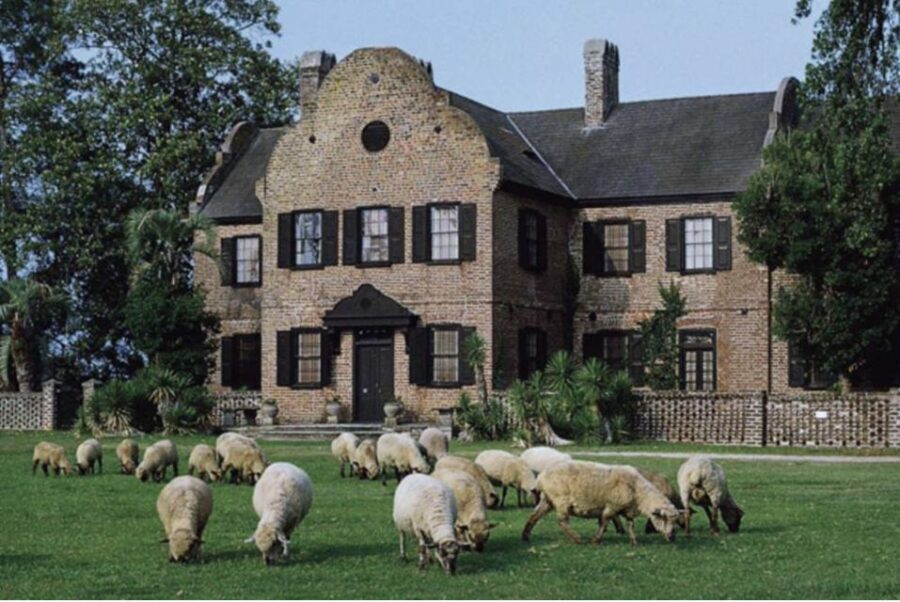
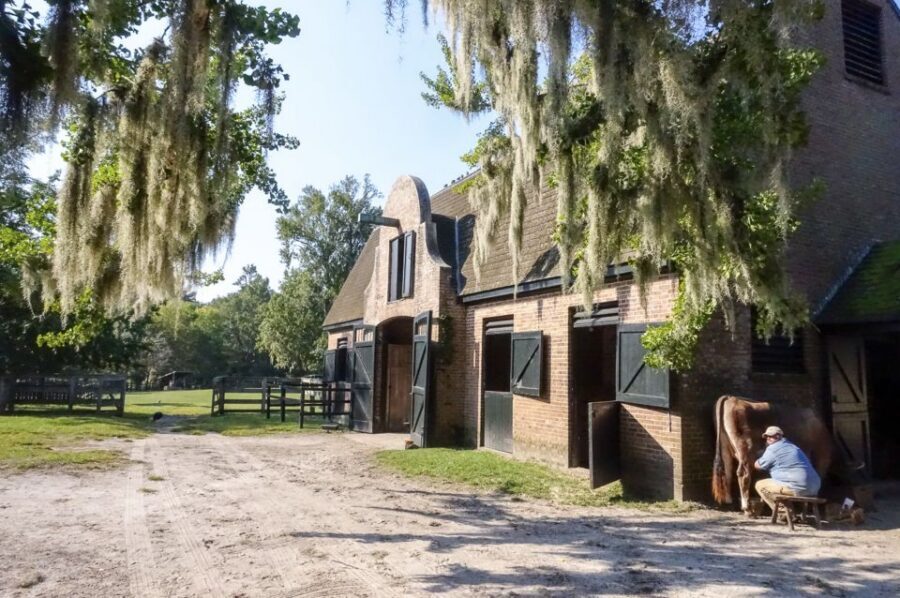
The final stop is the stable yard, and it’s one of the most memorable parts of the entire experience because it uses daily routines to tell a complicated story without turning it into a lecture-only format.
You’ll see working craftsmen performing chores of the day, dressed in period clothing. The tour highlights different trades, including a seamstress, a barrel maker, a pottery maker, and a blacksmith. Seeing these roles in action helps you understand the plantation as a functioning workplace, not just a backdrop.
This is also where the tour’s focus on slavery becomes direct. You’ll learn about the history of slavery on the plantation as part of the stable-yard scene. That combination matters: crafts show the systems needed to run the operation, and the slavery lesson explains who was forced to make that system work.
A small note for expectations: this isn’t a museum-style walk where everything stays behind ropes. It’s guided, interpretive, and designed to help you connect work, objects, and human lives. If you like tours that explain the “how” and the “why,” you’ll probably feel satisfied here.
The plantation economy: rice, cotton, and indigo explained with purpose
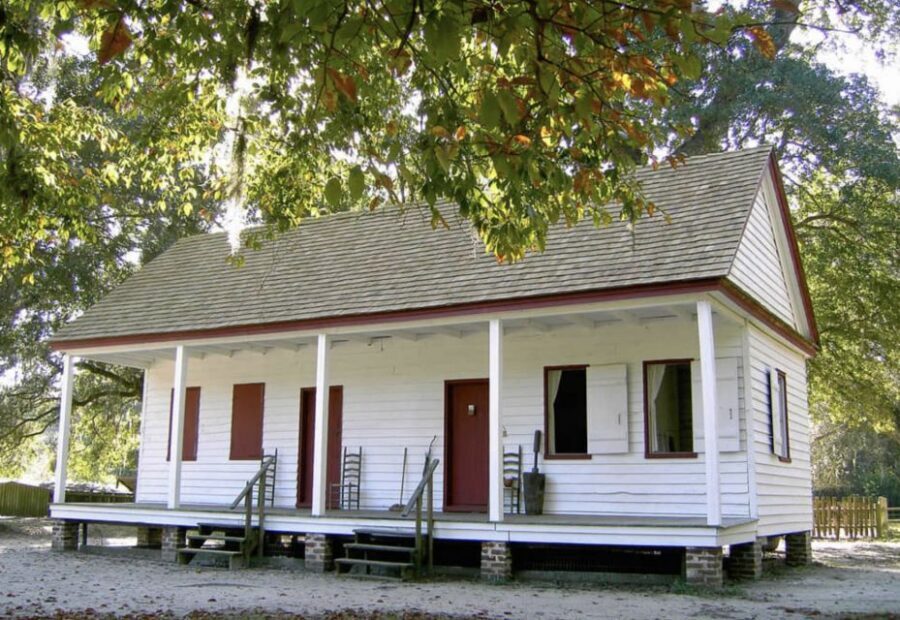
Middleton Place isn’t only about one family or one home. The tour also takes on the broader plantation economy, including the history of rice, cotton, and indigo.
Why does that matter for you as a visitor? Because crops are a shortcut to understanding the whole machine behind the estate. Each crop shaped labor needs, land use, and daily routines. When your guide talks about these crops, it gives context to what you’ve already been shown in the gardens, the house, and the working yard.
It also helps the tour feel less like disconnected stops. You start to see how formal gardens and major historical connections sit on top of agricultural realities. That makes the story harder to ignore—which is exactly what a tour like this should do.
If you’re the kind of traveler who likes to leave with a few clear takeaways (instead of a pile of random facts), this crop history section is built to do that.



Value check: is $125 worth it?
Let’s talk money honestly. $125 per person sounds steep until you list what’s included: hotel pickup and a guided tour covering multiple major areas of Middleton Place. There’s also an admission fee at the plantation that isn’t included, so your total day cost will be a bit higher than the tour price alone.
So where’s the value? It’s in the guidance. The tour isn’t just showing you three pretty locations. It explains how the gardens were designed in the Versailles style, how the home connects to key political figures, and how the stable yard shows trades alongside lessons about slavery. You’re paying for interpretation that helps the site click into place.
Also, guide quality seems to be a major reason people rate this so highly. Recent experiences highlight Mike as a strong conversationalist and guide who shares lots of clear information about the family, the property, and its importance. When a guide can keep the story moving instead of rattling off dates, you end up spending your time smarter.
If your goal is a quick photo stop, this likely isn’t the cheapest option. If your goal is a guided understanding of an authentic plantation site in the Charleston area, it’s easier to justify.
Who should book this tour (and who might want a different option)

This tour fits best if you want:
- A guided tour that explains what you’re seeing
- An authentic plantation home experience
- Direct learning about the history of slavery on the plantation
- A visit that connects grounds, household life, and working trades
It’s also a good match for people who like the combination of aesthetics and honesty: you get the formal garden setting, but the tour doesn’t let that beauty become an excuse to soften the story.
If you have mobility limitations, though, it’s not suitable. Also, because it runs rain or shine, you should be comfortable walking and staying engaged even when weather isn’t cooperating.
What makes the guiding experience stand out
One theme comes through clearly: the best part is the person leading the tour. People repeatedly note that Mike is friendly, engages in conversation, and explains the site in a way that leaves you understanding more than you expected before you arrived.
That’s not a small thing. A plantation tour can easily become either too broad or too scripted. Here, the guide helps keep the story coherent—starting with the gardens, moving through the house and Middleton family links, then ending with the stable yard crafts and slavery history. When the guide can connect those dots, the time flies in the right way.
I’d also call out the balance of the content. You get both the “what” (where things are and what they are) and the “so what” (why the connections between family influence, labor, and crops matter). That’s usually what turns a tour from a visit into learning.
FAQ
How long is the Middleton Place Plantation Tour?
The tour lasts about 3 hours.
What does the tour cost?
The price is $125 per person.
Is the plantation admission fee included?
No. The admission fee to the plantation is not included.
Is hotel pickup included?
Yes. Pickup is included, either from your hotel or another agreed pickup point.
Does the tour run in bad weather?
Yes. The tour takes place rain or shine.
Who leads the tour?
It is a guided tour led by a guide from Historic Charleston Tours. In recent experiences, Mike is mentioned as an excellent guide.
What will I see at the stable yard?
You’ll see working craftsmen performing daily chores, including a seamstress, barrel maker, pottery maker, and blacksmith, all dressed in period. You’ll also learn about the history of slavery on the plantation.
What history will the tour cover beyond the buildings?
You’ll learn about the history of rice, cotton, and indigo, along with slavery on the plantation.
Is the tour suitable for mobility impairments?
No, it is not suitable for people with mobility impairments.
Should you book it?
I’d book this tour if you want an authentic Middleton Place experience with a guide who brings the property to life—especially if you care about learning how slavery shaped plantation life, not just viewing the architecture. The mix of Versailles-style gardens, the Middleton home connected to major American events, and the stable-yard crafts makes the story feel complete in a short window.
Skip it only if mobility is an issue or if you’re looking for a lightweight, sit-down-only visit. Otherwise, this is one of those Charleston experiences that helps you understand what you’re seeing, and why it mattered.