REVIEW · CHARLESTON
The Badass Broads of Charleston
Book on GetYourGuide →Operated by JWalk Tours · Bookable on GetYourGuide
Badass women in Charleston history? That is the whole point. This 2-hour Historic District walking tour ties familiar street corners and old buildings to real women who pushed back—often at brutal personal cost—and it does it with a storyteller’s sense of timing and emotion.
I especially like the licensed City of Charleston guide setup and the way the stories cover more than dates and facts. The tour leans into tragedy, humor, and inspiration, and you get a 2-mile walk that feels like education with a pulse.
One possible drawback: plan for rain. The tour goes out in the rain, but it won’t run in lightning, and you’ll want to show up ready for wet weather.
In This Review
- Key takeaways before you go
- Where the tour starts: Bitty and Beau’s coffee shop
- Your route: 2 miles in 2 hours of Historic District storytelling
- What happens at each stop: places as clues to real lives
- Churches: faith, power, and public life
- Graveyards: memory that refuses to stay buried
- Architecture and houses: status you can read
- The women behind the places: fighting the system, fighting the world
- The guide matters: licensed storytelling you can question
- Price and value: what $34 buys you in Charleston time
- Weather reality: rain-ready, lightning-free
- Who this tour fits best (and who might want something else)
- How to get the most out of the 2 hours
- Should you book The Badass Broads of Charleston?
- FAQ
- How long is The Badass Broads of Charleston?
- How far do you walk during the tour?
- Where do we meet the guide?
- Is the tour wheelchair accessible?
- Does the tour run in bad weather?
- What should I bring?
- What is not included in the price?
Key takeaways before you go
- Only tour style like this: it’s built specifically around the badass women of Charleston, not just general sightseeing.
- Stories that hit multiple moods: tragic, funny, and inspirational in the same walk.
- A purposeful route on foot: you cover about 2 miles in 2 hours, so it doubles as a light workout.
- Stops with “why this matters” context: churches, graveyards, architecture, and houses each connect to a woman’s story.
- Ask questions as you go: the guide keeps things interactive, so you’re not stuck passively listening.
- Weather-aware, not weather-proof: you go in rain, so bring the right mindset and gear.
Where the tour starts: Bitty and Beau’s coffee shop
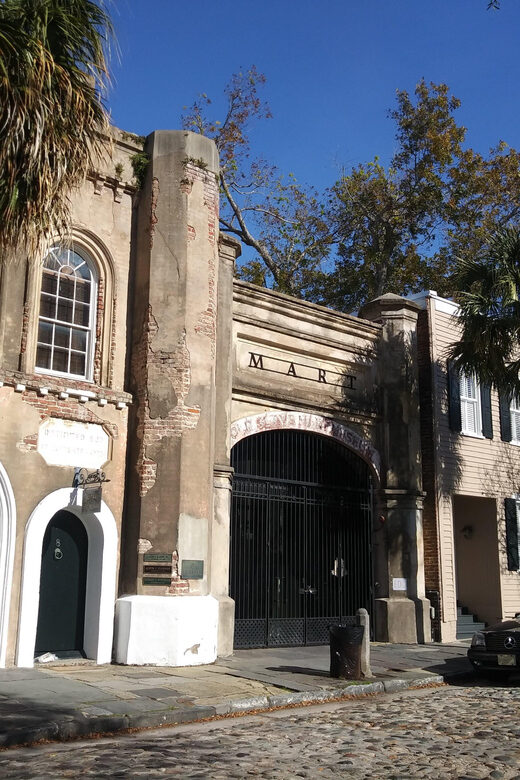
Most good walking tours start with one small thing that makes the rest easier: you meet in a real, easy-to-find public place. Here, that’s Bitty and Beau’s, a coffee shop in Charleston where your guide is waiting.
That matters more than it sounds. You can settle in, find the group, and get the day rolling without a complicated scavenger hunt for the first stop. It’s also a nice reset point because the tour ends back at the starting area, so you can keep your day moving without guessing how to retrace your steps.
You’ll also get your tour rhythm early. Expect a guide who frames the walk so you understand what you’re looking at and why the next person’s story connects to the last place you saw.
If you're still narrowing it down, here are other tours in Charleston we've reviewed.



Your route: 2 miles in 2 hours of Historic District storytelling
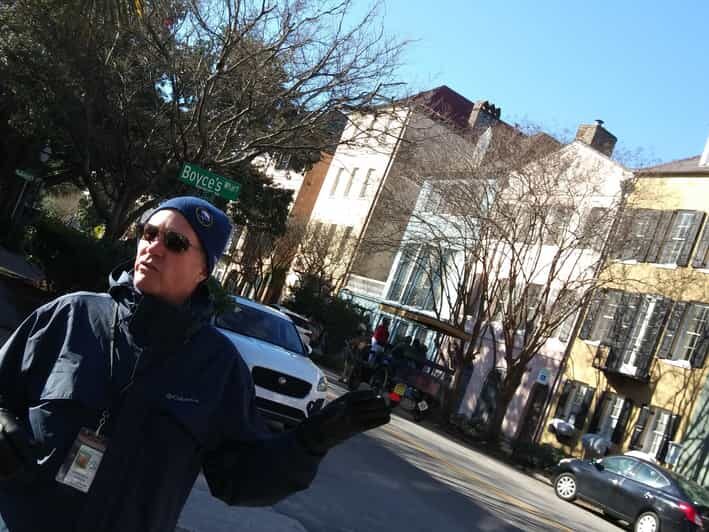
This is a 2-hour walking tour through Charleston’s Historic District. The walking distance is about 2 miles, which means you’ll cover a decent chunk of ground without it turning into an all-day expedition.
Why that pacing is a win: Charleston history can feel endless if you try to do it on your own. This length is short enough to stay focused, but long enough to connect the dots between buildings and the women tied to them. You’re not just ticking off “see this, then that.” You’re walking through a chain of clues.
Along the way, the tour focuses on four categories of places:
- Churches
- Graveyards
- Architecture
- Houses
The practical takeaway for you: wear comfortable shoes. That’s not just a generic warning. It’s the entire success factor for a walk of this length in a historic district where you’ll want your feet to feel reliable from start to finish.
What happens at each stop: places as clues to real lives
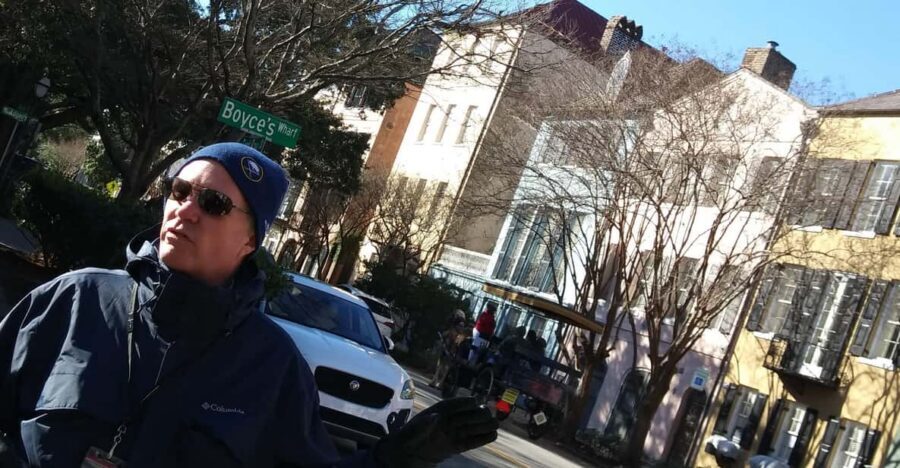
Even without a formal museum feel, the stops are doing real work. The guide brings each place to life by pairing it with the “badass” broad connected to it—then using that story to explain larger themes about power, resistance, and survival.
Here’s how to think about the flow, stop by stop:
Churches: faith, power, and public life
A church in Charleston is never just a building. On this tour, you’ll learn the history of the church and then meet the woman whose life intersects with it.
What I like about this approach for you: it turns religious history from abstract into personal. You get a sense of who had voice, who had access, and how communities shaped or challenged people through the rules of the time.
Potential tradeoff: church-related stories can include heavy themes. The tour is built around tragic moments, so if you’re hoping for strictly upbeat sightseeing, you may feel the emotional weight.
Graveyards: memory that refuses to stay buried
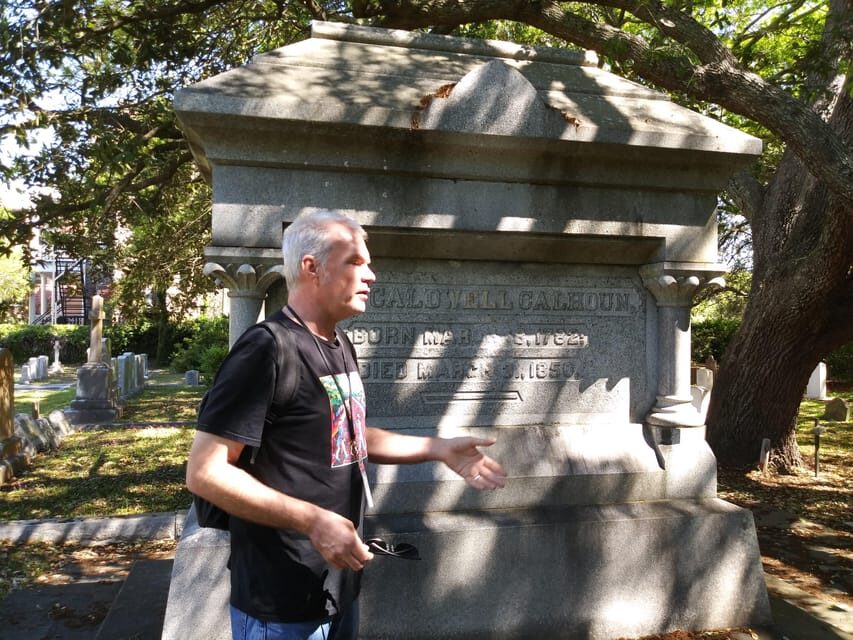
Graveyards can be awkward in a tour setting if the guide treats them like props. Here, they’re used for meaning—history of the area and a woman’s connected story.
This is where the tour’s emotional ride really starts to make sense. The guide uses the permanence of a graveyard to highlight how long consequences last, and how long people’s impact can echo even when they’re no longer alive.
If you’re the type who likes context, this section is strong. You’ll come away with a clearer understanding of how Charleston remembers its own past—and who, historically, got to be remembered.



Architecture and houses: status you can read
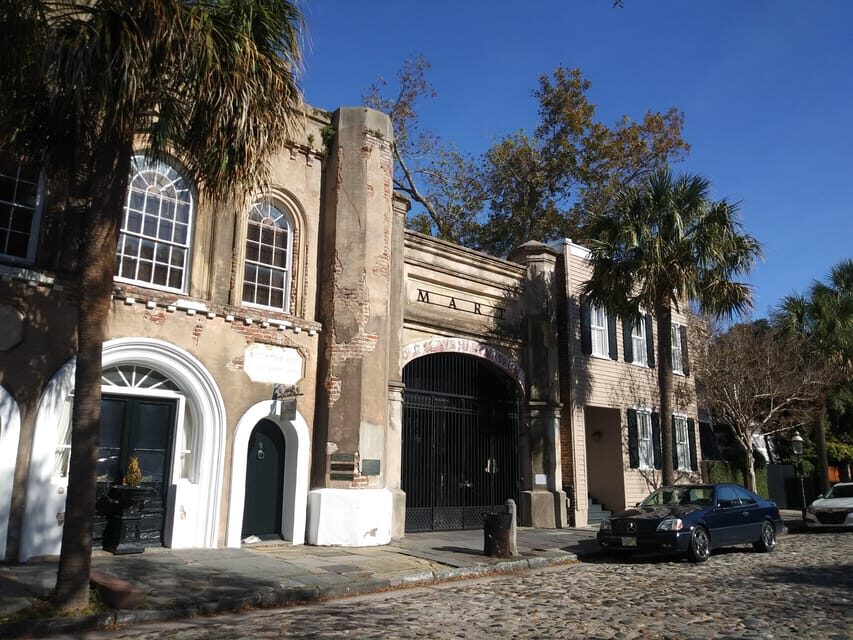
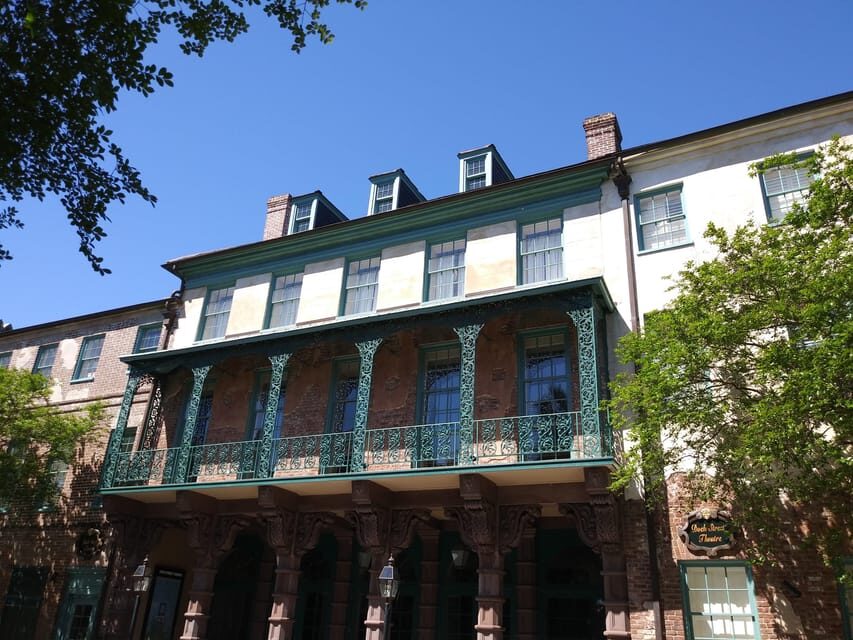
In Charleston, buildings tell stories fast. On this tour, architecture and houses are not just “pretty backdrops.” You’ll learn what the buildings represent—how they relate to the time period, the community, and the social rules—and then connect that built environment to a specific badass broad.
This is a smart way to understand architecture because you’re not only looking at style. You’re also learning what kind of life was supported by those walls, and what kind of restrictions were enforced.
The women behind the places: fighting the system, fighting the world
The tour is really about the women—what they did, who they challenged, and why that mattered. You’ll hear about women who:
- fought against the system
- fought against men
- fought slavery and bigotry
- fought the world for the simple right to live with agency
And yes, the stories include tragedy, but they also include humor and inspiration. That mix keeps it from becoming one-note. It also helps you understand something important: resistance isn’t only a solemn concept. Sometimes it’s sharp, funny, and stubborn in ways that surprise you.
The guide matters: licensed storytelling you can question
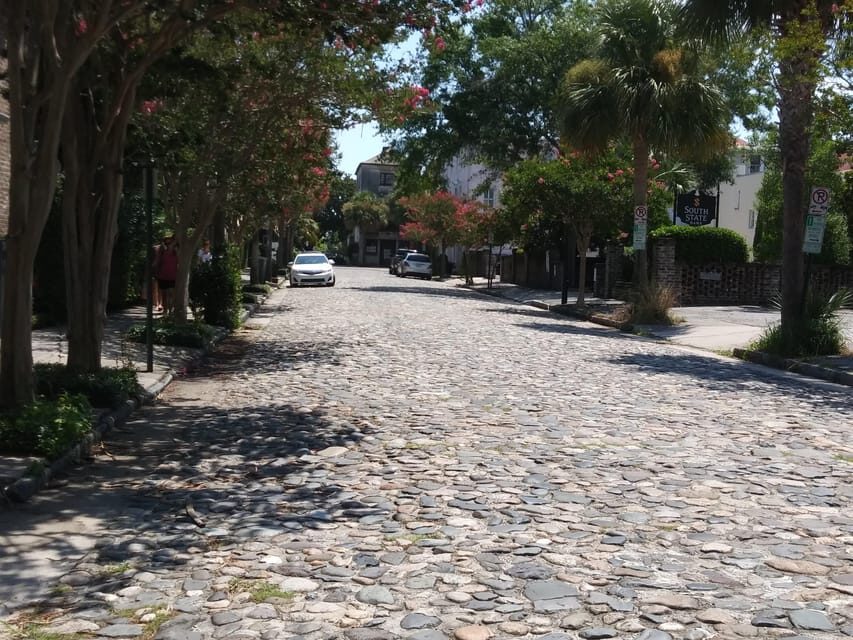
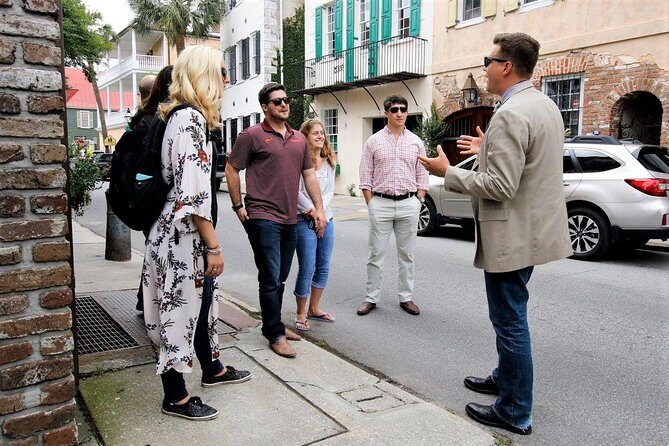
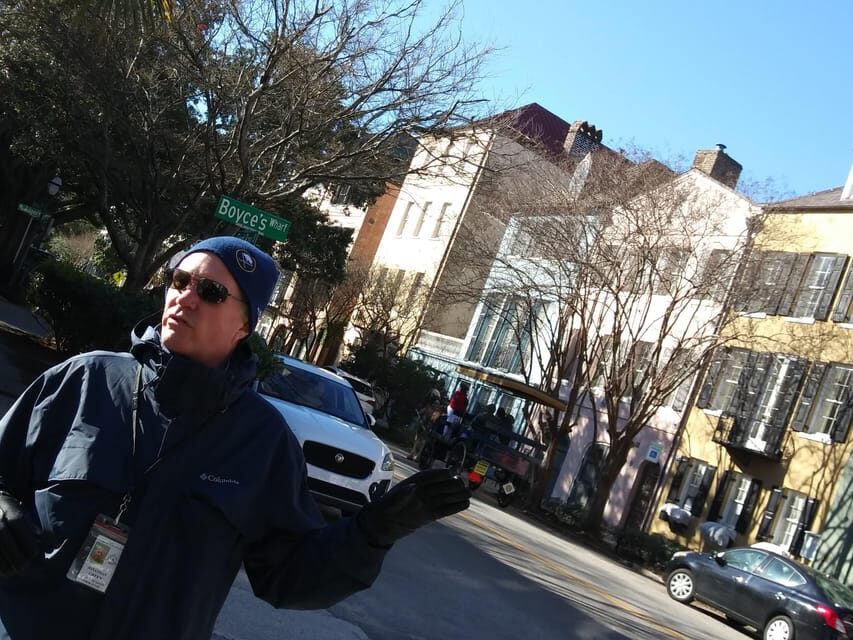
The tour is led by a guide licensed by the City of Charleston. That gives you a baseline of credibility—this isn’t just a friend-with-a-walk-tour situation.
It also helps the guide teach with confidence. You can tell the difference when a guide has to meet professional expectations: the pacing tends to be clean, explanations tend to connect, and you spend less time hunting for meaning.
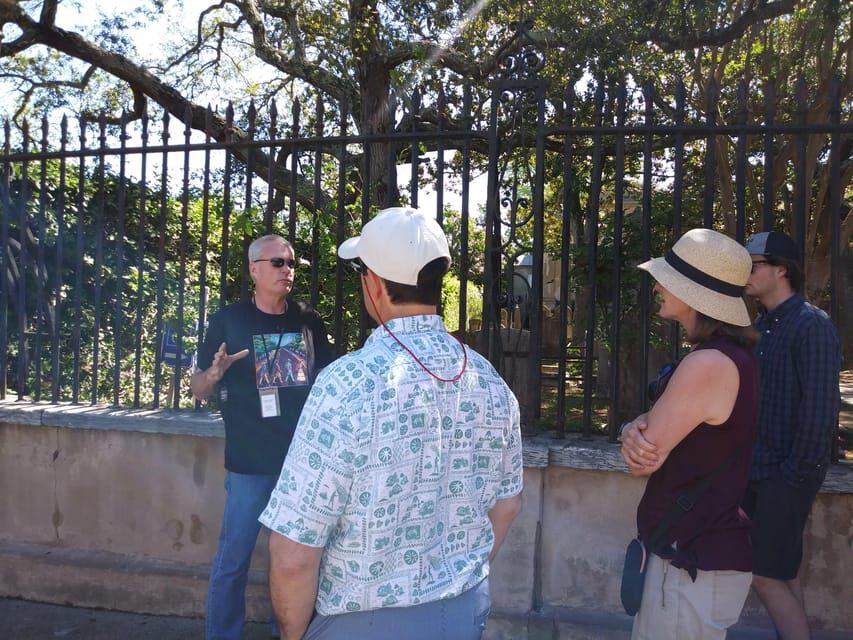
You’ll also have room for questions and comments. One of the best parts of a walking tour is when it’s conversational, and this one is set up for that.
If you’re lucky and Jonathan is leading, you’ll likely notice his passion and interactive style. The name comes up again and again in the guide feedback, and the common thread is clear: he connects the city to the people who shaped it and makes you feel comfortable asking questions.
Price and value: what $34 buys you in Charleston time
At $34 per person for 2 hours, you’re paying for three things that add up fast in a tourist city:
- A structured walking route (so you don’t waste time improvising)
- A guide with a city license (so the story stays grounded)
- Storytelling that connects locations to people instead of treating history like a list
In other words, you’re not paying just for a stroll. You’re paying to understand what you’re seeing while you’re still there.
Two extra value points:
- You get about 2 miles of walking, which is a nice bonus when your vacation days are mostly driving and sitting.
- It’s the only tour in Charleston that’s intentionally focused on the badasses—the Daughters of Charleston—so you’re not repeating generic “this is old” content.
Downside to consider with value: water, bug spray, and an umbrella are not included. That’s not a dealbreaker, but you should plan small costs on your own. If you show up unprepared, you’ll feel it more on a 2-mile rain-capable walk.
Weather reality: rain-ready, lightning-free
The tour goes in the rain. That means you should treat this like a normal Charleston day: weather can change fast, and you need gear that keeps you comfortable and steady.
At the same time, the tour does not go in lightning. That’s the smart safety line, and it means you’re less likely to be stuck out there in dangerous conditions.
Practical prep from the essentials you’re told:
- bring comfortable shoes
- assume it could be wet
- skip the idea that you can rely on the tour to provide what you need (since water and an umbrella aren’t included)
Who this tour fits best (and who might want something else)
This tour is a great fit if you want history that doesn’t sound like a textbook. It’s especially good for you if:
- you like walking tours but want the story to be the main event
- you’re interested in women’s history and resistance to injustice
- you want Charleston context beyond the usual postcards
- you want a guide who can handle heavy topics with clarity and pacing
It might be a less ideal fit if you prefer light, purely scenic history with minimal emotional weight. The content includes tragedy as well as humor and inspiration, so you should expect a real emotional arc.
It also suits couples, solo travelers, and families who can handle serious themes. Just be aware that the “badass” concept here includes conflict, not just attitude.
How to get the most out of the 2 hours
If you want this tour to stick with you after the walk is over, do two things:
- Ask questions when something clicks, especially when the guide connects a building to a woman’s life.
- Pay attention to how each place is used as evidence. The tour’s power is in the connection chain: church/graveyard/building/house → woman → larger story.
Also, plan your day with enough breathing room after you finish. You’re back at the starting point, but you’ll want a little time to process what you heard—especially because the emotional mix is part of the design.
Should you book The Badass Broads of Charleston?
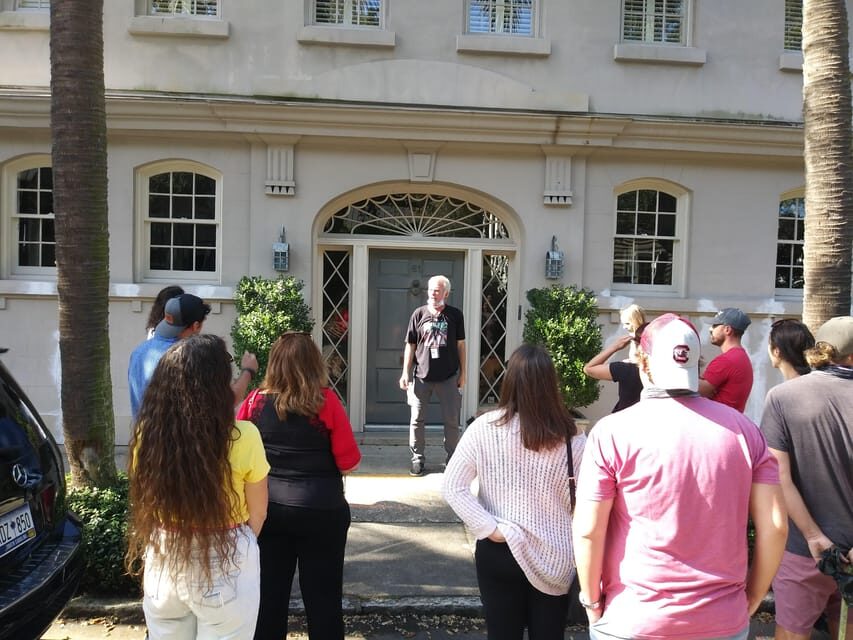
I’d book it if you want a Charleston tour that feels like a story you can walk through—one that treats places as clues and focuses on women who fought for agency, dignity, and survival. For $34, the value is strong because you’re buying guided context, not just exercise.
Skip it (or pick a different tour) if you want strictly upbeat sightseeing or you’re not comfortable with rain-capable walking and the reality of tragic historical experiences.
If you’re aiming for a memorable first pass through the Historic District—one that teaches you something real while still keeping the energy human—this is the kind of tour that changes how you see Charleston after you leave the street corner.
FAQ
How long is The Badass Broads of Charleston?
The tour lasts 2 hours.
How far do you walk during the tour?
You walk about 2 miles in those 2 hours.
Where do we meet the guide?
You meet at Bitty and Beau’s. Your guide will be there.
Is the tour wheelchair accessible?
Yes, it is listed as wheelchair accessible.
Does the tour run in bad weather?
The tour goes in the rain, but it does not go in lightning.
What should I bring?
Bring comfortable shoes.
What is not included in the price?
Water, bug spray, umbrella, parking, and gratuity are not included.