REVIEW · CHARLESTON
The Death and Depravity Ghost Tour in Charleston
Book on Viator →Operated by Ghost City Tours of Charleston · Bookable on Viator
Charleston at night hits different. This Death and Depravity Ghost Tour turns famous spots into a story walk, with dark history, pirate lore, and churchyard whispers. I love how the route uses real, recognizable landmarks like the Powder Magazine and the Old Exchange area instead of just vague “haunted corners.” I also like that you get a local, professional guide for a focused 90-minute evening, not a long all-day commitment.
One thing to note: this is a 16+ tour with mature themes, and the “scary” level is more story-driven than jump-scare dramatic. Also, access can be limited—think exterior viewing more than walking inside buildings or entering cemeteries.
In This Review
- Key Highlights You’ll Care About
- A Night Walk Through Charleston’s Darker Corners
- Route at a Glance: Powder Magazine to Revolutionary War Spirits
- Stop 1: Powder Magazine (1713) and Why It Feels So Heavy
- Stop 2: Old Exchange & Provost Dungeon After Dark
- Stop 3: Charleston Waterfront Park and the Pirate Stories Setup
- Stop 4: Circular Congregational Church Graveyard and the Oldest Tomb
- Stop 5: The Unitarian Church and Revolutionary War Soldiers
- What Makes This Tour Worth It: Guides, Pacing, and Adult Themes
- Practical Tips: Tickets, Shoes, Weather, and Photo Timing
- Price and Value: What You’re Buying and What You’ll Still Need
- Who Should Book This 16+ Charleston Ghost History Walk
- Should You Book Ghost City Tours of Charleston’s Death and Depravity?
- FAQ
- How long is the Death and Depravity Ghost Tour in Charleston?
- Where does the tour start and where does it end?
- Is the tour offered in English?
- What’s included in the tour price?
- What is not included?
- Is there an age requirement?
- How big are the groups?
- Can I get a refund if my plans change?
Key Highlights You’ll Care About

- Powder Magazine (1713): rare colonial structure tied to defense, conflict, and local ghost lore
- Old Exchange & Provost Dungeon: Georgian above-ground beauty with grim prison history below
- Waterfront pirate talk: stories tied to Charleston’s maritime edge and nighttime mood
- Circular Congregational Church: graveyard focus with the city’s oldest tomb in the mix
- Unitarian Church Revolutionary War haunting: soldiers’ ghosts as part of the evening theme
- Small-group feel: up to 20 people, so questions and pacing are easier to manage
A Night Walk Through Charleston’s Darker Corners
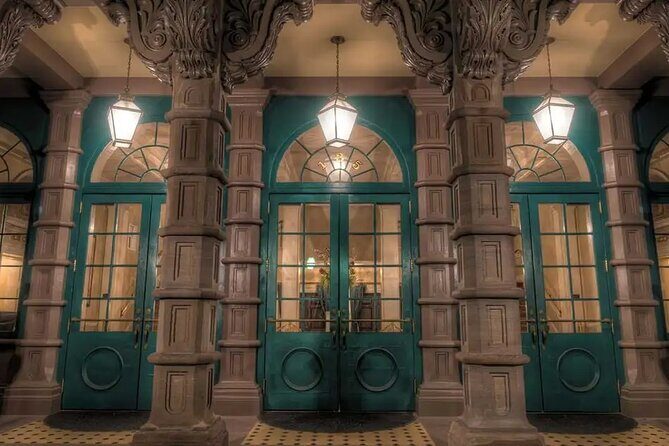
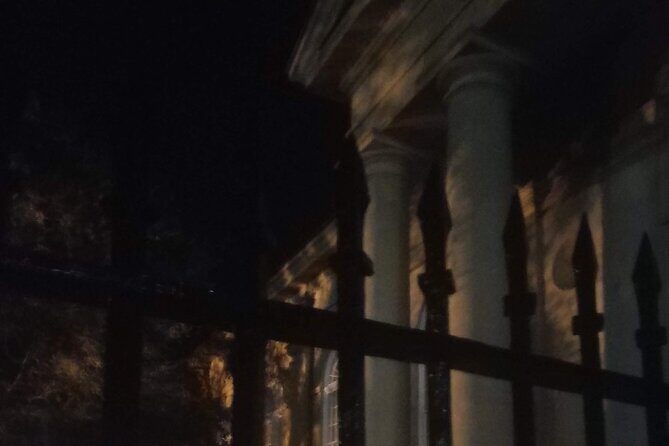
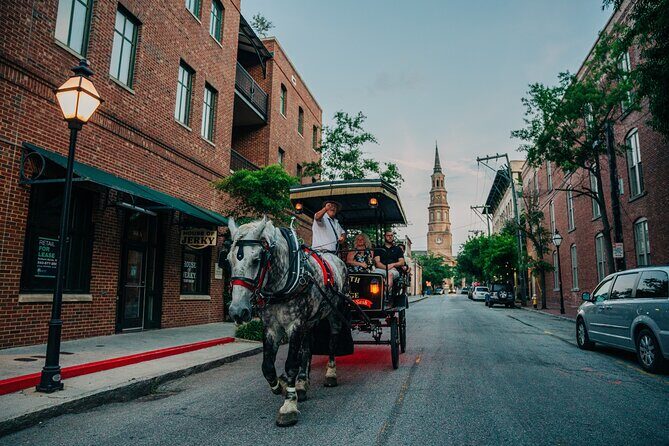
If you like your Charleston with a shadow side, this tour is built for you. It’s one hour plus of guided storytelling at night, moving through a handful of major stops. You’ll see the city’s architecture in a different light—literal streetlight shadows, quieter streets, and landmarks that feel more present after dark.
The best part for me is the way the tour connects everyday Charleston landmarks with uncomfortable history. You don’t need to hunt for spooky details. The guide does the work for you: setting scenes, explaining context, and tying each stop to a specific thread—war, punishment, piracy, and burial grounds.
Because it’s adult-only (16+), you should expect mature themes. That also means the atmosphere can be a little blunt. Some guides lean into dramatic storytelling and dark humor, and the emphasis is more “true crime meets history” than “cozy campfire ghosts.”
If you're still narrowing it down, here are other tours in Charleston we've reviewed.



Route at a Glance: Powder Magazine to Revolutionary War Spirits
You’ll meet near Concord Street and Vendue Range and spend most of the evening in the historic core. The tour runs about 1 hour 30 minutes, with brief stops that keep you moving and listening. The schedule is designed around story pacing: around 15 minutes at major early stops, then about 20 minutes at the church-focused segments.
Here’s the flow in plain terms:
- Powder Magazine for colonial-era defense and early conflict lore
- Old Exchange & Provost Dungeon for prison history and haunting tales tied to the building
- Charleston Waterfront Park to set the pirate mood before the churchyard portion
- Circular Congregational Church for graveyard atmosphere and the oldest tomb
- Unitarian Church in Charleston for Revolutionary War soldier haunting stories
That mix matters. You get more than one “kind” of spooky. It’s colonial military danger, later punishment and imprisonment, maritime legend, and then the cemetery/war connection. If you’ve been to Charleston in daylight and felt like you only saw the postcard layer, this tour helps you read the city like a case file.
Stop 1: Powder Magazine (1713) and Why It Feels So Heavy
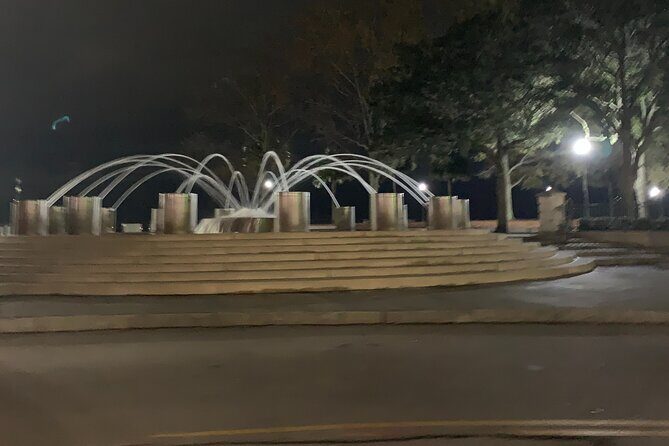
The tour begins at the Powder Magazine, built in 1713 by British colonists. This isn’t a generic prop. It’s one of the surviving colonial structures in Charleston, and the solid walls were made for one purpose: storing guns and ammunition so the colony could protect itself from nearby threats.
The interesting thing about this stop is that it gives you a foundation for the rest of the night. Before you move into prisons and hauntings, you’re reminded that Charleston’s early story involved constant danger—Indian wars, Spanish threats, French invasion fears, and colonist insurrection. The tour uses those events to explain why places like this matter, long after the original conflict ended.
You also get local lore tied to people who fought and died in exchanges around those threats. Whether you treat the ghost stories as literal or symbolic, the feeling is the same: you’re standing in a building designed to hold power, fear, and consequence.
A practical note: admission for the stop isn’t included, so if the magazine requires a paid ticket during the time you’re there, you’ll want to plan for that.
Stop 2: Old Exchange & Provost Dungeon After Dark
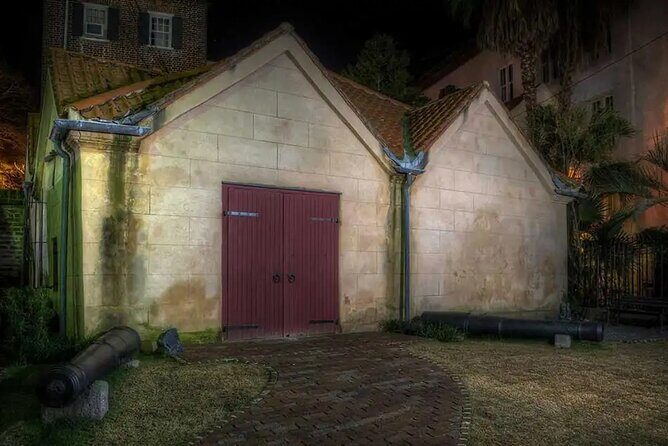
If you want one stop that really defines the vibe, it’s the Old Exchange and the Provost Dungeon. The building is well known for its elegant Georgian appearance above street level, then a very different story underneath. The dungeon basement is where the tour’s tone turns sharply darker.
What makes this stop compelling is the contrast. Charleston’s history often looks elegant at street level, but the tour nudges you to think about what happened beneath it. Prisoners, punishment, and grim conditions become the center of the storytelling, along with haunting claims that the past hasn’t left the walls.
This is also where the tour is most likely to feel like it’s “doing what it promises,” even if you don’t get actual ghost sightings. The site’s reputation is built on real historical use, and then the tour adds the layers of legend that keep the building famous long after visitors leave.
Like the Powder Magazine, admission isn’t included at this stop. And based on the way these tours are run in the city, expect mostly viewing and storytelling rather than a full wandering session inside every area.
Stop 3: Charleston Waterfront Park and the Pirate Stories Setup
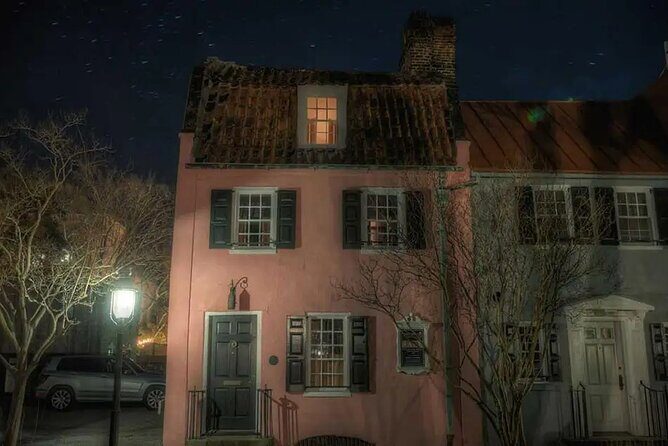
After the heavier prison talk, the tour shifts to the Charleston Waterfront Park area to discuss pirate ghosts. This stop works as a mood change, but it’s not just there for atmosphere. Charleston’s waterfront history connects to trade routes, raids, and the kind of danger that doesn’t stay politely in the background.
In practical terms, this is also one of the nicer stops to be your photographer-self. Nighttime near the water can give you strong shadows and reflective surfaces. One fun tip that’s worth taking seriously: bring your phone out early and take multiple photos, then check the windows and reflections in your pictures. You’re not guaranteed anything spooky, but the visual results can be worth the effort.
You’ll likely spend about 20 minutes here, and the goal is to tie maritime legend to what comes next—the church and graveyard portion of the night.

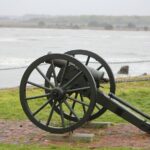

Stop 4: Circular Congregational Church Graveyard and the Oldest Tomb
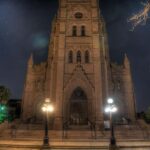
Now you’re in the cemetery zone of the evening. The Circular Congregational Church stop focuses on the graveyard and the city’s oldest tomb. This is where the tour leans into death not just as horror, but as part of how Charleston remembers.
This kind of stop changes how you listen. A waterfront pirate story asks you to picture movement—ships, escape, pursuit. A graveyard story asks you to picture stillness. It’s slower, more reflective, and often more effective if you pay attention to how the guide frames the history: who built what, why it ended up here, and why the location keeps mattering.
Also, don’t assume you’ll be granted full access to everything around the cemetery. With ghost tours, city rules and safety limits can affect what you can enter or stand near. Plan for exterior viewing and guided storytelling at the edges.
Stop 5: The Unitarian Church and Revolutionary War Soldiers
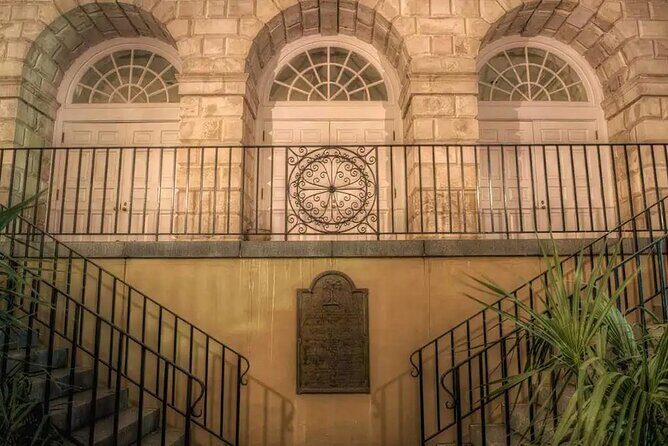
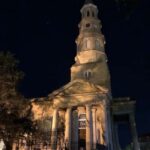
The final landmark stop is the Unitarian Church in Charleston, where the tour discusses haunting stories connected to Revolutionary War soldiers. This is a smart ending choice because it loops back to the earlier theme of danger, but with a later historical chapter.
If the first part of the tour feels like “Charleston was defended,” and the dungeon stop feels like “Charleston punished,” the Unitarian Church segment gives you a third angle: war’s human cost and how that cost echoes in place names and local lore.
It’s also a reminder that Charleston’s ghost stories don’t live only in pirate stereotypes or haunted basements. They’re tied to institutions—churches, cemeteries, and the ways communities recorded and remembered people after the fighting stopped.
Expect another roughly 20 minutes of guided talk here before the tour returns to the meeting area.
What Makes This Tour Worth It: Guides, Pacing, and Adult Themes
This tour lives or dies by the guide. The good versions of this experience tend to have two things working at once: clear storytelling and an easy-to-follow flow between stops.
In the real-world examples you may encounter, guides such as Veronica, Lance, Angela, Emery, and William are described as energetic and entertaining, with a solid knowledge base and a sense of humor. You can also see a common pattern: even when the spooky effects don’t land, people still walk away feeling they learned something about why Charleston’s landmarks are the way they are.
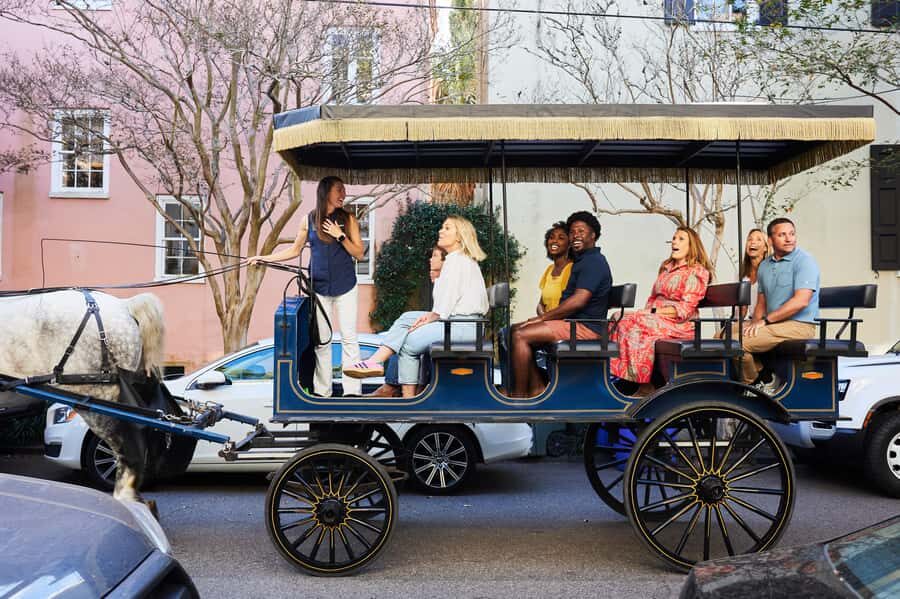
The group size matters too. With a maximum of 20 travelers, you’re more likely to hear everything the guide says and less likely to get stuck far from the front. It helps on a night tour, because you don’t want to spend half your time trying to see past shoulders.
One more expectation check: this is a mature-theme tour, and that can include mature language. Since it’s 16+, the content is meant for older audiences. If you’re sensitive to profanity or prefer “family friendly spooky,” you might want to choose a different style of tour.
Practical Tips: Tickets, Shoes, Weather, and Photo Timing
This tour is built around walking and listening, so plan accordingly.
Wear good shoes. You’ll be on sidewalks and uneven historic-area terrain at night, and you’ll want traction and comfort for constant stop-and-go. It’s also a good idea to bring a light layer. Even when the air feels warm, night breezes can change quickly.
Bring water. Humidity can be real in Charleston, and night walking makes it easier to overheat than you’d expect. If you’re the type who plans like a local, you’ll also plan hydration.
Admissions are not included. The Powder Magazine and Old Exchange/Provost Dungeon stops specifically note that admission tickets are not included. Before you go, look up what’s required for the exact time of your tour day so you don’t get stuck. If the tour allows only limited exterior viewing at some spots, you’ll still get the storytelling value, but you should budget for any required paid entry.
Gratuity isn’t included. The tour is provided with a local guide, and you’ll likely want to tip based on how the night goes.
Service animals are allowed, and the start point is near public transportation, which makes it easier if you’re not renting a car.
Finally, do your phone camera duty. The simple trick of taking lots of photos and checking window reflections costs almost nothing and can add fun after the tour.
Price and Value: What You’re Buying and What You’ll Still Need
The big value here is not “admission access.” It’s guided storytelling tied to specific, famous Charleston sites at night. You’re paying for:
- a walking route with planned story stops
- a professional guide who connects each landmark to a darker theme
What you might still need to pay separately:
- admission tickets at stops that require them (not included)
- gratuity
So the value math is this: if you want a guided night route that helps you understand why these buildings matter, this can be a strong use of your time. If you’re hoping for full access to every interior space and every graveyard corner, set your expectations for mostly outside viewing.
Who Should Book This 16+ Charleston Ghost History Walk
I’d book this if you:
- like dark storytelling that mixes history with creepy lore
- want a night plan that takes you through several major Charleston landmarks
- enjoy learning context, not just hearing scary facts
I’d think twice if you:
- want a purely spooky, jump-out, Halloween-style tour
- prefer tours without mature language
- need guaranteed interior access to buildings or cemeteries
It’s a good match for first-timers because it gives you recognizable anchors across Charleston’s story. It’s also a nice follow-up for returning visitors who have seen the day tours and want the other side of the map.
Should You Book Ghost City Tours of Charleston’s Death and Depravity?
Yes, if you want a guided night walk that makes Charleston feel layered and unsettling in a way daylight doesn’t. The route is strong for first-time visitors because it covers multiple themes: colonial defense, punishment in the dungeon space, pirate lore by the waterfront, and churchyard memory.
Book it especially if you enjoy a guide who keeps the story clear and animated. Names like Veronica, Lance, Angela, and Emery show up again and again in what people describe as standout performances, and that kind of energy can make the difference between a “meh” night and a memorable one.
Skip it if you’re expecting guaranteed access inside every stop. Also skip it if mature themes and possible mature language are a deal-breaker for you.
If you’re on the fence, here’s my practical suggestion: read the tour focus before you go. If your goal is dark history with a ghost-tour delivery at recognizable locations, this one fits. If your goal is maximum scares and full site access, you may be happier with a different format.
FAQ
How long is the Death and Depravity Ghost Tour in Charleston?
The tour runs about 1 hour 30 minutes.
Where does the tour start and where does it end?
It starts at Concord Street & Vendue Range, Charleston, SC 29401, USA and ends back at the meeting point.
Is the tour offered in English?
Yes, the tour is offered in English.
What’s included in the tour price?
It includes a walking tour, a local/professional guide, and a fun and spooky evening. Mobile ticket is used.
What is not included?
Gratuity is not included, and admission tickets are not included for the stops.
Is there an age requirement?
Yes. This tour is only for guests ages 16+.
How big are the groups?
The tour has a maximum of 20 travelers.
Can I get a refund if my plans change?
You can cancel for a full refund if you cancel at least 24 hours before the experience starts. If you cancel less than 24 hours before, the amount paid is not refunded.