REVIEW · CHARLESTON
Charleston: Downtown Horse-Drawn Carriage Tour
Book on GetYourGuide →Operated by Palmetto Carriage · Bookable on GetYourGuide
Charleston in slow motion. That is the real hook of this downtown horse-drawn carriage tour. I like that you move at a calm pace under Spanish moss and oak trees while a licensed guide turns street corners into stories, not trivia.
Two things I really enjoy: the chance to see historic residential Charleston from inside a carriage, and the professional, licensed guide style that blends humor with practical context. You also get to spot mansions, churches, parks, and gardens without rushing your feet over cobblestones.
One drawback to consider: the tour runs for just one hour, so you are choosing an overview, not deep stops. If your must-see list includes a very specific landmark, ask questions when you book, since one past route did not go down Rainbow Row.
In This Review
- Key Highlights You Should Know
- Downtown Charleston by Carriage: What Makes It Work
- Starting at Palmetto Carriage Works: The Big Red Barn Moment
- The 1-Hour Guided Ride: What You’ll See and Why It’s Valuable
- The Spanish moss effect (and other comfort wins)
- Stop-by-Stop: What Happens During the Tour
- Stop 1: Meet at Palmetto Carriage Works (the setup)
- Stop 2: Charleston on the guided route (the main event)
- Stop 3: Back to Palmetto Carriage Works (wrapping up fast)
- Route Reality Check: What If You Have a Specific Must-See?
- Who This Tour Suits Best (and Who Might Want Something Else)
- Price and Value: Is $50 Worth an Hour?
- Timing, Weather, and What to Wear
- The Guide Experience: How Storytelling Changes the City
- Practical Notes Before You Go (So Nothing Annoys You)
- Should You Book the Charleston Horse-Drawn Carriage Tour?
- FAQ
- How long is the Charleston downtown horse-drawn carriage tour?
- What time does the tour start?
- Where do I meet the tour?
- Is there parking near Palmetto Carriage Works?
- What is included in the price?
- Is the tour guided, and what language is it in?
- Is the tour wheelchair accessible?
- Are alcohol or drugs allowed on the tour?
- Is there a cancellation option if plans change?
- Can I reserve without paying right away?
Key Highlights You Should Know
- Licensed, professional guide with story-first commentary
- Historic residential streets plus views of gardens, mansions, churches, and parks
- Smooth pace for getting your bearings on foot-challenged days
- Horse care and stable facilities called out as well maintained
- Practical comfort touches like blankets in cold waits and water in heat
Downtown Charleston by Carriage: What Makes It Work
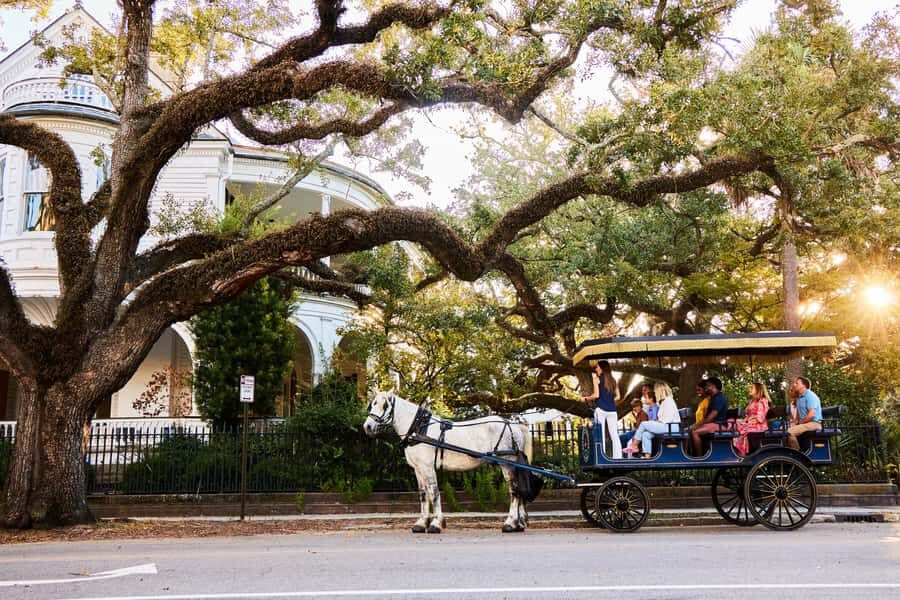
A horse-drawn carriage tour is not just a photo op. It is a way to experience the city’s scale and mood. Charleston’s downtown streets can feel like they are designed for walking, but the carriage adds an easy rhythm that keeps you paying attention instead of hustling.
You are also paying for more than transport. The tour includes a guide who is meant to explain what you are seeing and why it matters. In recent experiences, names like Jeremy, Scott, Sims, Blake, and Goober show up with the same pattern: confident pacing, clear storytelling, and time left for questions.
At $50 per person for about one hour, it can feel like a splurge—until you compare what you get. You receive a guided route through multiple kinds of historic sights, from churches and parks to gardens and mansions, plus that slow view you cannot recreate from a bus window.
If you're still narrowing it down, here are other tours in Charleston we've reviewed

Starting at Palmetto Carriage Works: The Big Red Barn Moment
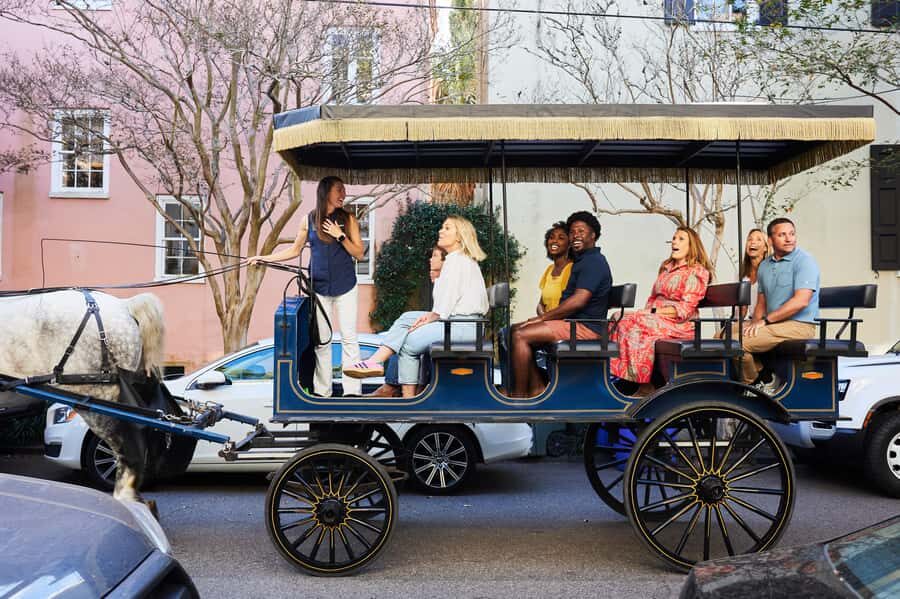
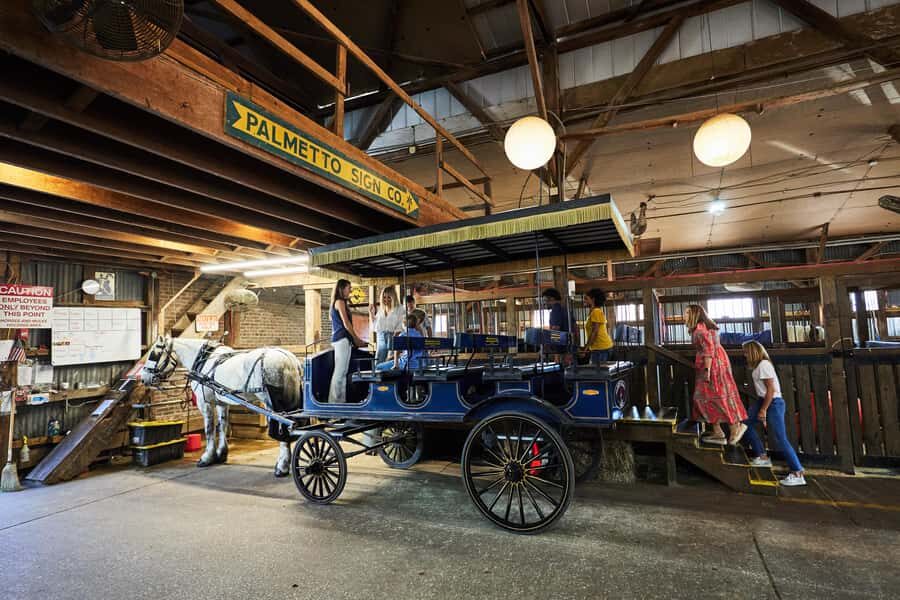
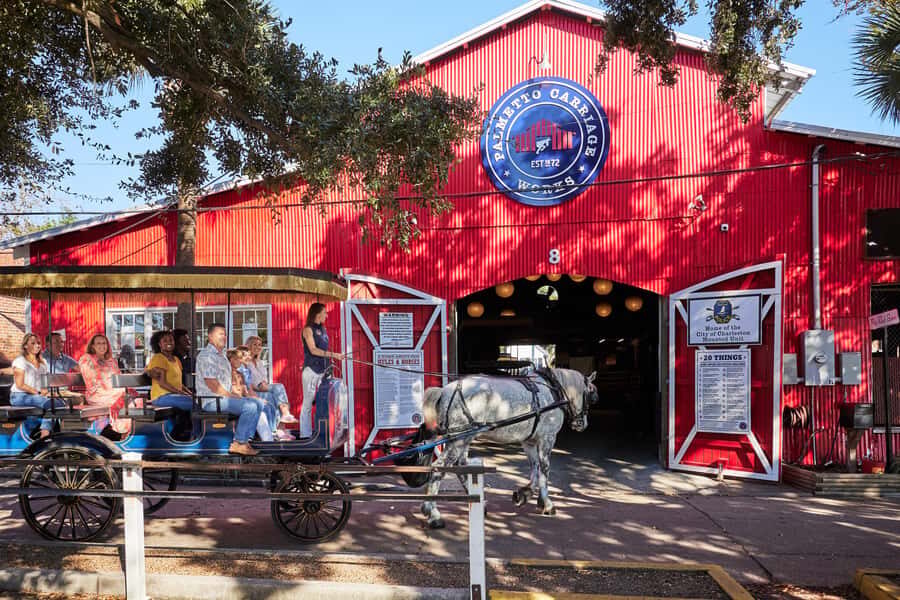
Your tour begins at Palmetto Carriage Works, and the meeting point is easy to recognize: meet by the big red barn. If you are driving, there is paid parking at 22 Anson Street in Charleston, SC 29401, which helps when you are trying to time everything around your day.
One helpful practical detail: if you are arriving from a cruise terminal, you may find the walk is about 10 minutes. That matters because carriage tours can have a fixed start time. If you are the type who likes calm arrivals, aim to show up early enough to find the barn without sprinting.
Once you get there, you are staging at a stable facility, and several reviews specifically praise the professionalism of the horses and the facilities. That is not just a feel-good check; it also sets expectations that the operation runs like an actual business, not a side hustle.
The 1-Hour Guided Ride: What You’ll See and Why It’s Valuable
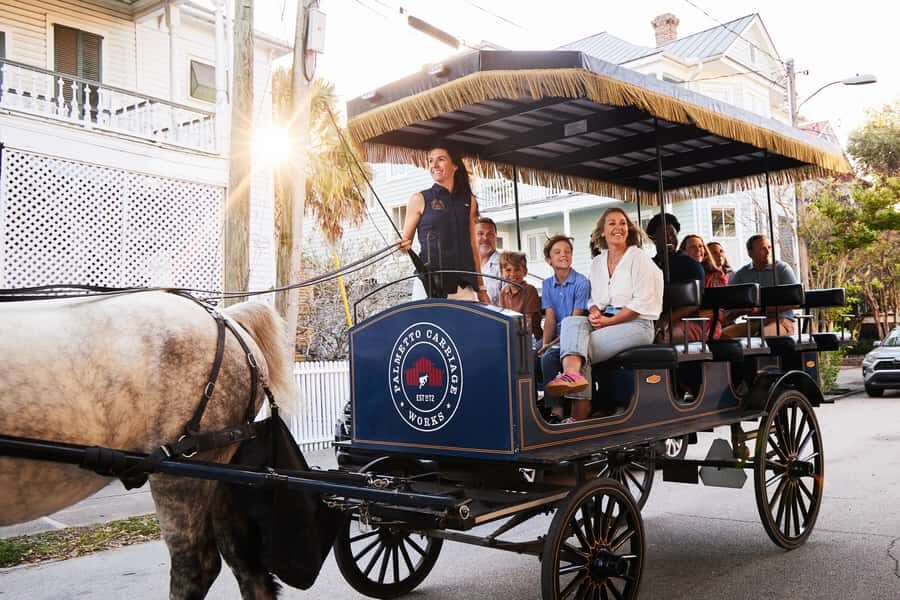
The heart of the experience is your 1-hour guided carriage ride through Charleston’s historic downtown district. Your guide leads you along the streets with a story-focused approach, covering the history and cultural components that shaped Charleston into what it is today.
You should think of this hour as orientation with personality. You will likely pick up:
- how different neighborhoods and home styles relate to the city’s past
- how churches, parks, and gardens fit into the downtown picture
- why certain architectural details show up again and again
The tour highlights what you can see from the carriage: houses, gardens, mansions, churches, and parks. Even without stopping for long photo sessions, the combination works because you get repeated visual references. It is easier to remember a city when you can connect buildings to the stories your guide is telling in the same ride.
The Spanish moss effect (and other comfort wins)
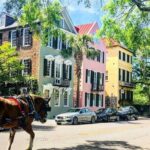
A big part of Charleston’s charm is the trees, especially on shaded stretches. When the carriage moves under branches draped in Spanish moss, your photos look more like scenes than snapshots. It also helps you feel the city’s temperature and light changes without dealing with the strain of constant walking.
If the weather is cool, you might even be offered blankets while you wait. If it is hot, you may be offered cold water in the staging area. These are small touches, but they matter because the waiting time before you ride is part of the day.
Stop-by-Stop: What Happens During the Tour



Stop 1: Meet at Palmetto Carriage Works (the setup)
The tour starts where the operation is based. You pull into the world of horses, barns, and a staff that is there to get you seated and ready. Your goal here is simple: find the big red barn, check in, and get comfortable while the horses are prepped.
This first phase is also where you feel the professionalism. When an operation runs smoothly, you spend less energy wondering what will happen next and more energy watching the city once you roll out.
Stop 2: Charleston on the guided route (the main event)
This is the guided portion where your licensed tour guide does the heavy lifting. You will learn Charleston’s history through route commentary, and the stories are built around what you are seeing as you pass historic residential areas and key types of buildings.
If you like “explain it to me” travel, this is your moment. Instead of reading plaques later, you get the connections now—architecture, culture, and how the city developed. Recent tour experiences consistently mention guides being entertaining and knowledgeable in their delivery, with the right amount of humor so it does not turn into a lecture.
There is also a social angle. The carriage format encourages shared attention. When someone asks a question, it is usually relevant to everyone on the ride, so the hour feels interactive without becoming chaotic.
Stop 3: Back to Palmetto Carriage Works (wrapping up fast)
You return to the same meeting point. That is convenient because you do not have to plan a second pickup, and you can fold the tour into the rest of your day easily—walk to nearby historic streets, grab lunch, or continue exploring on your own.
The return is also your cue to decide what you want to see next. Carriage tours are great for spotting where you want to go deeper, but they are not designed to be your entire sightseeing plan.
Route Reality Check: What If You Have a Specific Must-See?
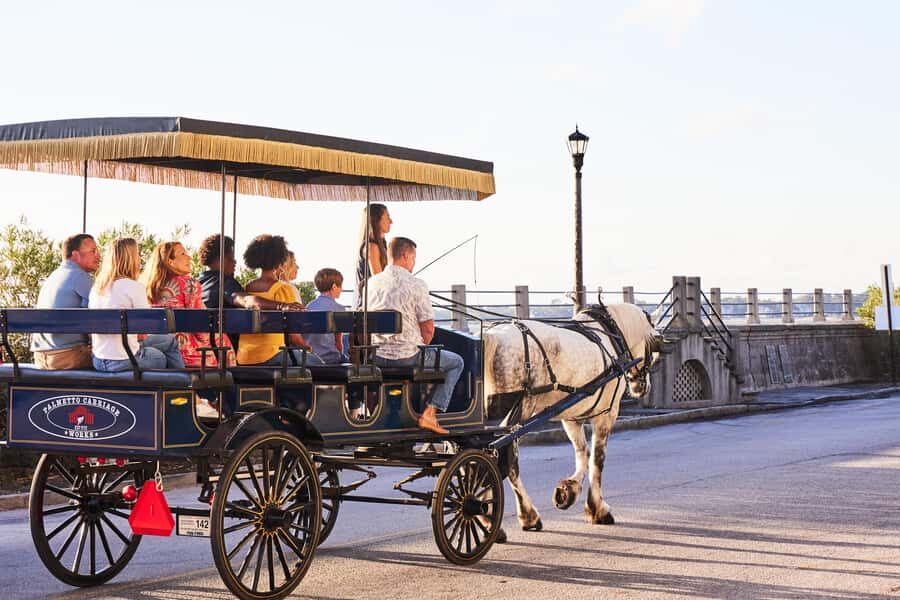
Most carriage tours in Charleston are built around a route that gives a lot of variety in a short time. This one is described as exploring the historic residential area of downtown, with views of mansions, churches, parks, and gardens.
Here is the practical consideration: one past ride did not take the group down Rainbow Row, which meant that person had to see it separately. I would not assume every departure follows the exact same path, but it is smart to think about your priorities.
If Rainbow Row is truly non-negotiable, consider doing it on a second outing. Use the carriage hour for orientation and for learning how the downtown neighborhoods and historic structures connect.
Who This Tour Suits Best (and Who Might Want Something Else)
This is a strong choice for:
- First-time Charleston visitors who want a fast city overview
- People who prefer story-led sightseeing over self-guided wandering
- Families who want an easy, seated way to see historic architecture and gardens
- Anyone who wants a break from constant walking on cobblestones
It may be less ideal if:
- You want multiple stops with long time at each location (this is one hour)
- You need a tour that guarantees one specific landmark on the route
- You are expecting a stop-and-explore style similar to a walking tour
In other words, this works best when you treat it as the opening chapter. Then you can pick which pages to read slowly on your own.
Price and Value: Is $50 Worth an Hour?

I look at carriage tours like this: you are paying for three things—horse-drawn transport, a guided route, and a pacing style that feels different from walking. At $50 per person for around an hour, the value is strongest when you are using that time well.
You will get the most value if you:
- go early enough to use the tour for planning the rest of your day
- come with a few questions (your guide can tailor what you notice)
- stay present during the ride, instead of treating it as background entertainment
The guide experience matters here. Reviews repeatedly highlight humor plus historical explanations and a professional operation with well cared-for horses. When a tour is run well, that $50 turns into a memorable hour rather than a quick ride you forget later.
Timing, Weather, and What to Wear
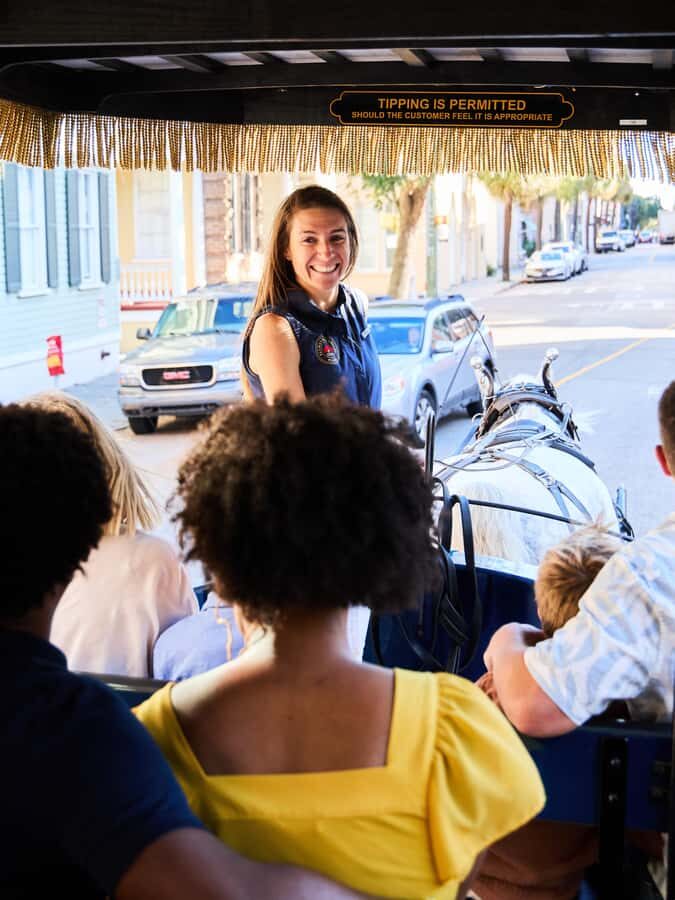
The tour lasts about 1 hour, and starting times depend on availability. Because you are sitting outside as the horses move, dress for Charleston weather, not for an air-conditioned schedule.
If it is cool, you may have blankets available in the waiting area, but you should still dress warmly. If it is hot, it helps to hydrate before you arrive, even though cold water may be offered in the staging area.
Wear shoes you can walk in after the ride. Even if you start at the barn, you will likely continue your day on foot.
Also note the rules: alcohol and drugs are not allowed. Keep it clean and simple.
The Guide Experience: How Storytelling Changes the City
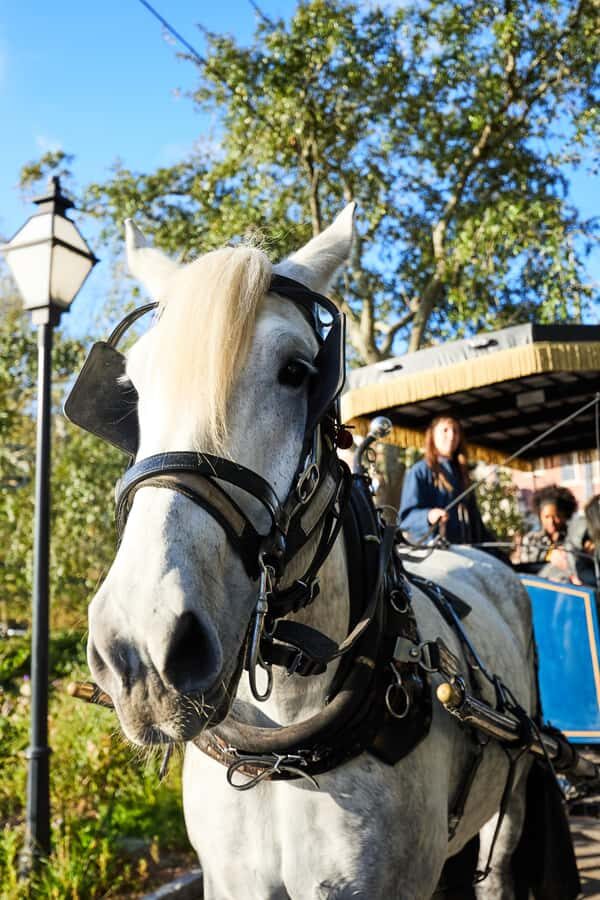
This tour’s real differentiator is the guide. You are not just transported through downtown; you are taught how to look. That is where the best moments happen—when the guide points out details you would miss if you were staring at your phone.
In reviews, guides with names like Jeremy, Sims, Scott, and Blake get praised for being entertaining while also making the information clear. One person even mentioned that the guide was good at keeping riders informed throughout the tour, which is exactly what you want in a moving setup.
If you want to get the most out of the hour, ask one question early. Something like what architectural feature to watch for, or what cultural factor shaped the street scene you are seeing. It is the easiest way to turn a sightseeing activity into real understanding.
Practical Notes Before You Go (So Nothing Annoys You)
A few things you can plan around:
- Meeting point: meet by the big red barn at Palmetto Carriage Works.
- Parking: paid parking is available at 22 Anson Street.
- Language: the tour guide is English.
- Accessibility: the tour is wheelchair accessible.
- Time: check availability for starting times since the duration is fixed at about 1 hour.
- Ends where it starts: the activity returns you back to Palmetto Carriage Works.
If you are booking with a flexible schedule, the option to reserve now & pay later can help you lock in a spot without immediate payment.
Should You Book the Charleston Horse-Drawn Carriage Tour?
If your goal is a first-day overview—historic streets, architecture, and gardens—this is an easy yes. The combo of a licensed guide, a slow carriage pace, and a route that includes houses, churches, parks, and gardens makes it a high-value hour at $50.
Book it especially if:
- you want to understand what you are seeing without researching all afternoon
- you like guided storytelling with humor
- you want a comfortable, seated way to experience historic downtown
Pass or consider another option if:
- you need more than one hour to feel satisfied at each place
- you have a single landmark you cannot compromise on (and you would be disappointed if it is not on the route)
For most people, the best move is simple: take this tour early, then use it to decide where to spend your walking time next.
FAQ
How long is the Charleston downtown horse-drawn carriage tour?
The duration is listed as 1 hour.
What time does the tour start?
Starting times vary based on availability, so you need to check the schedule for the departures that day.
Where do I meet the tour?
Meet by the big red barn of Palmetto Carriage Works.
Is there parking near Palmetto Carriage Works?
Yes. Paid parking is available at 22 Anson Street, Charleston, SC 29401.
What is included in the price?
The activity includes a horse carriage ride and a guide.
Is the tour guided, and what language is it in?
Yes, it has a live tour guide and the tour is in English.
Is the tour wheelchair accessible?
Yes. The activity is listed as wheelchair accessible.
Are alcohol or drugs allowed on the tour?
No. Alcohol and drugs are not allowed.
Is there a cancellation option if plans change?
Yes. There is free cancellation up to 24 hours in advance for a full refund.
Can I reserve without paying right away?
Yes. You can reserve now & pay later, booking your spot and paying nothing today.