REVIEW · CHARLESTON
Behind the Scenes of Shem Creek Shrimp Walking Tour
Book on Viator →Operated by Charleston Historic Tours LLC · Bookable on Viator
If you want Charleston beyond the photos, start with Shem Creek. This 1.5-mile walk ties together working shrimp culture and the town’s past, stop by stop, with a cast-net finish on the waterfront. And because the group stays small (max 15), it feels more like a guided conversation than a cattle-call tour.
I especially love the way Captain Bryan uses local places—front porches, historic houses, and working waterfront corners—to explain how shrimping became a community engine. I also like that you get a hands-on moment at the end, when you learn the basics of tossing a cast net instead of just watching from the sidelines.
One thing to consider: this is not a food tour. You’ll see seafood and learn about the industry, but plan to eat after, and don’t expect a heavy dockside snack along the way.
In This Review
- Key things that make this tour worth your time
- Where Shem Creek fits in Charleston (and why it’s a smart choice)
- Mary Street: setting your bearings on the harbor’s long memory
- Magwood Drive: the shrimp shacks and the first commercial shrimper story
- Shem Creek waterfront: Captain Peter Lewis House and the ferry system
- Hibben Street: how a mid-1700s house explains commercial shrimping beginnings
- Mt. Pleasant Seafood: the working end of the industry and the trawler decline
- Shem Creek Park boardwalk: trawlers, how they operate, and the cast net finale
- Price, pacing, and how to get the most from your morning
- Who should book this tour (and who should rethink it)
- Should you book the Shem Creek Shrimp Walking Tour?
- FAQ
- FAQ
- How much does the Shem Creek Shrimp Walking Tour cost?
- How long is the tour?
- Where does the tour start and end?
- What time does the tour start?
- How far do you walk?
- Is the tour offered in English?
- How big is the group?
- Is a mobile ticket used?
- What happens at the end of the tour?
- Is the tour suitable for most travelers?
- Can I bring a service animal?
Key things that make this tour worth your time
- A small group (max 15) keeps the pace relaxed and the questions actually get answered
- Captain Bryan’s story-first approach connects harbor history to the shrimping trade
- Historic stops you can picture—Mary Street, Magwood Drive, and landmark houses along the route
- Working-area access through Shem Creek and the boardwalk at Shem Creek Park
- Cast net demonstration to learn the basics so you leave with a real skill, not just facts
Where Shem Creek fits in Charleston (and why it’s a smart choice)
Charleston can overwhelm you fast: crowds, carriage queues, and the same few photo angles. This tour is a clean alternative because it shifts you to Mount Pleasant’s waterfront and a working shrimping corridor where the industry still shows up in daily life.
The route is about 1 hour 30 minutes and roughly 1.5 miles on foot. That’s an easy distance for most people, but you do want to be honest about heat and comfort. In summer, the payoff is worth it, but you’ll feel the sun—so plan like you’re walking a couple miles outdoors.
The price is $29 per person, which is fair when you consider what you get: a guided walk with multiple stops, a look at shrimp-related facilities, and an end-of-tour activity where you try the net. You’re paying for context and access, not for a ticket to a single viewpoint.
Other walking tours we've reviewed in Charleston

Mary Street: setting your bearings on the harbor’s long memory
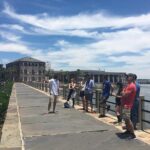
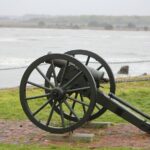
You begin at 111 Coleman Blvd in Mount Pleasant and walk toward an overview stop on Mary Street. This is where your guide starts turning geography into story. You’ll look at the Charleston Harbor and talk about how this seaside community changed because of conflict, natural disasters, and insect infestations.
Why this matters: shrimping wasn’t born in a vacuum. Weather events, wars, and environmental pressure all shaped how people lived near the water and how communities survived. By starting with the harbor, you understand why Shem Creek became the kind of place where working waterfront families could build a future.
The drawback at this stop is also the point: it’s an orientation moment. If you’re hoping for immediate boat action, you’ll have to wait a bit for the shrimping pieces to show up later in the walk.
Magwood Drive: the shrimp shacks and the first commercial shrimper story
Next, you pass by Magwood Drive, where the story pivots from the harbor to the people who worked it. You’ll hear about the home of the first commercial shrimper on Shem Creek and see the area’s connection to the shrimp shacks—the historic neighborhood where original shrimpers lived.
This is the stop where the tour starts feeling truly local. The shrimping trade isn’t just an activity here; it’s a way households organized their lives. Learning that the workers had a built-in home base nearby helps you understand why the waterfront neighborhoods developed the way they did.
If you love architecture and old streetscapes, you’ll enjoy how the walk lingers long enough for you to notice what makes the area recognizable today. The time is short, though (about 5 minutes), so keep your eyes up when you move.
Shem Creek waterfront: Captain Peter Lewis House and the ferry system
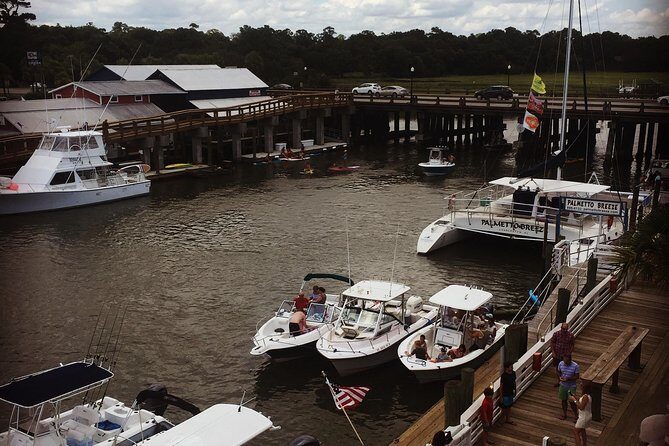
At Shem Creek, you’ll walk by the Captain Peter Lewis House (1855) and talk about something easy to miss if you only think about boats as fishing platforms: the importance of the ferry system that once operated on Shem Creek.
That ferry discussion is more than trivia. It explains how water routes shaped daily movement, commerce, and access. In a place where crossing the water mattered, shrimping wasn’t just about finding shrimp. It was also about moving people and supplies where they needed to go.
You’ll also get more clarity about how Shem Creek functioned as a corridor for the whole community—not only for shrimp catches. It’s a small shift in perspective, but it makes the later stops click.
Hibben Street: how a mid-1700s house explains commercial shrimping beginnings
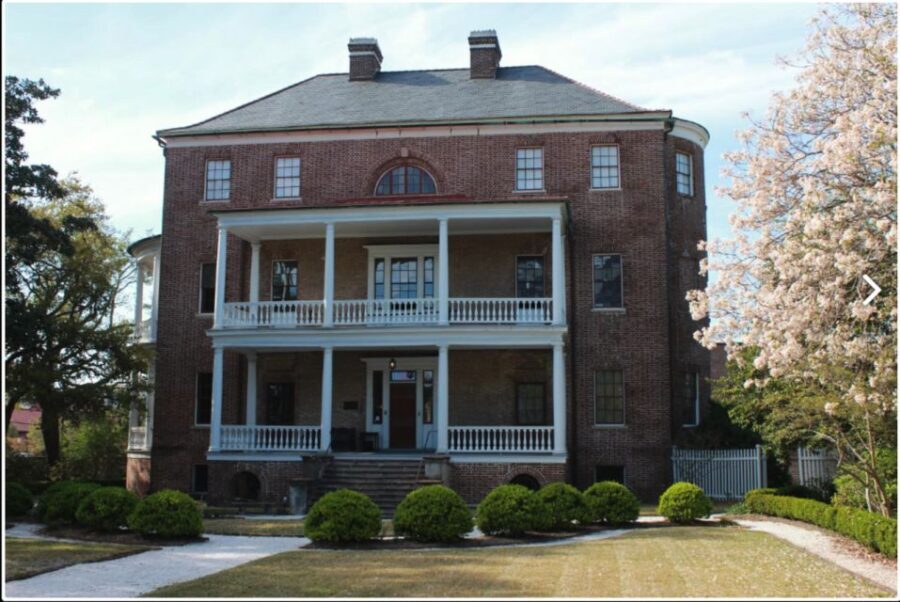
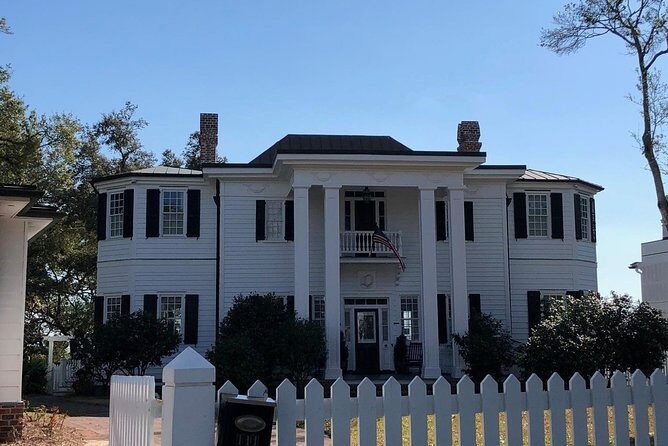
On Hibben Street, you’ll view the Hibben House, described as the oldest structure standing in the town and dating back to the mid-1700s. Here, the guide uses local history to connect earlier settlement patterns to how commercial shrimping began in the area.
This is a great stop if you like the “cause and effect” side of travel. The tour doesn’t just say shrimping happened. It shows you how a town’s earliest buildings and social structures can foreshadow what kinds of work become central later on.
The tradeoff: this portion is still rooted in storytelling and landmarks, not modern dock spectacle. If you’re only in it for boats, you might feel a slight lull—until you reach the waterfront boardwalk and the trawlers come into view.



Mt. Pleasant Seafood: the working end of the industry and the trawler decline
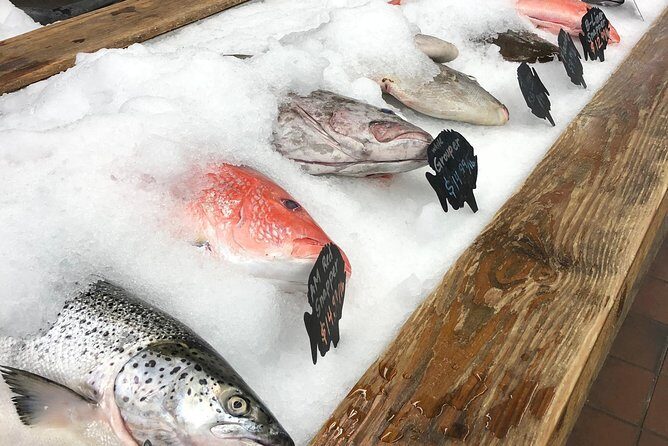
A major stop comes at Mt. Pleasant Seafood, a generational family facility where you’ll see an assortment of locally sourced seafood. This is also where you’ll talk about the decline of the fishery—specifically how the town went from nearly 100 trawlers down to 4 by 1998.
This is the stop that grounds everything you’ve heard. The tour’s earlier history becomes more urgent here, because you’re looking at what survives now: the present-day supply chain, local sourcing, and the hard reality that the industry shrank.
I like that this conversation doesn’t stay abstract. When you connect old work patterns to modern numbers, sustainability and community resilience become real topics, not just buzzwords. One review note also highlights that the guide addresses sustainability, which makes sense in this context.
One caution: while you’ll see seafood, the tour is still framed as a walking history and working industry experience. Don’t count on a meal being part of the package, and treat seafood viewing as part of the lesson, not the lunch plan.
Shem Creek Park boardwalk: trawlers, how they operate, and the cast net finale
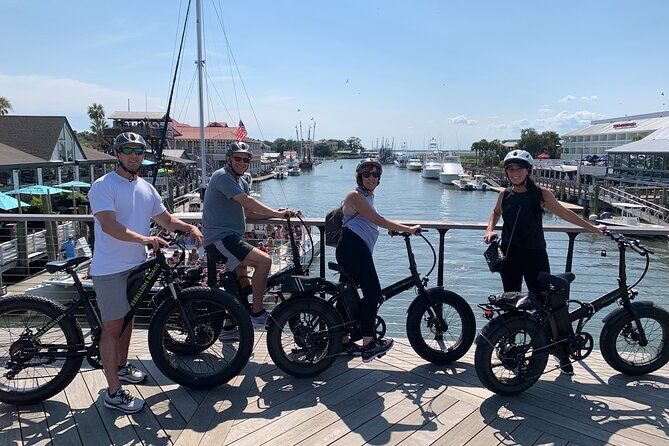
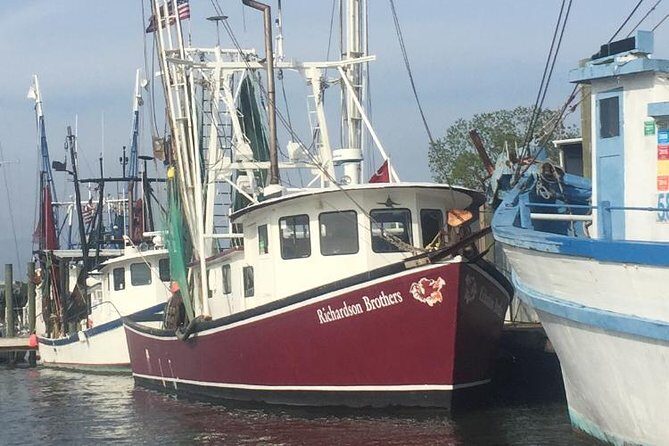
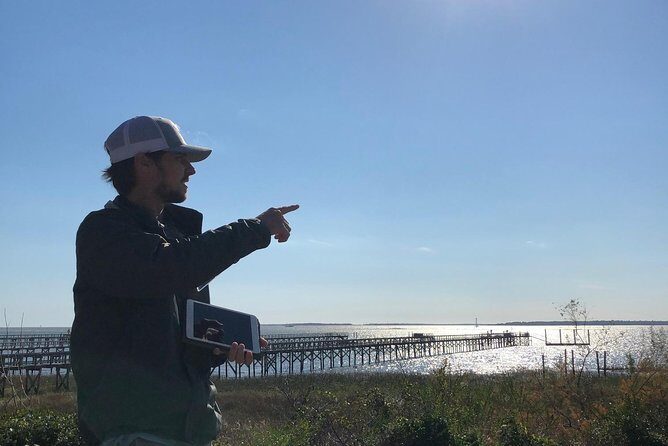
You finish at Shem Creek Park. You’ll traverse the boardwalk to see the shrimp trawlers and learn how they operate. This is where the walk starts to feel most “behind the scenes,” because you’re finally close to the equipment and working waterfront rhythm.
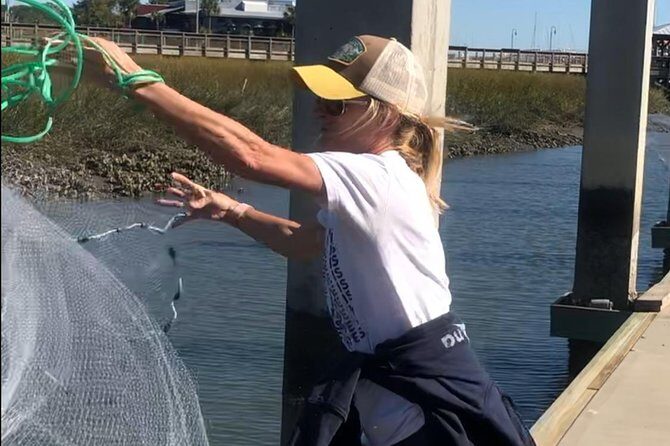
The grand finale is the cast net demonstration. This is the hands-on payoff: you learn how to toss a cast net with guidance, so you’re not just hearing about how shrimpers catch shrimp—you’re trying the basic motion yourself.
This ending is the reason I think the tour earns its high praise. It turns your curiosity into participation. It also helps kids and first-timers stay engaged, because there’s movement and a clear goal: toss, learn, try again.
After the demo, you end at 1313 Shrimp Boat Ln. The tour finishes on a public boardwalk near the creek, so you can linger a bit longer on your own. That extra time is useful because the waterfront can give you the “wait, I get it now” feeling after the history has landed.
Price, pacing, and how to get the most from your morning
At $29, this is priced like a guided experience with real value-add: multiple stops, a working-waterfront tie-in, and an interactive activity. If you were to try to self-tour these pieces, you’d likely miss the connections—the why behind the locations—and you probably wouldn’t get the cast net instruction.
The pacing is also built for real people, not speed-walkers. With a start time of 10:00 am and about 1.5 miles total, you’ll have time to look closely and ask questions. The max group size (15 travelers) helps keep the guide focused and responsive.
What to bring:
- Comfortable walking shoes for the outdoor boardwalk sections
- Water, especially in summer heat
- Sun protection (the area is outdoors most of the way)
You’ll get the best experience if you like history that connects to everyday work. This isn’t a museum script. It’s a tour where you learn why shrimping shaped the town and how the waterfront still carries that imprint.
Who should book this tour (and who should rethink it)
This tour is a strong fit for:
- Families who want a hands-on ending that kids can participate in
- People who like history told through places you can see and walk past
- Anyone who wants a Charleston-area experience outside the busiest tourist zones
- Travelers interested in how local industries change over time (including decline and sustainability)
You might want to rethink it if:
- You’re only interested in a dockside experience with long time around boats
- You’re planning this as a main food stop (there’s no promise of a meal during the walk)
Think of it as a morning lesson that ends with action.
Should you book the Shem Creek Shrimp Walking Tour?
If you want Charleston with more grit and less crowds, yes. For $29, you’re getting a compact walk with meaningful local context, several landmark stops, access to working waterfront views, and a cast-net demonstration where you actually try something.
Book it when you can handle outdoor walking and you’re open to a history-led approach. If that sounds like your style, you’ll leave with a clearer picture of how Shem Creek became what it is—and how the shrimping story continues along the boardwalk.
FAQ
FAQ
How much does the Shem Creek Shrimp Walking Tour cost?
It costs $29.00 per person.
How long is the tour?
The tour lasts about 1 hour 30 minutes.
Where does the tour start and end?
It starts at 111 Coleman Blvd, Mt Pleasant, SC 29464, USA and ends at 1313 Shrimp Boat Ln, Mt Pleasant, SC 29464, USA.
What time does the tour start?
The start time is 10:00 am.
How far do you walk?
The walking distance is around 1.5 miles.
Is the tour offered in English?
Yes, it’s offered in English.
How big is the group?
The maximum group size is 15 travelers.
Is a mobile ticket used?
Yes, the tour uses a mobile ticket.
What happens at the end of the tour?
The tour ends with a cast net demonstration where you learn how to catch your own shrimp.
Is the tour suitable for most travelers?
The tour notes that most travelers can participate.
Can I bring a service animal?
Yes, service animals are allowed.