REVIEW · CHARLESTON
Sip History In a Secret Speakeasy Cocktail Class
Book on Viator →Operated by Tommy Alchemy · Bookable on Viator
You can learn cocktails and drink them too. Sip History is a downtown speakeasy-style class built around 3 cocktails and real bar technique. It runs across from the historic Marion Square area, with a small maximum group size, and it’s hosted by Tommy Alchemy and Sip History Certified Alchemists.
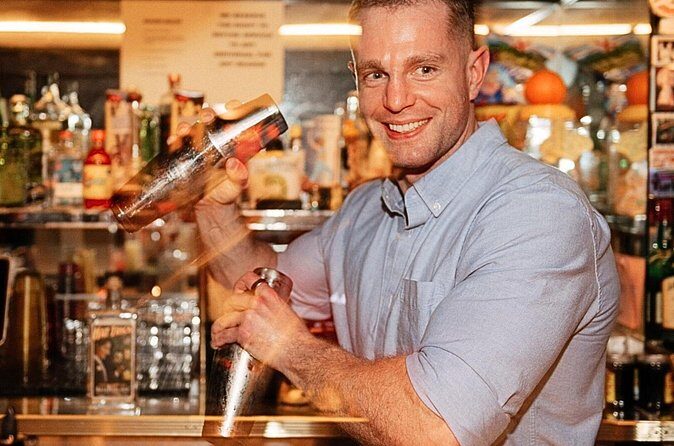
I love the format that keeps things moving: drinking, snacking, and learning are balanced so you’re not sitting through a lecture. I also love how hands-on it feels, with bar tools provided so you can practice things like shaking, straining, and getting the balance right.
The main drawback to plan for is straightforward: this is a 2-hour class, so if you want a long dinner-style meal with zero alcohol focus, it may not match your vibe.
In This Review
- Key things to know before you go
- A Speakeasy Cocktail Class Right by Marion Square
- Price and value: why $97 makes sense here
- How the 2-hour flow works: drinking, snacking, learning
- The mixing skills you’ll actually use later
- Hosts and group size: why smaller can be better
- What you’re drinking and snacking (without pretending it’s dinner)
- Timing, meeting point, and how to plan your Charleston day
- Who should book this class, and who might skip it
- Should you book Sip History in Charleston?
- FAQ
- How long is the Sip History cocktail class in Charleston?
- What’s included in the $97 per person price?
- Where do I meet for the class?
- Is it a small group?
- What language is the class offered in?
- What is the cancellation policy?
Key things to know before you go
- Downtown location near Marion Square: Start at 135 Calhoun St and the session runs right in the core area.
- Small group size (max 12): You’ll get more personal attention than in big walking tours.
- 3 cocktails plus snacks and water: The price covers drinks and bar snacks, not just instruction.
- Hands-on technique practice: Expect to work on skills like balance and shaking.
- Certified-alchemist hosting: Tommy Alchemy and Sip History Certified Alchemists guide the class.
A Speakeasy Cocktail Class Right by Marion Square
Charleston has a lot of history, but Sip History turns that vibe into something you can taste. The class is set downtown across from the historic Marion Square area, so you’re not traveling far just to find a cool experience. The energy feels like a secret hangout—more fun than formal—while still organized enough that you’ll know what’s happening next.
The session starts at 135 Calhoun St, Charleston, SC 29401, and it ends back at the meeting point. That “out and back” layout matters. You can pop into the afternoon plans before it starts, then return without feeling like you’re stuck figuring out transportation afterward. If you’re using public transit, it also helps that the meeting area is near transit.
One thing I especially like for first-timers: there’s no confusing “find a door and figure out a code” feeling implied by the provided details. You know where to start, and you’re set up to spend your effort on the actual class.
Other historical tours in Charleston
Price and value: why $97 makes sense here
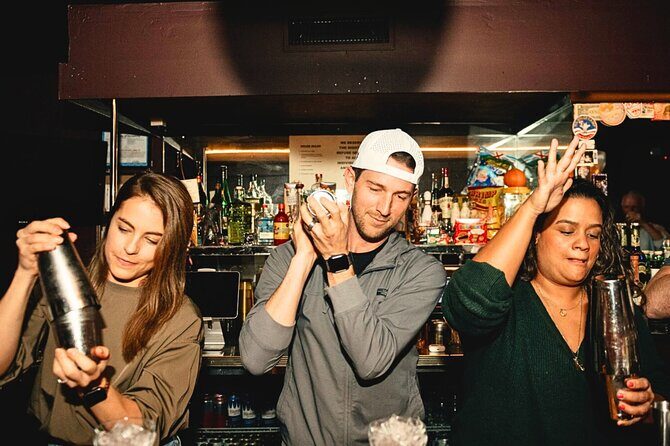
At $97 per person for about 2 hours, the value depends on what’s included—and here, the math is unusually friendly. You’re not just paying for a talk about cocktails. The class includes 3 cocktails, basic bar snacks, water, and bar tools for use during the session.
That matters because drinks and snacks in a tourist city can add up fast, especially when you’re comparing “one drink + tips + snack” at a bar. Even without guessing local prices, you can see the intent: the ticket bundles the beverages and the instruction together. You’re paying for the experience of learning how to build a cocktail and then tasting the results as you go.
Also, the group limit of 12 travelers max tilts the value toward instruction quality. A smaller class usually means fewer people competing for attention when it’s time to ask questions about technique—like what kind of balance you’re aiming for or why shaking vs stirring changes the final drink.
Finally, no dinner is included. That’s not bad—it just means you should plan for it. If you book this late in the day and dinner is part of your trip flow, you’ll want to eat before or after the class.
How the 2-hour flow works: drinking, snacking, learning
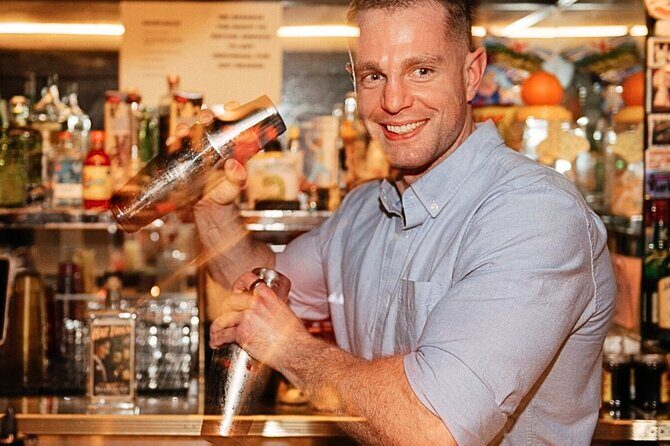
Sip History is built in the exact spirit of the title: you’re learning like you’re hanging out with people who actually know what they’re doing. The structure is 3 parts drinking, 2 parts snacking, 1 part learning. That ratio sounds simple, but it’s a smart choice for most visitors.
Here’s how that usually plays out in a class like this:
- You start with the fun part—drinking—and you’re guided through what you’re tasting and why it matters. Classic recipes come with context, so a drink isn’t just a flavor in a glass.
- As the session continues, snacking keeps the pace comfortable. It’s a small but important detail, because cocktails can feel stronger when you’ve got nothing in your stomach.
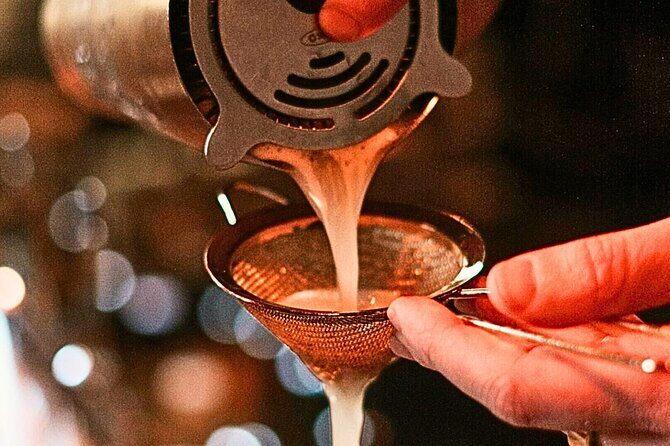
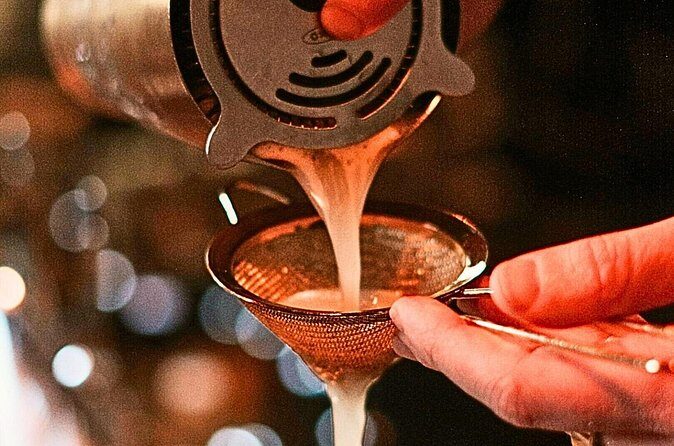
- Then comes the learning segment, where technique gets explained in practical terms. The goal isn’t to make you a bartender overnight. It’s to give you repeatable ideas—like how acids affect balance, why the right shake matters, and how tools like strainers change the texture of the final pour.
- The class includes bar tools for you to use, and the session ends with a chance to put new skills to work. In plain English: you don’t just watch.
A lot of cocktail classes get stuck in one mode—either all theory or all drinking. This one is intentionally set up so you get both, without the long dry stretches that can make a 2-hour activity feel twice as long.
The mixing skills you’ll actually use later
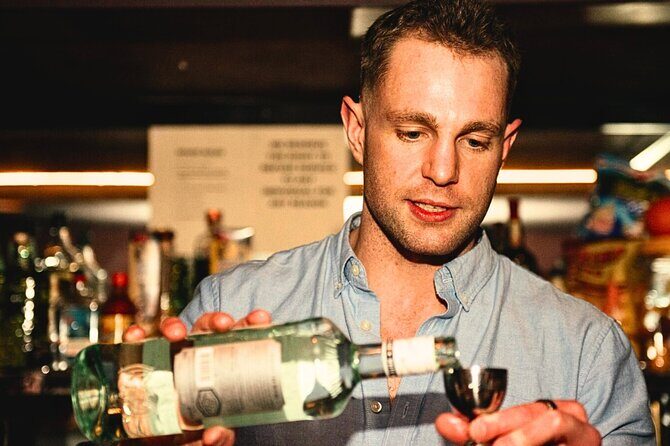
What makes this class worth your time is that the learning isn’t vague. The techniques that come up are the kinds you can use again, whether you’re making cocktails at home or ordering smarter next time.
Here are the specific skills and concepts that show up in the way people describe their experience:
- Balance: Not just “sweet vs sour,” but how the different elements need to fit together. You’ll hear the idea of balance tied to taste.
- Acids: People talk about learning how acids play into a cocktail’s structure and feel.
- Shaking: You’ll get explanation around shaking and what it does, not just a “shake hard” command.
- Strainers: Using a strainer isn’t flashy, but it’s one of those bartender moves that turns a drink from okay to polished.
- Hands-on practice: You’re not only learning; you’re also trying it. Multiple sessions described the chance to make cocktails yourself at the end.
One of the best parts of learning these basics is that you start noticing them in the real world. After a session like this, you can taste what a bartender is doing: when something is too sharp, when it’s too sweet, when ice handling changed the outcome, and when the texture is clean versus sludgy.
And if you’re thinking, I don’t have the confidence to do this, the class format is built for you. It’s small-group and tool-supported, so you can ask questions and get corrections without feeling like you’re on stage.
Hosts and group size: why smaller can be better
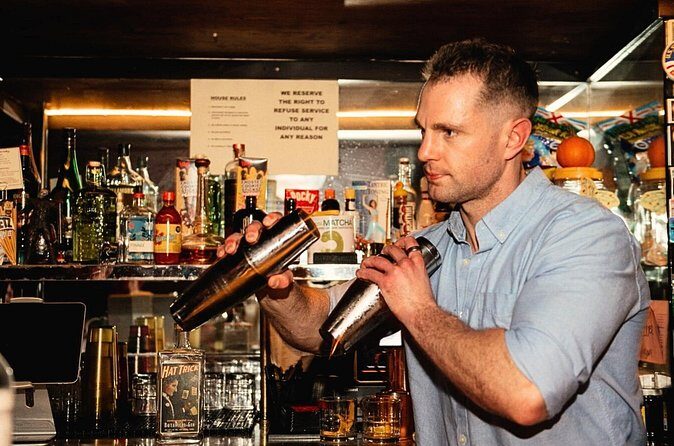
Sip History runs with Tommy Alchemy and Sip History Certified Alchemists as hosts. That matters because cocktail classes fail for one main reason: the instructor can’t translate technique into something you can understand in real time. Here, you’re guided by people focused on teaching.
Names you might hear along the way include Jack, Dominic, Sky, Gavin, Skylar, and hosts working under the Sip History brand structure. While the exact bartender can vary by day, the consistency you can expect is a lively, friendly tone with real instruction.
Group size is another big deal. The max is 12 travelers, and some classes can run with very low attendance when schedules line up—meaning the session can feel more like a private lesson than a group activity. That changes everything. In a smaller group, you can get more tailored tips, and you’re more likely to find the pace that suits you.
Also, people appreciate that hosts adapt to your preferences. For example, one session specifically noted a no-gin preference being respected. That tells me they’re not locked into one-size-fits-all instructions.
If you're still narrowing it down, here are other tours in Charleston we've reviewed


What you’re drinking and snacking (without pretending it’s dinner)
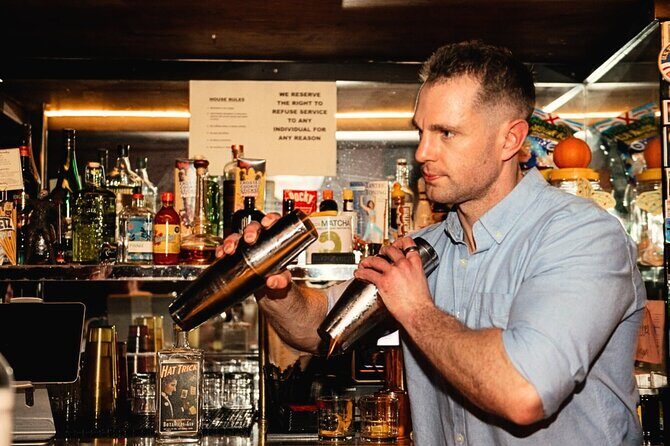
The ticket includes 3 cocktails, plus basic bar snacks and water. That combination is important because it keeps you from doing the “sips and regret” thing where you’re hungry but also buzzed.
Still, keep expectations clear: this is not dinner. You’ll leave with drinks in your system and some snacks in your stomach, but if you’re planning a full evening meal, you’ll need a separate plan. (A good move is to schedule dinner either before you start or after you finish, so you’re not deciding what to eat while the class is in progress.)
As for the exact cocktail list: the provided info doesn’t name every drink, but it’s clear the class teaches classics and technique behind them. Reviews mention recipes, balance, acids, and the mechanics of shaking and straining—so you’re likely tasting a mix of recognizable styles rather than random experimental pours.
If you’re a total cocktail novice, you’ll still be able to follow. The class is structured to explain what you’re tasting while you learn how to build it.
Timing, meeting point, and how to plan your Charleston day
You’ve got afternoon and evening options available, and one start time listed is 1:00 pm. The session duration is about 2 hours, and it ends back at the meeting point.
That means it’s easy to plug into a day. Here are practical planning ideas that fit the info you have:
- If you’re doing sightseeing in the morning, this can be your midday reset. Drinks and snacks also help you keep energy stable.
- If you’re doing evening plans, the class can act like a “pre-dinner event.” Just don’t count on it replacing dinner.
- Since the meeting point is in the downtown core, you can pair it with other walkable attractions around Marion Square.
One extra planning thought: because it’s a drinking-and-learning setup, wear something you can move in. You’ll be using bar tools, and your hands will be busy. Comfortable shoes help too, even if the walking involved is minimal.
And yes, downtown Charleston is lively. A secret-speakeasy vibe works best when you arrive a bit early so you can find the exact start without stress.
Who should book this class, and who might skip it
This is a strong fit if you want one of the best “value + fun + real skill” activities in Charleston. It’s also especially good if you like the idea of learning cocktail technique without making it feel like homework.
Book Sip History if:
- You want 3 cocktails included with snacks, not just tasting notes.
- You like hands-on learning—especially the mechanics behind shaking, balance, and using a strainer.
- You prefer smaller groups and a lively host style, whether it’s Tommy Alchemy or one of the certified alchemists like Jack or Dominic.
You might consider skipping if:
- You want a longer food-focused evening, because dinner isn’t included.
- You’re not interested in cocktails at all and want a non-drinking activity instead.
- You dislike the idea of structured alcohol learning, even if the vibe stays fun.
Overall, it’s a great “do this one thing well” experience. It’s not trying to be everything. It’s focused—and that’s part of the payoff.
Should you book Sip History in Charleston?
If your goal is a fun, well-paced Charleston activity that doesn’t skimp on drinks or learning, I think you should book it. The $97 price lines up with what you actually get: 3 cocktails, snacks, water, bar tools, and a guided lesson in classic technique.
The biggest green flags are the structure and the small-group size. The class avoids the trap of long, slow instruction. You drink, you snack, you learn, and you try the techniques. Plus, with hosts like Tommy Alchemy and Sip History Certified Alchemists, you’re unlikely to end up with a chaotic “spray-and-pray” bar lesson.
Just be honest with yourself about one thing: it’s a 2-hour cocktail class, not a dinner replacement. If you plan around that, this is a memorable Charleston experience that feels both playful and useful.
FAQ
How long is the Sip History cocktail class in Charleston?
It runs for about 2 hours (approx.).
What’s included in the $97 per person price?
Your ticket includes 3 cocktails, basic bar snacks, water, and bar tools for use during the class, plus a licensed or certified guide.
Where do I meet for the class?
The meeting point is 135 Calhoun St, Charleston, SC 29401, USA, and the activity ends back at the same place.
Is it a small group?
Yes. The class has a maximum of 12 travelers.
What language is the class offered in?
The class is offered in English.
What is the cancellation policy?
It offers free cancellation. You can cancel up to 24 hours in advance for a full refund.