REVIEW · CHARLESTON
Book Charleston’s Most Educational History Tour!
Book on Viator →Operated by Chucktown Walking Tours · Bookable on Viator
History here is easier on foot. This Charleston walking tour is built for learning at street level: a professional historian with a PhD leads a slow, break-friendly walk that starts by the waterfront. I like that you get real storytelling and discussion, not just names and dates. You’ll also have lots of laughs along the way, including dad jokes.
The main thing to plan around is the physical side of Charleston. It can be hot and humid, sidewalks can be narrow and uneven, and the tour is not recommended for wheelchairs or walkers. If you’re bringing little kids, keep an eye on footing and spacing.
If you want a morning that helps you connect the dots between buildings, power, and people, this is a strong choice—especially if you’re the type who reads plaques slowly.
In This Review
- Key things to know before you go
- Meeting by the water: why the 10:00 start matters
- Waterfront cobblestones and the first fish market stop
- Tradd Street built in 1720: history you can actually see
- Battery and White Point Gardens: live oak shade with a viewpoint story
- Heyward-Washington House: where George Washington lived in Charleston
- Why the historian’s style makes this more than a sightseeing walk
- Price and value: what $45 gets you in real terms
- What to bring and how to plan your morning
- Weather, refunds, and the practical reality of an outdoor tour
- Is this Charleston history tour worth booking?
- FAQ
- How long is the Charleston history walking tour?
- How much does the tour cost?
- Where do I meet the tour, and what time does it start?
- Where does the tour end?
- What stops are included?
- Is the tour offered in English, and do I get a mobile ticket?
- What’s included in the ticket price?
- How large is the group?
- Is the tour suitable for wheelchairs or walkers?
- What happens if the weather is poor or I cancel?
Key things to know before you go
- PhD historian guide: You’re getting education plus Q&A style discussion.
- Slow pace, lots of shade: Designed to give you time for breaks and questions.
- Waterfront-to-old-streets route: Cobblestones, market history, then inland landmarks.
- Tradd Street built in 1720: You’ll see how fast the city grew and changed.
- Battery & White Point Gardens live oak views: Famous scenery, explained in context.
- Heyward-Washington House and Washington’s time in Charleston: A stop that turns a postcard into a story.
Meeting by the water: why the 10:00 start matters
The tour starts at Waterfront Park, Vendue Range/Concord St area. It kicks off at 10:00 am, which is smart in Charleston: you beat some of the harshest midday heat. You’ll begin near the water and (per the guide’s approach) move mostly in the shade.
This is a walking tour, but it’s not a march. The pace is intentionally not fast, and the guide plans for breaks. That changes the whole feel of the experience. Instead of racing past streets you can’t fully read, you get time to look up at architecture, notice street patterns, and ask follow-ups.
Also, the group is capped at 15 travelers. That matters because small groups are easier for a historian to work with—more conversation, fewer awkward “wait while the whole group walks forward” moments.
Other historical tours in Charleston


Waterfront cobblestones and the first fish market stop
The early part of the route sets the tone. You start by the water, and you’ll be walking on streets that include beautiful cobblestone sections. Charleston’s texture is part of the story here—rough footing and tight lanes force you to slow down, and that helps learning stick.
One of the first landmark moments is standing near Charleston’s first fish market area. That doesn’t sound glamorous, but it’s a powerful way to understand a coastal city: where food moved, who depended on the harbor, and how everyday life shaped trade and wealth.
A practical note: Charleston’s sidewalks are not known for being straight and level. The guide keeps the pace easy, but you should still come ready for uneven ground and narrow sidewalks. Strollers are fine, but if you’re pushing a stroller, go slow at curb cuts and turns.
And yes—bring water. This tour is run with the reality that Charleston can be hot and humid. Comfortable walking shoes are non-negotiable if you want to enjoy the learning instead of fighting your feet.
Tradd Street built in 1720: history you can actually see
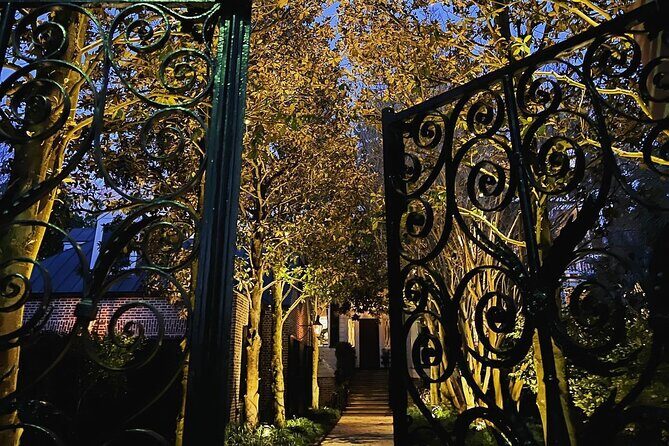
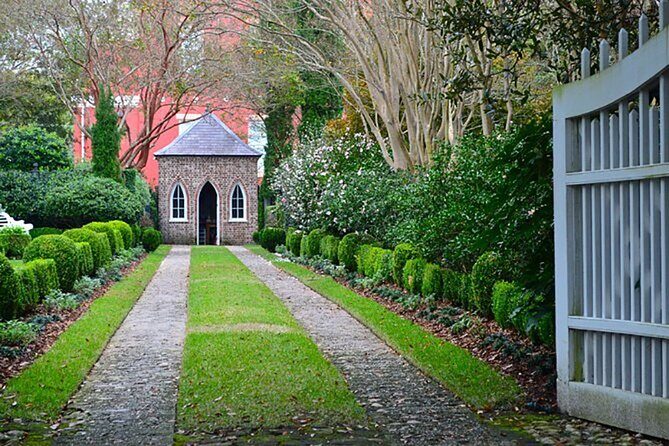
Tradd Street is where the tour starts feeling like a time machine with street names. You’ll walk there and hear that Tradd Street was built in 1720—one of those details that makes Charleston’s layout click instantly.
Here’s why this stop is valuable: architecture and street planning are history, not decoration. When you connect a street’s age to what went on around it—commerce, power, housing—you stop treating buildings as isolated sights. You start seeing the city as a system.
Tradd Street also works well for photos, but the best value isn’t the camera. It’s the way the guide’s explanations help you interpret what you’re looking at: why certain areas developed when they did, and how Charleston’s story shows up even when nothing is labeled with a big sign.
If you tend to zone out on “street walks,” this stop is one that keeps you from drifting. It gives your eyes a job.
Battery and White Point Gardens: live oak shade with a viewpoint story
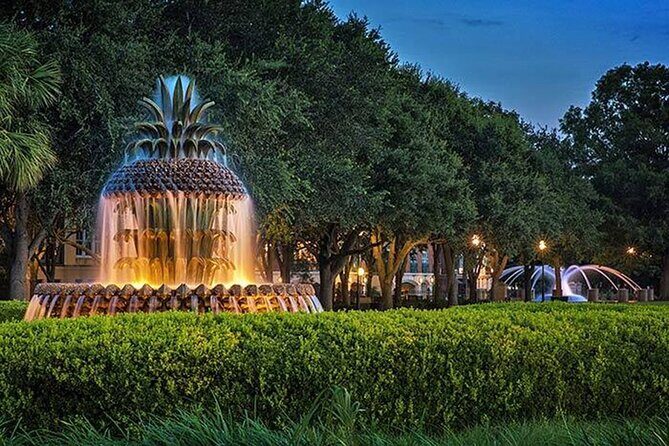
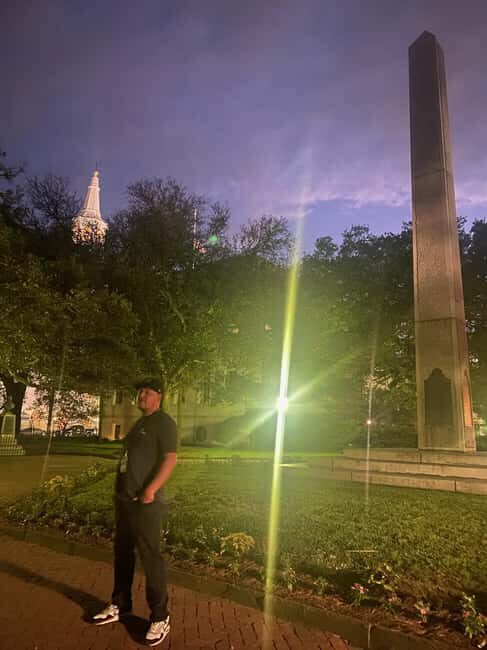
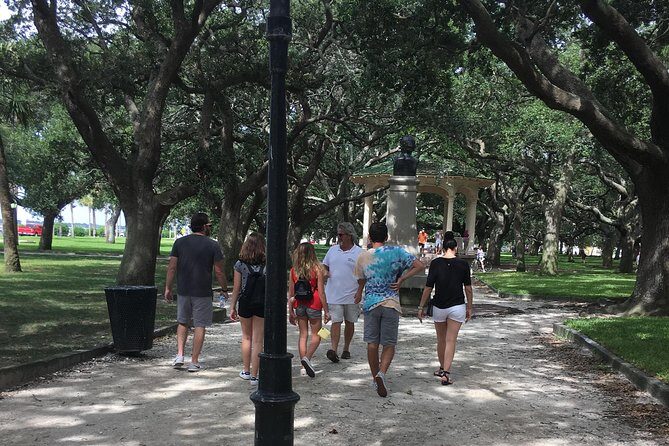
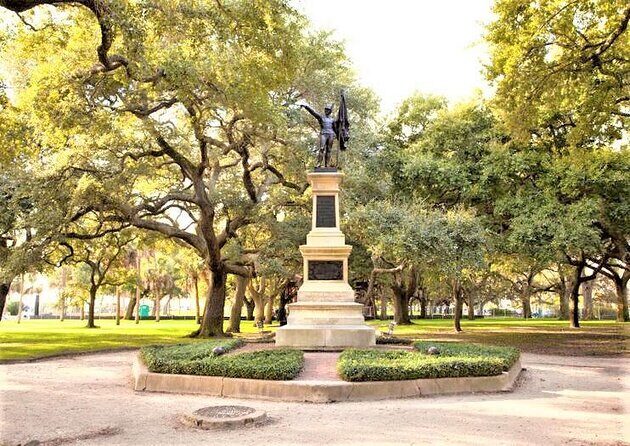
Next comes a truly Charleston moment: the Battery & White Point Gardens area. You’ll get a breathtaking view among hundred-year-old live oak trees. It’s scenic in the obvious way, but the better part is how the guide uses the setting to talk about the city’s past and why these views mattered.
This is a great stop if you’re the type who likes learning how places work—who saw what, who walked where, and how coastal geography and social geography overlapped. When you hear the context, the scenery becomes more than a photo background.
Also, this stop is one of the reasons the tour works as a morning activity. Live oak shade plus a break-friendly style means you can rest your legs without losing the plot. You don’t feel rushed to keep pace.
Downside? This is still an outdoor walk. If you’re sensitive to heat, you’ll appreciate choosing a hat, sunscreen, and water early on, because the tour doesn’t magically stop being outdoors.
Heyward-Washington House: where George Washington lived in Charleston
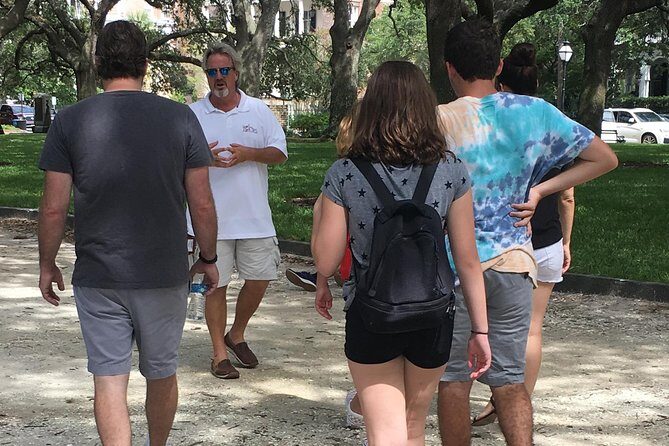
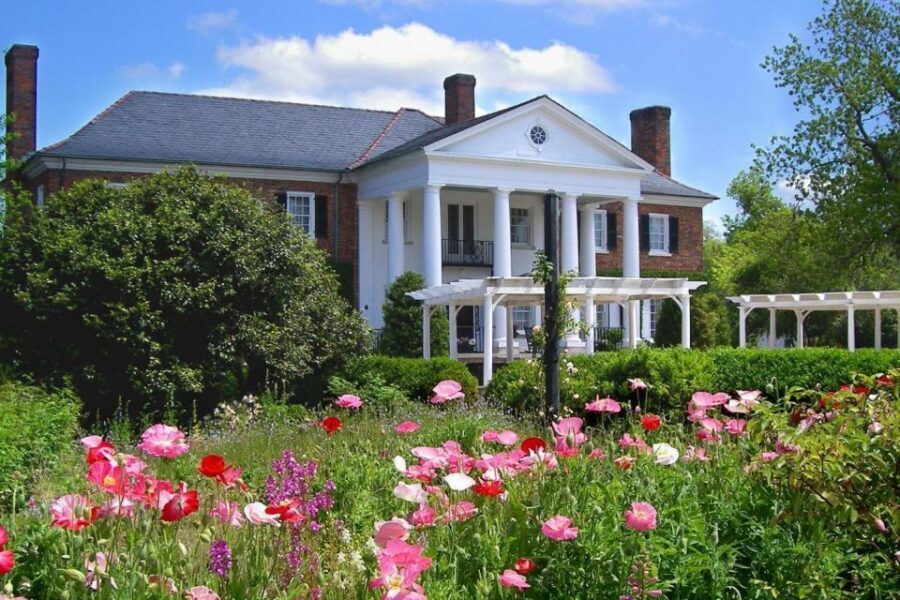
The route ends with a stop that takes a familiar name and makes it feel specific: the Heyward-Washington House. Many places show you where George Washington slept, but this is where he lived while he was in Charleston.
That distinction matters. Sleep locations are easy trivia; living locations are where daily routines, social life, and power dynamics show up. Even if you already know the story, the guide’s framing helps you understand what it meant for Charleston at the time—how a visiting figure moved through the city’s world.
Time is brief at this stop—around five minutes—but it’s a good closer. After cobblestones, street chronology, and garden views, you land on a specific building tied to a famous person. That gives the tour a clean ending point and helps you remember the whole morning as a connected narrative instead of separate sights.



Why the historian’s style makes this more than a sightseeing walk

The tour’s selling point is not just where it goes—it’s how it teaches. You get a professional historian with a PhD, plus room for education, knowledge, and discussion. The guide also brings humor: dad jokes and lots of laughs show up along the way.
Here’s what that means for you: you’re more likely to leave with explanations you can repeat to friends. And you’ll start connecting Charleston’s big themes—like trade, slavery’s role in the economy, and how later periods shaped the city—to the physical places you saw.
The guide-led approach is also good for people who hate “passive tours.” You’re not just listening while staring forward. You’re encouraged to ask questions, and because the group is small (max 15), the guide can actually respond in a way that lands.
Based on the overall feedback and the very high score, the guides focus on details you won’t get from a quick guidebook skim. Names you may hear from recent tours include Cooper, Chuck, and Connor—and the consistent theme is serious scholarship delivered in an entertaining, conversational way.
Price and value: what $45 gets you in real terms
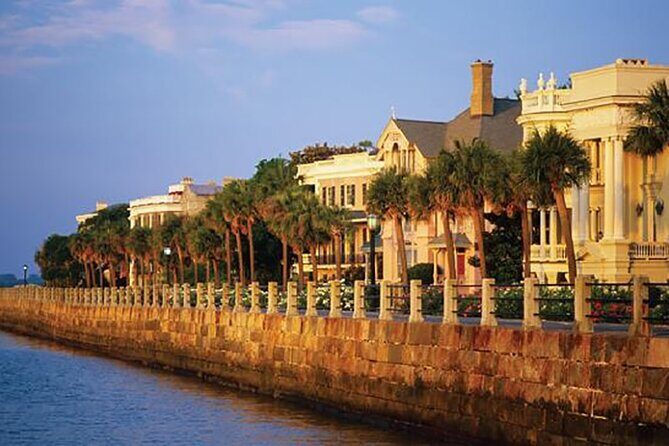
At $45 per person for about 2 hours 30 minutes, the biggest value isn’t the number on the ticket. It’s what you’re buying: a PhD-level historian, small-group attention, and a route that hits multiple “anchor points” in Charleston’s story.
Think of it like this. A self-guided walk can get you sights. This tour gets you meaning. And the pace is slow enough that you can actually absorb what you’re being told instead of sprinting between stops to “catch up.”
Also, the tour includes a mobile ticket, and it’s offered in English. That reduces friction and keeps your morning focused on the walk and the learning. You’ll just need to plan for basics like water and shoes, since those aren’t included.
If you’re traveling with someone who likes architecture but also wants context (or someone who wants history but needs help not falling asleep), $45 suddenly looks like a bargain.
What to bring and how to plan your morning
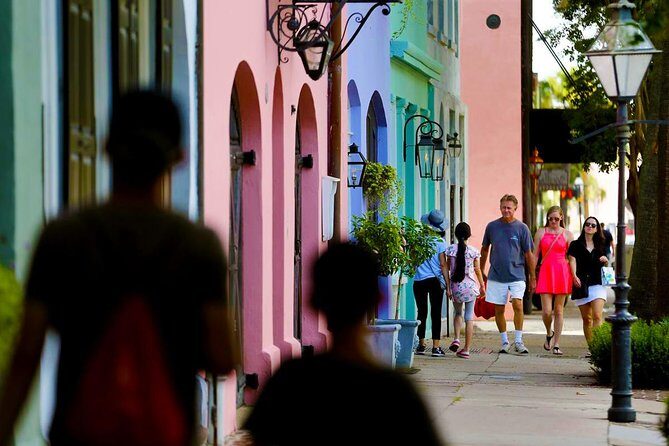
Do a little prep, and this tour becomes easy to enjoy.
Bring:
- Comfortable walking shoes (Charleston will test you)
- Bottled water (especially in hot, humid weather)
- A hat and sunscreen if you’re prone to sunburn
Plan your timing:
- Start at 10:00 am
- Expect a slow walk with breaks. The listed time is about 2 hours 30 minutes, but your morning can run longer if you ask questions and take breaks when the guide recommends it.
Terrain and comfort:
- Sidewalks can be narrow and irregular.
- Wheelchairs and walkers aren’t recommended for this style of tour.
- Strollers are fine, and young children may need extra care due to sidewalk width and uneven spots.
If you want the most fun experience, show up ready to slow down. Charleston isn’t designed for fast walking.
Weather, refunds, and the practical reality of an outdoor tour
This is an outdoor walking tour, so good weather is required. If the experience is canceled because of poor weather, you’ll be offered a different date or a full refund.
For cancellations, there’s free cancellation up to 24 hours in advance for a full refund. If you cancel within 24 hours, the amount paid is not refunded. If you’re watching the forecast, plan your decision with that window in mind.
Is this Charleston history tour worth booking?
Yes, if you want a historian-led walk that turns famous Charleston sights into a clearer story. I’d book it when:
- You’re in Charleston for a short time and want the “big connections” fast.
- You like asking questions and getting answers tied to what you’re looking at.
- You want a tour that mixes architecture, trade, and major historical context without feeling like a lecture.
I’d think twice if:
- You need a tour that’s friendly for wheelchairs or walkers, because this route is not recommended for them.
- You struggle with hot, humid outdoor walking—this tour still happens on sidewalks that can be uneven.
If you’re ready for a slow, shade-friendly morning and you want to leave Charleston understanding the city’s past in a way plaques can’t do alone, this is the kind of tour you’ll be glad you booked.
FAQ
How long is the Charleston history walking tour?
It’s approximately 2 hours 30 minutes.
How much does the tour cost?
The price is $45.00 per person.
Where do I meet the tour, and what time does it start?
You meet at Waterfront Park, Vendue Range/Concord St, Charleston, SC 29401, and the start time is 10:00 am.
Where does the tour end?
The activity ends back at the meeting point.
What stops are included?
The tour includes stops around the waterfront (including Charleston’s first fish market area), Tradd Street, the Battery & White Point Gardens, and the Heyward-Washington House.
Is the tour offered in English, and do I get a mobile ticket?
Yes, it’s offered in English, and you’ll receive a mobile ticket.
What’s included in the ticket price?
Included are a professional historian with a PhD, education/knowledge/discussion, and humor like dad jokes and laughs.
How large is the group?
The maximum group size is 15 travelers.
Is the tour suitable for wheelchairs or walkers?
Wheelchairs and walkers aren’t recommended for this tour due to Charleston’s narrow, uneven sidewalks.
What happens if the weather is poor or I cancel?
Good weather is required. If it’s canceled due to poor weather, you’ll be offered a different date or a full refund. Free cancellation is available up to 24 hours in advance for a full refund.