REVIEW · CHARLESTON
Charleston Harbor History Day-Time or Sunset Boat Cruise
Book on Viator →Operated by Charleston Harbor Tours · Bookable on Viator
Charleston Harbor looks different from the water. This cruise turns the waterfront into a story you can actually see, with fully narrated stops and close-up Fort Sumter views that make the Civil War feel real.
I also like that you can pick daytime or sunset departures, so you can trade between cooler light for photos and golden views for the end of the trip. One thing to watch: on busier sails, seating is limited on the top deck, and you may end up standing for parts of the ride.
In This Review
- Key points to know
- A 90-Minute Harbor Cruise That Puts Fort Sumter on Your Doorstep
- Where You Board: Charleston Maritime Center and the Carolina Belle Setup
- What You’ll See Along the Cooper River (Fort Sumter to USS Yorktown)
- Fort Sumter: the first shots, right where you can see the fort
- USS Yorktown: WWII came here too
- Fort Moultrie and Fort Johnson: a pair that explains both sides
- St. Michael’s Episcopal Church: why its steeple turned black
- The Battery: antebellum elegance from the water
- Bridges, Waterfront Park Views, and Wildlife Chances
- Cooper River bridges, including the Arthur Ravenel Jr. Bridge
- Charleston Waterfront Park: a satisfying closer look
- Dolphins and pelicans: bring your phone, but keep it fun
- How the Captain Narration Works (and Why It’s a Big Deal)
- Price and Value: Is $44.50 Worth It?
- Daytime vs Sunset: Choosing the Best Departure for Views and Comfort
- Sunset cruises are for the colors
- Daytime cruises are often easier to manage
- The Real-World Comfort Tips (So You Don’t Miss the View)
- Seat availability on the top deck is the big one
- Lower level can mean fewer clear views
- Bring patience, not just a camera
- Who This Cruise Fits Best (and Who Might Want Alternatives)
- Should You Book This Charleston Harbor History Cruise?
- FAQ
- How long is the Charleston Harbor History Boat Cruise?
- Where does the cruise depart from in Charleston?
- Does the cruise have narration?
- What major sites do you pass on the water?
- Are drinks included in the price?
- How many travelers can be on the boat?
- Is there a mobile ticket?
- What happens if weather is poor?
- Can I cancel for a refund?
- Is this tour family-friendly and accessible for most people?
Key points to know

- Live narration from the captain ties together forts, bridges, and Charleston landmarks as you pass them
- Fort Sumter is the star for Civil War context, with waterfront views that feel very up close
- USS Yorktown and the wartime “fighting lady” story show how Charleston fits into WWII too
- You’ll go under major bridges including the Arthur Ravenel Jr. Bridge linking downtown to Mount Pleasant
- Wildlife sightings are possible, including dolphins and pelicans
- Drinks are for purchase, so plan on spending a little extra onboard
A 90-Minute Harbor Cruise That Puts Fort Sumter on Your Doorstep
If you want Charleston to make sense fast, this is a smart way to get your bearings. You’re not just sightseeing. You’re moving along the same waterway that shaped everything from Revolutionary-era fighting to Civil War fortifications.
The big payoff is the combination of Fort Sumter close-up views and a captain who keeps the history clear and conversational. You’ll also pick up the “why” behind what you see: how forts worked together, how Charleston’s geography mattered, and why specific landmarks survived—or changed—over time.
Other boat tours in Charleston


Where You Board: Charleston Maritime Center and the Carolina Belle Setup
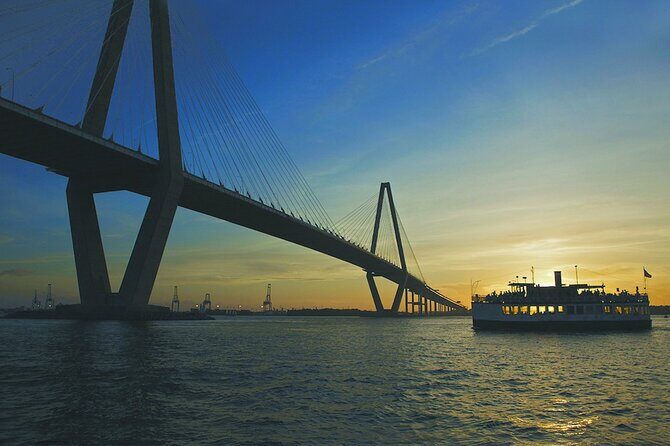
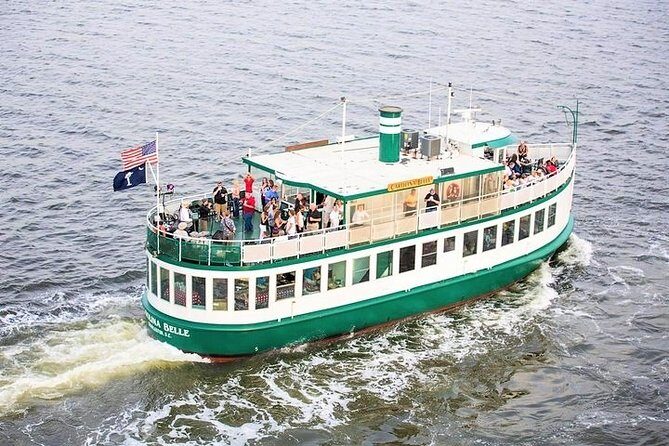
You’ll start at the Charleston Maritime Center at 10 Wharfside St in the French Quarter area. From there, you’ll present your voucher and board the 80-foot Carolina Belle.
Boarding is pretty straightforward, but it’s worth knowing what to expect. There’s a flat pier out to the boat, and the boarding ramp is about 30 feet long. You’ll board on the top deck, and stairs lead to the lower level. Restrooms are on the top deck.
One more practical point: the boat can carry up to 200 travelers, so it can feel busy. When you care most about sightlines, plan your spot early rather than assuming you’ll float to the front row once onboard.
What You’ll See Along the Cooper River (Fort Sumter to USS Yorktown)
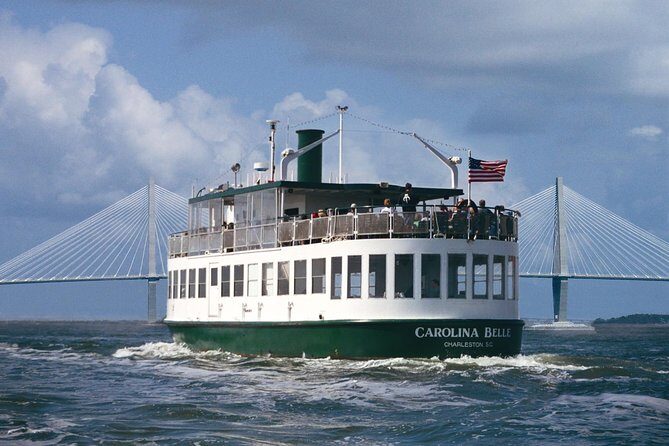
Once you head up the Cooper River, the route is built around the most important “anchors” of Charleston’s military story.
Fort Sumter: the first shots, right where you can see the fort
Fort Sumter is the centerpiece. This is the fortified island tied to the opening shots of the Civil War, and seeing it from the water gives you a scale most photos don’t. You’re not looking at a distant dot—you’re in the same harbor setting that made that stand possible.
This matters because the story lands better when your eyes can connect fort design, distance, and defensive position. Even if you’re not a history nerd, the setting does the teaching.
USS Yorktown: WWII came here too
Next up, you pass the Essex-class USS Yorktown, described on the tour as a WWII “fighting lady.” The detail that stands out is her dramatic career and the fact that she earned eleven battle stars.
This is a nice balance to the Civil War focus. Charleston wasn’t only a 19th-century battlefield town. The harbor ties into how the United States projected power later, and the cruise helps you connect those dots without turning into a textbook.
Other historical tours in Charleston






Fort Moultrie and Fort Johnson: a pair that explains both sides
You’ll also see Fort Moultrie and Fort Johnson, a pair of forts associated with Confederate and Union soldiers. The value here is not just name recognition. The narration frames them as parts of a bigger defensive system.
If you’ve ever looked at a map and wondered how multiple forts could matter together, this is your answer. You’ll feel the logic of the shoreline and the way soldiers watched and controlled movement through the water.
St. Michael’s Episcopal Church: why its steeple turned black
The cruise includes the story of St. Michael’s Episcopal Church and a detail that sounds almost too specific to be true: the steeple was painted black so it was not an easy target. The tour also notes that the church survived fighting from both the Revolutionary War and the Civil War.
That steeple detail is exactly the kind of thing you’ll remember after you’ve left. It’s practical, visual, and it shows how war changed daily life and even architecture.
The Battery: antebellum elegance from the water
Between the forts, you’ll pass the stately homes on the Battery, which the narration frames as symbols of Southern elegance and perseverance. You get a different angle on those homes than you would walking the streets.
The best part is how the cruise doesn’t treat the waterfront as separate eras. You see antebellum charm and military purpose in the same run, which is how Charleston really feels on the ground too.
Bridges, Waterfront Park Views, and Wildlife Chances
Charleston’s harbor isn’t just historic. It’s active, and the cruise shows that side as well.
Cooper River bridges, including the Arthur Ravenel Jr. Bridge
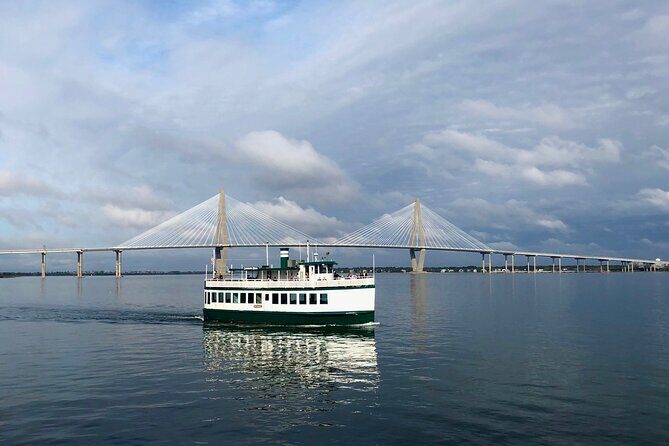
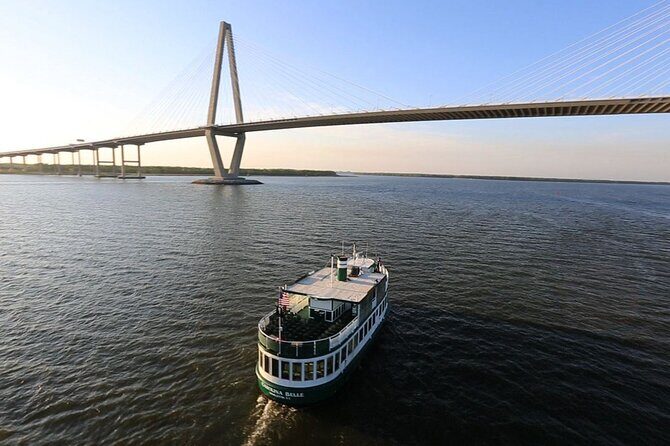
You’ll navigate under the Cooper River bridges, including the Arthur Ravenel Jr. Bridge. The narration highlights how this modern span accommodates extremely large ships and connects downtown Charleston to Mount Pleasant.
This stop helps if you like context. It reminds you the harbor is still working today, not just frozen in the past. The bridge also gives you a clean, modern contrast to the older forts you’ve been hearing about.
Charleston Waterfront Park: a satisfying closer look
The tour includes views of the Charleston Waterfront Park. This is a good “wrap” moment because it’s where you get to reconnect with the city skyline and the shoreline you’ll likely explore later on your own.
Dolphins and pelicans: bring your phone, but keep it fun
You might also spot dolphins skimming the surface and pelicans diving for food. You can’t guarantee wildlife, but this is one of those cruises where “nature bonus” is genuinely possible.
If you’re trying to photograph, don’t block the view of others. Instead, aim for quick shots when a dolphin appears, then refocus on the shoreline when it fades.
How the Captain Narration Works (and Why It’s a Big Deal)
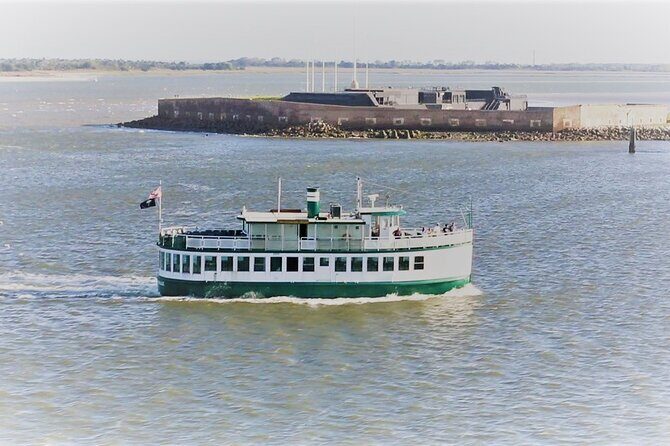
This cruise is fully narrated by the captain throughout the ride. That sounds like a standard feature, but it’s actually the core reason this tour earns such strong ratings.
What you’re really paying for is pattern recognition. The captain connects names—Fort Sumter, USS Yorktown, Fort Moultrie, Fort Johnson, St. Michael’s steeple—to what you see outside the windows. You start to understand what each landmark contributes to the larger story of Charleston’s harbor and defense.
Also, the tone tends to land with groups and families. It’s educational without feeling like a lecture. You’ll hear facts, but you’ll also get the human feel of the place: how decisions got made, what people feared, and what had to be protected.
One heads-up: if you’re expecting every major Charleston topic covered on the water, you might find the focus is mostly the harbor and fort stories. If the Black History Museum and Memorial is a must-do for you, I’d treat those as a separate add-on before or after this cruise so you don’t feel shortchanged.
Price and Value: Is $44.50 Worth It?
At $44.50 per person, this cruise sits in a mid-range price spot for a 90-minute sightseeing experience. What makes it feel worthwhile is how much it delivers for that time: major landmarks, strong narration, and a route that includes both Civil War-era points and WWII-era context.
You also get a real boat ride on the Carolina Belle, not just a short loop. The 90 minutes is long enough to settle in, take photos, and actually follow the story without rushing.
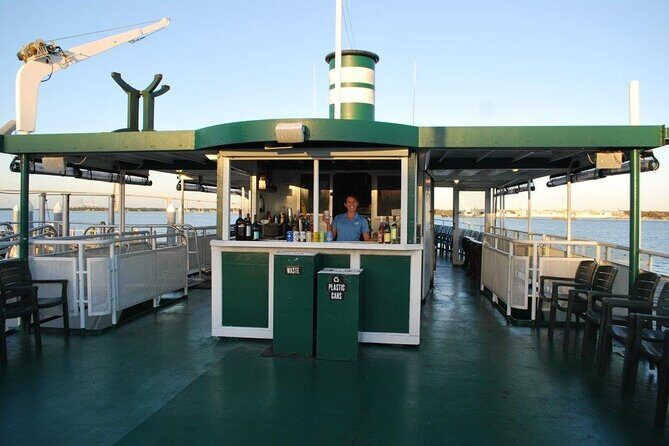
Where the value calculation changes a bit is onboard spending. Alcoholic drinks are not included, and drinks are available to purchase. One review specifically called out a bottled water price around $4.95, so if you’re cost-sensitive, bring a non-alcohol option if the cruise allows it where you are, or at least budget for the markup.
My practical take: if you want a fast, guided route that ties together what you’ll see around Charleston, this price can make sense. If you only care about scenery and don’t want history, you may feel the narration is more than you bargained for.
Daytime vs Sunset: Choosing the Best Departure for Views and Comfort
You can choose morning, afternoon, or sunset departures, and that choice changes your experience in two ways: light and crowd comfort.
Sunset cruises are for the colors
Sunset is hard to beat on the water. Reviews and timing both point to sunsets as a clear draw, with especially memorable skies during the last stretch of the ride.
But here’s the trade-off. On busier sunset trips, seating can fill quickly. One common piece of advice: arrive early to get a seat on the top deck.
There’s also a sightline tip that can help you score the best angles. If you can, try for the right side of the boat for the best views on sunset outings.
Daytime cruises are often easier to manage
Daytime sails can be a better bet if you don’t want to fight for position. You’ll still get the forts, bridges, and waterfront views, and the narration will feel just as useful.
If you’re traveling with older relatives or anyone who doesn’t love standing, daytime may feel calmer. Some people reported crowded conditions on full sailings, especially up top, and one mentioned standing for most of a trip.
The Real-World Comfort Tips (So You Don’t Miss the View)
This is where planning pays off.
Seat availability on the top deck is the big one
The boat has top-deck boarding, and there are stairs to the lower level. Reviews suggest the top deck has limited seating compared to the number of people onboard. That means even if you board early, you may still end up standing if you’re not among the first to claim a seat.
If your priority is comfort, don’t treat the top deck as guaranteed seating. Consider that you might be in the stand-and-watch mode for parts of the cruise.
Lower level can mean fewer clear views
Some people felt the lower level had blind spots, plus a musty or outdated feel. If you want the sights the most—especially Fort Sumter and the waterfront—aim to stay on the top deck when possible.
Bring patience, not just a camera
Because the boat can run full, movement on deck may feel tight. You’ll spend time at railings and in viewing lines. I suggest keeping your camera grip loose and your focus flexible. When a landmark hits your window moment, that’s your time to shoot.
Who This Cruise Fits Best (and Who Might Want Alternatives)
This cruise is a strong match if you want an efficient, story-led way to experience Charleston.
You’ll likely enjoy it if:
- You’re visiting for a short time and want big-name sights in one loop
- You like maritime and military history presented in plain language
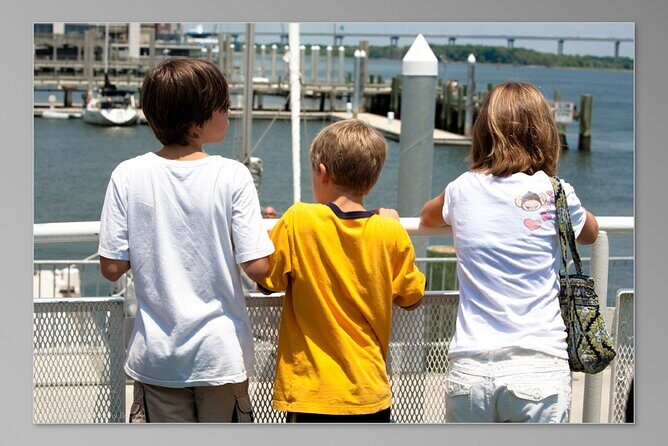
- You want a family-friendly activity that doesn’t require museum tickets or long walking
You might consider alternatives if:
- You dislike standing on crowded boats
- You want maximum comfort more than photos or views
- You’re hoping the cruise includes a wide range of Charleston museums and memorials beyond the harbor and forts
The good news is the cruise duration is fixed at about 1 hour 30 minutes, so even if conditions get crowded, you’re not stuck for half a day.
Should You Book This Charleston Harbor History Cruise?
Yes, I’d book it for many visitors—especially first-timers—because it does a rare thing: it connects Charleston’s most famous sites to the waterway that shaped them. The captain narration makes the route feel purposeful, and the Fort Sumter stop is the kind of viewpoint that makes the trip click immediately.
Book it if your priority is a guided, waterfront overview that blends Civil War and WWII-era landmarks with live interpretation. I’d also choose the timing based on your tolerance for crowds: if you love sunsets and can handle tighter deck space, go sunset. If you’d rather enjoy history without the seat scramble, pick a daytime departure.
FAQ
How long is the Charleston Harbor History Boat Cruise?
The cruise runs about 1 hour 30 minutes.
Where does the cruise depart from in Charleston?
You meet at the Charleston Maritime Center, 10 Wharfside St, Charleston, SC 29401, USA.
Does the cruise have narration?
Yes. It is fully narrated by the captain throughout the tour.
What major sites do you pass on the water?
You’ll see Fort Sumter, USS Yorktown, Fort Moultrie, Fort Johnson, St. Michael’s Episcopal Church, and the Battery, along with the Cooper River bridges and views of Charleston Waterfront Park.
Are drinks included in the price?
No. Alcoholic drinks are not included, and drinks are available to purchase onboard.
How many travelers can be on the boat?
The tour has a maximum of 200 travelers.
Is there a mobile ticket?
Yes, you’ll receive a mobile ticket.
What happens if weather is poor?
This experience requires good weather. If it’s canceled due to poor weather, you’ll be offered a different date or a full refund.
Can I cancel for a refund?
You can cancel for a full refund up to 24 hours in advance. If you cancel less than 24 hours before the experience starts, the amount paid will not be refunded.
Is this tour family-friendly and accessible for most people?
The tour is described as family-friendly and most travelers can participate. Service animals are allowed. The boarding ramp is about 30 feet long, and restrooms are on the top deck.