REVIEW · CHARLESTON
Charleston: Daytime or Sunset Historic Harbor Cruise
Book on GetYourGuide →Operated by Charleston Harbor Tours · Bookable on GetYourGuide
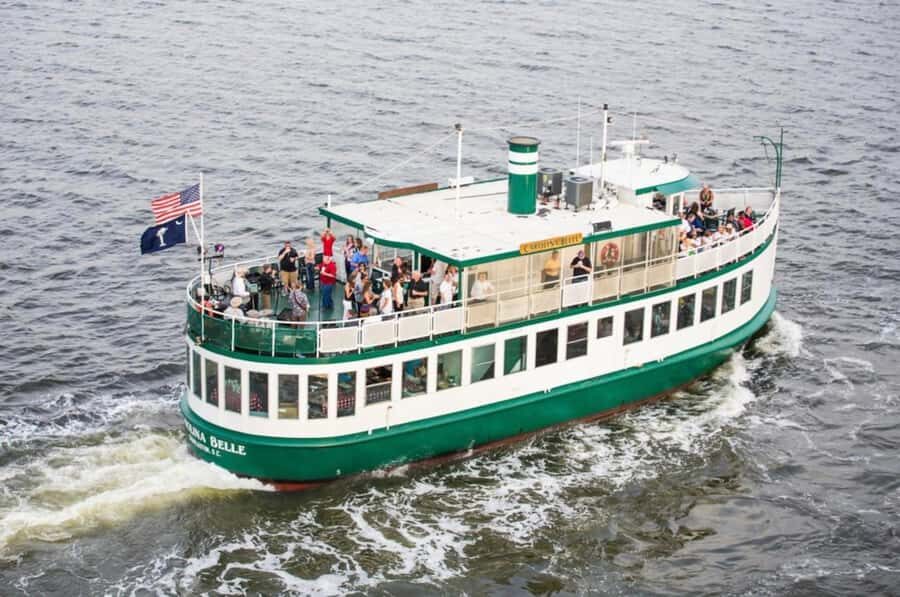
Charleston’s harbor has a way of teaching you fast. This 90-minute cruise in a replica 1920s Bay-Steamer style boat pairs live narration with close-up Civil War and Revolutionary War landmarks, including Fort Sumter. I also love the chance to settle into either the enclosed observatory or the partially covered upper deck and still get great sightlines. The one trade-off: the on-board drink and snack bar is extra, and it can add up if you plan to order cocktails or lots of bites.
What makes this outing work so well is the mix of viewpoints and pacing. You get an easy, scenic “from the water” overview of Charleston’s layout, plus photo stops that make the history feel physical instead of abstract. Captains like Cap’t Ron, Captain Matt, and Captain Lance show up with different styles, but the consistent theme is smart, friendly storytelling.
This is also a good reminder to dress for the water, not just the city. Even on a warm day, the breeze off the harbor can cool you down, so bring a layer you’re comfortable wearing for the full ride.
In This Review
- Key things that make this cruise a smart pick
- Stepping aboard: what the 1920s steamer replica adds
- The route in plain language: Charleston Harbor to the landmarks that define it
- The Battery: why this photo stop starts your mental map
- Fort Sumter: the close-up Civil War moment you actually want
- Arthur Ravenel Jr. Bridge: the modern landmark that frames the harbor
- Wildlife spotting: dolphins and pelicans without turning it into a chore
- Indoors vs outdoors: where to sit for better views and comfort
- The snack bar and drink prices: fun extras, not part of the deal
- Why the narration and captain style are the real differentiator
- Who this cruise is best for (and who might want something else)
- Should you book this Charleston Harbor cruise?
- FAQ
- How long is the Charleston harbor cruise?
- Where do I meet for the cruise?
- Is Fort Sumter included in the route?
- Are drinks and snacks included in the price?
- Will I see dolphins or pelicans?
- Is the cruise wheelchair accessible?
- Are pets allowed, and can I smoke or vape on board?
Key things that make this cruise a smart pick
- Fort Sumter from the harbor: see why this site matters, without committing to a full day tour
- 75+ landmarks in 90 minutes: you’ll get the big picture of Charleston’s defenses and coastlines
- Dolphins and pelicans are part of the plan: you might spot them near the route and wake
- Deck options that keep you comfortable: enclosed seating below and an outdoor upper deck
- Live captain-led narration: often with humor, plus the occasional musical break between sections
- Snack bar available: you can buy drinks and small bites, but plan for extra cost
Stepping aboard: what the 1920s steamer replica adds
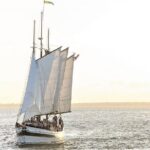
This cruise runs on a replica of a classic 1920s Bay-Steamer, and that matters more than you might think. The boat feels built for sightseeing, not rushing—so you can focus on watching, listening, and taking photos. It’s also just fun to be on something that looks like it belongs to the harbor’s older era.
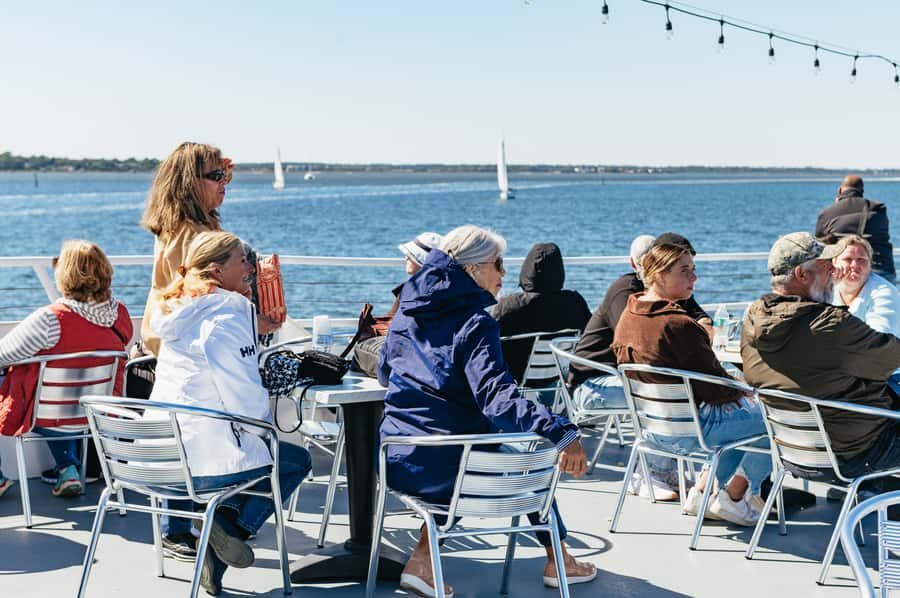
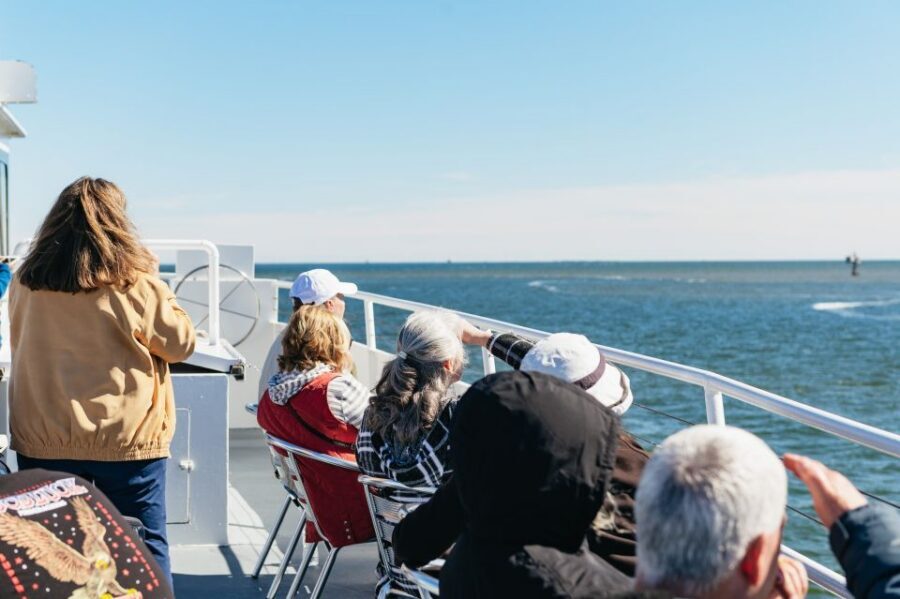
You’ll notice two main comfort zones right away. There’s an enclosed observatory for shelter (especially nice if it’s windy or overcast), and there’s a partially covered upper deck when you want the best open-air views. The ride is set up so you can switch your preference as conditions change.
The other big factor is the captain’s role. This isn’t a screen-and-headphones tour. The narration is live, and multiple captains—including Cap’t Ron—are praised for being engaging and well-versed in what you’re seeing right now, not just reciting facts.
Other boat tours in Charleston


The route in plain language: Charleston Harbor to the landmarks that define it
You’ll start at the Charleston Maritime Center, then glide out into the Charleston Harbor for a guided loop. The total cruise is about 20 miles and takes 90 minutes, so it’s long enough to build context but short enough to fit easily into your day or evening plan.
Along the way, the captain walks you through more than 300 years of American history. That’s a fancy way of saying you’ll hear the story behind what you’re passing: forts, coastline edges, and the strategic geography that made this harbor so important. You also get a running sense of time—Revolutionary War references blend into Civil War history, and then you’ll even hear World War II connections.
The cruise highlights an ambitious count of 75+ landmarks and points-of-interest. You won’t need to take notes to keep up. The captain ties each sight to the larger pattern of Charleston’s defenses and its role as a working port—so the route feels like one connected story instead of random points.
The Battery: why this photo stop starts your mental map

One of your first big moments is The Battery. You’ll get a photo stop and pass by this area as the captain narrates what makes it important. The Battery is one of those Charleston places that looks beautiful from land, but from the water it also helps you understand the city’s edge—how the coastline shapes everything behind it.
This part is especially useful if you’re visiting for the first time. Charleston’s streets can feel like a maze until you see how the harbor and shoreline relate to the neighborhoods. Even in 90 minutes, The Battery stop gives you something to anchor your sightseeing later.
If you’re traveling with someone who doesn’t want a full museum day, this is where you’ll get them on board. The view does half the work, while the captain’s commentary fills in the why.
Fort Sumter: the close-up Civil War moment you actually want
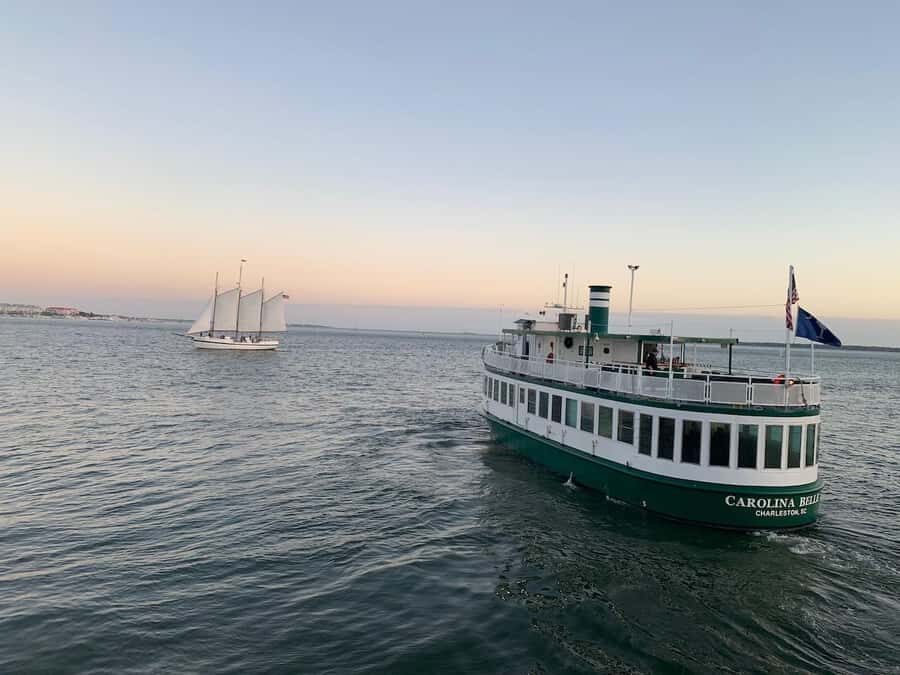
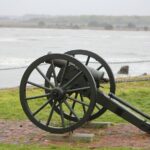
You’ll pass Fort Sumter National Monument, and this is the stop history lovers circle. The cruise route is timed so you can see the fort area as the captain explains why it’s tied to the opening shots of the Civil War.
What makes this more satisfying than a quick passing glance is the combination of perspective and narration. From the harbor, you see how distance and angle affect your view of the fort and the surrounding coastline. That helps you understand the real-world situation behind the story, not just the headline.
You’ll also hear about other forts tied to both sides of the conflict—Confederate and Union—which gives you context for why Charleston’s harbor defenses were so tightly contested. This isn’t only about the one famous site; it’s about the whole system of fortifications.
Arthur Ravenel Jr. Bridge: the modern landmark that frames the harbor
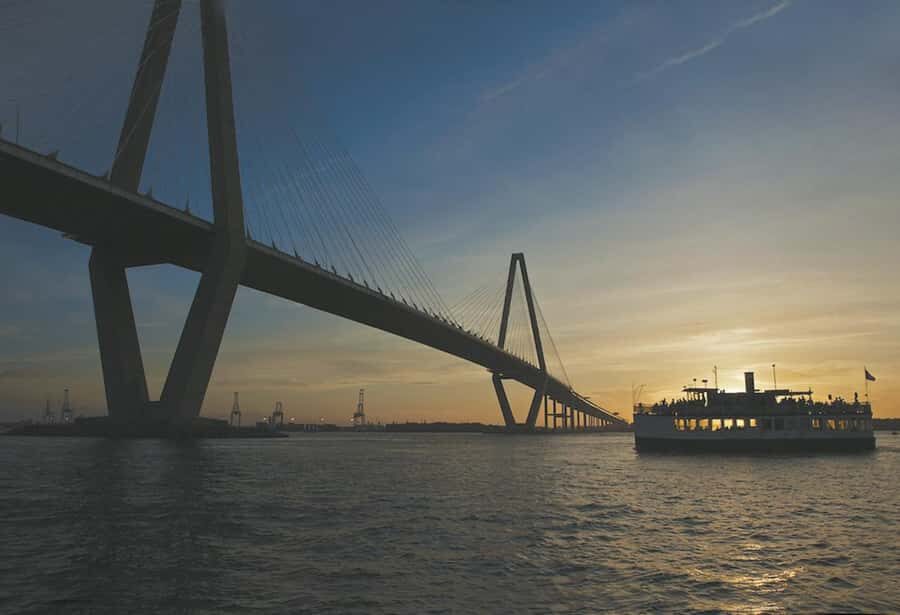
Next up is the Arthur Ravenel Jr. Bridge for another photo stop. This is where the cruise does something clever: it links the old harbor story to the present-day skyline. You get a clear sense of where the bridge fits into the geometry of the waterway and how Charleston’s modern infrastructure sits right alongside its historic sites.
For photography, this can be a handy visual “reset.” After the forts and battle-related geography, you get a clean, recognizable structure that helps you build a set of images you can remember later. It also helps you orient yourself when you’re back on land, since you can easily spot the bridge area again.
Other historical tours in Charleston






Wildlife spotting: dolphins and pelicans without turning it into a chore

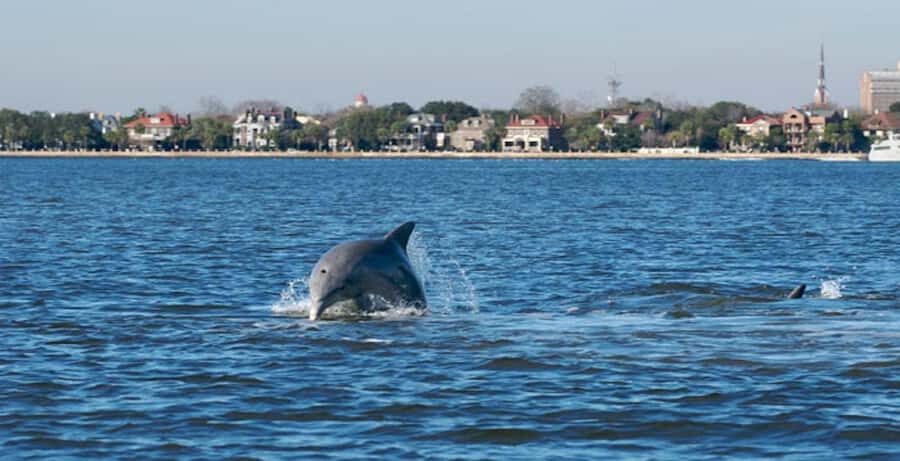
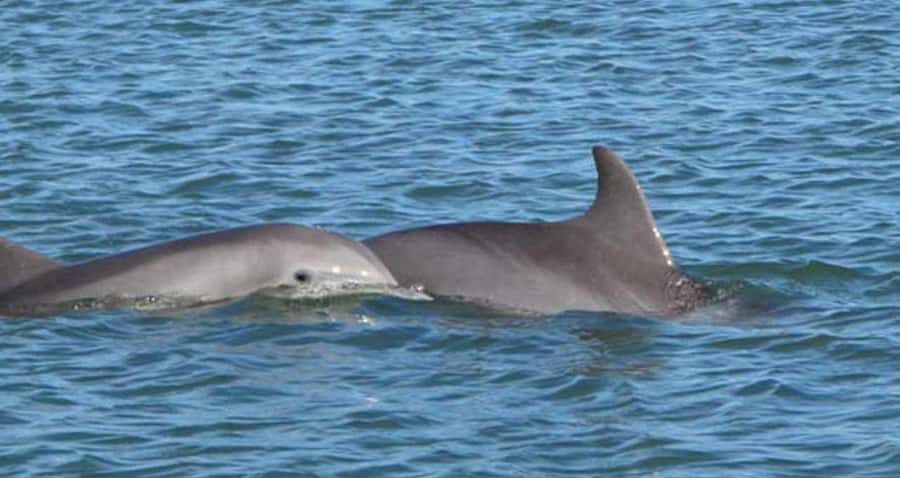
The cruise actively encourages watching for dolphins and pelicans, and this is one of the most repeatedly loved parts. Sometimes the sightings happen fast—so keep your eyes up when the captain points out likely areas. On at least one memorable run, dolphins were seen riding the bow wave, which is pure instant entertainment.
The best approach is simple: don’t stare only at your phone or only at the horizon. Alternate between scanning the waterline and listening for the captain’s callouts. That way you catch wildlife moments while still staying oriented to the landmarks.
Even if you don’t see dolphins, you’re still getting a lot of water-level perspective on the harbor. But when you do spot them, it turns the cruise from a good history lesson into a feel-good outing you’ll remember.
Indoors vs outdoors: where to sit for better views and comfort
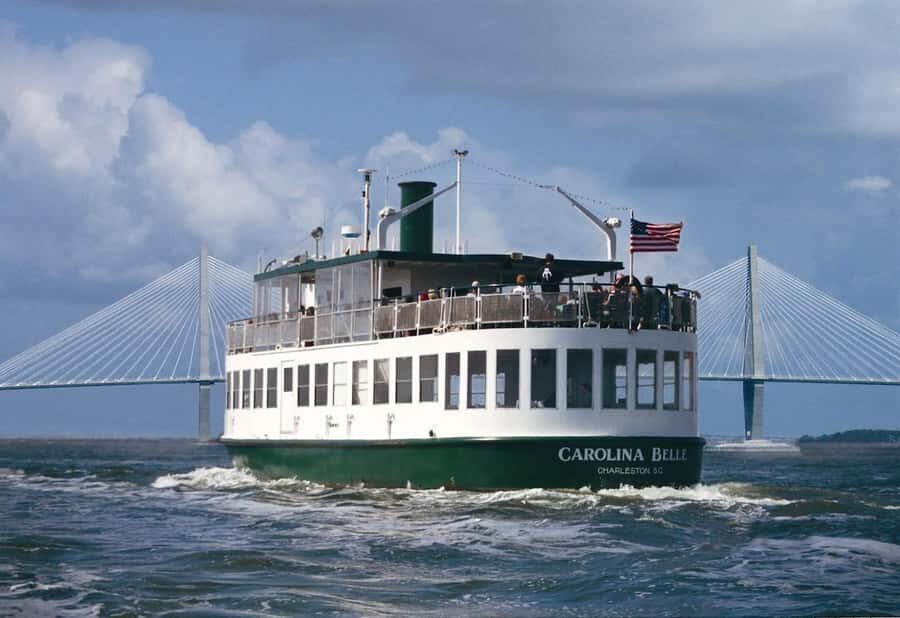
Your choice of seating can change the experience. If it’s cool, gusty, or you want a more relaxed ride with less wind, the enclosed observatory is a smart pick. If the sky looks promising and you want open-air photos, the upper deck gives you more direct sightlines.
Because the cruise is 90 minutes, comfort matters. You don’t want to spend the whole time shifting around because the sun angle or breeze isn’t working. If you’re unsure, pick the seat that matches the weather right now—not the weather forecast from earlier in the day.
One practical tip: the temperature on the water can be significantly lower than on land. Bring a layer even if the city feels warm when you start.
The snack bar and drink prices: fun extras, not part of the deal
The cruise includes round-trip harbor time and live narration, but food and drinks are available to purchase on board. That’s great because you’re not locked into bringing your own snacks, and you can choose what you want in the moment.
The trade-off is that the on-board options cost extra. Some people specifically mention that drink prices can be high, so go in with a spending mindset. If you want this to stay good value, consider keeping orders simple: water first, one drink if you’re feeling it, and then see how the cruise feels.
Also, the snack bar can be worth it for a group. If you’re traveling with kids or mixed ages, having options onboard keeps the mood light.
Why the narration and captain style are the real differentiator
A harbor cruise can turn into background noise if the guide reads a script without energy. Here, that doesn’t seem to be the issue. Captains are repeatedly described as funny, welcoming, and clearly enjoying what they do—so you stay engaged even when the boat is just cruising smoothly.
Different captains bring different flavors. One captain like Captain Matt is noted for mixing humor with info. Captain Lance is praised for being entertaining and knowledgeable while also keeping safety front and center. Cap’t Ron gets love for making passengers feel welcome and for tightening the story as the boat moves along the route.
There’s also mention of music between narrations on some trips. If that’s your style, it’s the kind of small touch that makes the ride feel more like an experience than a lesson.
Who this cruise is best for (and who might want something else)
This cruise is a strong fit if you want a high-impact overview without committing to a full day itinerary. It works especially well for:
- First-time visitors who want to understand Charleston’s layout fast
- People who like history, but not long, museum-heavy mornings
- Families who want an easy win with minimal walking
- Small groups who want a shared activity before dinner
It’s also good for anyone who likes a mix: you get history landmarks, wildlife potential, and photo stops in one smooth package.
If your goal is a deep, stop-and-explore experience at each site, this won’t replace that. But if your goal is to get oriented and see the harbor’s most important places from the water, this is built exactly for that.
Should you book this Charleston Harbor cruise?
I think you should book it if you want one affordable, relaxing way to see Fort Sumter area viewpoints, connect Charleston to its military history, and still have a chance at dolphins. At $49 per person for 90 minutes, the value comes from the format: you’re paying for narration plus the water-level perspective you can’t easily recreate on your own in the same time.
Skip it only if you know you’ll be irritated by paying extra onboard for drinks and snacks, or if you’re looking for hands-on exploration rather than a guided view from the harbor.
If you’re deciding between daytime and sunset, pick based on your comfort first. Daytime is great for clearer viewing and easier logistics. Sunset can add that moment of magic when the harbor turns softer and the sky does the work—but either way, you’re getting the core payoff: an efficient, story-driven harbor loop you can build the rest of your Charleston trip around.
FAQ
How long is the Charleston harbor cruise?
The cruise lasts about 90 minutes.
Where do I meet for the cruise?
You meet at the Charleston Maritime Center. The closest parking is at the South Carolina Aquarium Parking Garage at 24 Calhoun Street.
Is Fort Sumter included in the route?
Yes. You’ll pass by Fort Sumter National Monument, with a photo stop as part of the tour.
Are drinks and snacks included in the price?
No. Round-trip harbor cruise and live narration are included, but food and drinks are available to purchase on board.
Will I see dolphins or pelicans?
The tour route includes time and encouragement to watch for wildlife like dolphins and pelicans, and sightings are a common highlight, though wildlife is never guaranteed.
Is the cruise wheelchair accessible?
Yes, it is wheelchair accessible.
Are pets allowed, and can I smoke or vape on board?
Pets are not allowed. Smoking and vaping are also not allowed on board.