REVIEW · CHARLESTON
Charleston: Downtown Culinary Walking Tour
Book on GetYourGuide →Operated by Charleston Culinary Tours · Bookable on GetYourGuide
Charleston smells like dinner already. This downtown City Market food walk is a smart way to taste low-country cuisine while hearing why Charleston eats the way it does. I especially like the seated pacing at each stop and the way the guide connects flavors to landmarks and local culture. One thing to plan for: the portions are big enough that you may feel completely stuffed.
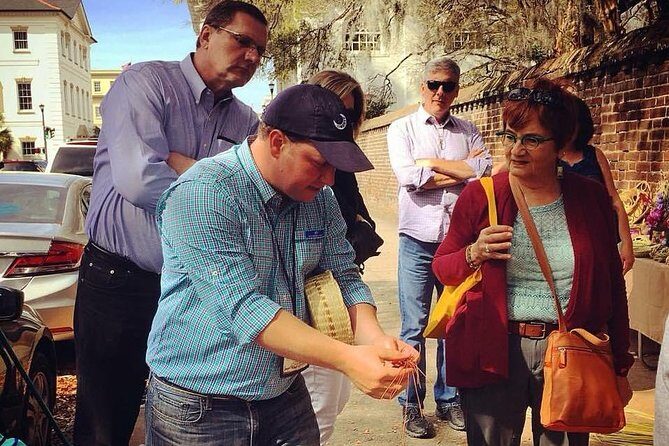
Guides on this tour—people like Mimi, John, Simon, Dana, and Jessica—lean into history and food in an upbeat, no-nonsense way. From the outside it’s an easy 2.5-hour stroll, but the experience is timed and run well, so you’re not stuck waiting around. If you hate walking downtown or you want an ultra-light snack tour, this one may feel like a full meal in disguise.
In This Review
- Key highlights at a glance
- Why City Market and the French Quarter Food Walk Makes Sense
- The 2.5-hour pacing: easy walking, timed tastings, real breaks
- Stop-by-stop: how the tasting route builds a full low-country meal
- Your first tasting: getting oriented fast
- Middle stops: variety without decision fatigue
- The final stop: dessert that finishes the story
- The guide’s role: food plus Charleston landmarks and context
- Price and value: what $99 gets you (and when it’s a bargain)
- Logistics that matter: meeting point, timing, and what to bring
- Who should book this tour (and who might skip it)
- Should You Book the Charleston Downtown Culinary Walking Tour?
Key highlights at a glance
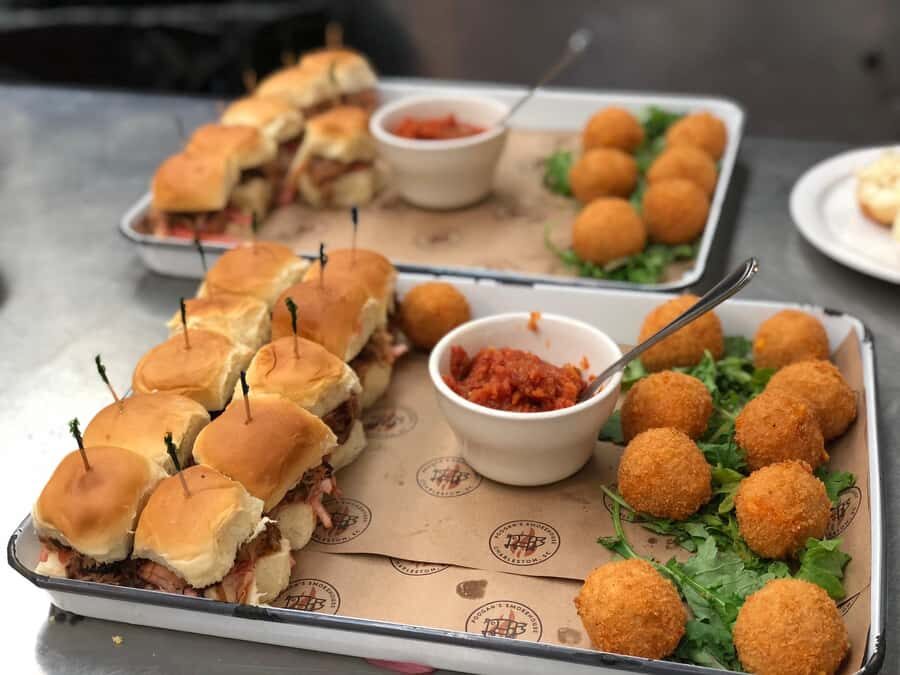
- 4+ award-winning Charleston restaurants with guided tastings (each stop runs about 20–30 minutes)
- Seated breaks built into the route, so your legs get rest while you eat
- French Quarter + City Market setting, with landmark stories as you move block to block
- A dessert stop at the final restaurant, so the tour ends on a sweet note
- Beverages included, while alcoholic drinks are available to purchase separately
- Ends within walking distance of where you started, no extra transit needed
Why City Market and the French Quarter Food Walk Makes Sense
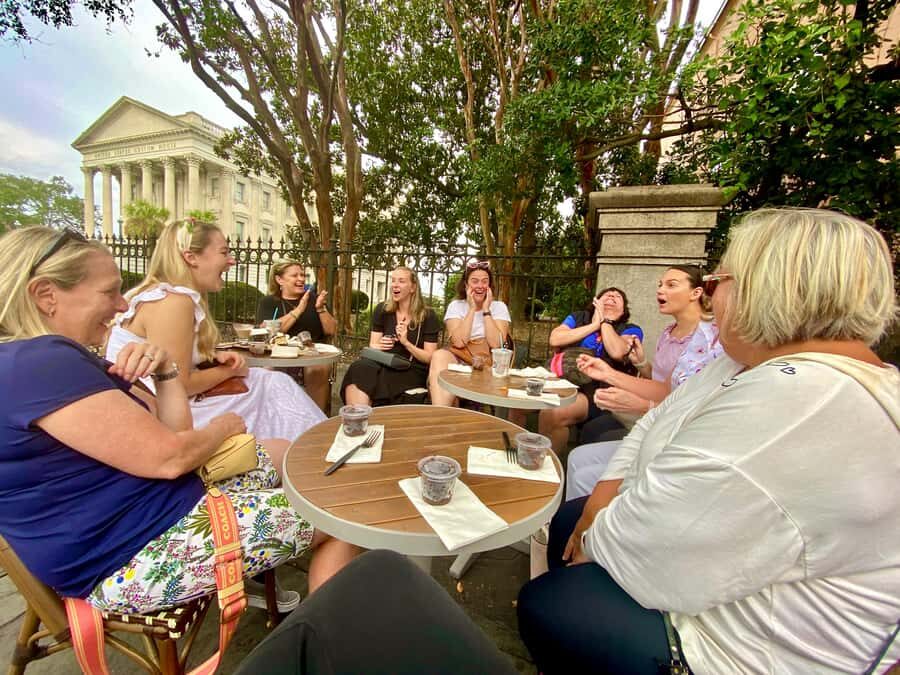
Charleston’s downtown has a way of pulling you in. The streets feel historic, the storefronts and courtyards carry old-world details, and food is never far from the conversation. This tour uses that setting well. You start in the City Market area and spend the walk moving through the historic downtown section, often described as the French Quarter.
What I like most is that you’re not wandering randomly trying to guess what to order. The guide is constantly translating the city into food terms. You’ll hear stories about Charleston’s culture and cuisine as you walk, plus the route includes landmark points the guide calls out along the way. That matters because Charleston’s food isn’t just about taste—it’s about trade, farming, and community. When you get that context, the meal stops being “just dinner” and becomes a small history lesson you can eat.
You also get the best of both worlds: you’re walking outside in the city air, but you’re not left to suffer through a long standing-and-snacking marathon. Each stop gives you time seated to rest and actually enjoy the tasting.
Other walking tours we've reviewed in Charleston



The 2.5-hour pacing: easy walking, timed tastings, real breaks
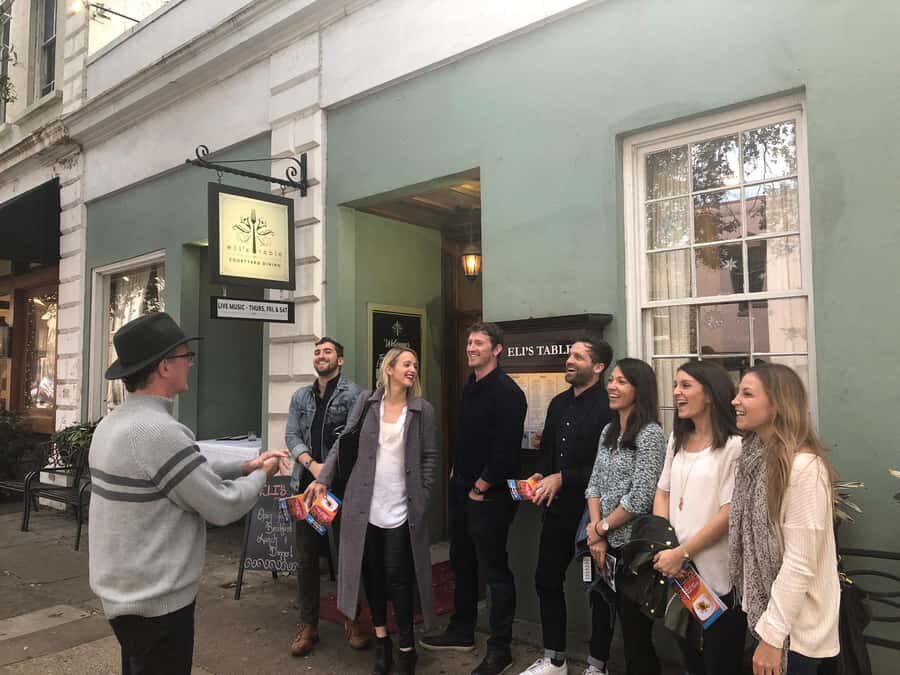
This is a 2.5-hour guided walking tour. It usually runs in the morning and afternoon, so you can pick the time that best fits your day plan. The route is designed so you’re moving regularly, but not at a forced march pace.
Here’s the practical rhythm: you’ll visit at least four eateries, and each one lasts about 20–30 minutes. That time window is long enough to taste, listen, and reset. Most people find the overall food amount is filling—more like an organized meal than a light sample platter.
You’ll also be seated during the restaurant portions, which is a huge quality-of-life detail. In Charleston’s downtown, you can end up doing a lot of pavement if you stack multiple activities. This tour smartly breaks that up. By the time you finish the dessert stop, you’ll likely be happily tired, not cranky and hungry.
Stop-by-stop: how the tasting route builds a full low-country meal
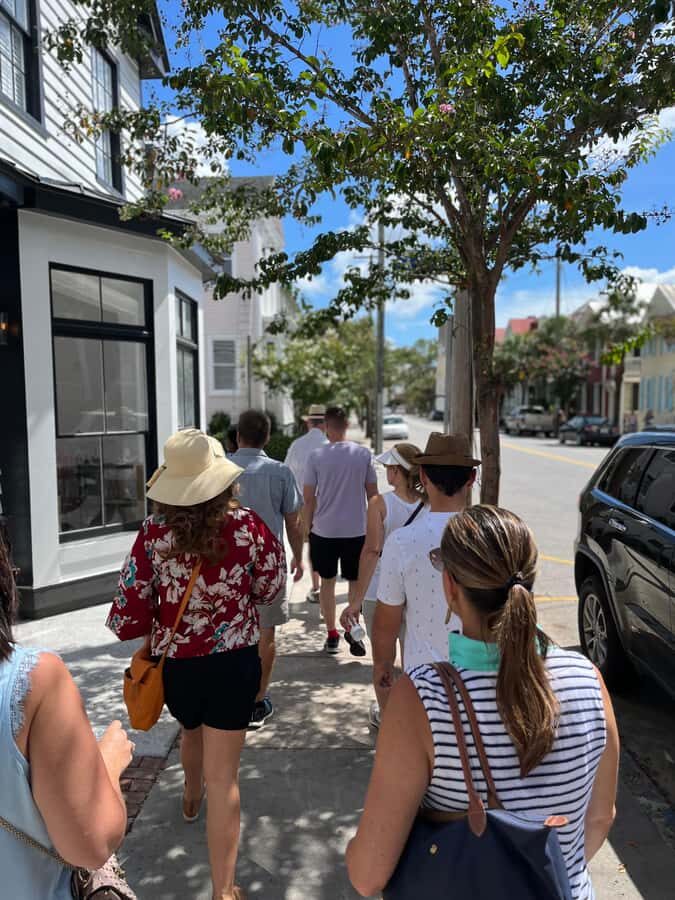
The tour structure is simple, and that’s why it works. You start with one restaurant, then you work your way through a sequence of stops—at least four—each serving low-country favorites in tasting portions. The guide ties each stop back to what makes Charleston food distinct.
Your first tasting: getting oriented fast
The early stop is your “welcome to Charleston” moment. You’ll usually get a sampling that sets the theme for the rest of the walk, and the guide starts laying down the bigger picture—how the city’s past shows up on plates today. I like that the tour doesn’t assume you already know Charleston food. You get direction in plain language and you can ask questions while you’re seated.
A small practical tip: go in with an appetite, but don’t show up starved and then rush through the first stop. You’ll be happier if you pace yourself—tasting is the goal, not sprint-eating.
Middle stops: variety without decision fatigue
After the first meal, the tour keeps the variety moving. Instead of you trying to choose between restaurants and menu items, the guide handles the selection. That’s where the tour feels like value: you get access to multiple well-known places without the work.
Each middle stop is timed so you can taste, listen, and move on. The guide often points out landmarks as you walk between spots, which helps the route feel like a guided city experience rather than a string of transactions.
One consideration: you’ll get full at a steady pace. If you’re the kind of eater who wants to leave room for other desserts later that same day, plan to skip the extra-sweets later. The tour’s dessert finale is not a tiny afterthought.




The final stop: dessert that finishes the story
The tour ends with a dessert stop at the last restaurant. That’s not just for dessert lovers—it’s for balance. After several savory tastings, the sweet ending gives you closure and keeps the final impression memorable.
In fact, a recurring theme from guide-led experiences like this is that people don’t leave hungry. Some guests even mention feeling completely stuffed. If you’re booking a tour and also planning dinner out the same day, I’d treat the tour as part of your main food plan, not a starter course.
The guide’s role: food plus Charleston landmarks and context
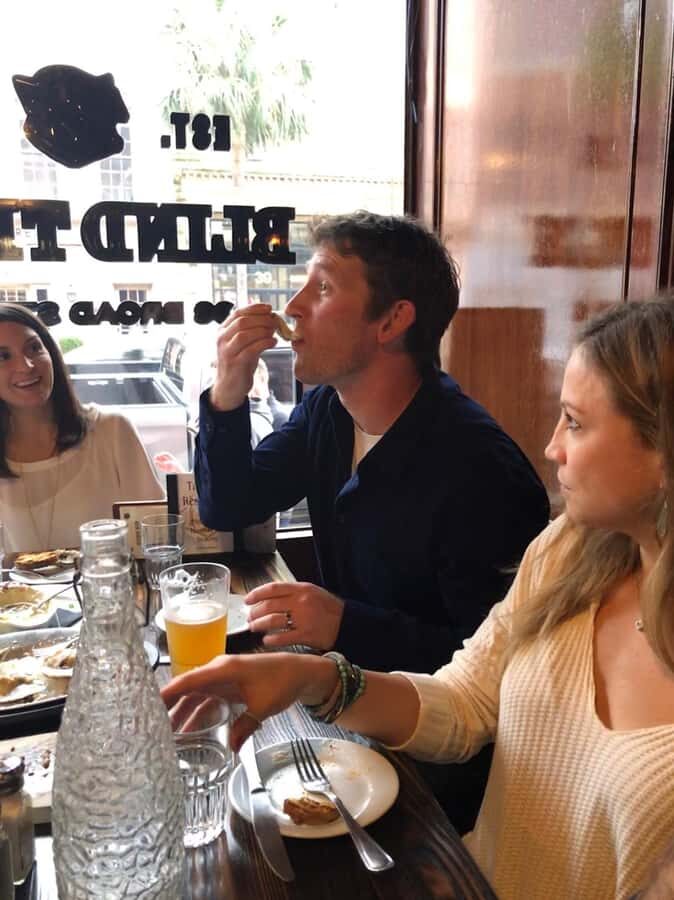
The tour is listed as a culinary walking experience, but the real engine is the guide. The best part isn’t only the tastings. It’s how the guide makes connections while you walk.
Across past groups, guides including Mimi, John, Simon, Dana, and Jessica get praised for combining local history with the restaurant scene. You’ll hear stories about Charleston’s culture and cuisine as you move, and you’ll also notice the city more because the guide helps you see what you’re passing—landmarks along the route and what they mean in Charleston terms.
This is the practical difference between eating in one restaurant and eating with a story. When someone explains what to look for and why certain flavors belong in Charleston, you start tasting with better “instructions.” You also get fewer awkward questions like What should I order? and more helpful guidance like Here’s why this matters.
The tone is also an asset. People consistently describe the guides as friendly, enthusiastic, and able to answer questions. That’s a big deal on a walking tour—questions keep the group engaged and help you make the tour work for your interests.
Price and value: what $99 gets you (and when it’s a bargain)
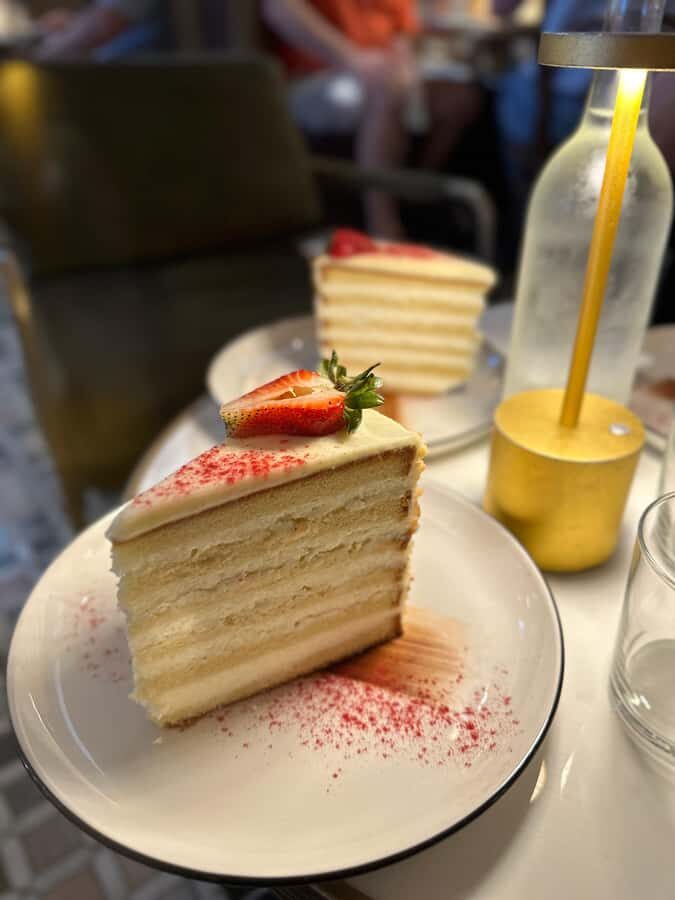
At $99 per person, you’re paying for three things at once:
1) guided restaurant selection
2) multiple tastings across a curated route
3) local storytelling and landmark navigation
In a city like Charleston, where meals can add up quickly, the price starts to look reasonable once you see the structure. You’re visiting at least four eateries over roughly 2.5 hours, with tastings at each stop. Food and beverages are included, and alcoholic drinks are not included (but you can purchase them separately). That “no alcohol included” detail can actually improve value for many people, because it keeps the tour price predictable.
What you’ll likely feel: the amount of food is enough for many people to count it as a meal. Multiple guests describe it as more than just samples—filling, varied, and worth the time and money. If you’ve been in Charleston and eaten one nice entrée already, you might still enjoy this, but you’ll want to plan a lighter meal afterward.
When is it a bargain? If you want restaurant-quality food, but you don’t want the stress of researching multiple places and ordering solo. This tour handles the picking. It’s also good value if you want a guided intro to Charleston’s food story without spending the entire day on transportation or booking multiple experiences.
Logistics that matter: meeting point, timing, and what to bring
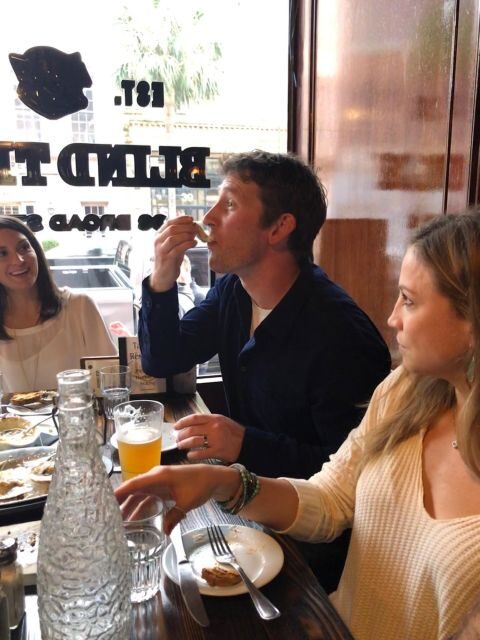
The tour meets at the Charleston Culinary Tours Office, and the directions are straightforward: through the iron gate to the left. That detail is worth paying attention to, because Charleston downtown is full of interesting storefronts and you don’t want to waste time hunting.
You’ll finish within walking distance of where you started, so you’re not forced into another step of getting back to your hotel. This is one of those small design choices that makes tours easier to work into real travel days.
As for what to bring, keep it simple:
- Comfortable walking shoes. You’re in a historic downtown area and you’ll be on foot the whole time.
- A big appetite with self-control. The servings can add up fast, so don’t plan on nibbling lightly and then grabbing a full dinner right after.
- If you care about photos: you’ll be walking through a very photogenic part of downtown, but the tasting rhythm comes first.
Who should book this tour (and who might skip it)
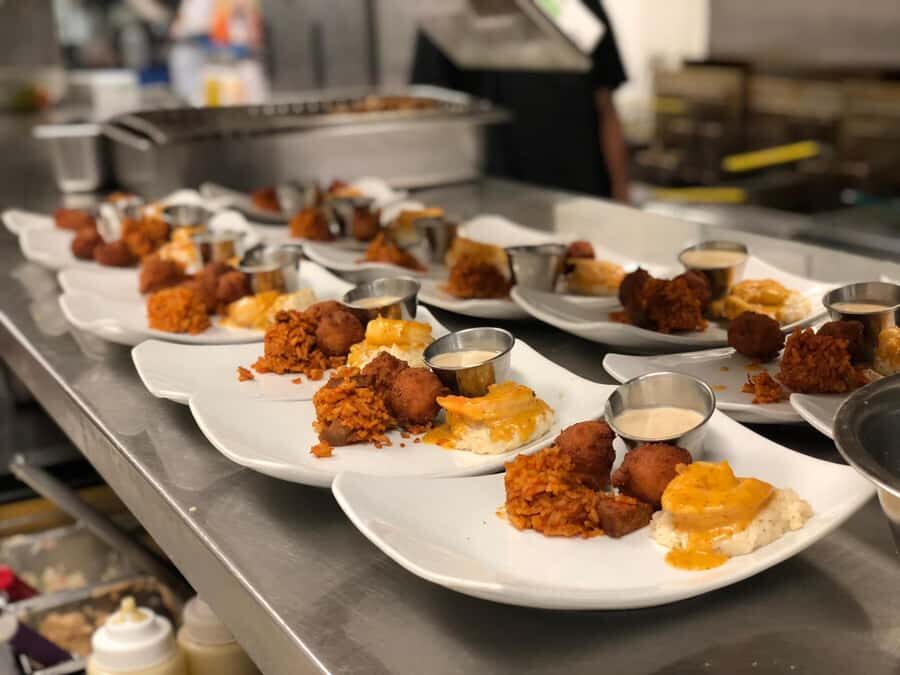
This tour is a great match if you:
- want a guided food experience instead of choosing restaurants on your own
- enjoy history and enjoy learning by walking and eating
- like the idea of multiple stops in a set time window without decision fatigue
- prefer seated moments, not endless standing
You might consider skipping or choosing a lighter plan if you:
- dislike walking in downtown areas
- want very small tastings and don’t want to leave full
- are mainly after alcohol-focused drinking (since alcohol is not included, you’d be paying separately)
It’s also ideal for couples and small groups who want an easy shared activity with built-in structure. Families might enjoy it too, but keep in mind the tour’s overall food amount.
Should You Book the Charleston Downtown Culinary Walking Tour?
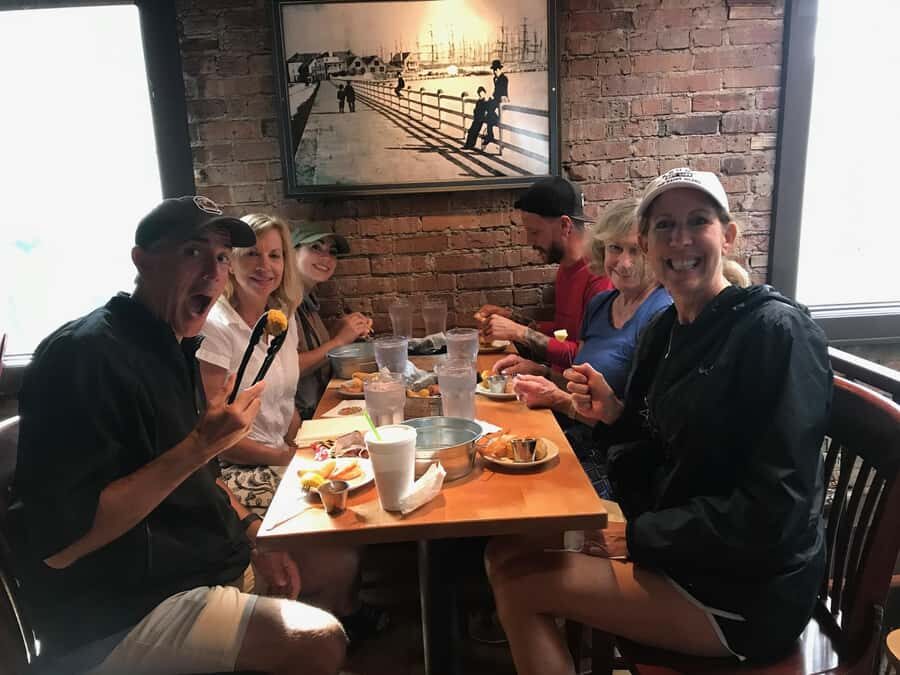
I think this is a smart booking for most first-timers in Charleston—especially if you want the city’s food story told while you walk City Market and the French Quarter. The standout advantage is the combination of at least four well-known restaurants, seated tastings, and a guide who blends food with landmarks and culture. At $99, you’re paying for organization and context, not just bites.
Book it if you want an efficient way to eat well, learn as you go, and finish the tour feeling satisfied. Consider skipping or adjusting your day plan if you prefer tiny portions or you’re the type who schedules a heavy dinner immediately afterward. In Charleston, this tour already does the heavy lifting for your main meal.