REVIEW · CHARLESTON
Frankly Charleston Morning Walking Tour
Book on Viator →Operated by Frankly Charleston Black History Tours · Bookable on Viator
Charleston has a quieter story worth hearing. This small-group morning walking tour focuses on black history and Lowcountry culture, with guided stops at Emanuel AME Church, Second Presbyterian Church, and the Aiken-Rhett House. You’ll hear talk that connects slavery, Gullah culture, and the lives of free Black people in the Charleston and wider Lowcountry region.
What I like most is the way it’s built for real conversation. With a maximum of 15 travelers, you’re not stuck listening from the back row, and you can ask questions as you walk. I also like that each of the main stops has free admission for the tour (so you’re not hit with surprise entry costs mid-route).
One consideration: this is a history-forward walk, and some of the subject matter is heavy. It also depends on good weather, and it’s still a 90-minute to 2-hour city walk—so wear comfortable shoes and plan to stay outside through the day’s temperature.
In This Review
- Key things to know before you go
- A morning walk that zooms in on Charleston’s Black history
- Meeting at 375 Meeting St: timing, route, and what to expect
- Stop 1: Emanuel African Methodist Episcopal Church (why this start matters)
- Stop 2: Second Presbyterian Church and the tour’s slavery-to-present connection
- Stop 3: Aiken-Rhett House—seeing history through people, not just property
- Guides who bring dates, energy, and room for questions
- Price and value: what $49.30 buys you
- Practical tips: shoes, weather, pets, and what’s not included
- Should you book this Charleston morning walking tour?
- FAQ
- How long is the Frankly Charleston Morning Walking Tour?
- Where does the tour start and end?
- What is the price per person?
- Are admissions included for the stops?
- Is alcohol included on the tour?
- Are pets or service animals allowed?
Key things to know before you go
- Small group (max 15) means more time to ask questions and get direct answers.
- Free admission stops at Emanuel AME Church, Second Presbyterian Church, and Aiken-Rhett House.
- A focus on black history often skipped on the usual Charleston sightseeing loop.
- Stories from slavery to the present day, with Gullah culture and free Black life in the mix.
- Mobile ticket for a smoother check-in.
- Practical guide energy, with feedback mentioning Frank/Franklin’s passion and even water provided for the group.
A morning walk that zooms in on Charleston’s Black history
Most Charleston tours hit the headlines: big names, big buildings, big views. This one aims at the side of the city story that’s often treated like an afterthought. The route is short enough to feel personal, but the themes are not small. You’ll be guided through a Black history lens that runs from slavery-era realities into later life—putting Charleston’s development in a wider human context, not just a postcard one.
What makes the approach work is that it’s not just facts read at you. The format is a walking tour with commentary, and the focus is clearly on how people lived—especially free Black people in the Lowcountry—and how culture like the Gullah world helped shape community life. If you’ve ever left a tour feeling like you learned the dates but not the people, this one is designed to fix that.
You should also know the tour’s tone is educational. Based on the feedback, the guides (Frank/Franklin is specifically praised, and William is also mentioned) bring a lot of historical detail and follow-ups, not just broad summaries. That matters because Black history in Charleston is not one storyline—it’s many connected stories, and the best way to understand them is in sequence, site to site, with a guide who can answer questions on the spot.
Other walking tours we've reviewed in Charleston


Meeting at 375 Meeting St: timing, route, and what to expect
You’ll start at 375 Meeting St, Charleston, SC 29403, with the tour beginning at 10:00 am. The tour runs about 1 hour 30 minutes to 2 hours, and it ends back at the starting point—so you’re not dealing with complicated transfers or a long walk after the last stop.
This timing is smart if you like your days to stay flexible. A late morning itinerary still gives you time afterward for lunch, a museum, or a different neighborhood without feeling rushed. It’s also a good fit for travelers who want to learn without losing the whole morning to a tour bus.
Group size is capped at 15 travelers, which is one of the biggest practical perks. In a smaller group, you’ll often get closer to the guide’s explanations—plus it’s simply easier to hear questions when the group isn’t huge. The tour is also listed as near public transportation, so if you’re not driving, getting there is usually manageable.
Bring sensible basics: comfortable walking shoes and water. One piece of feedback highlights that Frank brought enough water bottles for the group, which is exactly what you want on a city walk.
Stop 1: Emanuel African Methodist Episcopal Church (why this start matters)
The tour begins at Emanuel African Methodist Episcopal Church, an important African American church in Charleston. The admission ticket for this stop is free as part of the tour, so you can focus on listening rather than budgeting for an entrance fee.
Why this first stop sets the tone: starting at a historic Black church signals that the tour is aiming for lived community history, not just architectural sightseeing. From here, the guide’s stories tie into larger themes the tour keeps returning to—slavery, cultural life in the Lowcountry, and the reality of free Black people.
Also, churches are where you tend to notice how history stays present. Even if you’re not religious, you can learn a lot from the way a place holds memory—what communities built, how they organized, and why faith spaces mattered in everyday survival and growth. On this tour, that meaning is reinforced by the guide’s commentary, not left for you to guess.
A practical tip: go in ready to listen. Don’t rush past details. If you’re the type who normally takes photos first and reads later, flip that order here. Let the guide’s explanation land first, then take photos with context.
Stop 2: Second Presbyterian Church and the tour’s slavery-to-present connection
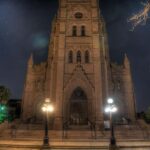
Next up is Second Presbyterian Church, also a historic Charleston church with free admission for the tour. This is where the tour helps you understand that the city’s history isn’t separated into neat categories. The tour keeps connecting Black history to the broader structures of Charleston—politics, community life, and long-lasting consequences.
The value of this stop is how the guide frames the story. You’re not just standing in front of another landmark; you’re hearing how slavery, Gullah culture, and the lives of free Black people are part of Charleston’s long arc. The tour’s small-group size helps here, because you can ask questions if something is unclear or if you want a specific explanation tied to what you’re seeing.
Drawback to consider: if you’re expecting only celebratory culture stories, this stop (like others on the route) includes heavy subject matter. The tour is educational and honest about slavery-era life and its aftermath, and you should be mentally ready for that.
Stop 3: Aiken-Rhett House—seeing history through people, not just property
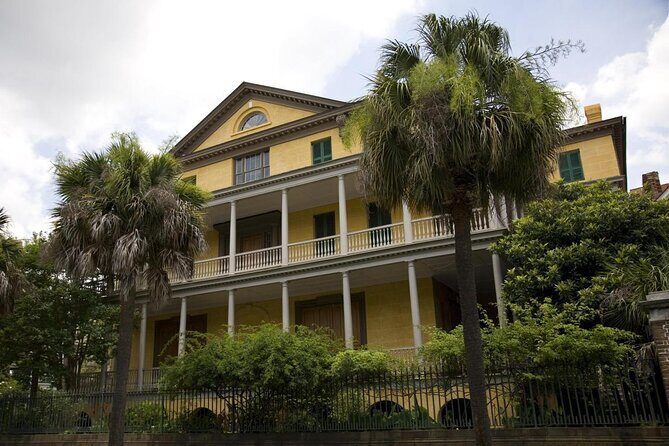
The final major stop is the Aiken-Rhett House, another historic house in Charleston with free admission for the tour. Historic homes can sometimes become wallpaper—pretty facades with vague commentary. This tour takes a different tack by using the place as a lens for what’s bigger than a building.
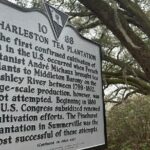
Here’s what you’ll get out of the stop: the guide ties the conversation back to the people whose lives shaped Charleston, including free Black communities and the cultural world of the Lowcountry. If you like your travel history grounded in human realities—how people lived, how systems worked, and how culture carried forward—this final stop helps you connect the dots.
A smart way to approach this house is to slow down. Look at it as a point in time that forced real lives into real patterns. Then listen for how your guide connects those patterns to the tour’s core themes.
If you're still narrowing it down, here are other tours in Charleston we've reviewed



Guides who bring dates, energy, and room for questions
One reason this tour stands out in feedback is the guide style. Frank/Franklin is repeatedly praised for being passionate and for knowing dates and key events, with explanations that help you keep the timeline straight. Another guide name, William, is also mentioned with the same kind of professional, engaged delivery.
If you’ve been on tours where you can’t get answers to your questions, you’ll appreciate the structure here. The tour is small, and the walking format makes it easier to interrupt politely. You can ask for clarification while it’s still relevant—right when you’re standing at the exact site that sparked the question.
Also, the guide energy isn’t just talk. One note in the feedback calls out water bottles being provided, which might sound like a small detail—but on a city morning walk it matters. Comfort keeps your brain in learning mode.
Finally, the tour is described as giving an awareness of African American contributions through the lens of Charleston. That’s not just wording. It changes how the city makes sense. After the walk, you’re likely to notice different things when you see Charleston again—because you’ve been given a new filter for reading the streets.
Price and value: what $49.30 buys you
At $49.30 per person, this isn’t an ultra-cheap ticket. But you do get several value boosters that make the price feel more reasonable than it sounds at first glance:
- Small group size (maximum 15) means the guide attention is spread more evenly.
- Free admission at the main stops helps keep the total cost predictable.
- You get 1.5 to 2 hours of focused, commentary-led education centered on a specific theme.
- The tour covers themes beyond the usual quick-tour highlights: slavery-era history, Gullah culture, and the lives of free Black people.
There’s also the booking behavior to think about. The tour is typically booked about 30 days in advance. If you have fixed travel dates, it’s smart to plan ahead rather than assuming you can wait.
For me, the key value point is this: the tour isn’t generic Charleston history. It’s Charleston history with a specific and often overlooked focus. If that’s the kind of learning you want, $49.30 starts to look like a fair trade for a structured, guided experience that’s meant to be memorable and useful.
Practical tips: shoes, weather, pets, and what’s not included
This tour requires good weather. If conditions are poor, it may be canceled and you’ll be offered a different date or a full refund. So if Charleston’s forecast looks shaky, keep an eye on the weather the day before.
Because it’s a walking tour, wear comfortable shoes and dress for the morning. It’s not listed as a long marathon, but it is still outside for up to two hours.
A few practical notes that matter:
- Mobile ticket is used for the experience.
- Near public transportation helps if you’re not driving.
- Most travelers can participate, so it’s generally set up for a broad audience.
- Service animals are allowed.
- Pets are included, but you must clean up after them.
- No alcoholic beverages are included.
If you’re the type who likes to travel light, this is manageable. Just remember that learning tours are mentally tiring too. Bring water (even if the guide provides some, you’ll feel better with your own plan) and take a breath when you need it.
Should you book this Charleston morning walking tour?
I think you should book it if you want Charleston history that’s more honest and more focused on the people who shaped the city—especially the stories that don’t always make it into the standard sightseeing mix. The small group size, the free admission stops, and the slavery-to-present-day framing all point to a tour that’s meant to teach, not just entertain.
You might skip it if you know you’re sensitive to heavy historical topics or if you need an itinerary that stays lighter and strictly view-focused. Also, if you dislike walking in the open air, weather-dependent timing can be a deal-breaker.
If you’re aiming for one strong, guided learning experience early in the day, this one fits the bill. It’s short enough to keep your schedule flexible, but deep enough to change how you see Charleston when you leave.
FAQ
How long is the Frankly Charleston Morning Walking Tour?
It runs about 1 hour 30 minutes to 2 hours.
Where does the tour start and end?
The tour starts at 375 Meeting St, Charleston, SC 29403, USA and ends back at the same meeting point.
What is the price per person?
The price is $49.30 per person.
Are admissions included for the stops?
Yes. Emanuel AME Church, Second Presbyterian Church, and Aiken-Rhett House are listed with admission ticket free.
Is alcohol included on the tour?
No. No alcoholic beverages are included.
Are pets or service animals allowed?
Service animals are allowed. Pets are included, but you must clean up after them.