REVIEW · CHARLESTON
Historic Charleston: The Battery, Rainbow Row, St. Michael Church
Book on Viator →Operated by Charleston by Foot · Bookable on Viator
Churches, laws, and pastel homes in two hours. This Historic Charleston walk stitches together iconic churches and harbor views, with a licensed guide who keeps the stories clear and useful. I love that the sights are compact and walkable, and that the guide connects architecture to real people and events. The one catch: entrances to active churches and Dock Street Theater can depend on what’s going on that day.
You’ll start at Washington Square on Broad Street (10:00 am) and circle back there at the end of your roughly 2-hour route. The small group size (up to 20 people) helps the guide answer questions, and I especially like when a guide such as Eric or Erik uses big-picture context without losing the details.
Bring good walking shoes, since this is mostly on sidewalks and you’ll cover a lot of ground. If you want more than photos, this tour is a smart way to learn how Charleston’s streets, rules, and landmarks fit together.
In This Review
- Key highlights to know before you go
- A 2-Hour Route That Starts at Washington Square
- St. Philip’s Church: 1836 Steeple and the Organ
- St. Michael’s Church and Tiffany Stained Glass
- Four Corners of Law: When Local Meets Federal Meets Church
- Rainbow Row Photos Plus Dock Street Theater’s Stage History
- Washington Square Under Live Oaks
- The Battery Promenade: Artillery, Mansions, and Harbor Vistas
- Old Slave Mart Museum: A Serious Stop That Adds Meaning
- Price, Pace, and What to Bring
- Who This Tour Fits Best
- Should You Book This Historic Charleston Walking Tour?
- FAQ
- How long is the walking tour?
- Where does the tour start and end?
- What time does the tour begin?
- Is the tour guided, and is there live commentary?
- Is this tour in English?
- Are entrances to churches and historic sites included?
- Is Dock Street Theater entry included?
- Is there a limit on group size?
- What is the cancellation policy?
- Are service animals allowed?
Key highlights to know before you go
- St. Philip’s steeple: a landmark completed in 1836, plus you’ll hear what makes its interior and organ special
- St. Michael’s Tiffany windows: breathtaking stained glass in an older, still-active church
- Four Corners of Law: a rare intersection where local, state, federal, and church law overlap
- Rainbow Row views: classic pastel façades that look great at street level, not just from afar
- Dock Street Theater: America’s first purpose-built theater building, with entry included
- The Battery and Old Slave Mart Museum: scenic harbor walking paired with a serious, meaningful museum stop
A 2-Hour Route That Starts at Washington Square
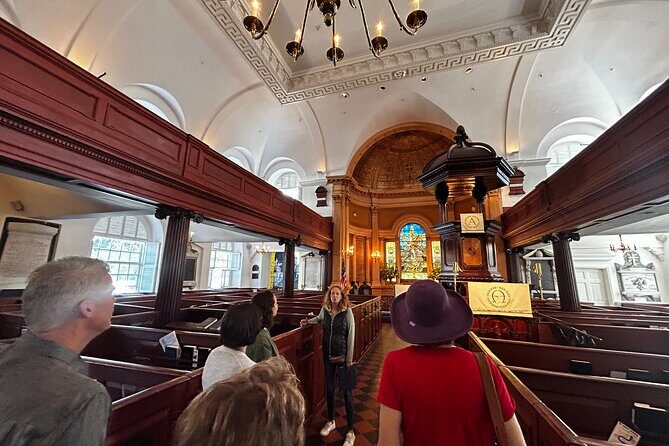
This is a morning-style walking tour designed to keep you moving without rushing. Your starting point is Washington Square (80 Broad St), and you’ll end back there, which makes it easier to plan the rest of your day afterward.
The route is built around seven quick stops (plus the museum), so you see a lot of variety in a short time: church interiors and stained glass, a quirky legal landmark, famous neighborhood streetscapes, a theater you can only truly understand when you stand in front of it, and finally that classic Charleston harbor promenade.
One practical point: you’re dealing with working buildings. The tour includes free entry for the historic sites, but access can be limited because these are active congregations. That doesn’t make the tour less worth it—it just means you should expect a little flexibility.
Other historical tours in Charleston


St. Philip’s Church: 1836 Steeple and the Organ
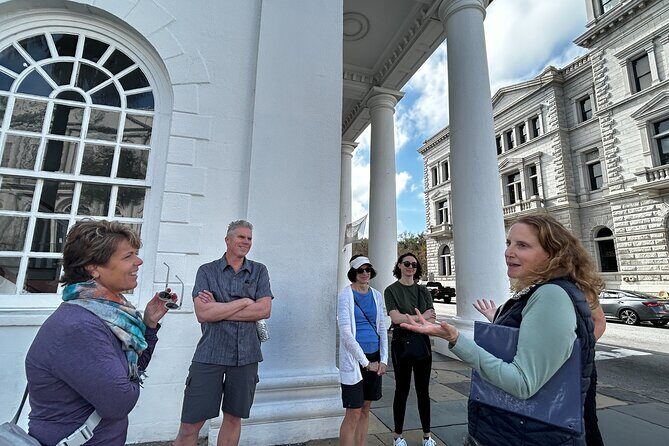
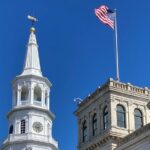
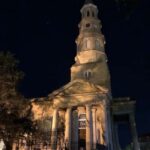
St. Philip’s Church is one of the most recognizable Charleston landmarks—completed in 1836, with a steeple you can spot from far away. Even before you get inside, you get a sense of why this building matters. It’s one of those places where the silhouette feels like it belongs to the city.
Inside, the focus shifts from the outside shape to the human touch: you’ll have a chance to see the grand interior and the church’s treasured organ. And you’ll spend a few minutes looking at the church’s graveyard context, where notable figures are interred. If you enjoy learning how physical spaces reflect social life, this stop does a good job of making the building feel personal instead of just historic.
What to consider: because it’s a working church, access is not something the tour can guarantee every minute. If you show up ready to look and listen fast, you’ll get plenty out of a short visit.
St. Michael’s Church and Tiffany Stained Glass
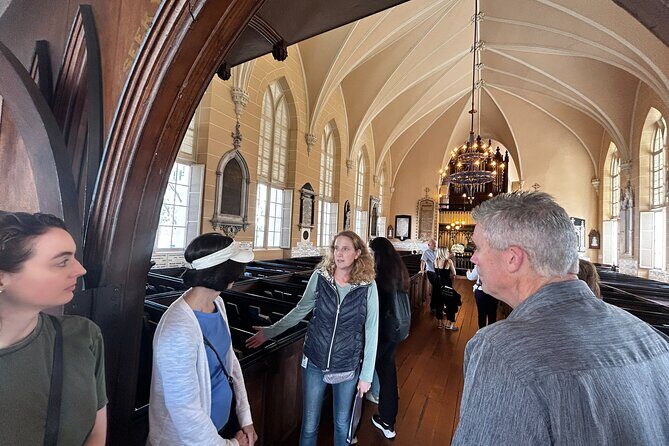
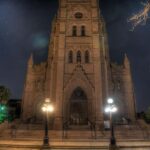
Next is St. Michael’s Church, widely known for its towering spire and its Tiffany stained-glass windows. This 1752 structure is the oldest surviving religious building in Charleston, and the tour gives you enough background to understand why people keep returning to it—not just for the visuals, but for what the building represents.
One of the more memorable parts is the way the guide connects the church to big names you’ve heard in American history, including George Washington and Robert E. Lee. You don’t need a textbook to make that connection when you’re standing where those stories belong.
Also, because this is a still-active place of worship, you’ll likely spend your time watching what’s appropriate: the congregation comes first. If doors are open, you’ll get that interior payoff. If not, you’ll still have the chance to appreciate the landmark from the outside and hear the significance in context.
My advice: bring a quick photo plan. With only a short window, decide in advance if you want wider shots or details of the spire and windows.
Four Corners of Law: When Local Meets Federal Meets Church
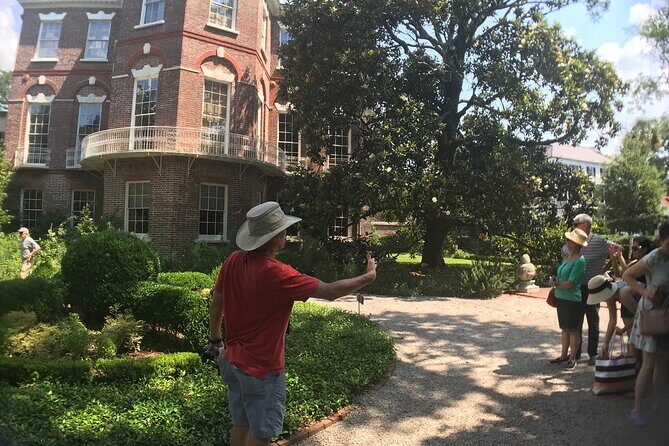
After the churches, you get a totally different kind of Charleston landmark: the Four Corners of Law. It’s the intersection where local, state, federal, and church laws meet—an odd-but-fascinating reminder that history here wasn’t only about politics or religion in the abstract. It showed up in real rules that shaped daily life.
What I like about this stop is how it changes your angle. You go from beautiful architecture to the way institutions actually work. It’s the kind of place that makes you look at street corners differently afterward, like the city has a legal personality.
The stop is brief—just long enough to get oriented and understand why it’s unusual—so you won’t lose your place in the rest of the route.
Rainbow Row Photos Plus Dock Street Theater’s Stage History
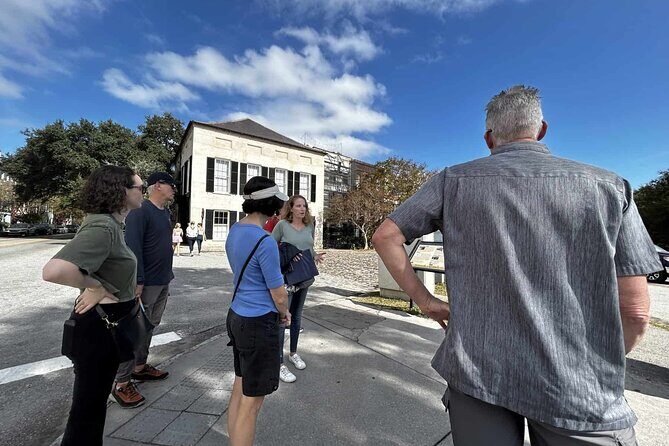
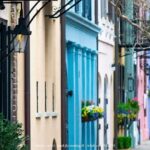
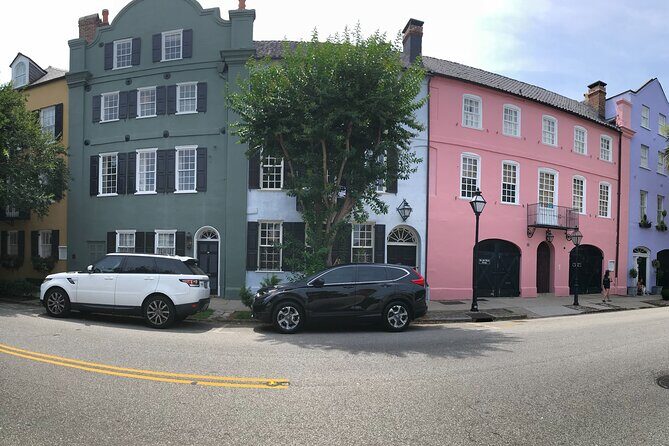
Rainbow Row is the part most people think they already know. That’s the trap. Seen up close, the pastel houses feel more lived-in and more specific than their postcard reputation. You’ll get a short walk-and-look moment where the buildings line up for great street-level photos.
Here’s what makes this stop more than scenery: the guide helps you connect what you’re seeing to how Charleston developed, and why these homes became part of the city’s identity. You’re not just taking pictures; you’re learning what makes these streetscape features important.
Then the tour moves to Dock Street Theater, and this is where the experience gets fun. The stop includes entry, and you’ll get to visit America’s first building designed specifically for theatrical performances. That’s the kind of fact that means more when you’re in the room and can picture how performance culture would have shaped the neighborhood.
What to consider: entry is still subject to availability. If you can get inside, you’ll feel the difference right away. If access is limited, you’ll still get the context from the guide outside.



Washington Square Under Live Oaks
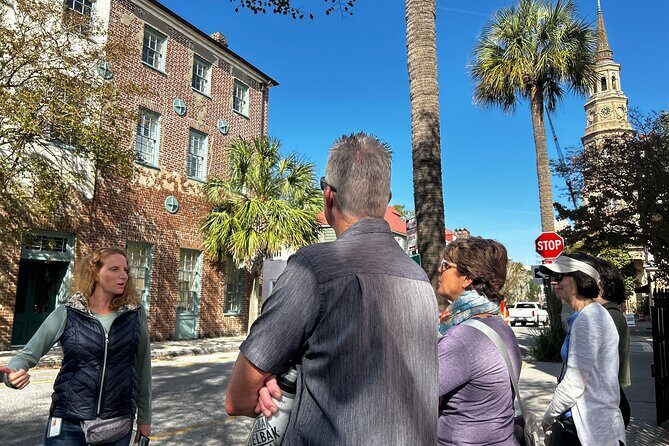
Washington Square is a calmer, greener interlude. Expect a quick feel for the space: live oaks, statues, and plaques that help you read Charleston as a place where public art and memory matter.
This is also a good moment to reset. After churches, law, and famous streets, the park-like setting gives you a break from the constant visual stimulation. You can slow down, look at the trees, and let the stories you’ve heard connect.
One tip: take a minute to scan the plaques rather than just walking past them. Even with a short stop, a few minutes of reading can tie your whole route together.
The Battery Promenade: Artillery, Mansions, and Harbor Vistas
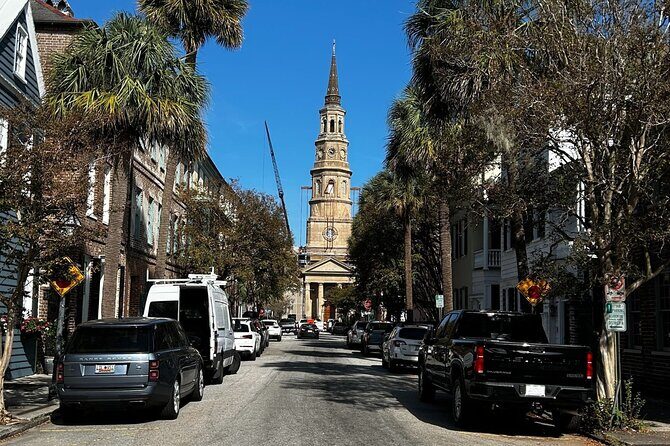
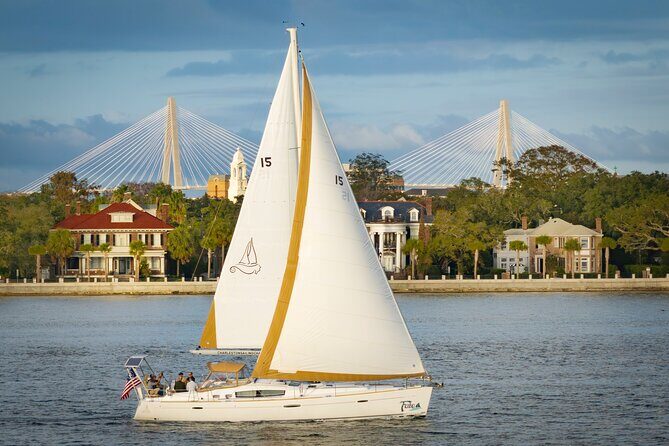
The Battery is Charleston’s classic harbor walk, and you’ll get real payoff here. The promenade is lined with historic artillery and stately mansions, and the views stretch out over the water in a way that makes you understand why this area has always been a front porch to the world.
Photo opportunities come fast, because the promenade gives you both: tight historic details and long harbor lines. The guide’s commentary helps you interpret what you’re seeing rather than treating it like a scenery loop.
Even if you’re not a history superfan, this stop works because the setting is so tangible. You can feel the city’s relationship to the harbor—how it would have supported trade, defense, and community life.
My practical suggestion: if the weather is bright, take some photos early, then walk without checking your phone for a few minutes. That way you actually absorb the view instead of just collecting images.
Old Slave Mart Museum: A Serious Stop That Adds Meaning
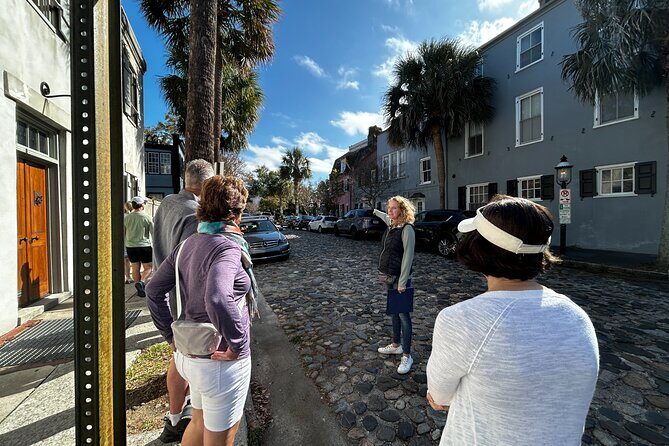
Near the end of the route, the tour includes the Old Slave Mart Museum. This is a reminder that Charleston’s story includes deep harm, and the museum is there so you don’t leave with only the pretty parts of town.
You’ll get insight into the lives of enslaved people and their resilience, and how this chapter shaped Charleston and the larger American narrative. It’s not a stop designed for quick sightseeing. It’s the kind of visit that makes the earlier architectural and legal context feel more urgent, because you’re seeing the human impact behind the structures and systems.
What to consider: expect a heavier mood here. If you tend to avoid emotionally tough museums, plan extra time after the tour to decompress.
Price, Pace, and What to Bring
This tour is built around value in a straightforward way. You get a professional, licensed guide providing live commentary over about two hours, plus free access to one to three historic sites when openings allow. Dock Street Theater’s entrance is included (again, subject to availability), which can save you from scrambling for tickets or time on your own.
The pace is meant to be leisurely enough that you can stop for photos and listen without feeling like you’re jogging. You’ll spend just a few minutes at most places, so the guide’s job is to pack the right context into that short time. That’s exactly why a guided route matters here; you don’t want to spend your limited time guessing what you’re looking at.
What to bring:
- Good walking shoes (seriously)
- Water, especially in warm months
- A rain layer. One reason people like this tour is that it still works even when the weather shifts.
If you have limited mobility, it may still be doable for many people, but it’s still a walking tour with multiple stops close together.
Who This Tour Fits Best
This tour is a strong choice if you want a compact hit of Charleston landmarks with a guide who explains what you’re seeing in plain language. It works well for:
- First-time visitors who want orientation fast
- People who enjoy architecture but also want the human context
- Anyone who prefers a small group rather than a crowded bus-style outing
It’s less ideal if you only want leisurely neighborhood wandering with no museum or if you strongly dislike sites that deal with slavery and its legacy. In that case, you might still enjoy portions of the route, but you’ll need to be emotionally ready for the Old Slave Mart Museum stop.
Should You Book This Historic Charleston Walking Tour?
Yes, if you want a well-paced morning walk that connects Charleston’s churches, iconic streets, and harbor views to real stories, not just sightseeing. The combination of fast stop planning, live guidance, and a meaningful museum makes it feel efficient without turning shallow.
Book it especially if you like asking questions and want a guide who can answer without rushing you. If you’re sensitive to the fact that church entrances can be limited on working days, just accept that possibility and focus on what you can access.
In short: this is a smart choice when you want Charleston in two hours with just enough structure to make the city click.
FAQ
How long is the walking tour?
It runs for about 2 hours.
Where does the tour start and end?
It starts at Washington Square, 80 Broad St, Charleston, SC 29401, USA, and ends back at the same meeting point.
What time does the tour begin?
The start time is 10:00 am.
Is the tour guided, and is there live commentary?
Yes. You’ll have a professional, licensed tour guide with live commentary during the walking tour.
Is this tour in English?
The tour is offered in English.
Are entrances to churches and historic sites included?
Entrance into historic sites (St. Philip’s Church, St. Michael’s Church, and possibly others listed as historic sites) is free, but entrances are subject to availability because they are working churches.
Is Dock Street Theater entry included?
Yes, entrance to Dock Street Theater is included, and it is also subject to availability.
Is there a limit on group size?
Yes. The tour has a maximum of 20 travelers.
What is the cancellation policy?
You can cancel for a full refund up to 24 hours in advance. If you cancel less than 24 hours before the start time, the amount paid is not refunded.
Are service animals allowed?
Yes, service animals are allowed.