REVIEW · CHARLESTON
Take a History Tour with an actual Historian – Cooper!
Book on GetYourGuide →Operated by CHUCKTOWN WALKING TOURS LLC · Bookable on GetYourGuide
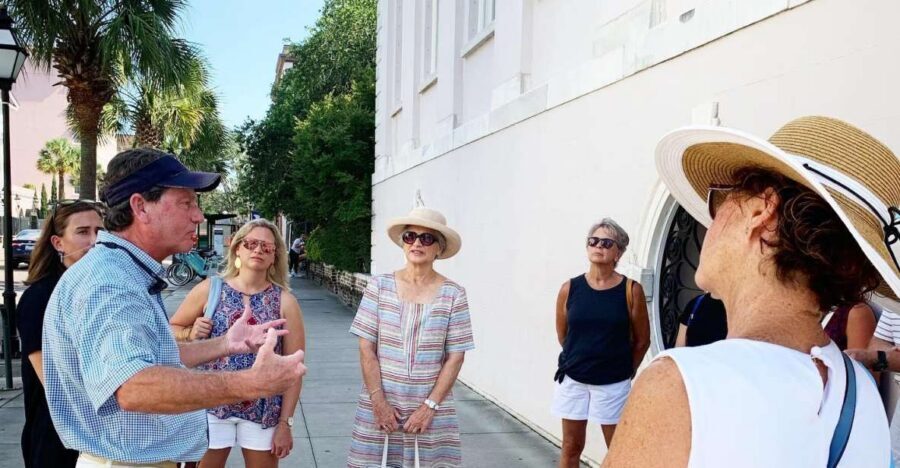
Charleston history gets real fast. That’s because Cooper starts with a PhD historian mindset and a conversation-driven walk, not a lecture. You’ll love that the tour begins by talking through what you care about most, so the sights along the way actually stick.
I also like how specific the stops are. You’re not just pointed at pretty buildings. You’ll connect the 1680 seawall, White Point Gardens, Meeting Street, and the historic street grid to the bigger story of how Charleston became Charleston.
One thing to plan for: this is a true 150-minute outdoor experience, and it runs rain or shine, with no waiting for latecomers.
In This Review
- Key Highlights You’ll Actually Remember
- A PhD-Led Walk That Turns Streets Into Evidence
- Meeting Cooper at Waterfront Park, Then Getting Your Bearings
- Harbor View Talk: How Charleston Became a Port City
- The Original Seawall Built in 1680
- White Point Gardens: Defense and Daily Life Together
- Meeting Street and Colonial Homes: Social Rules Written in Wood and Stone
- Churches, Courtyards, and the Walled City Idea
- Pineapple Fountain: The Real Story Behind the Myth
- Offbeat Connections: Washington Steps and Steven Colbert Roots
- Slavery, With Context and Care (Not Sensational Noise)
- Duration, Pace, and Weather: The Part Most People Forget
- Price and Value: Why $45 Can Be a Smart Spend
- Who Should Book This Tour
- Should You Book Cooper’s Charleston History Tour?
- FAQ
- How long is the Charleston history tour?
- How much does it cost?
- Where do I meet the tour?
- Does the tour run in bad weather?
- Is this tour suitable for children or for mobility needs?
- What language is the tour in?
- Can I pay later or cancel if plans change?
Key Highlights You’ll Actually Remember
- Conversation first: you set the direction, Cooper builds the route around your curiosity
- The original seawall (1680): you see how early Charleston defended itself, step by step
- White Point Gardens: defense and daily life, tied to the waterfront
- The Pineapple Fountain story: the real explanation, not the usual guesswork
- Big names, local places: George Washington steps and a Steven Colbert childhood connection
- Slavery addressed with context: urban vs. rural slavery and Charleston’s social rules
A PhD-Led Walk That Turns Streets Into Evidence
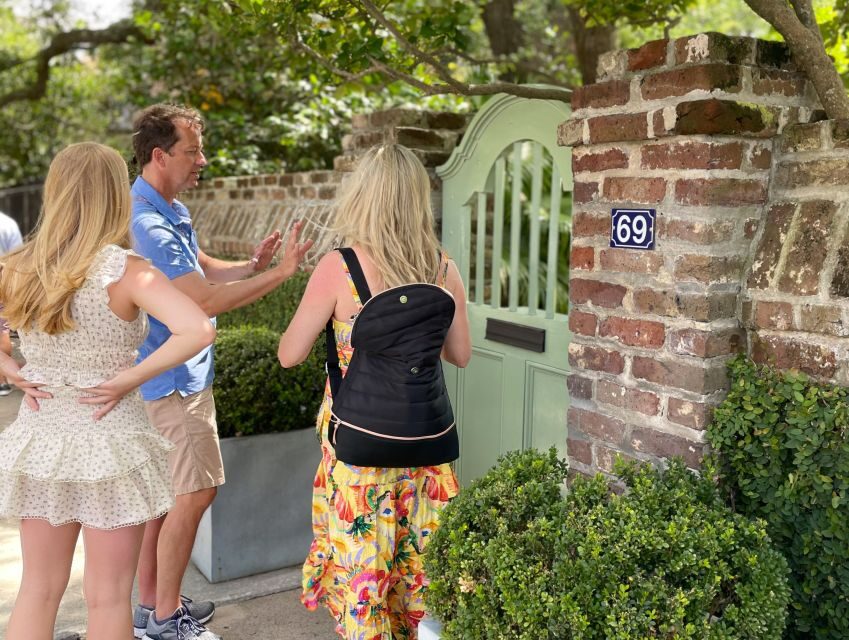
This tour feels different from the standard walking loop because the guide is a real historian, not just a storyteller. Cooper’s training matters. You can tell he’s sorting facts, putting them in order, and explaining why the details matter.
The first big win is the way it starts. You don’t begin with walking. You begin with dialogue. Cooper asks what you find interesting, and then he shapes the route to match. That means you’re not forced to care about everything. You get to care about the parts that connect to you.
The second win is clarity. Charleston’s story can get tangled fast if you only use brochures. Here, you get a clean timeline: early English rule, the Carolina settlement, and the founding of Charles Towne under King Charles II. Then you get the “so what.” You learn how the city’s coast and harbor advantages made it a major colonial port—and why that legacy still shows up in what you see today.
Other historical tours in Charleston



Meeting Cooper at Waterfront Park, Then Getting Your Bearings
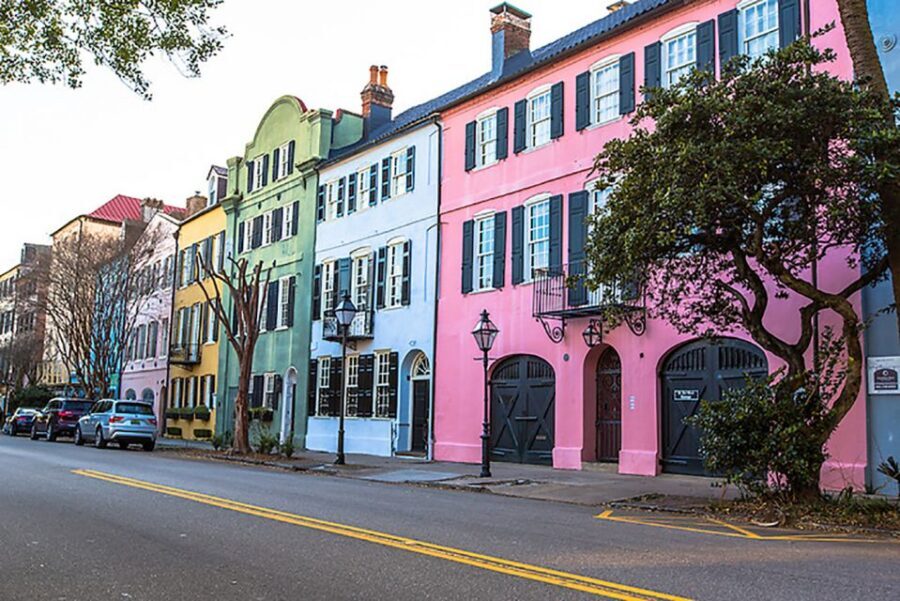
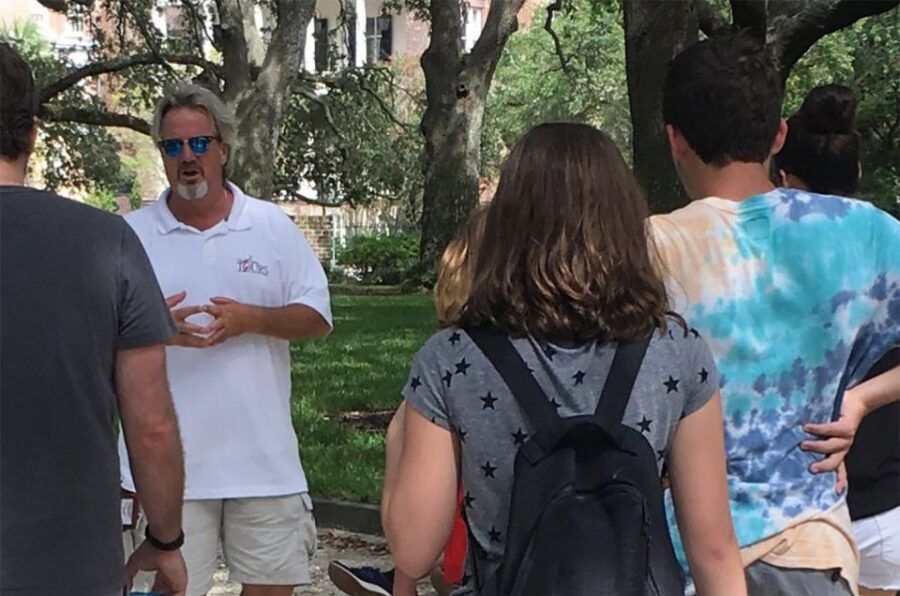
Meet directly across from the Harbor View Inn at Waterfront Park. Look for the street sign for Concord & Vendue Range, and find the person with a Chucktown Tours logo.
This location is smart for two reasons. First, it puts you right where Charleston’s harbor story begins. Second, it’s an easy visual anchor. Instead of guessing which way the city “goes,” you’re standing at the point where geography becomes history.
Practical tip: street parking in Charleston is limited to 2 hours (except Sundays and holidays when street parking is free). If you plan to drive, give yourself extra time to park and then walk in.
Harbor View Talk: How Charleston Became a Port City

The tour starts by exploring the harbor view in front of you. That might sound basic, but it’s a powerful move. Cooper uses the horizon line, the water, and the idea of shipping to make early Charleston feel logical.
You’ll learn how natural advantages shaped growth into a major colonial port. And you’ll connect that to the way trade drove ambition and survival. In other words, this isn’t just “what happened.” It’s “why it happened here.”
It also sets the tone for the rest of the tour. Once you understand the harbor economy, you can look at the waterfront stones and streets and feel the layout’s purpose. You start to notice patterns that most people miss.
The Original Seawall Built in 1680
Then you step onto Charleston’s original seawall, built in 1680. This is one of those moments where you can actually feel the age of a place—not as a vague idea, but as real construction history.
Cooper points out details people often walk past. Expect architectural traces, fortification clues, and the layers left by centuries of change. That’s the big value of focusing here. Seawalls are boring to most visitors, until someone explains why they were needed and what they protected.
You also get a stronger sense of time because the walk keeps moving. You’re not standing still trying to memorize dates. You’re seeing how a physical structure connects to the city’s safety, its trading life, and the pressure of staying relevant over generations.
White Point Gardens: Defense and Daily Life Together
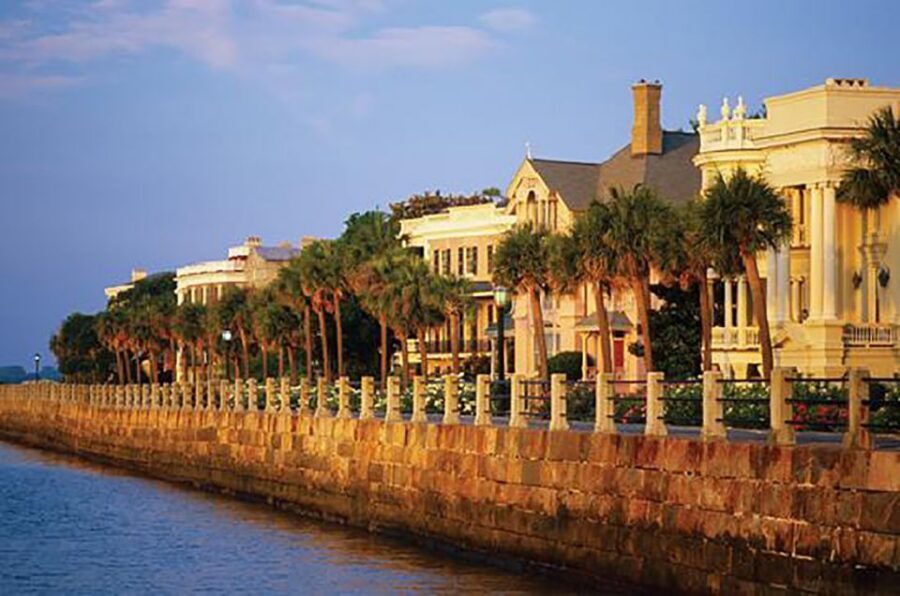
From the seawall area, the tour moves into the historic district and stops at White Point Gardens. This is where the story tightens up.
Cooper discusses White Point Gardens’ pivotal role in Charleston’s defense and daily life. The garden isn’t just a pretty pause. It’s part of how the city functioned—where protection, movement, and routine met along the waterfront.
What I like about this stop is that it teaches you how to read a place. You’ll start noticing how a park, a lawn, or a wall can carry multiple meanings depending on the era. Most tours treat these spots as scenery. This one treats them as infrastructure for living.



Meeting Street and Colonial Homes: Social Rules Written in Wood and Stone
Next comes Meeting Street, where you’ll admire elegant colonial homes while learning what shaped their social and architectural forces.
This part helps you understand that buildings don’t exist in a vacuum. In Charleston, homes reflect status, wealth, trade connections, and community structure. Cooper connects the look of the neighborhood to the human systems behind it.
As you move up the street and through nearby areas, you’ll also pick up architectural clues. Things like street patterns, materials, and placement start to become readable. The tour keeps training your eye without turning it into a test.
Churches, Courtyards, and the Walled City Idea
As the walk continues through streets dating back to the early 1700s, you’ll see more than one kind of “hidden” Charleston.
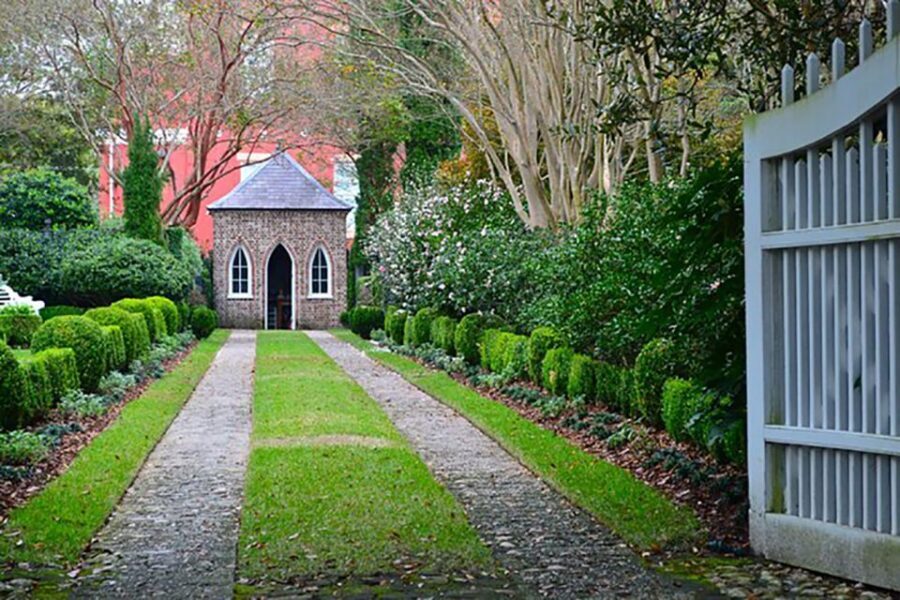
Expect historic churches and hidden courtyards. You’ll also hear about the location of Charleston’s original walled city. That matters because it changes how you interpret what’s around you. Streets don’t just run where they do because someone had free time. They follow defense needs, movement patterns, and community planning.
A good walking tour leaves you with new mental maps. This one does. By the time you reach the later points in the route, you’re no longer thinking in a straight line. You’re thinking in neighborhoods and layers.
Pineapple Fountain: The Real Story Behind the Myth
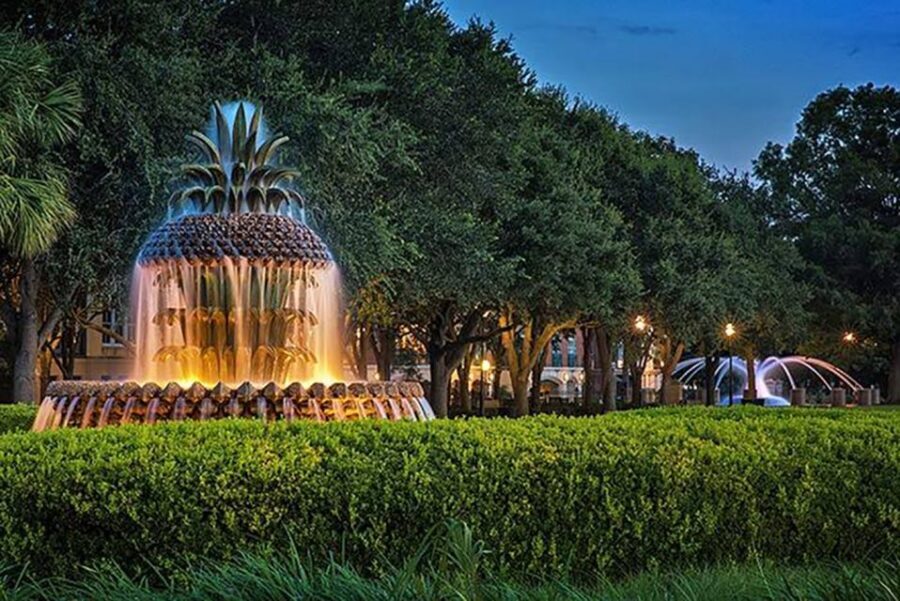
One of the highlight moments is the real story behind the Pineapple Fountain. You’ll hear what it’s about and why it ended up where it did, along with the symbolism people connect to it.
This is the kind of stop I love because it tackles a common problem in sightseeing: confusion. If you’ve ever seen a famous landmark with a half-true explanation, you know how that feels. Cooper handles this in a way that makes the fountain fit into the city’s broader story instead of standing alone as trivia.
Offbeat Connections: Washington Steps and Steven Colbert Roots
A few of the stops include recognizable name connections. You might stand on steps associated with George Washington and see a Steven Colbert childhood connection.
Even if you only know those names from pop culture or school, the history angle lands because Cooper ties each place back to Charleston’s real development. It’s not name-dropping. It’s using familiar references to get you to notice the local context.
This approach is especially good if you’re walking with teens or people who think history tours are all dates. It keeps the pace fun while still delivering substance.
Slavery, With Context and Care (Not Sensational Noise)
The tour addresses slavery honestly, with context and sensitivity. Cooper doesn’t treat this as a shock-value topic. He explains it in a way that clarifies how Charleston’s systems worked.
You’ll hear distinctions between rural slavery and urban slavery, plus Charleston’s unique laws and the complex social dynamics of free people of color who owned enslaved people.
This matters because Charleston’s history is not one single story. It’s a set of overlapping systems: law, economy, class, and community power. When the tour gives you that framework, the buildings and streets start to feel like evidence of real lives, not just decoration.
Duration, Pace, and Weather: The Part Most People Forget
The tour lasts 150 minutes. That’s long enough to learn a lot, but not so long that you’re totally cooked.
Still, it’s a walk. It also happens rain or shine. If weather is your weak spot, plan accordingly: bring a small layer, water, and something for wet sidewalks.
Also, the tour can’t wait for latecomers. That’s normal for a guided walking format, but it’s worth stating plainly. If you’re juggling parking and timing, give yourself buffer time.
And one more honest consideration: the tour isn’t suitable for children under 10, and it’s not set up for people with mobility impairments. If that applies to you, you’ll likely want a different format.
Price and Value: Why $45 Can Be a Smart Spend
At $45 per person, this is priced like a guided tour, not a museum extravaganza. The value comes from what’s included: a historian with a PhD who teaches history, plus facts and context delivered through constructive dialogue.
You’re paying for three things that self-guided exploring can’t easily replicate:
- Coherent explanation of why Charleston developed the way it did
- Close reading of details you’d miss on your own (like seawall traces and defensive layout)
- Honest framing around slavery and social systems
If you’re doing Charleston for the first time and want your bearings fast, this kind of tour is efficient. You’ll walk away with stories that connect multiple areas of the city, so later wandering feels easier and more meaningful.
If you already know Charleston deeply, you might still enjoy the off-the-beaten details and the way the guide ties social context to everyday streets. But if you only want casual sightseeing photos, this may feel more “thinking” than “posing.”
Who Should Book This Tour
This tour is a great fit if you:
- want history that connects to real places you can see right now
- like asking questions and getting direct answers
- care about social context, not just polished dates
- enjoy storytelling that still sticks to evidence
It can also work well for families with older kids, since the tour is designed around conversation and engagement. Just remember it isn’t suitable for kids under 10.
Should You Book Cooper’s Charleston History Tour?
Yes, I’d book it if you want Charleston to make sense fast. Cooper’s format starts with your curiosity, then builds into a walk where the harbor, the 1680 seawall, White Point Gardens, and the colonial street grid all explain each other. The slavery section adds weight and clarity, without turning the tour into sensational shock.
Skip it only if you need something very short, very light, or very accessible. With a 150-minute outdoor pace and a strict no-wait policy for latecomers, you’ll want to be ready to show up on time and dress for the weather.
If you want an easy first-day anchor that turns later sightseeing into a story you can track, this is a strong pick.
FAQ
How long is the Charleston history tour?
The tour runs for 150 minutes.
How much does it cost?
It costs $45 per person.
Where do I meet the tour?
Meet across from the Harbor View Inn at Waterfront Park, under the street sign for Concord & Vendue Range. Look for a person with a Chucktown Tours logo.
Does the tour run in bad weather?
Yes. The tour takes place rain or shine.
Is this tour suitable for children or for mobility needs?
It is not suitable for children under 10, and it is not suitable for people with mobility impairments.
What language is the tour in?
The tour is in English.
Can I pay later or cancel if plans change?
You can reserve now and pay later. You can also cancel up to 24 hours in advance for a full refund.