REVIEW · CHARLESTON
Jewish History Private Walking Tour of Charleston
Book on Viator →Operated by Charleston Jewish Tours · Bookable on Viator
Charleston has Jewish stories in plain sight. This private walking tour turns a handful of downtown landmarks into a connected narrative of Jewish life in the city, with architecture-to-people storytelling that helps you remember what you’re seeing. You start where Charleston’s past is thick in the air, then move street-by-street through buildings tied to names you’ll want to carry with you.
I also like how Ronnie Ludwin guides with clear, human pacing and answers your questions without hiding behind a script. The main drawback to consider is simple: at about 2 hours, you’ll cover major stops and key figures, not every synagogue, street, and side story you might wish you had time for.
In This Review
- Key highlights you’ll care about
- Entering The Story at Old Exchange and Provost Dungeon
- Farmers & Exchange Bank: Moorish Revival and David Lopez
- Dock Street Theater and the Sasportas Tenements
- Francis Salvador: The Paul Revere of the South
- Dr. Jacob de la Motta’s Pharmacy and the Hebrew Orphan Society
- Moses Cohen Mordecai and Isaac Harby: Business, War, Reform
- Timing, walking pace, and how to plan your day
- Price and value: What $450 per group actually buys
- Who should book this Jewish History Private Walking Tour
- Should you book it?
- FAQ
- How long is the Jewish History Private Walking Tour of Charleston?
- What is the price for this tour?
- Is this tour private or shared?
- Where does the tour start?
- Where does the tour end?
- What language is the tour offered in?
- How does ticketing work?
- Is this tour weather dependent?
- What is the cancellation policy?
Key highlights you’ll care about
- Moorish Revival clues at the Farmers & Exchange Bank Building, tied to Sephardic Charlestonian David Lopez
- Dock Street Theater and the privateer world, with Milton Pearlstine and Revolutionary War soldier Abraham Sasportas
- Francis Salvador’s Revolutionary War connection, including the Paul Revere of the South nickname
- Dr. Jacob de la Motta’s pharmacy legacy as the first Jewish-owned pharmacy in the U.S.
- Hebrew Orphan Society context, described as the oldest incorporated Jewish charity in the U.S.
- Moses Cohen Mordecai and Isaac Harby, linking business power, conflict, and Reform Judaism leadership
Entering The Story at Old Exchange and Provost Dungeon
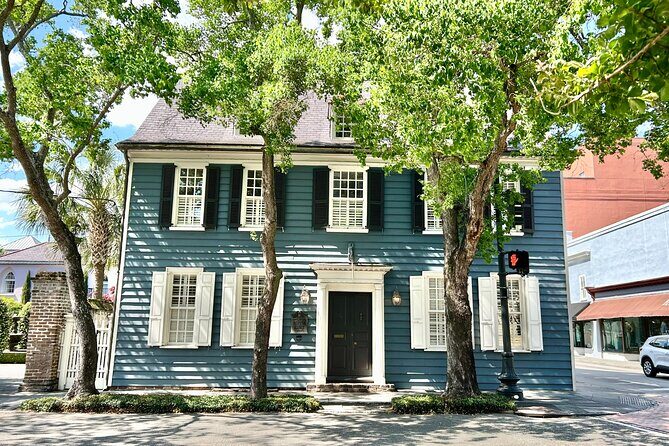
Your walk begins at Old Exchange and Provost Dungeon, 122 E Bay St. Even before the first building talk starts, the area sets the tone: Charleston’s downtown is a stack of eras, and Jewish history lives inside that same layered geography. You’re not just sightseeing; you’re learning how the city’s economic and political life connected to Jewish residents over time.
Because this is a private tour for up to two people, you get a tighter, more personal feel than you would on a big group bus-style outing. The guide can slow down when you want more detail, or speed up when you’re happy with the highlights. It’s also offered in English with a mobile ticket, so you’re not juggling paper passes on the sidewalk.
One more practical note: the tour ends back at the meeting point. That matters if you’re planning dinner nearby, meeting a driver, or just want a clean finish without extra navigation.
Other walking tours we've reviewed in Charleston


Farmers & Exchange Bank: Moorish Revival and David Lopez
The tour’s first major stop is the Farmers & Exchange Bank Building, described as Charleston’s best example of Moorish Revival architecture. That label can sound like an aesthetic fact only. On this tour, it becomes a clue.
You’ll hear that the building was built by prominent Sephardic Jewish Charlestonian David Lopez. That’s the kind of connection that makes architecture feel less decorative and more personal. Instead of staring at arches and patterns as if they’re just design, you learn they came from real hands, real money, and real community ambition.
What I like about starting with a style like Moorish Revival is that it gives you a visual anchor. Once you understand what you’re looking at, it’s easier to track the guide’s next thread: how Jewish residents participated in Charleston’s wider commercial life and left marks you can still find today.
A possible consideration: if you’re the type who prefers deep dives into one era, the early momentum may feel like it moves quickly. Still, it’s a good way to get your bearings fast and set up the later stories.
Dock Street Theater and the Sasportas Tenements
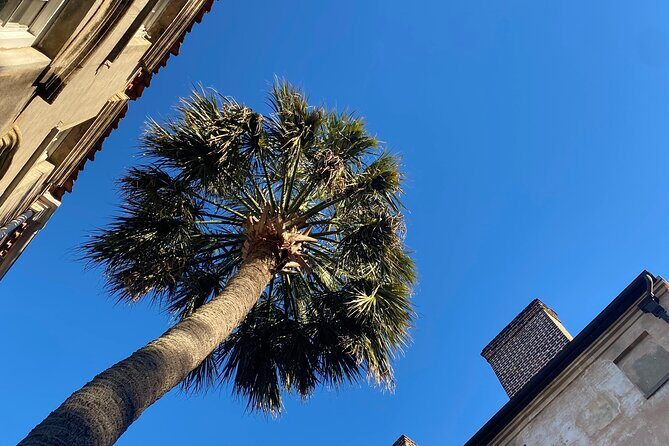
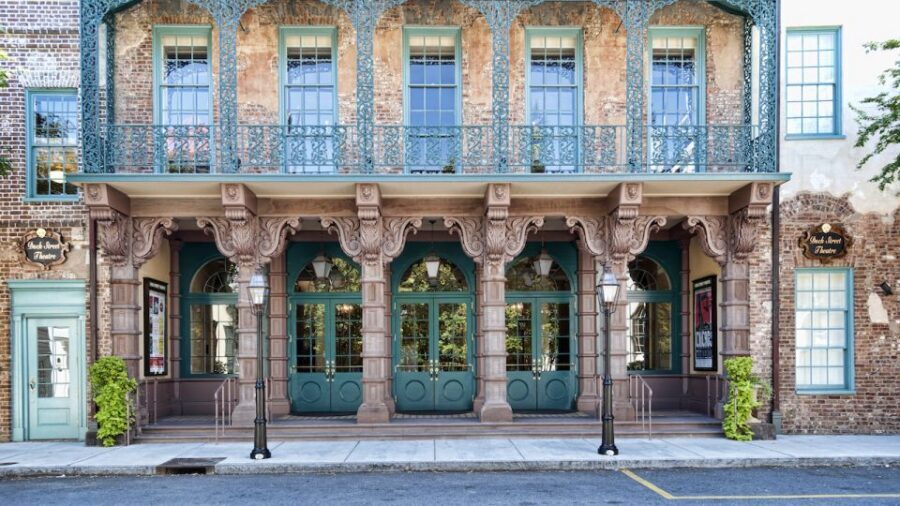
Next, you’ll learn about Dock Street Theater and pass by the Sasportas Tenements. Dock Street Theater is tied to Milton Pearlstine, and the Sasportas Tenements connect to Abraham Sasportas, described as a prominent French-Jewish privateer and Revolutionary War soldier.
This is where the tour’s “people inside place” approach really pays off. You’re walking through downtown Charleston and realizing that the city’s entertainment spaces and housing blocks weren’t isolated from historical Jewish involvement. They were part of the same civic fabric.
You’ll also get a sense of how Jewish history in Charleston isn’t only about religion or community organizations. It includes entrepreneurship, military service, and the movement of people and wealth across the Atlantic world. For many visitors, that’s the big eye-opener: you come for synagogues and end up also seeing a wider network of influence.
If you’re short on time, this stretch is efficient. You get multiple landmark connections in a compact walking window.
Francis Salvador: The Paul Revere of the South
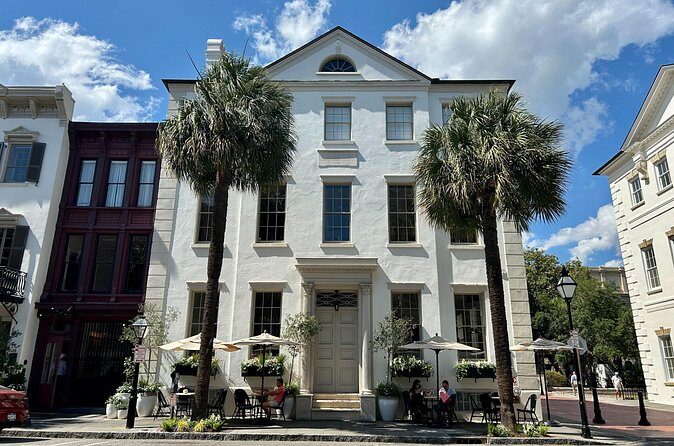
Then comes one of the most memorable character stories on the walk: Francis Salvador, described as the first Jewish person to die in the American Revolution. He’s also known as the Paul Revere of the South.
The value here isn’t just the headline. The guide’s job, done well, is to make that label meaningful. “Paul Revere of the South” can sound like a neat comparison that flattens a person into a myth. On this tour, you should expect context that explains why Salvador is remembered that way and how he fits the broader revolutionary story Charleston residents were living within.
I like tours that don’t treat historical figures like isolated statues. Salvador becomes part of an American narrative, not a footnote. And for many visitors, that’s where the emotional weight shows up: you’re standing in a city that helped build the new country, and you’re learning that Jewish people were part of that fight, too.
This is also one of the stops where you may feel your interest level spike. In reviews, this kind of storytelling is repeatedly described as moving, not just informative.
Dr. Jacob de la Motta’s Pharmacy and the Hebrew Orphan Society
After the Revolutionary War thread, the tour shifts into community support and early Jewish institutions you can still link to American history.
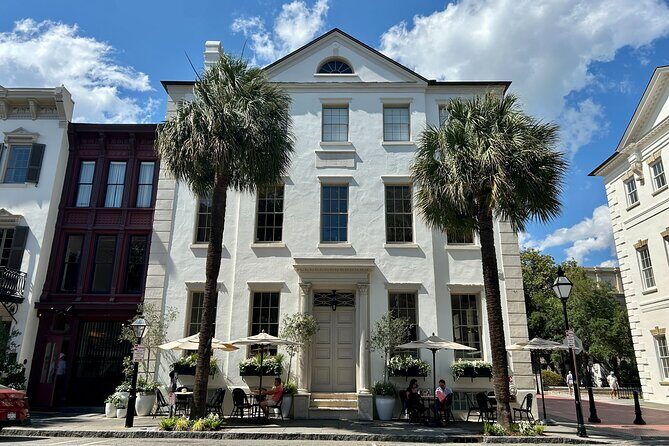
You’ll see Dr. Jacob de la Motta’s former pharmacy, which became the first Jewish-owned pharmacy in the U.S. You’ll also hear about the Hebrew Orphan Society, described as the oldest incorporated Jewish charity in the U.S.
This pair of stops works well because it shows two sides of community life:
- Economic participation (a business that served people and stood as a public presence)
- Institutional care (organized charity with longevity)
If you care about how immigrant or minority communities established stability, these sites are practical examples. You can picture daily life: workers, customers, families, and the real need for help when children were orphaned.
One thing I’d flag: this portion is where the history becomes “administrative” in a good way. You’re not just learning heroic names; you’re seeing how structures formed and persisted. If you prefer only dramatic tales, you might need to stay open-minded here. But for most people, understanding institutions is what turns “a few facts” into a framework you can carry beyond the tour.
Other private tours in Charleston






Moses Cohen Mordecai and Isaac Harby: Business, War, Reform
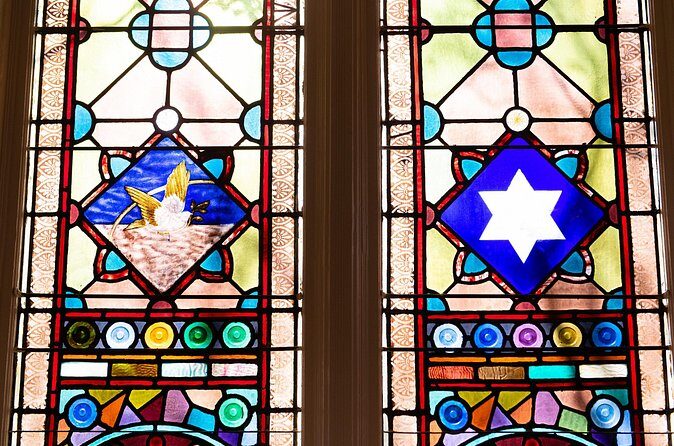
As the walk moves toward its later stops, you’ll hear stories of business magnate and Confederate Moses Cohen Mordecai. You’ll also pass the home of Isaac Harby, a leader of the American Reform Judaism movement.
This is a powerful section because it complicates your expectations—in the best way. Jewish history in Charleston isn’t a single storyline with one political attitude. You’re shown that Jewish residents held different views, shaped business life, and were involved in the same conflicts and religious shifts that reshaped the country.
Moses Cohen Mordecai brings the Civil War-era connection into focus, and Isaac Harby brings a different kind of transformation: religious modernization through Reform Judaism leadership. Together, they show how a community can be both deeply local and deeply engaged with national change.
The “pass by” format can sometimes feel like a tease on walking tours. Here, though, it works because the guide uses these locations as prompts. You’re not staring at houses randomly; you’re learning why a particular home matters to a larger story about faith and identity.
Timing, walking pace, and how to plan your day
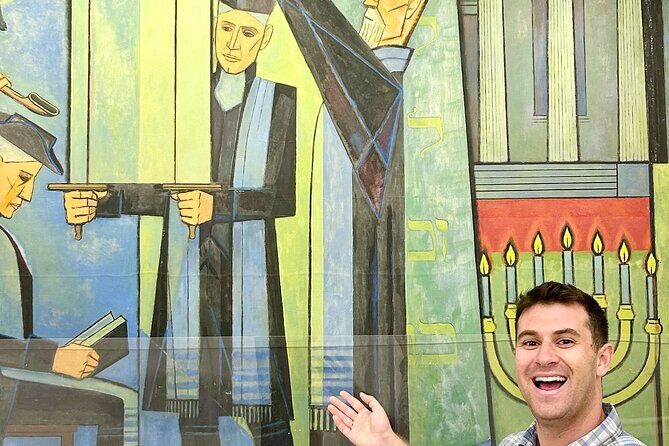
The tour runs for about 2 hours. That’s a sweet spot for a downtown walking experience: long enough to learn, short enough to still enjoy the rest of your Charleston day.
There’s also evidence that the experience can flex. In at least one review, the tour was customized and ran about three hours, which suggests the guide can adjust based on your interests and energy levels. If you want more time on questions or a slower pace, this is one of those tours where that feels possible.
You should plan for solid walking on uneven city sidewalks. The tour is listed for people with moderate physical fitness, so if you’re dealing with mobility limits, you’ll want to think twice and consider your comfort with sustained downtown walking.
Weather matters too. The experience requires good weather, and if it’s canceled due to poor conditions you’ll be offered another date or a full refund. For Charleston, that means having a backup plan for heat and sudden storms.
Price and value: What $450 per group actually buys
The price is $450 per group, up to 2 people, for roughly 2 hours. On a per-person basis, that sounds high—until you translate it into what you’re getting.
You’re paying for:
- Private time with a guide (not sharing context with strangers)
- A tight local narrative built around specific Charleston landmarks tied to named figures
- The kind of Q&A and flexibility that larger tours often can’t support
If you’re traveling as a couple or with a friend, it can become a smart value play. You’re effectively buying a tailored downtown lesson, not just “a walk with facts.”
One more value signal: bookings often happen about 18 days in advance on average. That tells me the best slots go first, and this isn’t the kind of tour most people stumble into at the last minute.
If you’re traveling solo, the math changes. You might still find it worth it if you want a guided conversation instead of a group schedule, but it’s worth weighing against other free-spirited options in the city.
Who should book this Jewish History Private Walking Tour
You’ll likely enjoy this most if you want your Charleston trip to have real historical texture, not just general museum-style summaries.
It fits well if:
- You enjoy history that connects people to specific buildings
- You like guides who answer questions on the spot
- You want Reform Judaism, Revolutionary War, business life, and Jewish charity all touched within one walk
It may feel less ideal if:
- You only want broad, easy viewing with no deeper context
- You expect a long tour that hits every synagogue or cemetery site
- You struggle with steady walking in warm conditions
In reviews, the guide’s approach is repeatedly described as organized, flexible, and question-friendly. There’s also a theme of being more than “just facts”—more like a conversation that makes the city feel lived-in.
Should you book it?
If you want a Charleston experience that makes Jewish landmarks feel connected rather than random, I’d book this. You get a private format, an expert storyteller (Ronnie Ludwin), and a route that uses architecture and named figures to stitch together several major strands of U.S. and Charleston history.
Just go in with the right expectation: this is a focused downtown walk in about two hours. You’ll learn a lot, but you won’t see everything the city has. If you’re okay with that trade-off, it’s the kind of tour that can change how you look at Charleston long after you leave the sidewalk.
FAQ
How long is the Jewish History Private Walking Tour of Charleston?
The tour lasts about 2 hours.
What is the price for this tour?
It costs $450.00 per group, for up to 2 people.
Is this tour private or shared?
It’s a private tour/activity. Only your group participates.
Where does the tour start?
The start point is Old Exchange and Provost Dungeon, 122 E Bay St, Charleston, SC 29401, USA.
Where does the tour end?
The activity ends back at the meeting point.
What language is the tour offered in?
The tour is offered in English.
How does ticketing work?
You receive a mobile ticket.
Is this tour weather dependent?
Yes. It requires good weather, and if it’s canceled due to poor weather, you’ll be offered another date or a full refund.
What is the cancellation policy?
You can cancel for a full refund up to 24 hours in advance of the experience’s start time. If you cancel less than 24 hours before, the amount paid is not refunded.