REVIEW · CHARLESTON
Charleston Eco Boat Cruise with stop at Morris Island Lighthouse
Book on Viator →Operated by Charleston Outdoor Adventures · Bookable on Viator
Salt marsh air and quiet water beat the usual Charleston shuffle. This 2.5-hour eco cruise takes you through tidal creeks and ends on uninhabited Morris Island to see the lighthouse and hunt shells. I love the smaller boat size and relaxed pacing, and I love the onboard storytelling that brings the salt marsh to life. One thing to plan for is wind: the open water can get chilly and breezy, especially in shoulder seasons.
Your time on Morris Island is the payoff. You’ll get a photo-friendly lighthouse stop plus a long beach window to explore at your own speed. The only real drawback is that there are no restrooms during the tour, so you’ll want to use facilities before you leave the dock area.
In This Review
- Key points to know before you go
- Why this Morris Island boat stop feels special
- Bowens Island check-in: where your cruise really starts
- The tidal creeks ride: how the boat time shapes what you see
- Dolphin chances: what to do once you’re scanning the water
- Morris Island Lighthouse stop: photos and beach time in two chunks
- Wildlife and beach treasures: what the experience is really about
- What the naturalist captain teaches you (and how it helps)
- Boat details that affect comfort
- What to pack and wear for Morris Island’s wind and sand
- Who this cruise fits best
- Should you book this eco cruise to Morris Island Lighthouse?
- FAQ
- How long is the Charleston Eco Boat Cruise with a stop at Morris Island Lighthouse?
- Where do I check in and where does the cruise return?
- What wildlife might I see during the cruise?
- Can I go inside the Morris Island Lighthouse?
- Are there restrooms available during the tour?
- Can I bring food or drinks on the boat?
Key points to know before you go
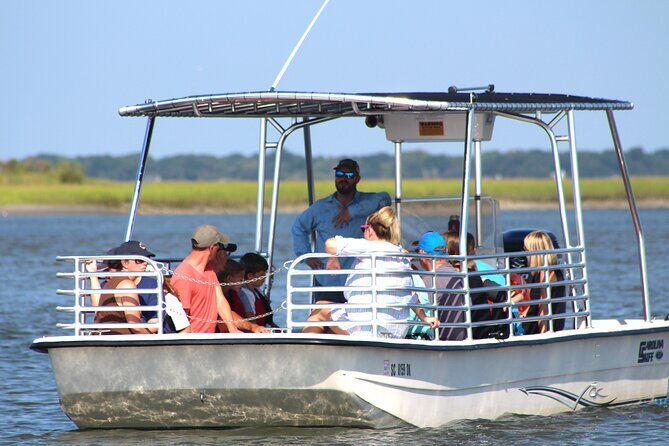
- Small-group feel with a maximum of 21 travelers, which makes spotting dolphins and birds feel easier
- Tidal-creek wildlife time on the way over, where you can spot dolphins, sea turtles, pelicans, and more
- Morris Island Lighthouse photos plus real beach walking, not a quick look-and-go
- You’re on a Carolina Skiff bay boat, built for local water routes and a smoother feel than big sightseeing vessels
- No public lighthouse entry, so plan your visit around views from shore and the surrounding beach
- Bring a shell bag and sturdy shoes, because the “find stuff” part of this tour is half the fun
Why this Morris Island boat stop feels special
Charleston’s famous sights can be crowded and fast. This cruise slows everything down in the best way: you start on the water, you move through marsh channels, and then you land on a barrier island that looks like it belongs to another timeline.
What makes it click is the mix. You get a scenic ride through the Lowcountry estuary world, then you get real time on Morris Island to look at the lighthouse from a distance, take photos, and walk the sand. Add the live narration from a naturalist captain, and it turns a simple sightseeing trip into something you can actually talk about later.
The vibe is also practical. This isn’t a fancy, stiff tour. The pacing is leisurely, the boat is smaller than the big-deck crowd, and most of your energy goes toward spotting wildlife and enjoying the coast.
Other boat tours in Charleston

Bowens Island check-in: where your cruise really starts
The tour meets at 1871 Bowens Island Road, Charleston, at the dock area where you’ll check in with the captain and staff. There’s a Charleston Outdoor Adventures office along the boat landing, and there are restrooms available before departure, which matters because once you’re out there, you won’t have that option again.
Plan to arrive 15 minutes early. That buffer keeps you from feeling rushed while you get your mobile ticket sorted, use the facilities, and settle in. It’s also helpful because you’ll want a front-row view of the action: dolphins and birds don’t care about your schedule, and the best sightings often happen when everyone is ready.
One more practical win: there’s complimentary parking onsite. If you’re driving in from the historic area, this cuts down on stress.
The tidal creeks ride: how the boat time shapes what you see
Once you’re aboard, you head out through saltwater channels and marsh and estuary habitats. This is where the cruise earns its eco label. The captain shares what you’re looking at—wild oyster beds, maritime forest, and the patterns of life that depend on these shifting waters.
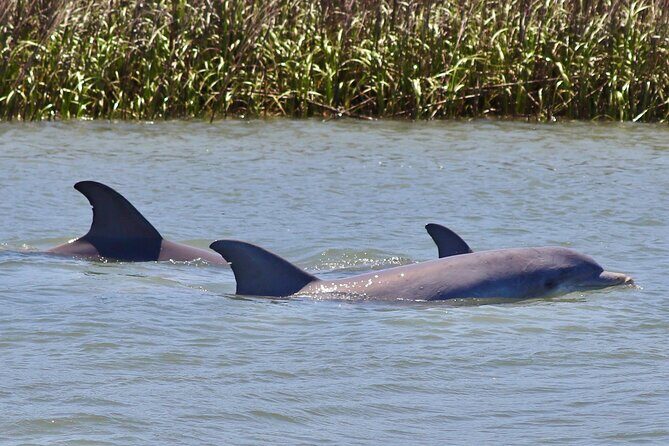
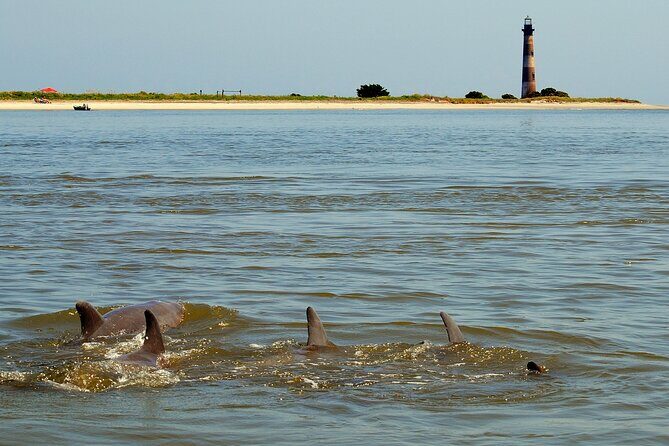
This part is also the best place to spot wildlife. The tour is set up for noticing: you might see wading birds and pelicans, and you may get chances to watch Atlantic bottlenose dolphins. Sea turtles are listed as a possibility too, which gives the trip a little extra thrill beyond the usual “we hope for dolphins” angle.
A key detail: the boat runs on a smaller scale, with a max group size of 21 travelers. That matters for real-life sightseeing because you’re not craning over strangers. Everyone gets a better chance to track movement on the water surface and along the edges of marsh channels.
Dolphin chances: what to do once you’re scanning the water
I can’t promise dolphins, because wildlife schedules aren’t calendar-based. But I can tell you what improves your odds: stay alert during the ride, keep your eyes up as well as forward, and give the captain’s cues your full attention.
Multiple guides on this tour are known for spotting and drawing attention to wildlife. Captains like Chris, Jacob, Matt, George, Jason, and Tripp are repeatedly praised for calling out dolphin activity and explaining what’s happening in simple, engaging ways. That style matters. If you know what you’re seeing—birds feeding, tides changing, or why certain stretches look more active—you’ll spend less time guessing and more time enjoying.
If you’re sensitive to wind, bring layers (more on that below). Chilly passengers often end up looking down at their phones. A little comfort keeps your attention where it belongs: on the water.
Morris Island Lighthouse stop: photos and beach time in two chunks
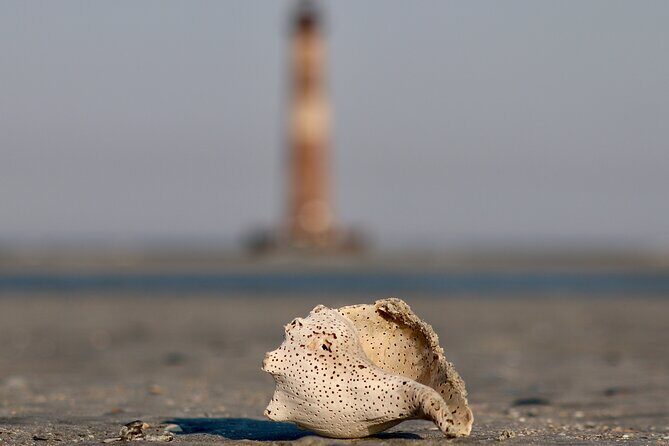
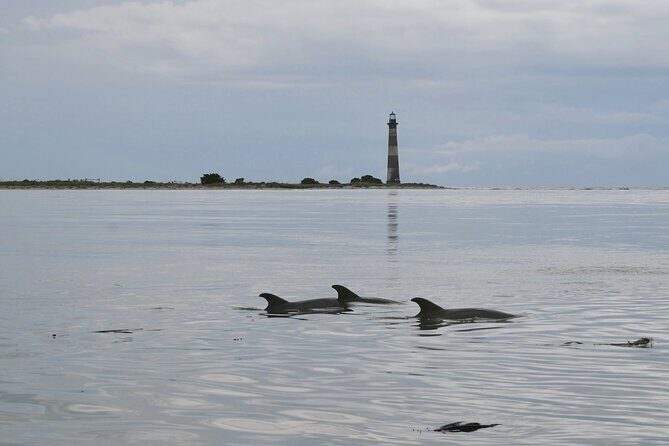
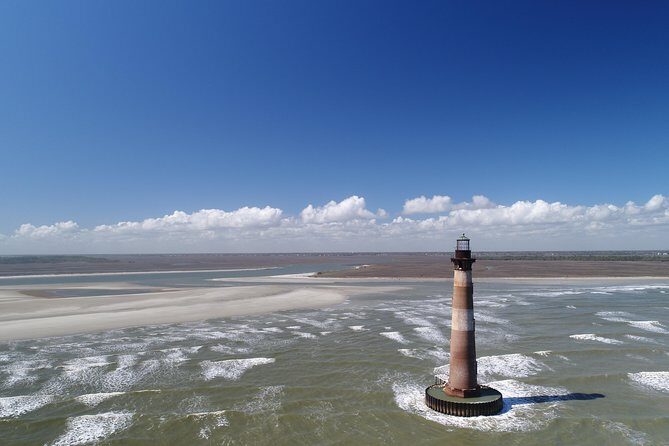
The lighthouse stop is the centerpiece for a reason. Morris Island has an uninhabited, spare beauty—no tourist buildings in your frame, just sand, water, and the lighthouse standing like it belongs in an old storybook.
You’ll spend about 50 minutes at the lighthouse area. This is the time for wide-angle photos, lighthouse silhouettes, and that quiet “wait, this is right here?” feeling you get when you see how isolated the place looks from the boat.
Then you shift into the longer island time. The schedule gives you about 1.5 hours focused on the Morris Island environment and South Carolina coastal features. This is when shelling becomes the activity, not the bonus. Many people treat the beach walk like an outdoor scavenger hunt: sand dollars, seashells, and other shoreline finds tend to show up when you slow down and scan.
One important reality check: you can’t go inside the lighthouse. The area is surrounded by water, and the lighthouse isn’t accessible to the public from this tour. So aim your expectations at what the experience actually offers: views, photos, and time on the surrounding beach.





Wildlife and beach treasures: what the experience is really about
This tour’s best moments are usually small and specific, not dramatic and scripted. A dolphin breaking the surface near the boat. A bird taking off low over the marsh. A shoreline surprise as you walk.
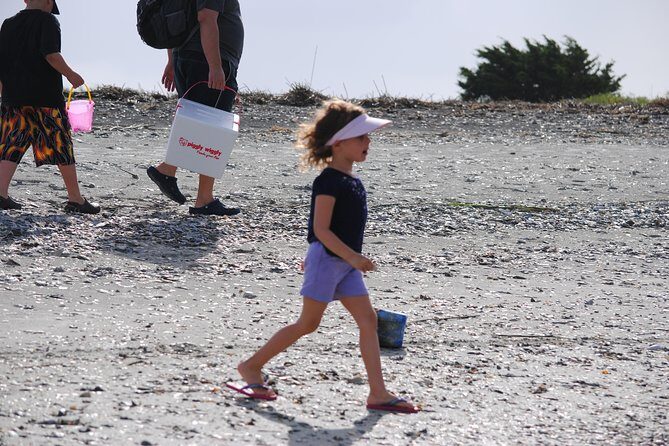
Shelling is a big part of that. The tour encourages beachcombing, and many guides’ storytelling connects the shoreline to the larger ecosystem—why the marsh feeds life, and how tides shape what you find. If you bring a bag for collecting shells, you’ll have a much better experience than if you’re trying to carry finds in your pockets.
You might also find that the beach walk is a chance to reset your mind. The island is quiet. You’re not weaving through shops or traffic. You’re listening to wind and water while you hunt for small treasures—and that’s the kind of “Charleston but not touristy” time that people look for.
What the naturalist captain teaches you (and how it helps)
Live narration is included, and it’s not just facts dumped at you. The way guides are described matters: you get a mix of ecosystem talk, local history, and practical context for the animals and the tides.
Some captains are especially praised for their storytelling balance. Chris and George are called out for the right mix of ecosystem, animals, and history, often with humor that keeps the group loose rather than lecture-style. Tripp is mentioned for making the tour informative and interactive, and Jacob is noted for guiding in a fun, engaging way.
You’ll also hear about local ways people fish and harvest resources like oysters and shrimp. That kind of context turns the scenery into a living system tied to local life, even though the beach itself is uninhabited.
One extra perk from the guide style: fossil finds. More than one captain is noted for pointing out or even sharing beach discoveries, which adds a personal touch to the walk and makes the island time feel interactive rather than passive.
Boat details that affect comfort
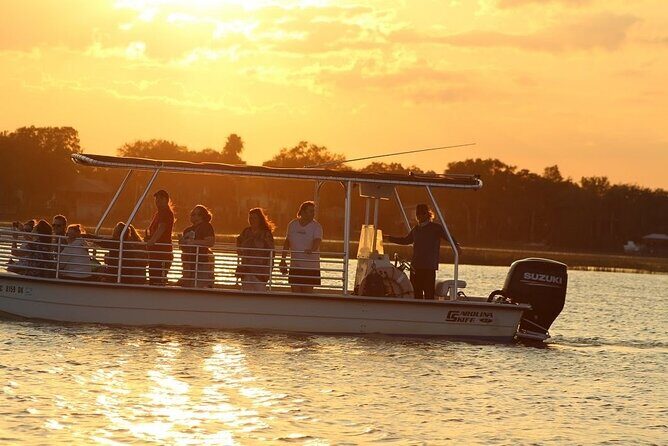
This is a Carolina Skiff bay boat. That’s a good match for this kind of outing because it’s designed for coastal and tidal environments. You tend to feel closer to the water rather than perched above it, and that helps with sightlines for birds and dolphins.
Comfort is the big variable. The most consistent caution from experience summaries is the wind. Even on a sunny day, the water breeze can hit hard, and in late fall it can feel chilly fast. If you get cold easily, dress for the boat ride, not for the temperature on land.
Also note that the tour includes a fuel surcharge, and it runs on a timeline that gives you time for both the lighthouse viewing and the longer island walk. That means you shouldn’t treat it like a quick stop; it’s built as a true half-day experience.
What to pack and wear for Morris Island’s wind and sand
Bring basics, and then bring them like you mean it.
Start with water and sunscreen, plus sunglasses and a hat. Morris Island sun can be intense, and the boat ride can also leave you surprised by how long you’ll be outside.
For footwear, choose sturdy shoes you don’t mind getting sandy or damp. You’ll be walking on beach terrain, and shelling is easier when your feet are secure.
If you’re planning to collect shells, bring a bag. A small tote or bucket-style bag works better than a plastic bag you’ll have to fight on uneven sand.
For comfort, pack a light layer for wind. A hoodie or windbreaker can be the difference between scanning the horizon comfortably and constantly hunching down.
Finally, consider that there are no restrooms during the tour. Use facilities at the dock before you depart, then plan your drinking accordingly.
Who this cruise fits best
This tour works for a lot of different traveler types, because it balances scenery, wildlife, and time on land.
- Families: kids often love the shelling, and the beach time makes the tour feel hands-on. The wildlife spotting also keeps attention from wandering.
- Couples and friends: you get a calmer, quieter afternoon outside the busy city scene, plus something active to do on the island.
- Nature-focused travelers: the estuary framing plus live narration makes it more than a photo outing.
- People who want a break from city logistics: the smaller-group boat and clear rhythm from check-in to island time helps you relax.
If you’re the kind of traveler who hates waiting around, this is still a good fit because you’re moving through environments with a purpose. The boat ride sets you up for the island walk, not just for a single viewpoint.
Should you book this eco cruise to Morris Island Lighthouse?
I think you should book it if you want an afternoon that feels outdoorsy and local, not just another checklist stop. The value comes from the full package: a smaller boat ride, live narration, meaningful wildlife viewing time, and a genuine beach window on Morris Island for photos and shelling.
Skip it (or go in with flexible expectations) if you’re sensitive to wind or if you need restroom access during the outing. And remember: the lighthouse is for viewing only, not entry.
If you’re planning Charleston around a “one great nature thing,” this is a strong choice. It gives you a different side of the Lowcountry—tidal creeks, marsh wildlife, and that isolated Morris Island feeling—without turning your day into a stressful expedition.
FAQ
How long is the Charleston Eco Boat Cruise with a stop at Morris Island Lighthouse?
The tour is approximately 2 hours 30 minutes.
Where do I check in and where does the cruise return?
You depart from and return to the dock at 1871 Bowens Island Road, Charleston, SC 29412.
What wildlife might I see during the cruise?
The experience lists the possibility of seeing Atlantic bottlenose dolphins, wading birds, pelicans, sea turtles, and more.
Can I go inside the Morris Island Lighthouse?
No. The lighthouse is surrounded by water and is not accessible to the public on this tour.
Are there restrooms available during the tour?
Restrooms are available before departure at the meeting location, but there are no restrooms available during the tour.
Can I bring food or drinks on the boat?
Yes, you can bring snacks and drinks as long as you do not litter. Single-use glass bottles are not allowed.