REVIEW · CHARLESTON
Charleston History and Architecture Walking Tour
Book on Viator →Operated by Charleston Tours · Bookable on Viator
Charleston can be confusing at first. This walking tour helps you read the city fast. You’ll follow a guide trained in architecture and history, so the buildings start to make sense instead of just looking pretty.
I particularly like the way you pack major sights into two hours without feeling rushed. And the stories are the point: the guide connects what you’re seeing to why Charleston grew the way it did. That makes the walk feel like a fast course, not a sightseeing slog.
One thing to consider: this is a walking tour and it depends on good weather. If conditions are rough, the tour may be rescheduled or refunded, so keep your backup date in mind.
In This Review
- Key things to know before you go
- A 2-Hour Walk That Helps You Read Charleston Fast
- Where You Start on East Bay Street (and Why the Ending Matters)
- Pineapple Fountain: The Quick Photo Stop That Sets the Tone
- Rainbow Row: How 13 Pastel Houses Became a Charleston Icon
- Unitarian Church in Charleston: Architecture Details and Tiffany Windows
- Twenty-one Magazine: Scary Stories, But Tied to Place
- Old Exchange & Provost Dungeon: Colonial Power in Stone
- Philadelphia Alley (Duelers Alley): Narrow Street, Big Character
- Price and Logistics: Why $27 Feels Fair
- Best Fit: Who Should Book This Walking Tour
- A Note on Guides: Emerson and Paige’s Style
- Should You Book It?
- FAQ
- How long is the Charleston History and Architecture Walking Tour?
- How much does the tour cost?
- Where does the tour start and where does it end?
- How do I get my ticket?
- How large are the groups?
- Who leads the tour?
- What sights are included?
- Do I need paid admission for the stops?
- Is the tour dependent on weather?
- Are service animals allowed?
Key things to know before you go
- Small group pace (up to 20 people), so you can hear the guide and keep moving comfortably
- Photo stops built in, from Pineapple Fountain to tight lanes like Philadelphia Alley
- An architectural-historian guide who explains the buildings, not just the anecdotes
- Big Charleston icons in a compact route, including Rainbow Row and the Unitarian Church
- Creepy chapter moments, like the stories tied to Twenty-one Magazine and the Old Exchange area
A 2-Hour Walk That Helps You Read Charleston Fast
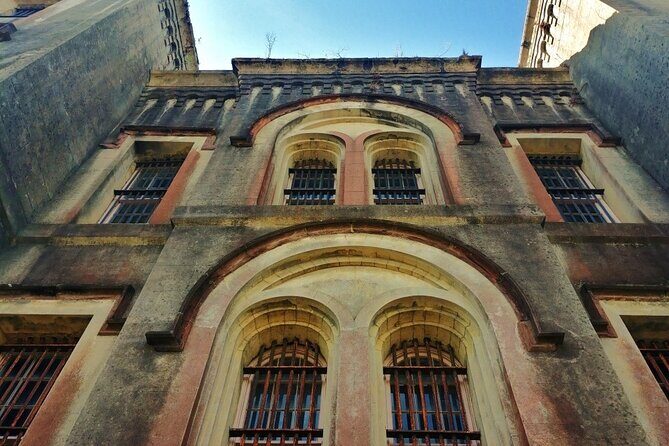
Charleston is one of those cities where you can stare at a façade for ten minutes and still miss the point. This tour is built to fix that. You’ll spend about two hours on foot, with stops timed so you get a solid look and then hear what you’re actually looking at.
The payoff for me is clarity. You don’t just see pastel houses or church details—you learn how styles, materials, and city planning shaped what Charleston became. Even if you only have a day or two in town, this gives you a framework for the rest of your trip.
And because it’s on foot, you move at the city’s pace. Charleston isn’t a place you zip through at car-speed. Walking helps you notice the small stuff: street width, alley perspective, and how buildings sit right on the sidewalk.
Other walking tours we've reviewed in Charleston



Where You Start on East Bay Street (and Why the Ending Matters)

You begin at 195 E Bay St, near the energy of downtown. That’s useful because you can orient yourself immediately: once you know where your walk starts, you’ll better understand the shape of the peninsula as you explore later on your own.
The tour ends around Waterfront Park / Vendue Range on Concord St. That matters because it naturally funnels you toward the waterfront area, where it’s easy to grab a drink or plan your next stop without hunting for a direction. In a city like Charleston, finishing near the water is a smart way to keep your momentum.
If you’re using public transport, this route is also described as being near public transportation, which is great for cutting down hassle on arrival day.
Pineapple Fountain: The Quick Photo Stop That Sets the Tone
The walk kicks off at the Pineapple Fountain, and yes, it’s exactly what it sounds like—a pineapple-shaped fountain designed for great photos. The time here is short, about 10 minutes, which is perfect as a warm-up.
This stop is more than a snapshot. Pineapple motifs show up all over coastal American design, and your guide uses details like that to start the conversation about symbolism in Charleston life. It’s an easy way to train your eyes for later: after you notice the motif, you’ll see more patterns as you continue.
Practical tip: if you want photos without other people in every frame, arrive with a few quick poses ready and let the group move slightly first. With a small route like this, that alone can save time.
Rainbow Row: How 13 Pastel Houses Became a Charleston Icon
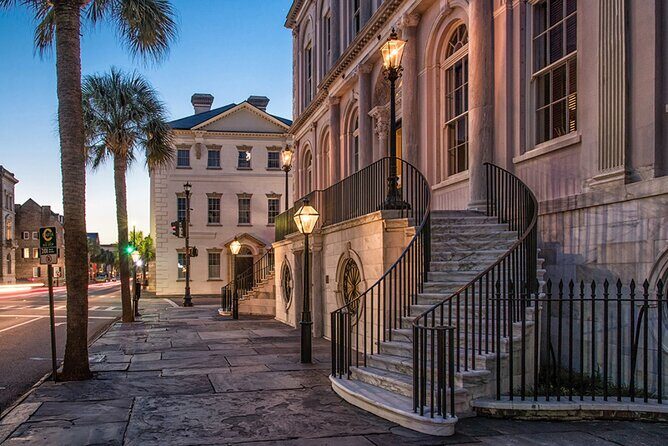
Then comes the headline: Rainbow Row. This is the kind of place where it’s tempting to just take photos and move on, but the tour slows it down enough for you to see what makes it special.
Rainbow Row is made up of 13 privately-owned Antebellum homes, each painted in pastel colors. Your guide’s angle is the architecture and the story of why these homes line up the way they do—and what that says about Charleston’s growth.
What I like here is the contrast. Rainbow Row looks like a postcard, but under the surface it’s a snapshot of how wealth, design preferences, and street layout came together. You’ll also get time for photos without it turning into a long wait.
One consideration: because it’s an iconic stop, expect it to be visually popular. Still, your time is planned—about 20 minutes—so you’re not standing around for an hour just to get a couple of pictures.
Unitarian Church in Charleston: Architecture Details and Tiffany Windows

Next up is the Unitarian Church in Charleston, another stop that’s built for both learning and photos. You’ll get about 20 minutes here, which is enough to appreciate the façade and then focus on specific architectural elements the guide points out.
The standout from the experience—based on what people highlight—is the chance to see inside and admire the Tiffany windows. That’s the kind of detail that turns a normal church stop into a memory. Even if stained glass isn’t your thing, the color and workmanship tend to grab your attention fast.
Why this stop works on a walking tour: church buildings are big “anchors,” and Charleston has a lot of them. Once you understand how one major church uses design to communicate values and history, you start spotting similar ideas elsewhere in town.
Small practical note: since this is a working church setting, you’ll want to follow the guide’s lead for timing and respectful behavior when you’re near entrances and interior spaces.
Other historical tours in Charleston





Twenty-one Magazine: Scary Stories, But Tied to Place
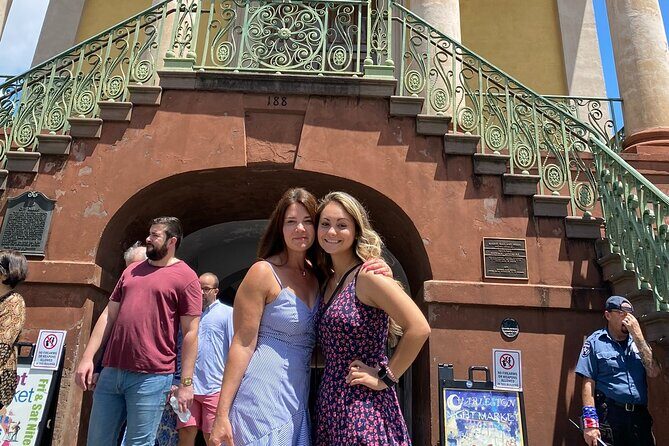
Not every stop is cheerful, and that’s a good thing. At Twenty-one Magazine, you’ll hear scary stories, history, and architecture in one package. The total time is about 20 minutes, so it’s structured: you get enough narrative to feel it, and enough architectural context to place it in Charleston’s story.
This is one of those stops where a good guide changes your experience. Without help, you might see a building and just keep walking. With the explanation, you start understanding what the structure was for, why it looks the way it does, and how Charleston used space for both practical and political reasons.
The drawback is mainly tone: if you don’t like spooky storytelling, this is the moment where the tour leans into it. Still, it’s not random horror. It’s tied to the building and the period, which keeps it grounded.
Old Exchange & Provost Dungeon: Colonial Power in Stone
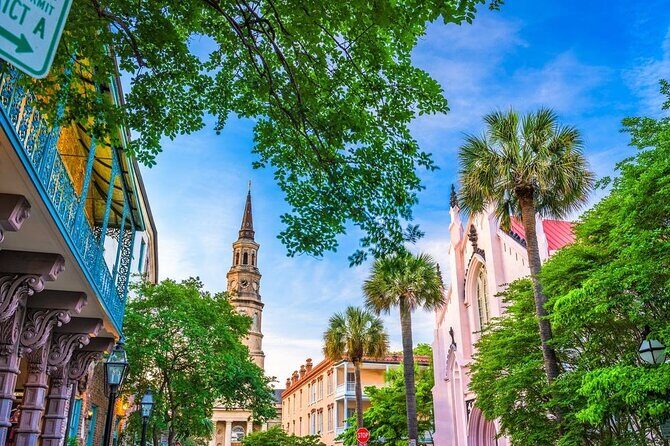
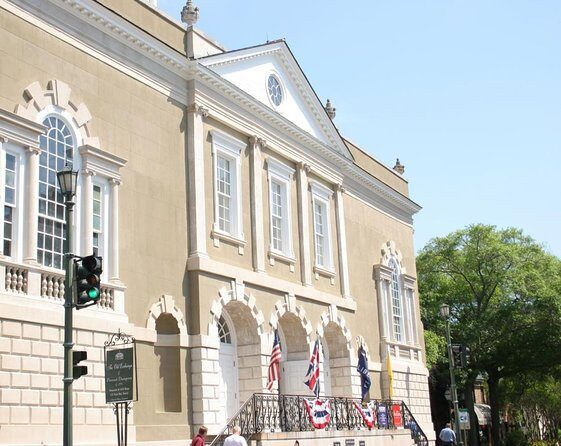
Next is the area connected with Old Exchange & Provost Dungeon, where the focus becomes colonial history and architecture. This stop also clocks in at about 20 minutes.
The title alone hints at power and punishment, and that’s the point. Charleston isn’t just about pretty streets. It also has hard edges—trade, law, enforcement, and the real human consequences of those systems. Your guide uses the building’s role and design to connect the past to the physical city you’re walking through today.
What I like about mixing this kind of stop into an architecture tour is that it prevents the walk from feeling like a “decorations only” museum. You see the pretty, then you see the machinery of control that helped shape how the city functioned.
Practical consideration: this is another exterior-heavy moment unless you’re told otherwise, so if you want long pauses for photos, keep an eye on the group pace. The tour is designed for efficient movement, not lingering for a full hour at each site.
Philadelphia Alley (Duelers Alley): Narrow Street, Big Character
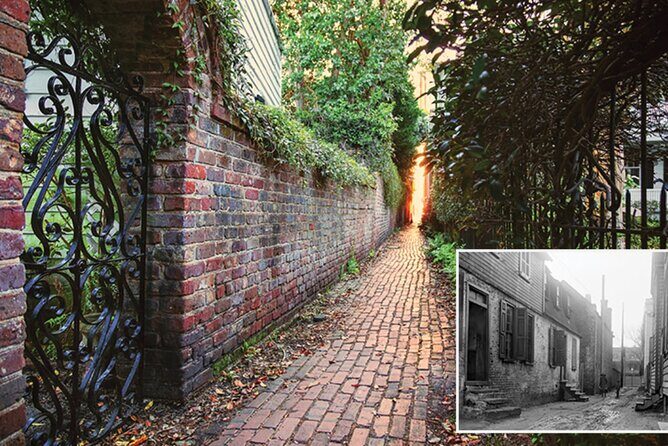
By the time you reach Philadelphia Alley, you’re already primed to see how architecture and space create mood. This alley is also known as duelers alley, and yes—the name sparks attention fast.
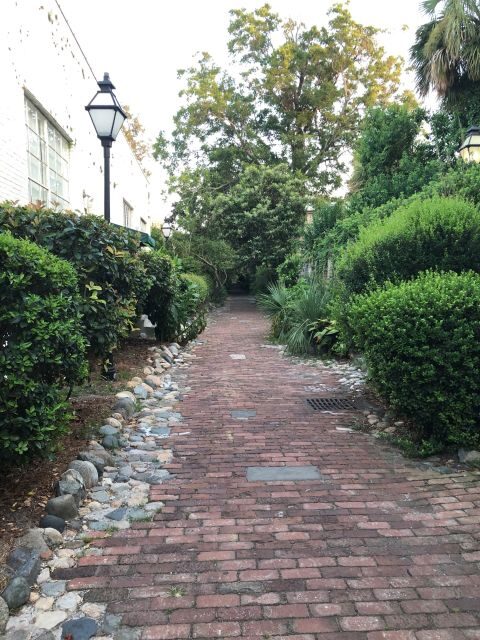
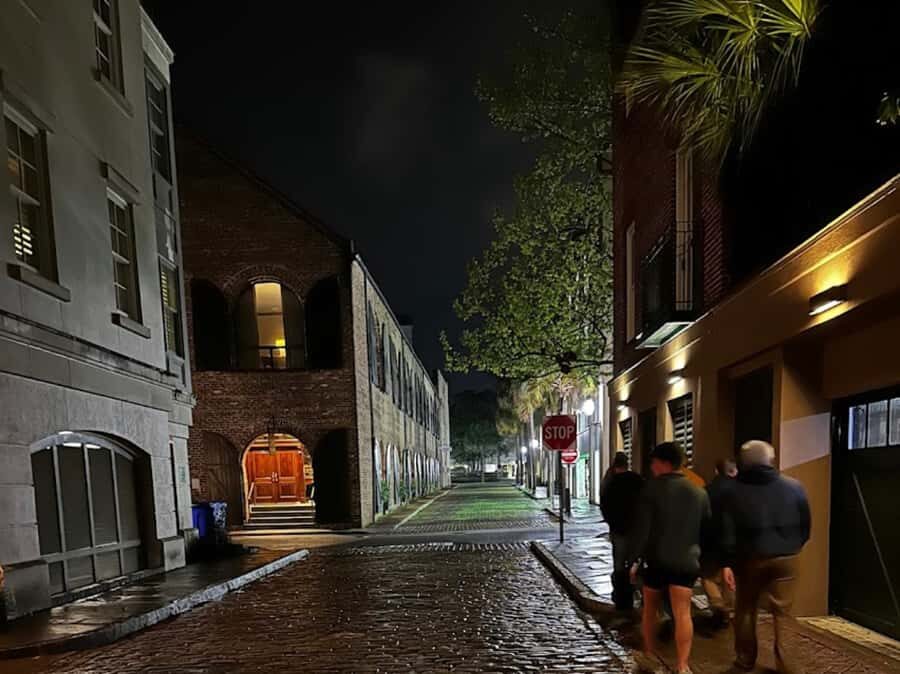
You’ll get about 20 minutes here for architecture and photo opportunities. This is the type of place where perspective matters. The narrower the passage, the more you notice the way buildings lean into each other and how shadows stretch along the walls.
I love this stop because it gives you a break from big-street icons. Rainbow Row is wide and open; an alley is intimate. You walk from “city image” to “human scale” in just a few turns, and the guide helps you see why that matters.
If you’re taking photos, watch for foot traffic and don’t block entrances. The best shots often happen when you step aside for a second and let the group flow—then you come back for angles without rushing.
Price and Logistics: Why $27 Feels Fair
At $27 for an approximately two-hour guided walk, this is priced like a practical introduction rather than a premium attraction with one big ticket cost. And that’s exactly what it functions as: a time-efficient way to see multiple key sights with interpretation.
The maximum of 20 travelers also matters. Smaller groups mean the guide can keep a steady rhythm and you can hear the explanations without competing with a crowd roar.
Because each listed stop notes admission ticket free, you’re not paying extra just to stand near the sights. The value here is the narration—architecture details and context that you’d otherwise have to piece together from guidebooks.
My honest take: if you’re new to Charleston or only have a limited window, this is a strong deal. If you already know the city’s big landmarks deeply, you might find the tour moves quickly—but the architecture-focused angle still gives you a useful refresh.
Best Fit: Who Should Book This Walking Tour
This is ideal for you if you want a guided orientation—especially if Charleston is new to you. It’s also a great choice if you like structure: a set route, timed stops, and a guide who explains what you’re seeing before you wander off later.
It also suits people who enjoy mixing photo-friendly moments with story. The tour includes classic sights like Rainbow Row, but it also adds narrative weight at the Old Exchange area and the more eerie storytelling at Twenty-one Magazine.
If your travel style is all DIY and you hate group timing, you might prefer a self-guided plan. But if you want someone to connect the dots quickly—this is the kind of tour that makes future wandering easier.
A Note on Guides: Emerson and Paige’s Style
The experiences tied to this tour mention guides like Emerson and Paige for standout delivery. Emerson is praised for being personable, making Charleston history come alive, and for helping people appreciate the interior of the church—especially the Tiffany windows.
Paige is also highlighted for enthusiasm and deeper background, including how the land Charleston sits on shapes the city. Even if you don’t know what questions to ask in advance, a good guide will offer the right context as you walk.
That’s the real value of an architecture-focused tour: you come away with a mental map of how the city works, not just a set of photos.
Should You Book It?
Book this Charleston History and Architecture Walking Tour if you want a smart two-hour intro to the city that helps you see beyond the postcard images. It’s good value for $27, it keeps groups small, and it mixes easy photo stops with stories that explain why the buildings matter.
Skip it if you already feel fully confident about Charleston’s architecture and you prefer long, unguided time at a single site. But if you’re arriving in town and want your bearings fast—this is a practical way to start.
FAQ
How long is the Charleston History and Architecture Walking Tour?
It’s about 2 hours.
How much does the tour cost?
The price is $27.
Where does the tour start and where does it end?
It starts at 195 E Bay St, Charleston, SC 29401 and ends at Waterfront Park / Vendue Range, Concord St, Charleston, SC 29401.
How do I get my ticket?
You’ll receive a mobile ticket.
How large are the groups?
The tour has a maximum of 20 travelers.
Who leads the tour?
It’s led by an architectural historian guide.
What sights are included?
Key stops include Pineapple Fountain, Rainbow Row, the Unitarian Church, Twenty-one Magazine, Old Exchange & Provost Dungeon, and Philadelphia Alley.
Do I need paid admission for the stops?
Each listed stop notes admission ticket free.
Is the tour dependent on weather?
Yes. It requires good weather. If it’s canceled due to poor weather, you’ll be offered a different date or a full refund.
Are service animals allowed?
Yes, service animals are allowed.