REVIEW · CHARLESTON
Charleston Unchained: Patriots and Pirates Walking Tour
Book on GetYourGuide →Operated by Junket · Bookable on GetYourGuide
Pirate ships, pastel houses, and a grim auction site all fit into one walk. This tour turns central Charleston into a story you can track on foot, starting right at The Battery and ending at major landmarks tied to pirates and revolutionaries.
I especially love how the guide connects the city streets to real characters, from Blackbeard’s blockade to pirates like Anne Bonny. The second big win for me is the way you stand in front of famous spots like Rainbow Row and the slave auction house, instead of just hearing vague background. One drawback to plan around: it is a walking tour and it is not recommended if you cannot walk more than a mile.
In This Review
- Key Highlights Worth Planning For
- Walking Into Charleston’s Contrasts at The Battery
- Blackbeard’s Blockade and Getting Oriented Fast
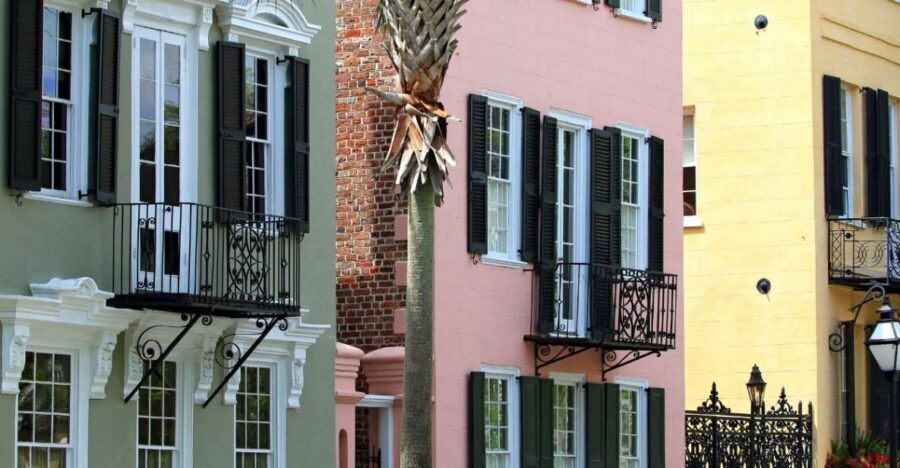
- Rainbow Row: Pastel Houses With the Story Behind the Paint
- Anne Bonny’s Charleston and the Pirate Thread Through Town
- The Charleston Wall and Why the Setting Matters
- Standing at the Only Surviving Slave Auction House Gate
- William Washington: A Revolutionary War Thread You Might Miss Elsewhere
- Photo Stops, Time, and How to Get the Most From 2 Hours
- What This Tour Feels Like: Stories You Can Follow on Foot
- Price and Value for $32
- Who Should Book This Patriots and Pirates Walking Tour
- Should You Book Charleston Unchained: Patriots and Pirates?
- FAQ
- Where is the meeting point?
- How long is the walking tour?
- How much does the tour cost?
- Do I need to worry about rain?
- Is there an express security check?
- What language is the tour guide?
- What should I bring?
- Are video recordings allowed?
- Is the tour cancellable?
- Can I book now and pay later?
Key Highlights Worth Planning For
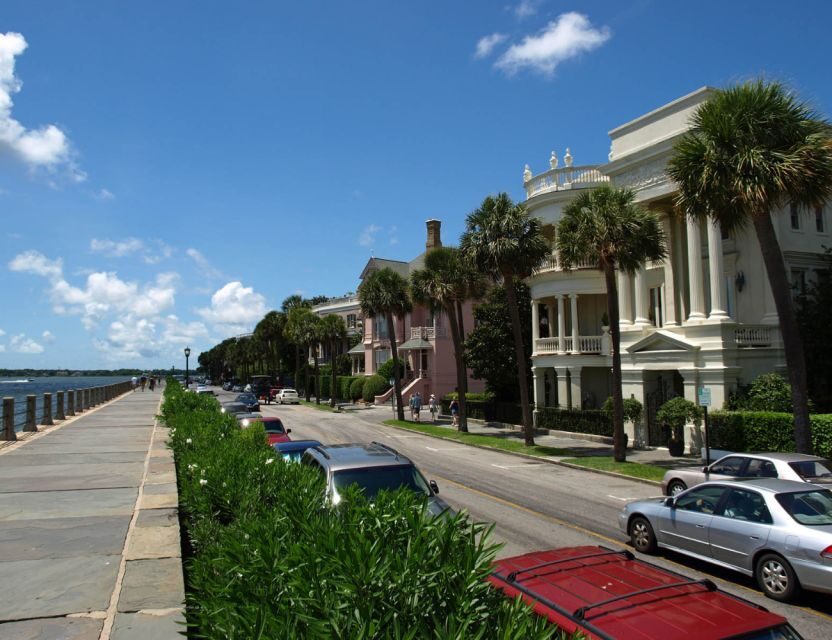
- The Battery first, not last: you start at White Point Park, where Blackbeard captured and robbed nine ships during a week-long blockade.
- Rainbow Row with a purpose: you hear what each pastel house is tied to, not just a photo stop.
- Pirates tied to Charleston’s streets: you follow stories of Anne Bonny and also the “Gentleman Pirate,” Stede Bonnet.
- The only surviving slave auction house in SC: you stop at the gate and take in what that site meant.
- Revolutionary War crossover: you learn about William Washington, a lesser-known hero connected to what you see on the walk.
- Guides that actually answer questions: both Tim and Tony earned high marks for answering questions and staying on schedule.
Walking Into Charleston’s Contrasts at The Battery
The best part of this tour is how it starts in a place that already feels like a crossroads. You meet at the bandstand or gazebo in the middle of White Point Park, down at The Battery, at 2 Murray Blvd, Charleston, SC 29401. Your guide wears a Junket t-shirt and carries a flag, so you can spot them fast and get moving.
From the first minutes, the tour sets the tone: Charleston’s waterfront and defenses weren’t just scenery. You learn that Blackbeard captured and robbed nine ships during a week-long blockade, and it becomes the lens for everything else you’ll see today. That framing matters because the rest of the walk becomes more than a list of stops; it feels like you’re reading the city.
The group moves at a comfortable pace for a city-center walking experience, but keep your expectations realistic. This is still a 2-hour walk, and the tour is not recommended if you cannot walk more than a mile.
Other walking tours we've reviewed in Charleston


Blackbeard’s Blockade and Getting Oriented Fast
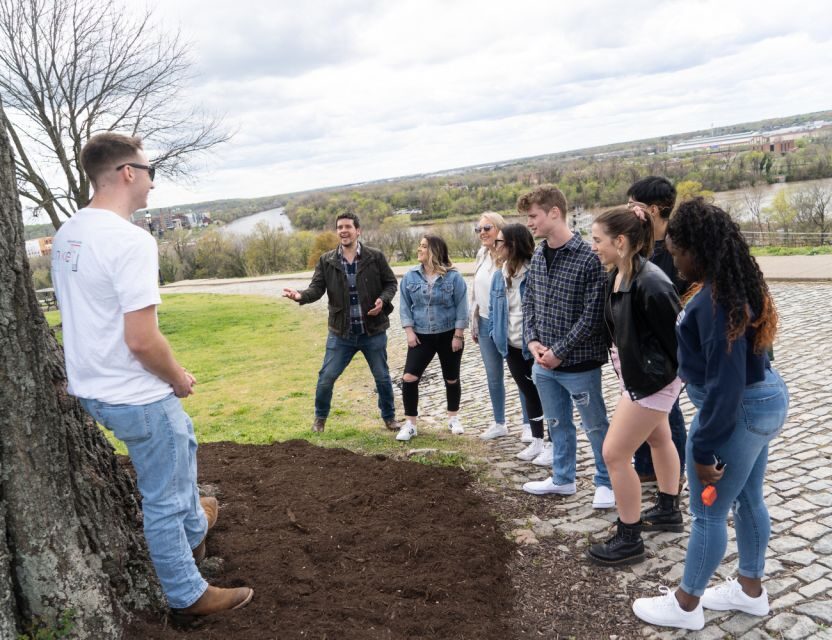
A good historic tour does two things: it makes you see the place more clearly, and it gives you a way to remember it. Starting at The Battery helps with both. As you begin, you get the waterfront context that explains why pirates and privateers had reason to circle Charleston in the first place.
You’ll also feel why this tour is labeled Patriots and Pirates. The city’s story isn’t one lane. It’s war and conflict, trade and opportunity, and human suffering alongside big-name legends.
If you’re the type who likes to ask questions, you’ll appreciate the way the guides handle back-and-forth curiosity. One guest highlighted Tim’s habit of taking time to answer questions and keep the walk on schedule, and that approach really helps when the stories get specific.
Rainbow Row: Pastel Houses With the Story Behind the Paint
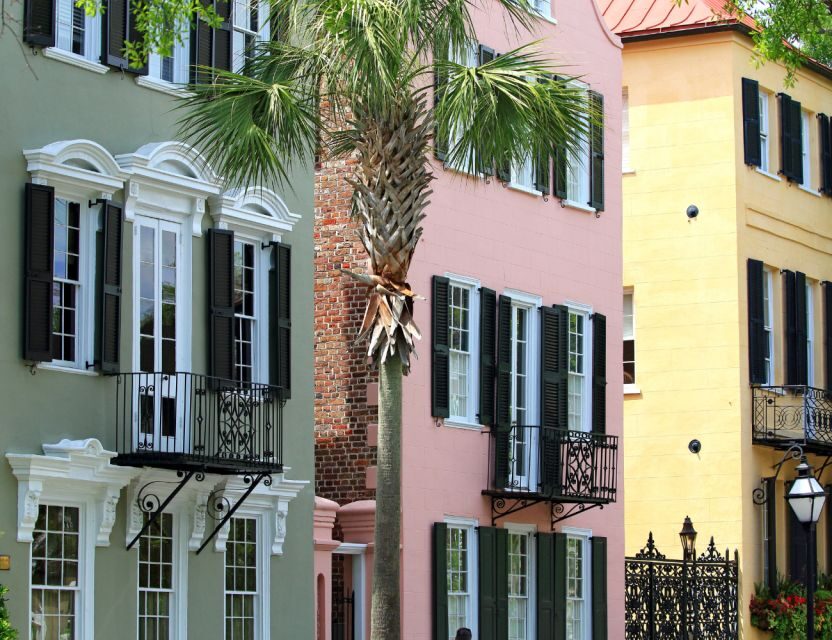
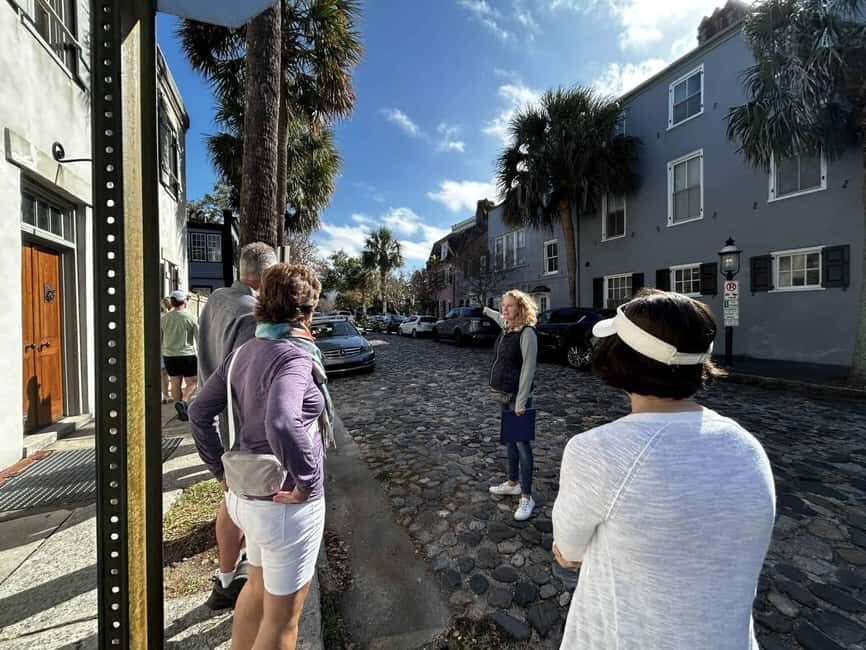
Rainbow Row is the stop people come for first, usually for the photos. Here, you get the extra layer that makes it stick: the meaning behind each pastel house. Your guide helps you connect the homes and monuments in this area to the events that shaped Charleston over centuries.
What I like about this part is the balance. You don’t just get romantic descriptions, and you don’t get a dry lecture either. You get enough detail to make you look differently at the buildings you’ve probably seen in postcards.
You’ll also get the practical benefit of knowing what to look for while you’re there. Instead of snapping a picture and moving on, you’ll walk with a mental checklist: what this place represents, why it matters, and how it ties back to the broader Charleston story you’re building as you go.
Anne Bonny’s Charleston and the Pirate Thread Through Town
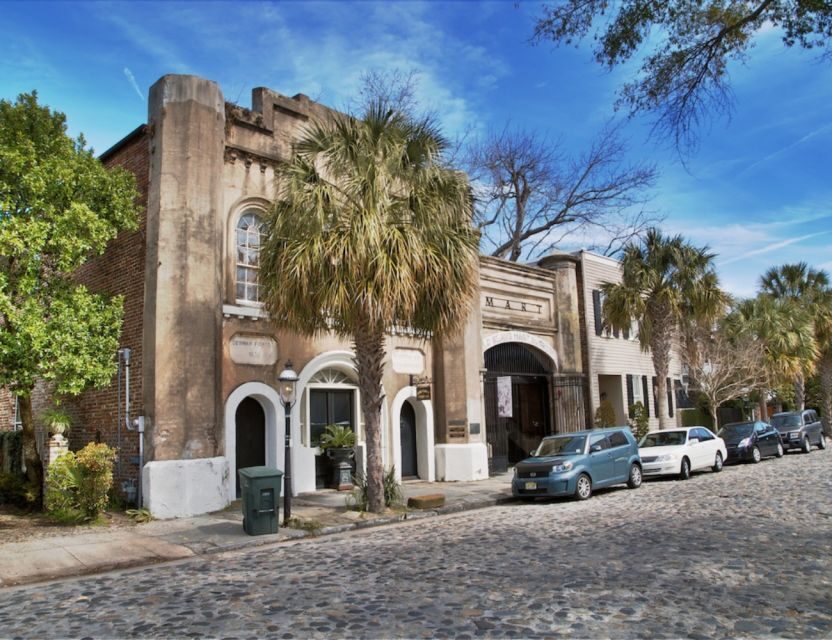
Then the tour leans hard into piracy, and it does it in a way that stays grounded in specific places. You travel back to the 18th century and hear about Anne Bonny, described in this tour as ruling the seas. The point is not to turn Charleston into fantasy. It’s to show how pirates were woven into the city’s real-world pressure points.
You’ll also visit the Stede Bonnet monument, where the “Gentleman Pirate” was executed. That stop changes the mood, because it reminds you that piracy wasn’t a game. It had consequences, and Charleston was part of that enforcement story.
One of the more interesting personal touches you may get from your guide is the way pirates in Charleston connect outward. A guest who took Tim noted that he linked Charleston pirate stories to Nassau’s notorious pirates. Even if Nassau doesn’t mean much to you yet, this kind of connection helps you understand piracy as a network, not isolated legends.
The Charleston Wall and Why the Setting Matters
You’ll come across the Charleston Wall during the walk, and this is one of those stops that helps you understand the city’s shape. Walls tell you where power tried to hold, where movement was controlled, and where the city drew boundaries between safe and risky.
Even if you’re not a hardcore architecture person, these moments add something important. They give you spatial context. You start to see how Charleston’s layout could influence who could approach, who could escape, and where conflict would concentrate.
And it’s also a good reminder that a city’s defenses are part of its identity. Pirates didn’t just appear out of nowhere. They moved through geography, timing, and opportunity.




Standing at the Only Surviving Slave Auction House Gate

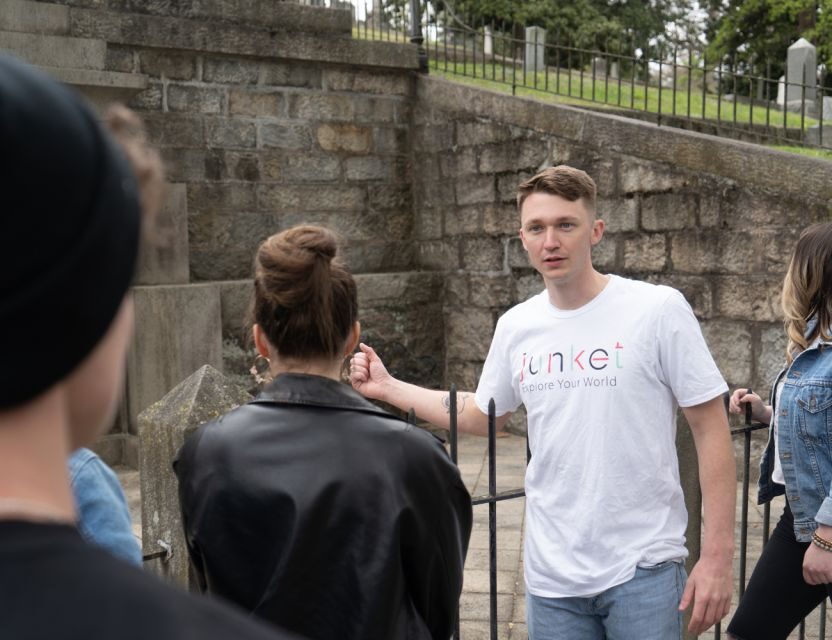
This is the stop that weighs the most. You stand at the gate of the only surviving slave auction house in South Carolina and learn the history behind it. The tour doesn’t try to soften the reality; it asks you to face a key part of Charleston’s past and how the city profited from human bondage.
What makes this stop valuable is the way it changes the balance of the whole walk. Earlier, you’re pulled into tales of pirates and famous names. Here, you’re reminded that the city’s “famous history” is also made of exploitation and violence.
If you want a tour that treats history as something you can’t ignore, this is a strong reason to choose it. You’ll have time to absorb the site with the guide’s context, rather than rushing past it.
William Washington: A Revolutionary War Thread You Might Miss Elsewhere

The tour also brings in William Washington, described as a lesser-known Revolutionary War hero. That matters because Charleston’s story often gets told through the loudest names, while other figures slide into the margins.
In this walk, Washington’s connection gives you a “why this city, why these people” perspective. You’re not just learning facts about individual spots. You’re building a map of motivations: who fought, who benefited, and how events shaped the built environment you’re walking past.
Photo Stops, Time, and How to Get the Most From 2 Hours
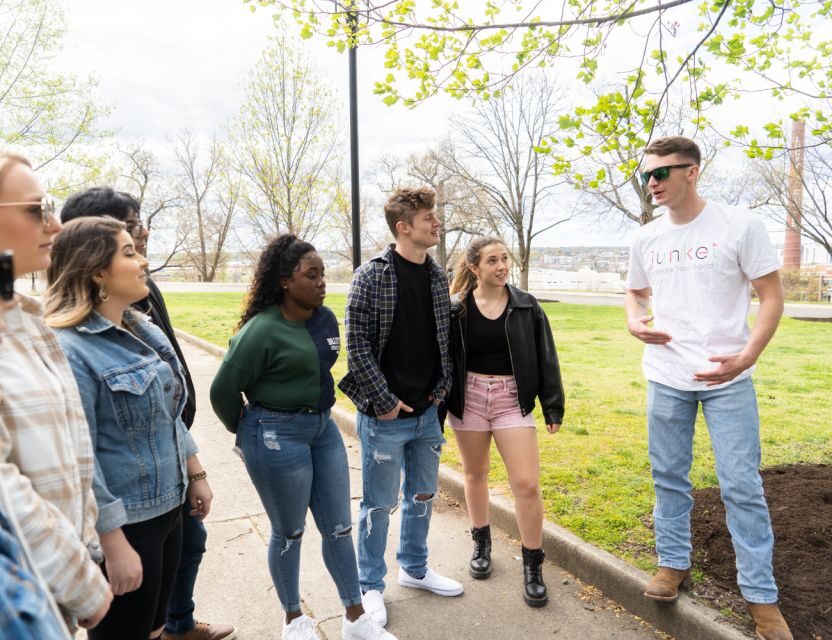
With only 2 hours, you have to be selective with what you do. The tour includes major photo moments like Rainbow Row, but it’s not a pure sightseeing shuffle. You’ll walk from landmark to landmark with story time at each one, so you’ll want to keep your attention on the guide’s explanations as much as the views.
This is also where having a guide who manages timing helps. Tim and Tony both received praise for answering questions and staying mindful with the schedule. That’s practical, because there’s nothing worse than a tour that runs long and turns the final stops into a sprint.
Bring comfortable shoes. Rain or shine means you should dress for the weather and expect you’ll still be outside for the whole walk.
What This Tour Feels Like: Stories You Can Follow on Foot
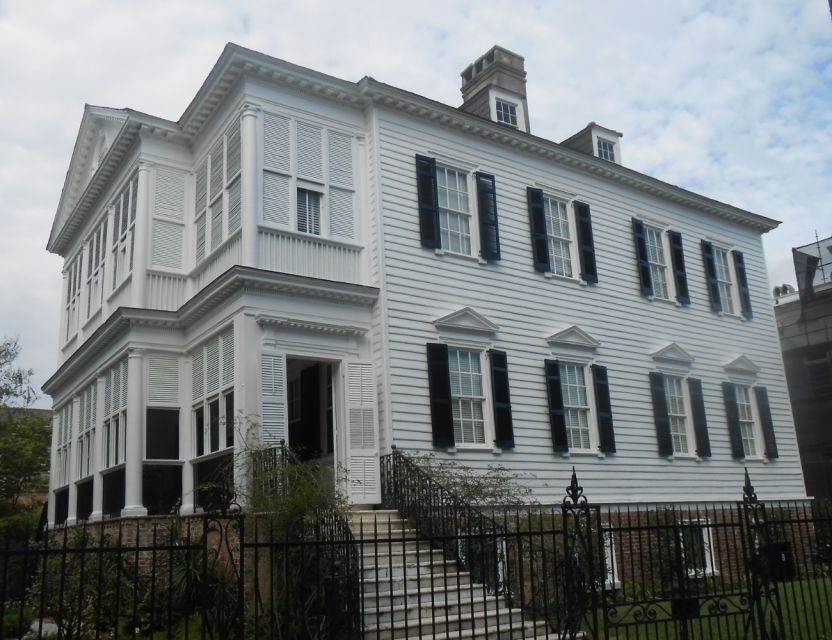
The overall effect is that you leave with an easier relationship to Charleston. The city stops being a collection of pretty buildings and starts acting like a timeline you can trace. You’ll connect The Battery, Rainbow Row, the Charleston Wall, the pirate monument sites, and the auction house into one coherent story.
It also helps that the tour has both lighter legend and heavier reality in the same route. Pirates can make you smile, but the auction house brings you back to the truth of what shaped the city. That mix is not for everyone, but if you want a tour that doesn’t avoid the hard parts, it’s a strong fit.
Price and Value for $32
At $32 per person for a 2-hour guided walking tour, the value depends on what you want from your time in Charleston. If you’d rather spend money on a guide to make the city’s stories make sense, this is a fair price. You get a guided experience built around major landmarks tied to pirates, revolution, and slavery, rather than a generic route.
What you are paying for is interpretation: a human who can answer your questions and connect each stop to the larger story. Both Tony and Tim were specifically praised for that, including the way Tim encouraged questions and tied pirate narratives to wider settings.
So if your ideal day includes learning while you walk, you’ll likely feel this price is justified. If you mostly want a casual stroll with no history and no explanations, $32 might feel like overkill.
Who Should Book This Patriots and Pirates Walking Tour
I’d point you toward this tour if you:
- want Charleston history that mixes pirates, revolution, and the hard parts
- enjoy guided storytelling more than reading plaques on your own
- like tours where you can ask questions and actually get answers
I’d think twice if you:
- cannot walk more than a mile
- need a low-effort experience with minimal walking
Also, pay attention to the tour’s movement limits. The details say it is not recommended for people who cannot walk more than a mile. At the same time, it is described as wheelchair accessible. If you have mobility concerns, you should confirm what that means for your specific needs before you go.
Should You Book Charleston Unchained: Patriots and Pirates?
Book it if you want a guided route that turns famous Charleston landmarks into a story you can remember. The start at The Battery with Blackbeard’s blockade sets a strong narrative hook, Rainbow Row gets explained instead of ignored, and the gate at the only surviving slave auction house in South Carolina ensures the tour doesn’t shy away from reality.
Skip it if walking more than a mile is hard for you, or if you prefer history that avoids heavy topics. In a city like Charleston, a tour like this is a choice: it trades easy sightseeing for meaning, and that trade is worth it for the right traveler.
FAQ
Where is the meeting point?
You meet your guide at the bandstand or gazebo in the middle of White Point Park, down at The Battery, at 2 Murray Blvd, Charleston, SC 29401.
How long is the walking tour?
The tour lasts 2 hours.
How much does the tour cost?
The price is $32 per person.
Do I need to worry about rain?
Yes, the tour takes place rain or shine.
Is there an express security check?
The tour includes skip the line through an express security check.
What language is the tour guide?
The tour is offered in English.
What should I bring?
Bring comfortable shoes and weather-appropriate clothing.
Are video recordings allowed?
No. Video recording is not allowed.
Is the tour cancellable?
You can cancel up to 24 hours in advance for a full refund.
Can I book now and pay later?
Yes. There is a reserve now & pay later option, where you book your spot and pay nothing today.