REVIEW · CHARLESTON
Savor the Flavors of Charleston Walking Food Tour
Book on Viator →Operated by Bulldog Tours · Bookable on Viator
Charleston smells like history and food, fast. This small-group walking tour links Lowcountry staples to the streets you’re standing on, from stone-ground grits to pralines. You’ll get a local guide who turns dinner-table favorites into real context as you move through the French Quarter and the City Market area.
I like the way this tour gives you a serious spread without turning it into a marathon. You’ll also see the practical side of Charleston—meeting at Bulldog Tours, then sampling around key food stops. One thing to consider: the tastings can include items that may not hit the mark for everyone, like a chicken-and-biscuit bite that came out salty for one guest, so keep your expectations flexible.
In This Review
- Quick Reasons This Charleston Food Walk Works
- Entering Charleston Through Food, Not Maps
- Price and What $110.50 Buys You in Real Terms
- Starting at Bulldog Tours: Why the Meeting Point Matters
- Stop One: Bulldog Tours and the Local-Guide Advantage
- Charleston City Market: A Four-Block Time Machine for Food
- The French Quarter Walk: Where the Tastings Actually Fit
- Food Tastings: Lowcountry Classics You Should Expect (and One Honest Caution)
- How Guides Turn Bites Into Stories (Diane, Jade, Andrew, Faith, Fran)
- Walking Tour Pacing: Easy on Your Feet, Heavy on Your Stomach
- Who This Charleston Food Tour Is Best For
- Practical Tips Before You Go
- Should You Book This Charleston Walking Food Tour?
- FAQ
- How long is the Savor the Flavors of Charleston Walking Food Tour?
- How much does the tour cost?
- What’s the group size limit?
- What’s included in the ticket price?
- Is alcohol included?
- Where do I meet the tour?
- What should I do before the tour starts?
- What happens if the weather is bad?
- Is there a cancellation deadline for a refund?
Quick Reasons This Charleston Food Walk Works
- Small group (max 12), so you can ask questions and actually hear the guide.
- Food tastings plus history, not just a snack parade.
- French Quarter walking, with famous dining landmarks along the way.
- City Market as a food-and-supply hub, not just a photo stop.
- Many guides get praised by name (Diane, Jade, Andrew, Faith, Fran), which usually means better pacing and better stories.
Entering Charleston Through Food, Not Maps
If you’ve ever wandered Charleston with a hungry stomach, you know the problem. The city is beautiful, but food can feel random—one great place, then five you’re not sure about. This tour helps you connect the dots by using food as the guide to the guidebook.
Charleston’s Lowcountry cuisine isn’t only about taste. It’s about geography, trade, and local traditions that show up in everyday ingredients. That’s why stone-ground grits, collard greens, and the usual barbecue suspects matter here. They’re not just menu items; they’re part of how people ate through the Lowcountry seasons.
I also like the small-group setup. With a max of 12 people, you’re less likely to get swept along like luggage. You’ll have room to stop, listen, and ask, which is a big deal when the guide is explaining what you’re actually tasting.
Other walking tours we've reviewed in Charleston


Price and What $110.50 Buys You in Real Terms
At $110.50 per person for about 2 hours 30 minutes, this isn’t a “quick bite” activity. It’s closer to a guided food outing that tries to replace a chunk of your day’s eating plans. The value comes from three things that are explicitly included: a local professional guide, food tastings, and bottled water.
Also, alcohol isn’t included. That keeps the pricing more predictable, and it helps you plan around water and walking instead of budgeting for cocktails. If you want beer or wine, you’ll buy it separately at the places that offer it.
Here’s the practical math that matters on a walking tour: you pay for time, direction, and multiple tastings in a compact route. Many people leave saying they weren’t hungry for dinner afterward. That’s the best sign of value—when the tour actually feeds you, not just “teases” you.
One more timing note: this tour is booked about 20 days in advance on average. If your dates are fixed, don’t wait for the last minute and hope.
Starting at Bulldog Tours: Why the Meeting Point Matters
You meet at 18 Anson St, the Charleston headquarters for Bulldog Tours, which runs a mix of history, food, pub, and ghost tours. That matters because it signals the tour company is built around guiding you through the city, not just dropping you at restaurants.
In the first part, you’ll get oriented before the walking ramps up. Even if you’ve been to Charleston before, it helps to have someone set expectations for what you’re about to see and eat. A lot of the “wow” comes from small transitions—why a dish exists, what a market building does, and how a neighborhood’s past shapes what you taste today.
I like that the pacing is described as leisurely, and you’re asked to arrive about 15 minutes early. On a walking tour, that buffer is where the experience stays relaxed instead of rushed.
Stop One: Bulldog Tours and the Local-Guide Advantage
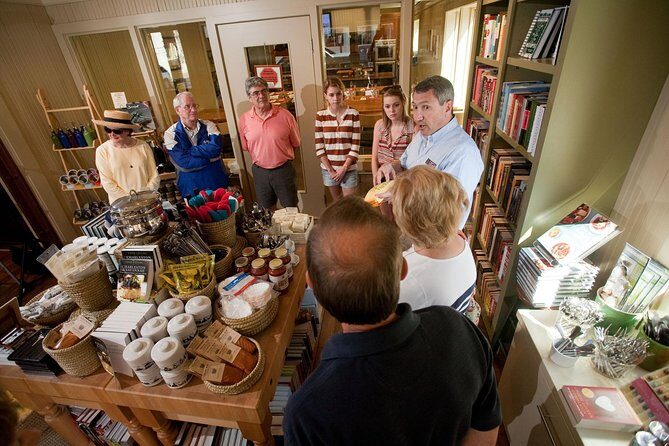
The Bulldog Tours area isn’t just a starting address. It’s the vibe-check. Guides here tend to blend city knowledge with food storytelling, because that’s the whole business model. And in this particular tour, the food is the curriculum.
Several guides get high marks by name—Diane, Jade, Andrew, Faith, and Fran show up repeatedly in guest praise. The common thread is how they tie what you’re tasting to Charleston’s food patterns and the streets you’ll be walking.
This matters because “tasting” becomes fun when you understand the basics. Why stone-ground grits taste different from instant. Why spices show up where they do. Or why certain recipes cling to tradition.
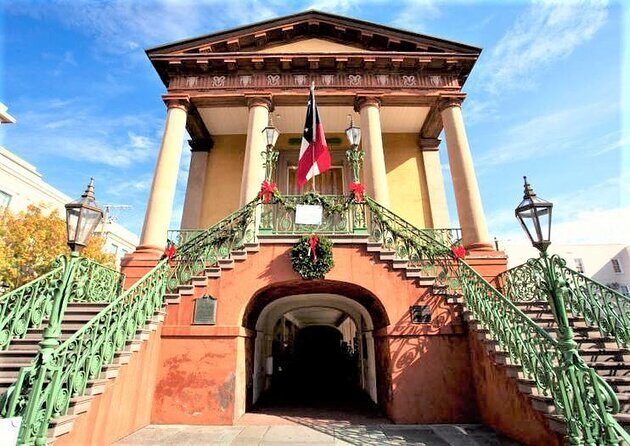
Charleston City Market: A Four-Block Time Machine for Food
Next you head to Charleston City Market, a landmark that dates back to the early 1800s. It’s a four-block area that originally functioned as the city’s grocery store. Today, it’s known for local vendors selling crafts and wares.
This stop is smart because it gives your brain a food supply context. Markets aren’t only for shopping; they’re where communities gathered, where ingredients moved, and where cooking traditions got reinforced. When your guide connects the dots between market life and what ends up on plates—like grits, pralines, or Lowcountry sides—it clicks fast.
Practical tip: City Market is a great place for your eyes to adjust from “street view” to “where the local goods live.” If you’re prone to getting overwhelmed in tourist areas, this is a helpful reset before the walking deepens into the French Quarter.
Other food & drink experiences in Charleston


The French Quarter Walk: Where the Tastings Actually Fit
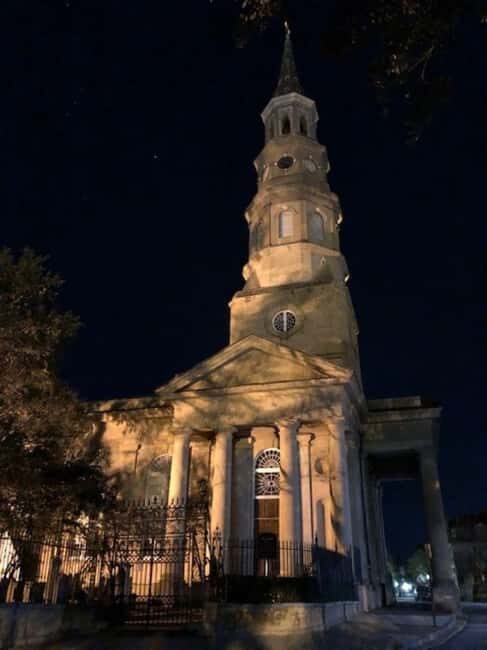
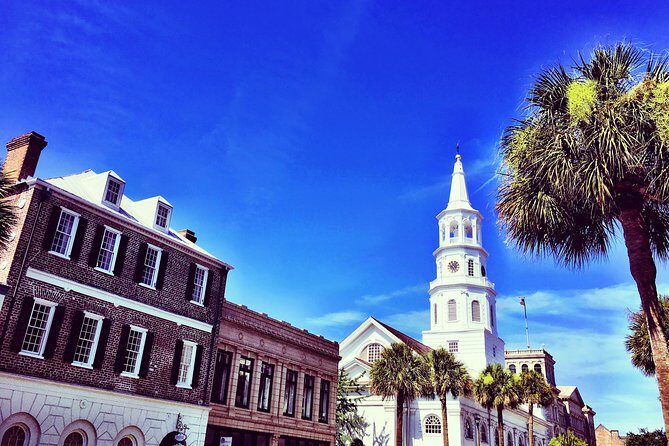
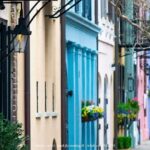
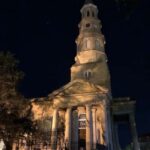
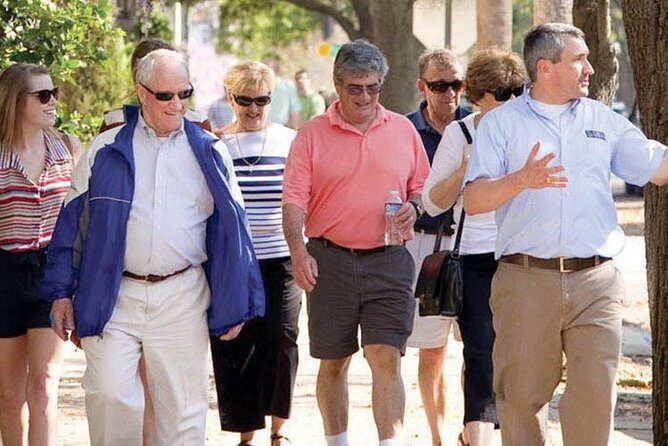
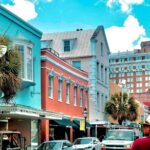
The heart of the tour is the French Quarter, Charleston’s oldest neighborhood. It’s known for historic homes and churches, and it also lines up with some of the city’s famous restaurants. That’s why this tour works so well here: you’re tasting and sight-seeing with one storyline.
The tour spends roughly two hours in this area, which gives your guide time to connect neighborhood changes to food culture without feeling like a sprint. You don’t just stand still and get facts. You walk, you pause, and the guide uses the route to explain how Charleston’s food scene evolved.
One of the smartest things about a walking route through the French Quarter is that you start seeing patterns. Certain storefronts feel like they belong to ingredients and traditions you just learned about. You’ll likely notice how the neighborhood’s layout makes “food stops” feel like part of the stroll, not a break in the middle.
Food Tastings: Lowcountry Classics You Should Expect (and One Honest Caution)
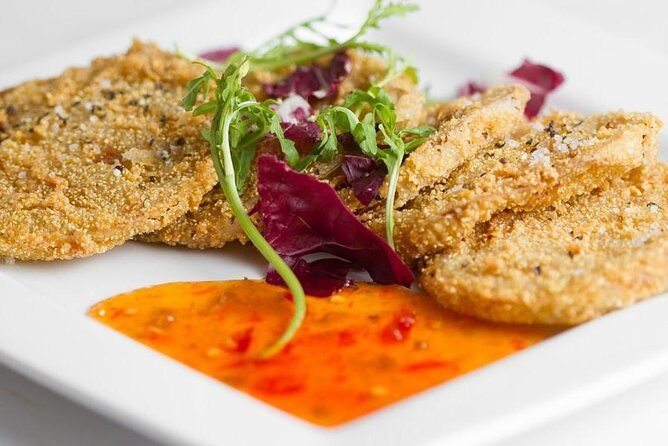
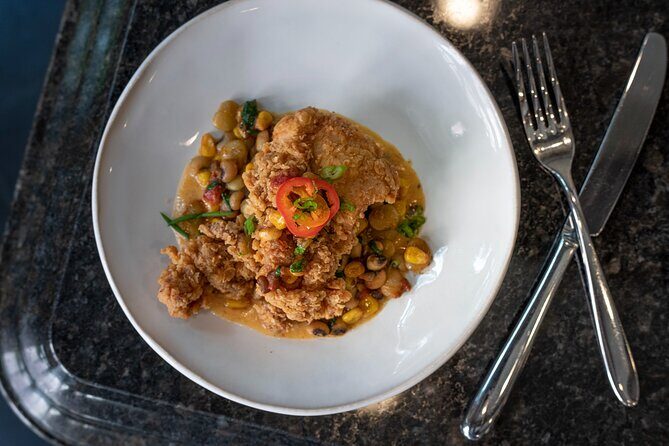
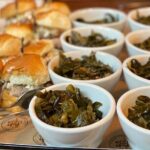
The tastings are built around Charleston and Lowcountry favorites. From the ingredients and dishes highlighted across the tour experience, you can expect a lineup that typically includes items like stone-ground grits, benne wafers, South Carolina barbecue, pralines, and classic sides such as collard greens.
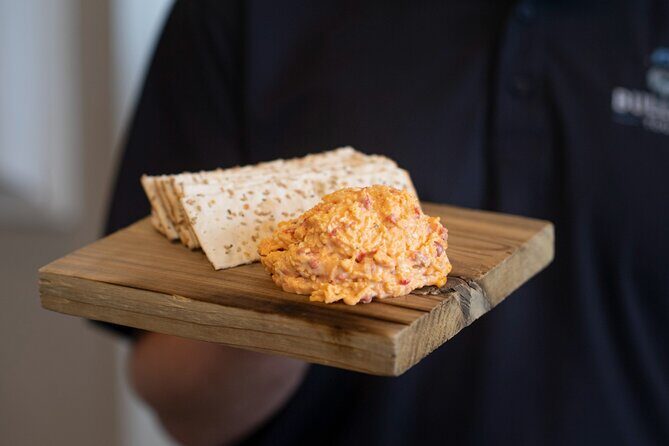
A bunch of additional bites also come up in guide-led tastings: hand pies, hush puppies, pimento cheese, and seafood-focused dishes like shrimp and grits or she-crab soup. You may also see pork sliders and spice tasting. The exact menu can vary, but the theme stays consistent—Lowcountry cooking in recognizable forms.
Here’s the honest consideration: not every dish will land for everyone. One guest noted the chicken and biscuit they expected felt off because it was too salty, and another mentioned hoping for more seafood. That doesn’t mean the tour is bad. It means you should think of it as a guided sampling of a culinary region, not a seafood-only buffet.
If you love variety, you’ll enjoy this structure. If you have one strict “no” food, you should keep that in mind and ask about options when you book (the tour info doesn’t list dietary handling details, so don’t assume).
How Guides Turn Bites Into Stories (Diane, Jade, Andrew, Faith, Fran)
The guides are a huge part of the experience. Multiple guests praised Diane, including a comment about how she tied Charleston history to the food being sampled. Jade gets strong mentions for sharing a lot of food history and mixing it with the streets around you. Andrew is repeatedly described as entertaining and well-informed, which matters because good storytelling keeps the walking sections lively.
Faith and Fran also show up in top feedback. Guests specifically liked how they connected Charleston traditions to the dishes you try. That’s not just “extra.” It changes how you remember what you ate.
You’ll also notice that the best guides invite questions. One guest shared that the guide was open to questions and even shared recipes. That’s where tours feel personal instead of scripted.
Walking Tour Pacing: Easy on Your Feet, Heavy on Your Stomach
This tour is designed to be leisurely, and the route length is kept reasonable for the time window. You’re not doing a long-distance hike. Still, you will walk between multiple stops, and you’ll eat multiple bites.
A key takeaway from the pace feedback: some people felt there was a lot of food at each restaurant stop on a very hot day. Their suggestion was essentially smaller portions or tighter clustering. That’s useful for you because Charleston weather can be intense, and a full tasting schedule plus heat can feel like a lot.
So plan like a grown-up: wear comfortable shoes, bring water when possible, and don’t schedule a huge dinner right afterward if you’re sensitive to heavy meals.
Who This Charleston Food Tour Is Best For
This tour is a great fit if you want two things at once: food you can trust and a guided path through the neighborhoods that make Charleston feel like Charleston. It’s especially good for first-timers who don’t want to research 10 restaurants on day one.
It’s also a nice option for couples and small groups. The max 12 traveler limit helps the guide keep things moving while still answering questions. For families, the leisurely pace can work well, though kids who are picky about specific foods may need extra care based on the tasting mix.
If you’re a foodie who likes context—why ingredients matter—you’ll probably enjoy the emphasis on culinary history. If you simply want the “best places to eat,” you might prefer a more restaurant-focused itinerary. But if you want a sampler that teaches as it feeds you, this is built for that.
Practical Tips Before You Go
A couple of things make the day smoother:
- Wear shoes you can walk in for a couple hours without thinking about it.
- Expect enough food that you may skip or shrink dinner afterward.
- If you love seafood, keep in mind the menu can include more than one type of protein.
- If you’re heat-sensitive, treat the day like it might be warm. You’ll be outside walking.
Also, you’ll receive a confirmation at booking, and the tour uses a mobile ticket. That’s helpful because it cuts down on printing and paperwork. Service animals are allowed, and the meeting area is near public transportation.
Should You Book This Charleston Walking Food Tour?
Yes, I think you should book it if you want a guided, small-group way to understand Charleston through Lowcountry classics. The strongest argument is simple: you get tastings plus a guide story, and the experience is widely praised for both the food and the explanations.
I’d hesitate only if you’re extremely selective about what you eat, or if you want a very light snack experience. This is built to fill you up. If you’re going on a very hot day or you’re prone to feeling overwhelmed by lots of food while walking, it may help to plan your day around this as a central meal.
If your goal is to see the French Quarter on foot and come away with a clearer sense of Charleston’s food culture, this is a solid choice—one you can feel good about spending your time and money on.
FAQ
How long is the Savor the Flavors of Charleston Walking Food Tour?
It runs for about 2 hours 30 minutes.
How much does the tour cost?
The price is $110.50 per person.
What’s the group size limit?
The tour has a maximum of 12 travelers.
What’s included in the ticket price?
Included are a local professional guide, food tastings, and bottled water.
Is alcohol included?
No. Alcoholic drinks are not included, though you can purchase them.
Where do I meet the tour?
The start point is 18 Anson St, Charleston, SC 29401, USA, and the tour ends on Market Street (Market St, Charleston, SC 29401, USA).
What should I do before the tour starts?
You should arrive 15 minutes before the start time.
What happens if the weather is bad?
This experience requires good weather. If it’s canceled due to poor weather, you’ll be offered a different date or a full refund.
Is there a cancellation deadline for a refund?
You can cancel for a full refund up to 24 hours before the experience’s start time. If you cancel less than 24 hours before, the amount you paid will not be refunded.