REVIEW · CHARLESTON
Undiscovered Charleston: Half Day Food, Wine & History Tour with Cooking Class
Book on Viator →Operated by Undiscovered Charleston · Bookable on Viator
Food history in Charleston tastes a whole lot better.
This half-day tour pairs a 90-minute historic walking route with Chef Forrest Parker, then finishes with a cooking demonstration and a sit-down lunch. You’ll connect the dots between the city’s story and the flavors of the Lowcountry in a way that feels practical, funny, and easy to follow.
I love two things most: first, you’re guided to major landmarks like Waterfront Park and Rainbow Row, but you also hear the less obvious food stories that most quick tours skip. Second, you leave the table with printed recipes, so it’s not just a meal—it’s something you can recreate later.
One thing to consider: this is an adults-focused experience, with wine included, so plan on 21+ unless an older teenager is traveling with a parent.
In This Review
- Key things you should know before you go
- Chef Forrest Parker turns Charleston’s food past into a real afternoon
- The morning start at Pineapple Fountain: where you’ll meet and what timing feels like
- Waterfront Park to Rainbow Row: the walk that balances big sights and off-the-map stories
- From the historic district to the cozy bistro: how the cooking class actually works
- Three courses and wine pairings at Bistro au Vin
- Take-home recipes: the part that makes the tour last past the last bite
- Price and value: what you’re really paying for on this half-day
- Who this tour is best for (and who should think twice)
- Allergy, diet, and the reality of food handling
- Practical tips to make your 9:00 am start feel easy
- Should you book Undiscovered Charleston with Chef Forrest Parker?
- FAQ
- How long is the tour?
- Where does the tour start and end?
- What are the main parts of the experience?
- What stops are included during the walking portion?
- Is the tour good for people who prefer not to drink wine?
- What drinks are included with lunch?
- Is there an age requirement?
- How big is the group?
- Can the tour accommodate dietary restrictions or allergies?
- What happens if the weather is bad?
Key things you should know before you go
- Small group feel (max 11 people) keeps the walk interactive and the lunch relaxed.
- Chef Forrest Parker leads the whole experience, blending Charleston history with Lowcountry cooking.
- Built-in tastings with wine pairings from Bistro au Vin, plus sweet tea or filtered water if you skip wine.
- You’ll get copies of the recipes so you can cook from your notes, not just your memory.
- A moderate walking pace through Charleston’s historic streets means comfy shoes matter.
- Weather matters, since the tour requires good conditions to run as planned.
Chef Forrest Parker turns Charleston’s food past into a real afternoon
Charleston is famous for food, but most “food tours” stop at tasting. This one goes further in the best way: it ties what you eat to why it exists.
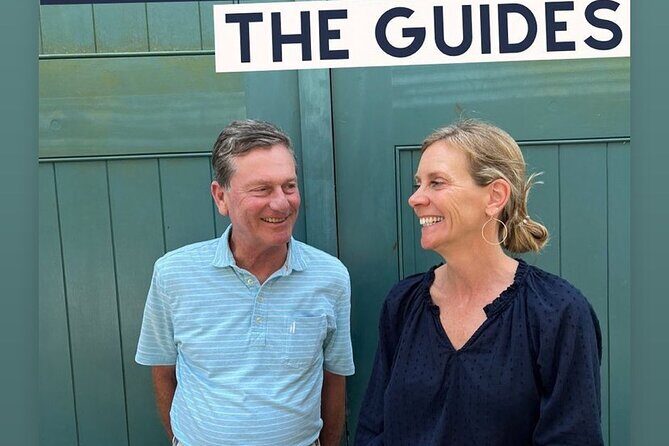
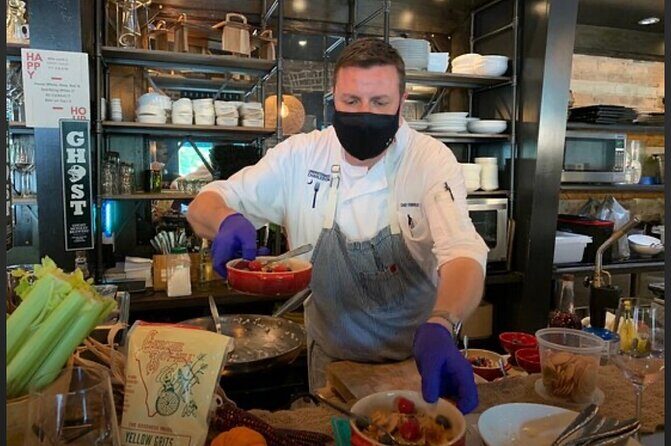
Chef Forrest Parker’s style is part historian, part teacher, and part entertainer. On the walk, you don’t just get facts. You get context—how ingredients, labor, trade, and migration shaped the Lowcountry flavors you’ll recognize in modern menus. Then the day shifts to the kitchen, where you watch him interpret those classics and explain the techniques behind the dishes.
If you care about food that has a story, you’ll like how smoothly the tour connects the two halves. One moment you’re learning how Charleston’s past influenced cuisine; the next you’re sitting down to a three-course lunch built from heritage Lowcountry ingredients. It’s a simple structure, and it works.
Other food & drink experiences in Charleston
The morning start at Pineapple Fountain: where you’ll meet and what timing feels like
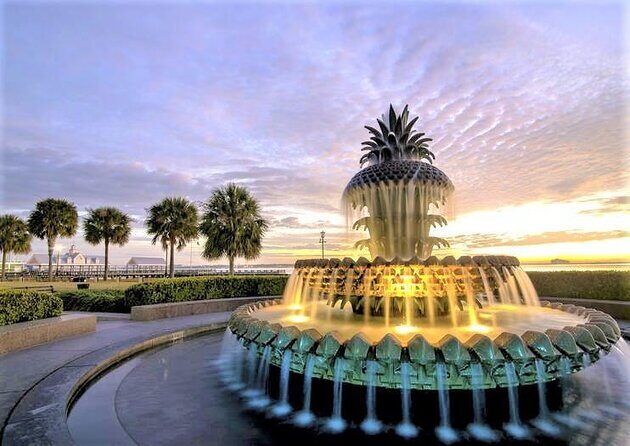
Your tour starts at Pineapple Fountain, 1 Vendue Range, Charleston, SC 29401. The start time is listed as 9:00 am, and the full experience runs about 4 hours.
The setup is straightforward: you’ll get a mobile ticket, and the tour begins as a walking experience through Charleston’s historic district. Because the day is chef-led and small-group, it tends to feel like you’re hanging out with someone who really knows the place—not like you’re being rushed through a checklist.
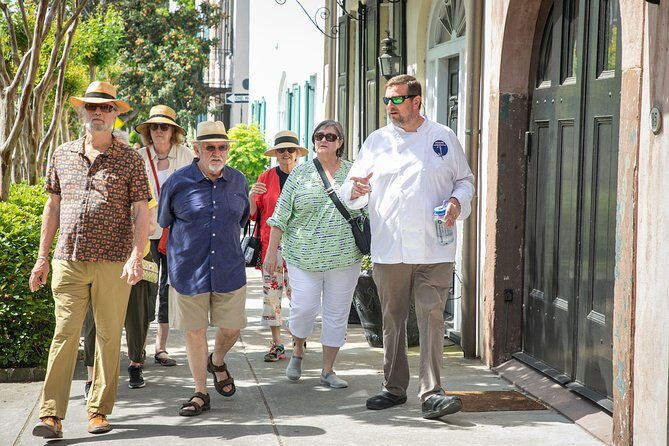
Practical tip: wear shoes that can handle uneven sidewalks. The route is described as a walking tour with a moderate physical fitness level requirement. That doesn’t mean you need to be an athlete, but you should plan to walk for about 90 minutes during the historic portion.
Waterfront Park to Rainbow Row: the walk that balances big sights and off-the-map stories
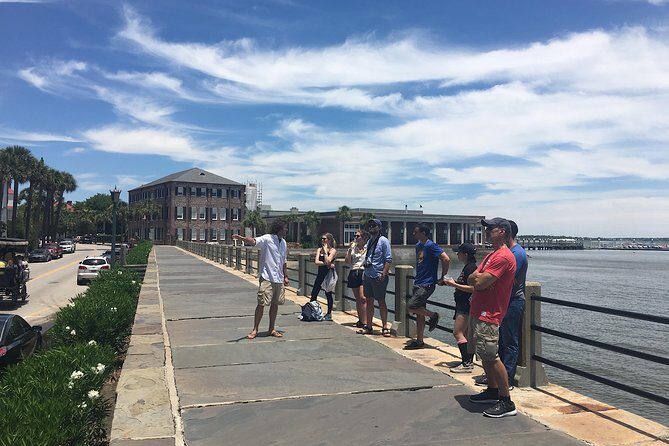
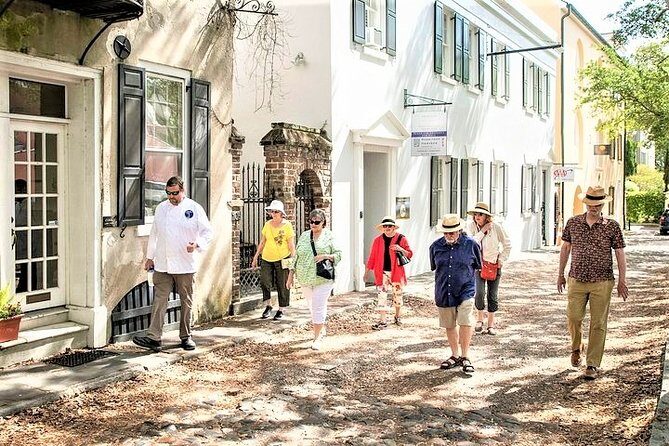
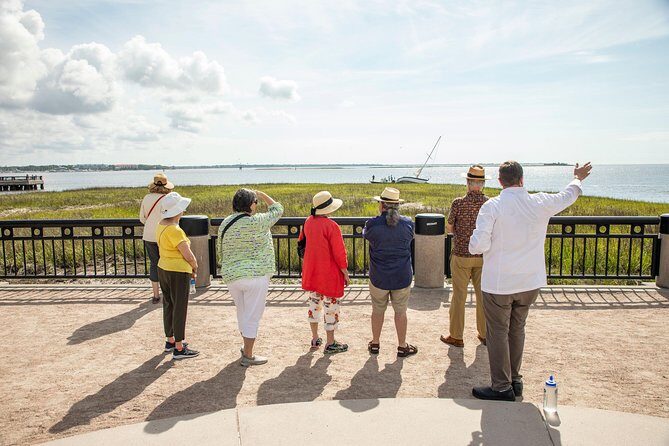
The walking portion is about 90 minutes, and it’s built around learning Charleston through food history. You’ll start with stops that anchor you in the city’s visual identity—then you’ll go to the places that explain how the food culture grew.
Two named stops are:
- Stop 1: Charleston Waterfront Park
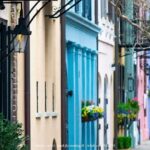
- Stop 2: Rainbow Row
Waterfront Park gives you that unmistakable Charleston setting, the kind of place that helps you understand why the city became a food crossroads. Rainbow Row does the same job in a different way: it’s a landmark, yes, but it also works as a backdrop for stories about how the city’s development shaped daily life and eating.
What makes this walk feel different is where the stories land. You’ll hear about the culinary influences that shaped Charleston into one of the world’s top food destinations—and you’ll also get the harder, real parts of that history, including details tied to how recipes evolved over time. One of the most memorable tour reviews also points to the fact that you’ll see lesser-known streets with stories, not just the usual postcard route.
If you want a walking tour that doesn’t feel like homework, this is the type that keeps momentum by using food as the guide.
From the historic district to the cozy bistro: how the cooking class actually works
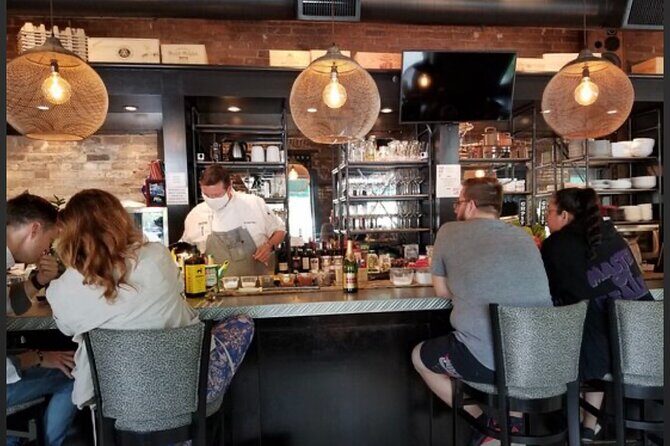
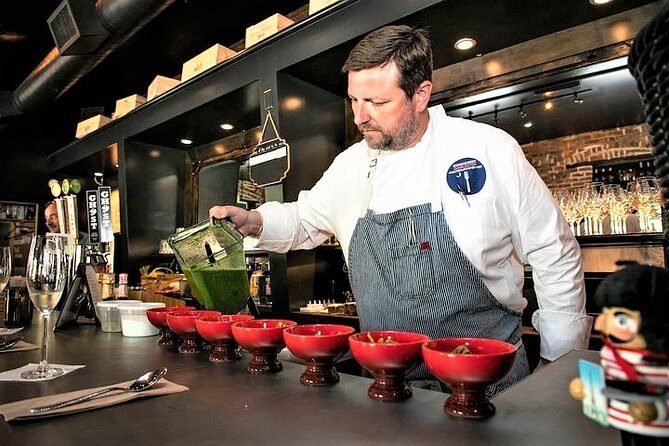
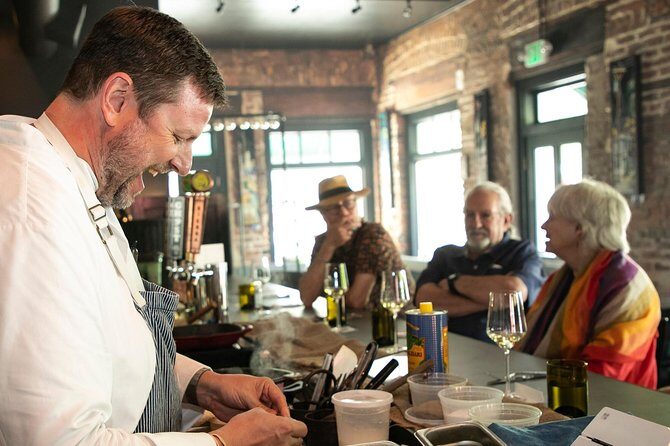
After the walk, the experience ends at a cozy bistro where Chef Forrest demonstrates how to prepare his recipes. This is not a lecture where you just sit and hope you remember everything. It’s a cooking demonstration with explanations, and it’s designed to land you at the table right after.
The tour description is very clear that the kitchen portion focuses on interpreting Lowcountry classics using techniques he mastered over two decades. That matters because it turns the meal into something you can understand—even if you don’t cook every day.
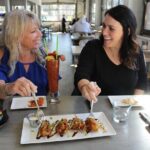
A small but important detail: you’re watching the recipes being prepared, then you eat a three-course tasting. You’re not guessing how to apply what you saw. You can taste it, connect it to the lesson, and then take the written recipes home.
Also, be aware the day may not always run in exactly the same order if conditions change. One account includes an example where weather pushed the order around, with lunch coming first and the walk happening after skies cleared. So if you’re sensitive to strict timing, just know there can be flexibility.
Three courses and wine pairings at Bistro au Vin
Lunch is served as a three-course tasting paired with wine tasting pours. The wine pairings are provided by Bistro au Vin, and the tour notes that additional wine is available for purchase on consumption.
This matters for value and comfort. You get alcohol pairing included through the tasting pours, so you can treat it like an all-in culinary lesson. And if you decide you want more after that, it’s there—without the whole experience being built around ordering more.
If you don’t want wine, you’re not stuck. The tour lists coffee and/or tea, along with Charleston sweet tea and filtered water for those who do not wish to have wine.
One practical note from the experience setup: because wine is part of the structure, the tour also comes with an age rule (more on that below). If you’re traveling with mixed ages, plan ahead.
If you're still narrowing it down, here are other tours in Charleston we've reviewed


Take-home recipes: the part that makes the tour last past the last bite
This tour doesn’t end when you stand up from lunch. Each guest leaves with copies of Chef Forrest Parker’s recipes.
In plain terms, that’s what separates a great food tour from a forgettable one. A guided tasting can be fun, but printed recipes are what help you repeat the experience later, when you’re back home and you’re trying to recreate the flavors without guessing.
The best version of this is how the recipes are tied to what you learn. You watch the cooking demonstration, you taste the courses, then you take the recipe notes. That makes it much easier to understand what to change—and what not to change—when you cook on your own.
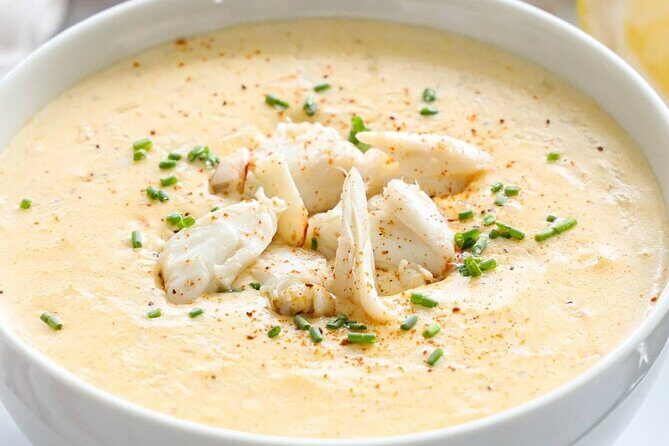
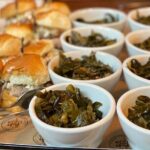
Some past dishes mentioned in the experience include favorites like shrimp and grits and a standout gazpacho, but you should treat specific dishes as examples of the style rather than a guaranteed menu.
Price and value: what you’re really paying for on this half-day
There’s no single “cheap” way to do a chef-led cooking class plus a guided walking tour. So instead of asking whether it’s good value in theory, I look at what you actually receive.
Here’s what’s included in a way that adds up:
- a 90-minute chef-led walking tour through the historic district
- a cooking demonstration by Chef Forrest Parker
- a three-course lunch tasting with wine pairings
- recipe copies to take home
- coffee/tea and sweet tea or filtered water if you skip wine
And because the group is capped at 11 travelers, the experience doesn’t feel like a cattle-line food event. You get more time for questions and more direct interaction at the bistro portion.
That combination is why many people call it a highlight. You get both education and food, and you walk away with something tangible—recipes—that most tours don’t provide.
Who this tour is best for (and who should think twice)
This works best for you if:
- you like your travel experiences to include both history and food
- you want a small-group experience rather than a huge bus-tour vibe
- you enjoy learning techniques, not only tasting
- you like leaving with a practical souvenir (the recipe copies)
It may be less ideal if:
- you want a mostly hands-off walking tour with minimal discussion (this one is interactive)
- you need zero alcohol content in the experience, since wine tasting pours are part of the pairing setup (though coffee/tea alternatives are available)
- you’re not comfortable with walking for about 90 minutes on uneven historic streets
Allergy, diet, and the reality of food handling
This is one area where you should plan carefully—and the tour gives you the important details up front.
The chef states that he regularly cooks and handles meats, shellfish, eggs, dairy, nuts, and gluten. For reasonable accommodations, you need to inform the provider in advance. The tour description specifically says vegetarians, vegans, pescatarians, dairy allergies, nut allergies, and celiacs are welcome if you’re aware early enough.
Because it’s not a restaurant setting, the note is blunt: if he isn’t aware in advance, he may not be prepared. So if you have allergies or strict dietary needs, message directly as soon as you book.
Practical tips to make your 9:00 am start feel easy
A few small moves can keep the day smooth:
- Bring comfy walking shoes and plan for a moderate walking pace.
- If you’re sensitive to alcohol, pace yourself with the wine pours and use sweet tea or water as needed.
- If weather looks iffy, keep an umbrella handy. The tour requires good weather, and that’s usually why rain can change plans.
- If you’re traveling with food needs, send your details early so the chef can adjust.
One more practical detail: service animals are allowed, and the meeting point is near public transportation, which makes it easier to get there without a car.
Should you book Undiscovered Charleston with Chef Forrest Parker?
Book this if you want a half-day that feels like it belongs to Charleston itself, not a generic food stop. You’ll get a chef-led historic walk, a cooking demonstration, and a three-course Lowcountry lunch with wine pairings—plus recipe copies you can use later. For me, that’s the winning combination: learning plus eating, with a take-home payoff.
Skip it if you’d rather browse Charleston on your own schedule or you need a fully wine-free experience with zero pairing structure. Otherwise, if your idea of a great afternoon includes history you can taste, this is an easy yes.
FAQ
How long is the tour?
The tour runs about 4 hours.
Where does the tour start and end?
It starts at Pineapple Fountain, 1 Vendue Range, Charleston, SC 29401, and it ends back at the meeting point.
What are the main parts of the experience?
You get a 90-minute walking tour of Charleston’s historic district, followed by a cooking demonstration and a three-course tasting lunch with wine pairings.
What stops are included during the walking portion?
The itinerary lists Charleston Waterfront Park and Rainbow Row as stops.
Is the tour good for people who prefer not to drink wine?
Yes. The tour provides coffee and/or tea, along with Charleston sweet tea and filtered water for those who do not wish to have wine.
What drinks are included with lunch?
Wine tasting pours are included, paired with the courses. Additional wine is available for purchase.
Is there an age requirement?
Guests must be 21 or older, with the exception of older teenagers accompanying parents.
How big is the group?
The tour has a maximum of 11 travelers.
Can the tour accommodate dietary restrictions or allergies?
It can accommodate several diets and allergies if you inform the provider in advance, including vegetarians, vegans, pescatarians, dairy allergies, nut allergies, and celiacs. The chef notes that meats, shellfish, eggs, dairy, nuts, and gluten are handled, so advance notice is important.
What happens if the weather is bad?
The experience requires good weather. If it’s canceled due to poor weather, you’ll be offered a different date or a full refund.