REVIEW · CHARLESTON
Drayton Hall: Interpreter Guided Tour, Charleston, SC
Book on GetYourGuide →Operated by Drayton Hall Preservation Trust · Bookable on GetYourGuide
One hour, and the details click. Drayton Hall is the nation’s earliest example of fully executed Palladian architecture, and it’s the oldest preserved plantation house in America still open to the public. That mix of big design history and real, on-site interpretation is what makes this stop worth building into a Charleston day.
I also like how the visit isn’t just a single room-and-then-leave kind of outing. You get a live interpreter-guided house tour for one hour, then you keep exploring at your own pace through the grounds with an audio landscape tour, plus two galleries, a conservation lab, and an 18th-century African-American cemetery. One possible drawback: the way the story is balanced can feel uneven, so if that topic matters to you, go in prepared to watch how the narrative is handled.
Key Points I’d Plan Around
- Fully executed Palladian architecture in a very early American plantation setting
- One-hour live interpreter tour to help you connect what you’re seeing
- Hands-on feeling of ongoing work, including an active archaeological site and a conservation lab
- Extra context stops beyond the house: two galleries and an audio landscape tour
- 18th-century African-American cemetery access as part of the core experience
In This Review
- Drayton Hall’s Palladian Story (and Why You’ll Care)
- The 1-Hour Interpreter-Guided House Tour
- After the House: Self-Guided Audio Grounds Tour
- Two Galleries, a Conservation Lab, and an Active Archaeological Site
- The 18th-Century African-American Cemetery Stop
- Getting to Drayton Hall From Charleston (and Parking Reality)
- Price and Value: Is $32 Worth It?
- Who This Tour Fits Best
- Should You Book This Drayton Hall Interpreter Tour?
- FAQ
- How long is the Drayton Hall interpreter-guided tour?
- How much does the Drayton Hall tour cost?
- What’s included with admission?
- Is there a self-guided option after the guided tour?
- Is the live tour guide available in English?
- Are pets allowed at Drayton Hall?
- Are weapons or sharp objects allowed?
- Is the cemetery and conservation lab part of the ticket?
Drayton Hall’s Palladian Story (and Why You’ll Care)
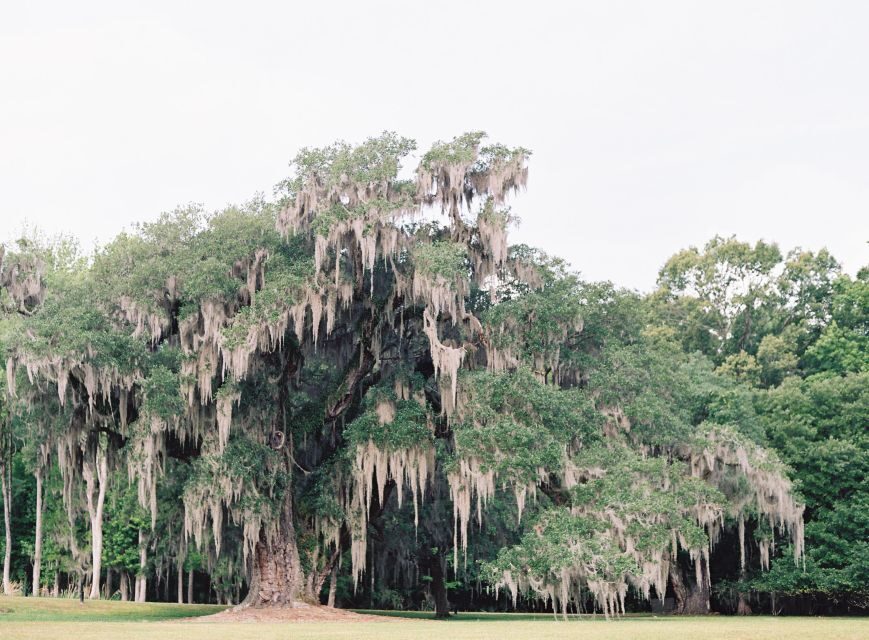
Drayton Hall’s main draw is architectural: it’s considered the nation’s earliest example of Palladian design that’s fully carried through. If you’re the type who looks at columns, symmetry, and proportions and thinks it matters, you’ll enjoy how the estate’s layout gives you something tangible to look for.
At the same time, this isn’t just about style. The house is still preserved and open, which means you’re not just reading about the past—you’re walking through a physical place that helps you understand how plantation society was built and maintained over time. I like that this visit keeps you connected to the bigger picture instead of treating the site like a museum display behind glass.
The best way to get value is to treat your hour with the interpreter as your “map in your head.” After that, you’ll be able to use the self-guided audio and the additional stops to confirm what you heard and notice details you might miss on a quicker visit.
The 1-Hour Interpreter-Guided House Tour
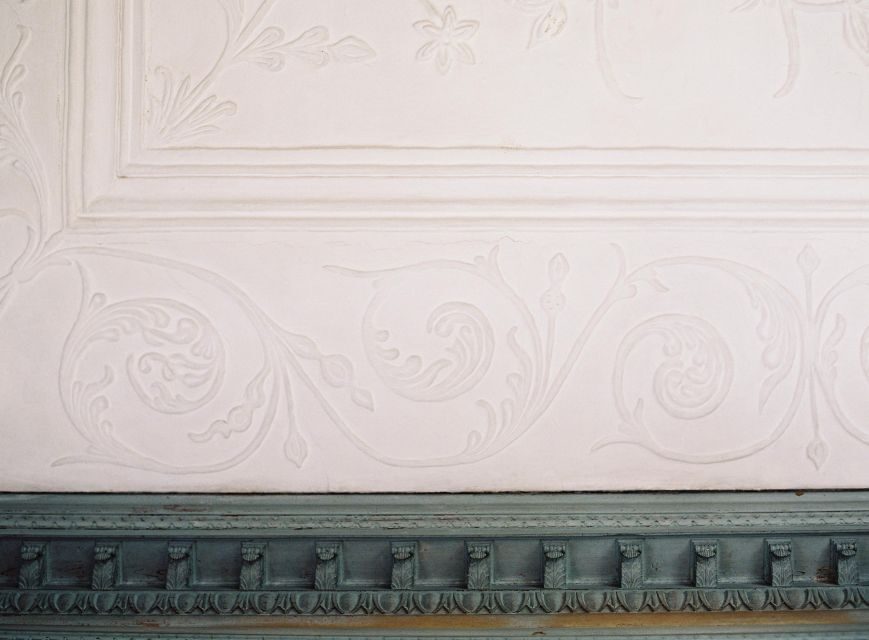
The centerpiece is a 1-hour live, English-language interpreter-guided tour of the historic house. The value here is straightforward: you’re not expected to decipher everything alone. A good guide helps you connect what you see—architecture, daily life signals, and the estate story—to something coherent.
Your house visit includes walking up portico steps to enter the house, so plan for that movement. Also, personal wheelchairs and scooters are prohibited on House Tours, even though the broader property is designed to be handicapped accessible through exhibits, garden, museum shop, and walking trails. If you rely on a mobility aid, it’s smart to think about how you’ll handle that portico and where you’ll spend time outside the guided house portion.
One more thing I’d keep in mind: the tour’s interpretation matters. There’s at least one concern tied to the balance between the Drayton family story and the enslaved community’s story. That doesn’t mean the visit is wrong for you—it just means you should pay attention to how the narrative is framed, and decide based on what feels honest and complete to you.
Other guided tours in Charleston



After the House: Self-Guided Audio Grounds Tour
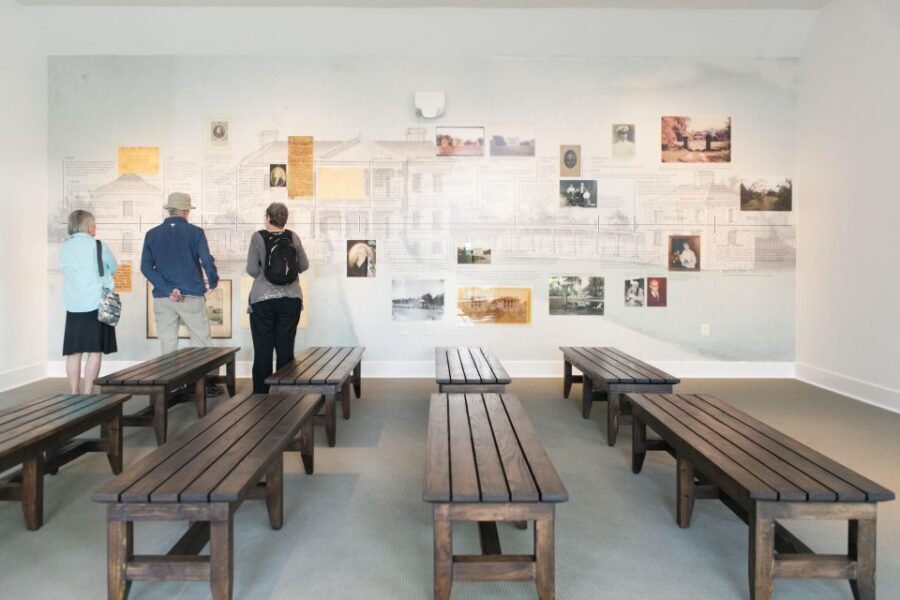
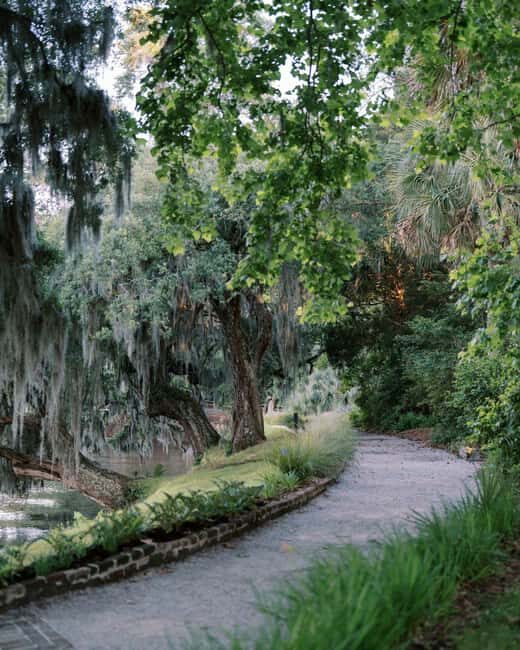
Once the interpreter-led portion ends, you don’t just leave the grounds behind. You get access to the grounds with a self-guided audio landscape tour, which is a smart way to slow down and absorb what surrounds the house.
This is where the estate becomes more than an image. Even without inventing any extra details, you can use the audio to look for how the property works as a working plantation landscape—how spaces relate to each other, and how the house fits into the broader environment. If your brain needs a moment to process after the tour, the audio format helps you do that on your terms instead of keeping pace with a group.
I also think this portion is especially useful for families. Kids and adults alike usually respond well to an audio tour because you can pause, backtrack, and keep moving when you’re ready. Just remember the unpaved paths can make wheeled movement harder, so if you’re using a wheelchair or walker, plan your routes accordingly.
Two Galleries, a Conservation Lab, and an Active Archaeological Site
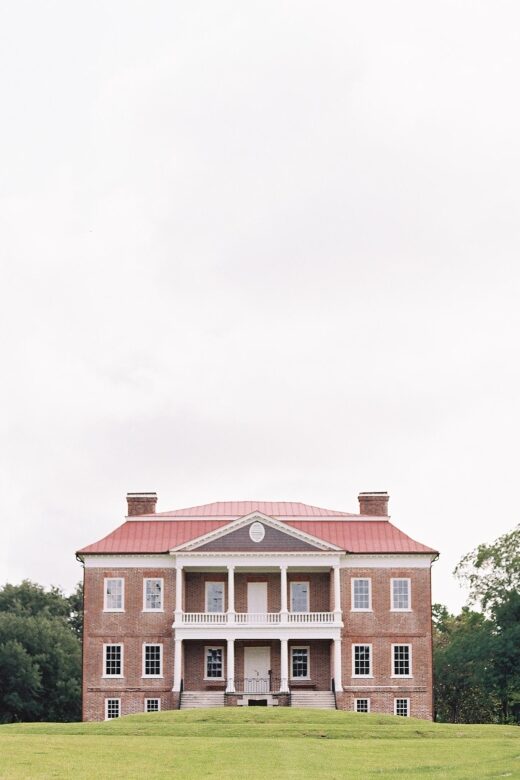
A big part of the value is that Drayton Hall isn’t frozen in time. Your ticket includes access to two galleries and a conservation lab, plus an active archaeological site. That combination can change how you experience the house.
Here’s what it means in practical terms: galleries can give you interpretive context for artifacts and themes, while the conservation lab makes the behind-the-scenes side of preservation feel real. And the archaeological site tells you the ground itself is still part of the story—things aren’t just “over there in the past,” they’re being studied now.
This is the kind of stop I like when I’m trying to understand how history is constructed. Not by guessing, but by conserving objects, studying evidence, and using that evidence to build meaning. Even if your interests are mainly architectural, the lab and archaeology add depth and credibility.
If you’re short on time, prioritize. First make sure you’ve seen what you need from the house tour. Then choose at least one of the galleries or the conservation lab so you leave with more than just the house experience.
The 18th-Century African-American Cemetery Stop
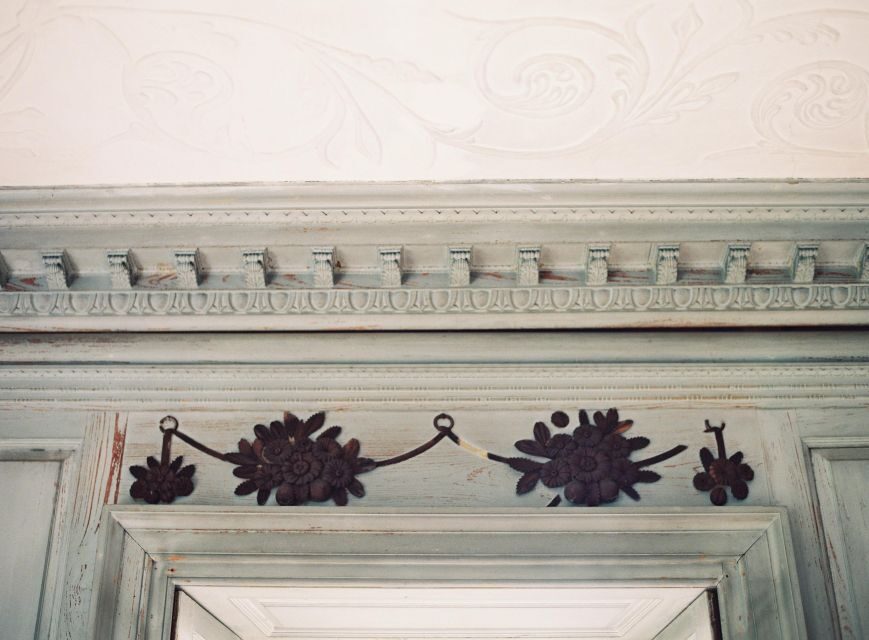
One of the most important included elements is access to an 18th-century African-American cemetery. This matters because it shifts the visit from a purely architectural experience to a fuller human story tied to real lives and community history.
You’ll want to treat this part with extra attention. Even without knowing every detail beforehand, the cemetery access signals that the site considers these histories central to the estate’s meaning, not optional add-ons. If you care about how a site acknowledges the lives impacted by slavery, this is one of the places where you can most clearly feel what the museum view of history is prioritizing.
As with the house tour interpretation, it’s worth being alert to how the cemetery visit fits into the overall narrative. If the tour’s balance makes you uneasy, the cemetery stop may help you see a different angle—or it may confirm that you need to look closely at how everything is presented.
Getting to Drayton Hall From Charleston (and Parking Reality)
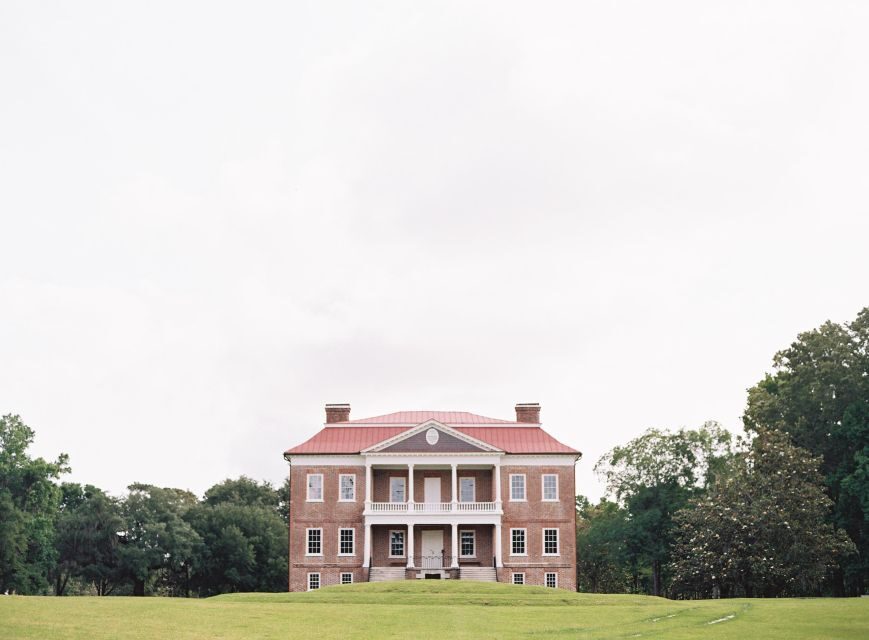
This works well as a day excursion from downtown Charleston. The site is popular, so you’ll want to book ahead to help guarantee admission to a schedule slot.
The logistics are fairly friendly for road-trip folks because there’s plenty of free parking, which is a big deal in a place where many historic sites make you pay for convenience. Also, the time commitment is tight: the guided portion is one hour, and you can shape the rest of your visit based on how much you want to linger in the galleries and lab.
If you prefer a relaxed pace, aim to use the hour with the interpreter to set your focus. Then spend your self-guided time where you naturally slow down—often that’s where you learn the most.




Price and Value: Is $32 Worth It?
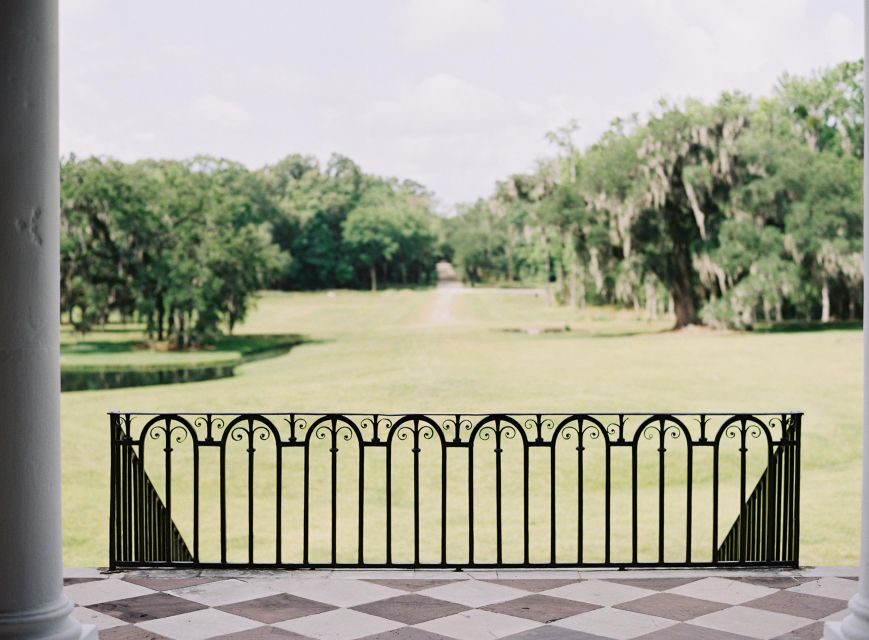
At $32 per person for a 1-hour interpreter-guided tour plus access to multiple major areas, this is one of those prices that can feel reasonable if you use the full ticket. The reason: you’re not just paying for a guided walk through the house. Your ticket also includes:
- grounds access with a self-guided audio landscape tour
- access to two galleries
- access to a conservation lab
- access to an 18th-century African-American cemetery
- access to an active archaeological site
So the value depends on how you tour. If you only do the guided house portion and rush out, you’ll feel like you paid for the start of the day, not the whole experience. If you actually use the galleries, lab, cemetery, and grounds, the cost makes more sense because you’re getting several different ways to engage with the site rather than one single format.
Also, the guided tour adds value when you want context quickly. If you enjoy asking questions (even just quietly in your own head while you look), an interpreter-led hour is a shortcut to understanding what you’re seeing.
Who This Tour Fits Best
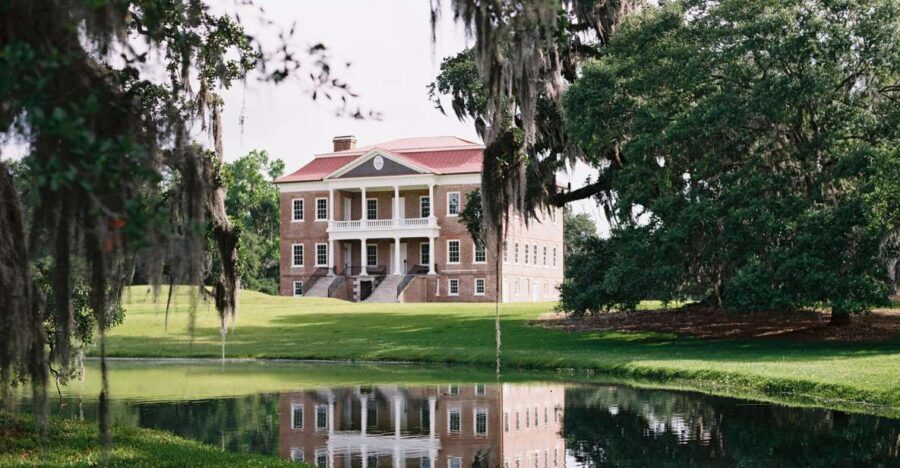
I think this tour works best for people who like history that’s not just names and dates. If you’re interested in architecture, early American design, and how historic sites interpret their past, Drayton Hall gives you a strong base.
It’s also a good choice if you want a balanced mix of structured and self-paced time: one hour with a live guide, then audio and additional stops at your own speed. And it’s described as family-friendly, which usually means you can keep the visit moving without it turning into a long, slow lecture.
If you’re sensitive to how slavery and plantation narratives are explained, do yourself a favor: come with expectations and pay attention to the balance. One review flagged that as a concern, so it’s not something I’d ignore if that topic is central to how you evaluate history tours.
Should You Book This Drayton Hall Interpreter Tour?

Yes—book it if you want an efficient, high-value way to experience a landmark plantation house with multiple included stops. The combination of Palladian architecture, a live interpreter for the house, and the added access to galleries, a conservation lab, and the cemetery makes it more than a quick sightseeing checkbox.
I’d skip or at least set expectations carefully if you know interpretation balance is a dealbreaker for you. In that case, go in ready to observe how the story is told and what gets emphasized.
If you like historic places where you can look, listen, and then keep exploring on your own, Drayton Hall is a solid choice.
FAQ

How long is the Drayton Hall interpreter-guided tour?
The tour duration is 1 hour.
How much does the Drayton Hall tour cost?
Tickets are priced at $32 per person.
What’s included with admission?
Admission includes the 1-hour interpreter guided tour, self-guided audio landscape tour, access to the grounds and galleries, access to the 18th century African-American cemetery, access to the conservation lab, and access to an active archaeological site.
Is there a self-guided option after the guided tour?
Yes. After the guided house tour, you can use the self-guided audio landscape tour and explore the included areas at your own pace.
Is the live tour guide available in English?
Yes, the live tour guide is English.
Are pets allowed at Drayton Hall?
No, pets are not allowed.
Are weapons or sharp objects allowed?
No, weapons or sharp objects are not allowed.
Is the cemetery and conservation lab part of the ticket?
Yes, both are included with admission. The ticket also includes access to the galleries and the active archaeological site.