REVIEW · CHARLESTON
Walled City Spirits with Local Guide
Book on GetYourGuide →Operated by Native Charleston Tours LLC · Bookable on GetYourGuide
Spooky stories start with real streets. This is a guided ghost walk that stays inside Charleston’s original walled city and is led by lifelong local Gia Nocturne, so the talk feels grounded instead of theater. I like the fact that you learn how to spot ghostly activity at historic sites without it turning into a gimmick show. One thing to keep in mind: this is a walking tour best for ages 15+, and it’s not set up for wheelchair users or people with limited mobility.
What makes this tour special is the guide. Gia is a licensed City of Charleston guide, and she designed this experience herself, with stories built around her own connection to the neighborhood and the buildings you pass. The tour also leans into how paranormal activity gets linked to specific places, and it stays focused on the Holy City’s streets rather than random stops far from the old core.
The only real drawback is the tone: this isn’t a playful, kids-friendly Halloween stroll. If you’re looking for an active ghost hunt with experiments, this won’t fit. And if you show up intoxicated, you’ll be asked to leave at the start with no refund, so plan to keep it responsible.
In This Review
- Key highlights you’ll care about
- Entering the Walled City with Gia Nocturne
- What makes this tour different: walled-city-only storytelling
- Gia’s ghost method: how people identify signs
- The walk itself: Philadelphia Alley to the Provost Dungeon
- Philadelphia Alley (about 10 minutes)
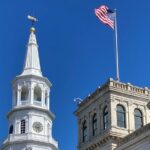
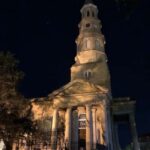
- St. Philip’s Church (about 10 minutes)
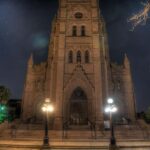
- Circular Congregational Church (about 10 minutes)
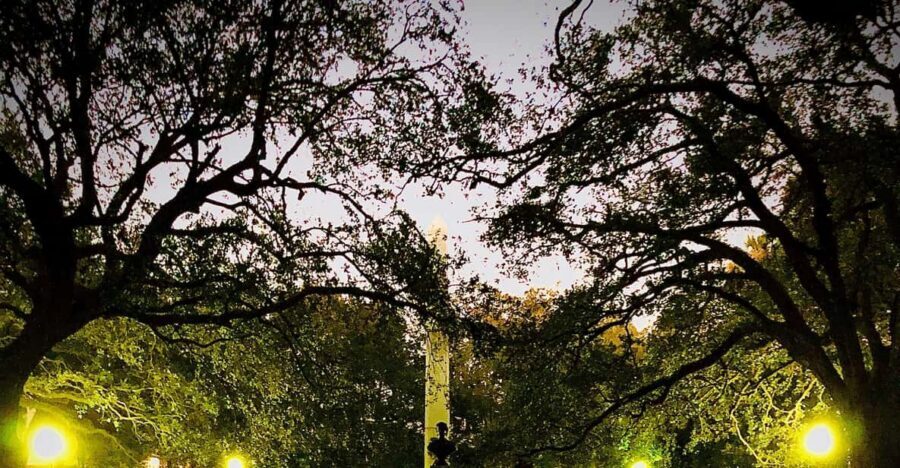
- Washington Park (about 10 minutes)
- Old Exchange & Provost Dungeon (about 10 minutes)
- Why these spots make the haunt stories stick
- Price and timing: what $22 gets you in practice
- Who should book this Charleston ghost walk
- Should you book Walled City Spirits with Local Guide?
- FAQ
- FAQ
- Where does the tour start?
- How long is the Walled City Spirits tour?
- How much does the tour cost?
- Is this an active ghost hunt?
- What age is this tour best for?
- Is the tour offered in English?
- Can I bring alcohol or drugs?
- Is it suitable for wheelchair users or people with mobility impairments?
- Is there free cancellation?
- Is it good for people with hearing impairments?
Key highlights you’ll care about
- Local, licensed guide: Gia Nocturne is a licensed City of Charleston guide and grew up in the area.
- No gimmicks: This is presented as paranormal belief and local reflection, not a staged hunt.
- Original walled city focus: You only walk within Charles Towne’s original walled area.
- Street-to-spot storytelling: You’ll visit several well-known locations tied to haunt lore, on foot.
- You’ll learn how to look: You’ll be taught what signs people associate with paranormal activity.
- Small-group feel: The pacing is set up for an intimate experience and room for questions.
Entering the Walled City with Gia Nocturne
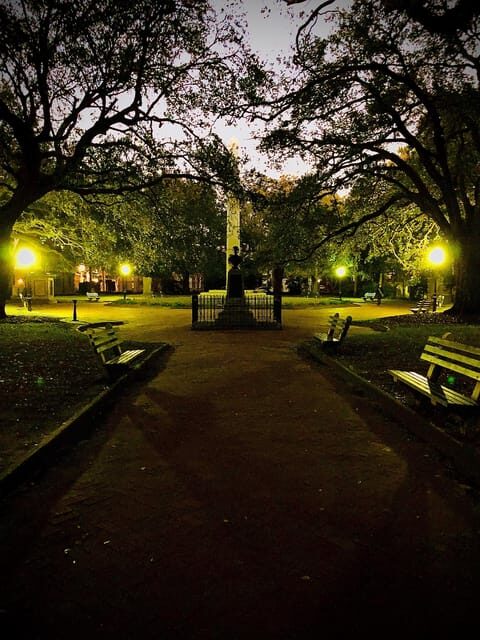
I like the way this tour starts you in the right mindset. You meet near the steps of the US Customs house, at 200 E Bay St, and Gia waits on the right side of the bottom steps looking toward the building. It’s an easy landmark, and it helps you feel like you’re beginning at the edge of the story instead of wandering to a random meeting spot.
You’ll be walking from stop to stop, so practical prep matters. Wear comfortable shoes, because the tour is built around moving through historic streets. Also, use the restroom before you arrive if you can; there’s a public restroom in the Cumberland Garage nearby. That may sound basic, but it keeps the experience smooth when you’re focused on listening instead of searching for a bathroom mid-walk.
The tour is in English and runs about 2 hours. Since you’re covering multiple named locations, you get a nice rhythm: short visits where you pause and listen, then longer stretches where the context builds while you’re still moving through the same corridors of the old city.
Other guided tours in Charleston
What makes this tour different: walled-city-only storytelling
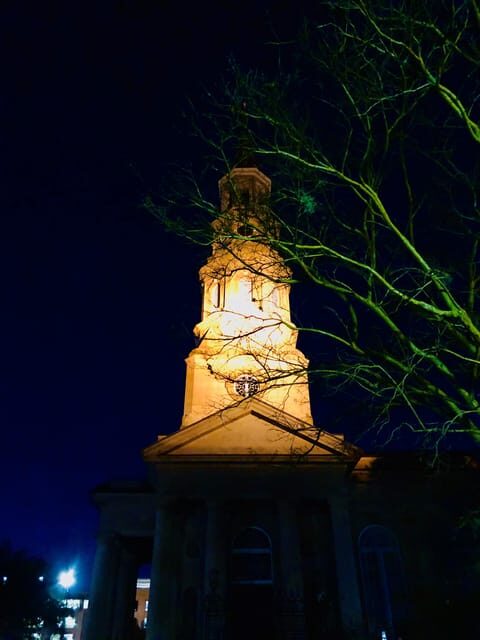
This experience keeps its promise about where it happens. The walk is limited to the original walled portion of Charleston—Charles Towne’s old core—so you’re not hearing “ghost lore” diluted by modern detours. That focus matters because the stories make more sense when the streets and buildings still line up with the historical layout.
In practice, it changes the feeling of the walk. You spend less time thinking, Where are we going? and more time listening, How did this neighborhood form? and Why do certain places get repeated in local ghost tales? When the route stays inside the old walls, you start to connect the dots between the buildings, the alleyways, and the church spaces that shaped daily life centuries ago.
It also helps that Gia is treating the tour like a local practice, not a one-size-fits-all performance. From what you’ll hear on the walk, she isn’t just reciting. She’s building a map in your head of how paranormal claims become attached to certain corners—sometimes because of what happened there, and sometimes because of how people later explained odd experiences.
Gia’s ghost method: how people identify signs
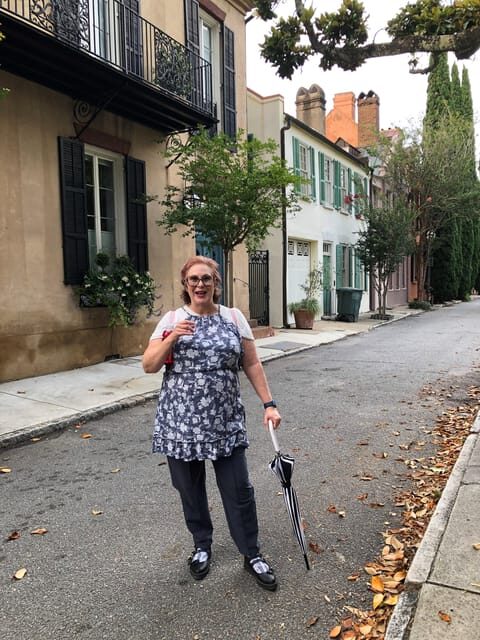
This is the part I appreciate most if you’re even slightly skeptical. The tour doesn’t pretend there’s a controlled experiment happening. You’re not being handed equipment or asked to chase sounds. Instead, Gia talks through what people associate with paranormal activity at haunted locations and how those associations get formed over time.
She frames it as a lifelong local approach: observe, listen, and notice patterns that come up again and again. As you move from site to site, you’ll start picking up the idea that ghost stories usually have structure—something like recurring themes, local explanations, and the way people interpret strange events. The tour’s not asking you to believe blindly. It’s teaching you what to watch for when you’re standing in the place where people say something happened.
This also explains why the experience is described as not gimmicky. It’s not about jump scares or scripted “say this at this moment” lines. It’s more like a serious walk with someone who genuinely takes the subject seriously and wants you to notice details while you’re there.
The walk itself: Philadelphia Alley to the Provost Dungeon
The route is built to move you through a sequence of spaces that each carry their own kind of atmosphere. Here’s what you can expect, and why each stop is worth your attention.
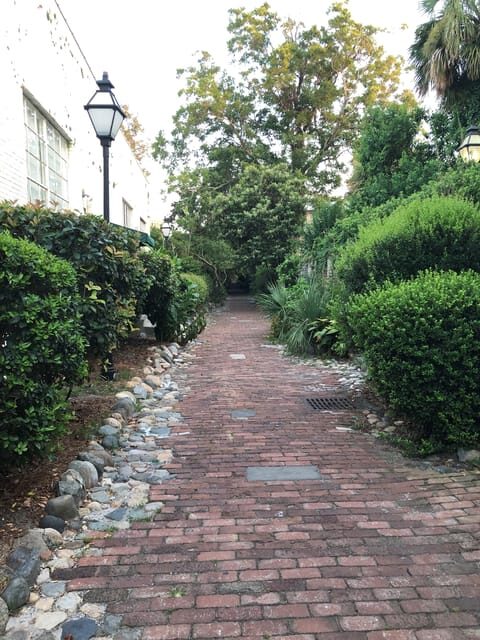
Philadelphia Alley (about 10 minutes)
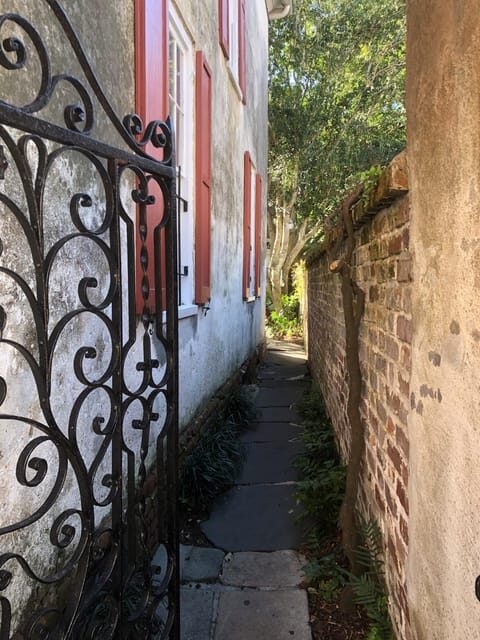
You start by stepping into Philadelphia Alley, a spot that naturally lends itself to tight storytelling. Alleyways in old Charleston feel like they compress sound and sightlines, and Gia uses that setting to connect the geography of the city with the kinds of encounters people describe. Expect a short, focused pause—just enough time to absorb the space before you move on.
One practical note: because it’s an alley stop, it can feel narrower and more enclosed than the wider streets. Comfortable shoes help, and staying attentive lets you catch the details she points out about why this sort of place shows up in haunt lore.
Other city tours we've reviewed in Charleston



St. Philip’s Church (about 10 minutes)
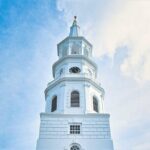
Next is St. Philip’s Church, which brings a different emotional tone to the walk. Church sites come with built-in symbolism, and that’s part of how paranormal stories become attached to locations over time. Gia’s approach here is to connect the building and its setting to the way local accounts form around it.
The stop is brief, so don’t treat it like a full church visit. Instead, think of it as a listening moment where you’re learning what kinds of experiences people say happen at sacred or historic sites, and how those stories get repeated.
Circular Congregational Church (about 10 minutes)
Then you’ll move to Circular Congregational Church. The structure of this stop shifts from “grand building” to “place where the community gathers.” That change matters for the stories because many haunt claims in historic cities attach to human patterns—gathering, worship, work routines, and the feeling that something “continues” in the building’s presence.
Expect Gia to tie the location’s identity to the kind of paranormal associations people commonly make. If you like learning how local lore forms its logic, this is a good stop.
Washington Park (about 10 minutes)
After the church stops, you’ll head to Washington Park. Parks are a useful contrast on a ghost tour because they show you how public space becomes part of the story too. Even when nothing is “haunted” in the obvious way, people still interpret odd sensations through the lens of local tales.
This stop is short, but it helps you reset mentally. If you’re starting to get spun up from earlier sites, Washington Park is a breather where you can regroup before the darker, heavier stop later.
Old Exchange & Provost Dungeon (about 10 minutes)
The most serious stop is Old Exchange & Provost Dungeon. Dungeons and detention spaces carry a gravity that tall buildings and churchyards don’t. It’s where ghost talk often feels most plausible to people—not because you’re being told to believe, but because the setting already suggests hardship, secrecy, and stories that survivors and locals would still whisper.
Gia uses this stop to connect paranormal claims to why certain locations become legend. You’ll hear about how specific kinds of events get layered into local memory, and how those layers continue to influence what people interpret today.
After this, you loop back to 200 E Bay St to finish. You’ll leave with a sense that the city itself is the “text,” and the buildings and alleys are the footnotes.
Why these spots make the haunt stories stick
Part of what you’re buying for $22 is interpretation—how the guide ties place to legend. The tour’s major promise is that you’ll learn what to look for with the signs of encounters, and you’ll also learn why certain locations pick up activity in the stories.
Here’s what that means in plain terms:
- Buildings affect how people read experiences. Churches, communal meeting spaces, and detention sites each shape what people expect to feel or notice.
- Layout matters. Alleys and tight corridors create a different sensory experience than open streets.
- Local history gets repeated. When people grow up with certain accounts, those accounts become the lens for future “odd moments.”
That’s also why a lifelong local guide like Gia matters. She’s not just passing along facts. She’s connecting the dots between how the city was lived in and how it’s remembered now.
Price and timing: what $22 gets you in practice
At $22 per person for 2 hours, this isn’t one of those long, expensive productions. What you’re paying for is time with a licensed local guide, plus a route that actually stays in the area you care about.
The best value piece is the guide-to-question ratio. The experience works best as a small, intimate walk, so you’re more likely to get direct answers instead of being shuffled along. If you want spooky storytelling but also want to ask real questions without getting cut off, this is the right kind of tour format.
Timing is also sensible. You cover multiple named stops, but the visits are short enough that you’re not bored by waiting around. Two hours hits the sweet spot for a walking experience in downtown Charleston: enough time for context, not so long that your feet or attention tap out.
Who should book this Charleston ghost walk
This tour is best for people 15 years and older. It’s not described as suitable for children under 15, and it’s also not set up for everyone with physical or hearing needs. It’s not suitable for wheelchair users or people with mobility impairments, and it’s not suitable for people who are hearing-impaired.
There’s also a clear rule about behavior. Alcohol and drugs aren’t allowed, and the tour asks you not to show up intoxicated due to liability. If you like your spook stories with a steady head, this is easy to follow.
If you’re someone who likes:
- local guides with real passion,
- a walking tour that stays in the historic core,
- and paranormal stories presented like serious folklore rather than a prank,
then you’ll likely have a great time. If you want a hands-on “ghost hunting” setup with gear and controlled experiments, you’ll probably feel disappointed.
Should you book Walled City Spirits with Local Guide?
I’d book this if you want a focused, walled-city ghost walk with a licensed local guide and a serious tone. The price is reasonable for a guide-led, two-hour experience, and the route makes sense because it stays inside the original Charles Towne walls. Most importantly, Gia’s role isn’t generic; it’s built around her own lifelong connection to the neighborhood.
Skip it if you need wheelchair-friendly access, you’re traveling with someone under 15, or you’re looking for an active hunt. This is about standing on historic streets, learning how paranormal claims get tied to places, and noticing what locals say to watch for.
FAQ
FAQ
Where does the tour start?
You’ll meet near the steps of the US Customs house at 200 E Bay St, with Gia waiting on the right side of the bottom steps looking at the building.
How long is the Walled City Spirits tour?
The tour lasts about 2 hours.
How much does the tour cost?
It costs $22 per person.
Is this an active ghost hunt?
No. It’s not an active ghost hunt. It’s a guided walking tour focused on local paranormal reflections.
What age is this tour best for?
This experience is best for people aged 15 and older, and it is not suitable for children under 15.
Is the tour offered in English?
Yes, the tour is conducted in English with a live guide.
Can I bring alcohol or drugs?
No. Alcohol and drugs are not allowed, and you’re also asked not to show up intoxicated.
Is it suitable for wheelchair users or people with mobility impairments?
No. It is not suitable for wheelchair users or people with mobility impairments.
Is there free cancellation?
Yes. You can cancel up to 24 hours in advance for a full refund.
Is it good for people with hearing impairments?
No. It is not suitable for hearing-impaired people.