REVIEW · CHARLESTON
90-Minute Charleston City Sightseeing Bus Tour
Book on Viator →Operated by Gray Line Charleston · Bookable on Viator
Charleston looks different from the Battery. I love how this 90-minute ride gives you fast access to big-picture landmarks like the Battery waterfront and Rainbow Row, with the guide tying them to the American Revolution through the Civil War. I also like that you get major downtown stops such as the Old Exchange area without doing a long walking day. One thing to consider: the tour moves briskly and some stops feel more like viewpoints than photo-ops, so you may want to bring a plan for where you’ll return later.
This is a $35 mini-coach tour run by Gray Line Charleston, and it’s a solid “first-day” option if you want orientation plus context. You start and finish at 375 Meeting St, and you’ll be back in time to wander on your own once you know what’s where. If you’re sensitive to pace (some guides run fast), bring patience and consider the upgrade if you want deeper museum time.
In This Review
- Key highlights to zero in on
- 90 minutes to get your bearings on Charleston’s big sights
- Starting at 375 Meeting St with a professional narrated loop
- The Battery seawall: harbor views and the defense story that explains everything
- Rainbow Row and Colonial Lake: the streets you’ll recognize again
- Old Exchange and Provost Dungeon: where Charleston’s power gets hard to ignore
- White Point Garden, City Market, and the downtown grid you’ll navigate later
- Optional upgrade: Joseph Manigault House or Charleston Museum for extra time inside
- Joseph Manigault House: elegance with a deeper look at early-1800s Charleston
- Charleston Museum: if you want context, objects, and more indoor time
- Comfort, pace, and the photo question: how to make this tour work for you
- What kind of traveler should book this bus tour?
- Should you book this Charleston city sightseeing bus tour?
- FAQ
- How long is the Charleston city sightseeing bus tour?
- Where does the tour start and end?
- What is included in the price?
- Is hotel pickup included?
- Is the tour offered in English?
- Can I use a mobile ticket?
- Does the tour include admission to the Joseph Manigault House or Charleston Museum?
- How big is the group?
- Are service animals allowed?
- What’s the cancellation rule?
Key highlights to zero in on

- Battery seawall views: Charleston Harbor, Fort Sumter, and Patriots Point from a classic promenade angle
- Rainbow Row and Colonial Lake: key spots you’ll recognize later when you walk downtown
- Old Exchange Building and Provost Dungeon area: a serious historical stop that helps explain Charleston’s past
- Historic Charleston City Market area: one of the city’s most central landmarks, spread across downtown blocks
- Optional Joseph Manigault House or Charleston Museum: extra history time if you want more than “look and learn”
90 minutes to get your bearings on Charleston’s big sights
If Charleston is your first time in town, you need two things: a sense of direction and a sense of story. This tour is built for that. In about 1 hour 30 minutes, you cover a wide loop that hits the places people photograph first, then connects them to what those places meant during America’s turning points.
What makes the experience feel worth it is the balance of scale. Charleston can feel like one endless “pretty street,” but the bus tour forces structure: you’ll see the waterfront defenses, the planned streets and neighborhoods, and the downtown civic and commercial heart. After you ride, you’re not just memorizing sights. You’re understanding why they line up the way they do.
You also get a comfortable way to cover ground. It’s not a long trek across town. It’s more like a curated drive with stops where you can look out, listen closely, and decide what you’ll revisit with better light or more time.
Other city tours we've reviewed in Charleston



Starting at 375 Meeting St with a professional narrated loop
The tour starts at 375 Meeting St, right in the historic core, which matters. You’re not commuting from the outskirts with a long “getting there” phase. You step into the mini-coach, and the narration starts immediately—former city walls, the Battery, and the logic of Charleston’s coastal setting.
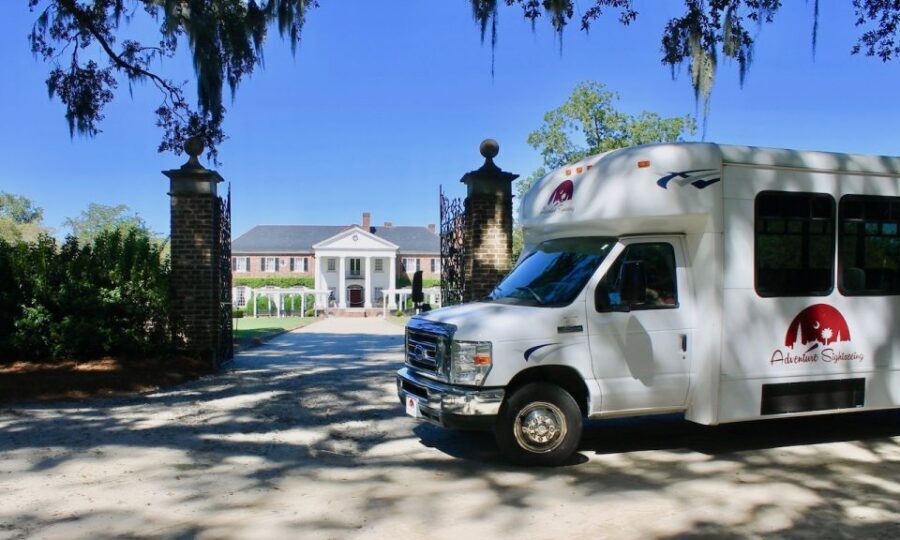
The experience is narrated in English, and Gray Line Charleston runs the operation. The group size stays on the smaller side, with a maximum of 25 travelers, so you’re less likely to feel lost in a huge crowd. You’ll also use a mobile ticket, which is practical if you’re juggling maps, reservations, and photos.
One nuance from real-world feedback: some guides are especially witty and story-driven, while others can run fast when explaining architecture and dates. If you’re the type who likes to take notes, sit where you can hear clearly and don’t be afraid to ask a question at a stop. When the guide engages, the whole loop clicks.
The Battery seawall: harbor views and the defense story that explains everything

The first big “wow” is the Battery Waterfront district and the Battery seawall. This is one of Charleston’s signature stretches—a defensive promenade where the city looked outward for centuries. The guide frames it around the American Civil War coastal defense artillery at the site, and then you get the payoff: views of Charleston Harbor, Fort Sumter, and Patriots Point.
Even if you’ve seen postcards of Fort Sumter, watching it from this angle helps you understand why Charleston’s geography mattered so much. It’s easier to picture the city as a coastal hub when you’re literally looking across the water from the promenade that once helped protect it.
This is also where you’ll feel the tour’s “less walking, more looking” style. You’ll have a closer view from the sea wall than you’d get from most roadside stops, and that’s a great use of your time. If the weather is windy or cold, dress like you’re at the waterline. You don’t control the elements, but you can control your comfort.
Rainbow Row and Colonial Lake: the streets you’ll recognize again
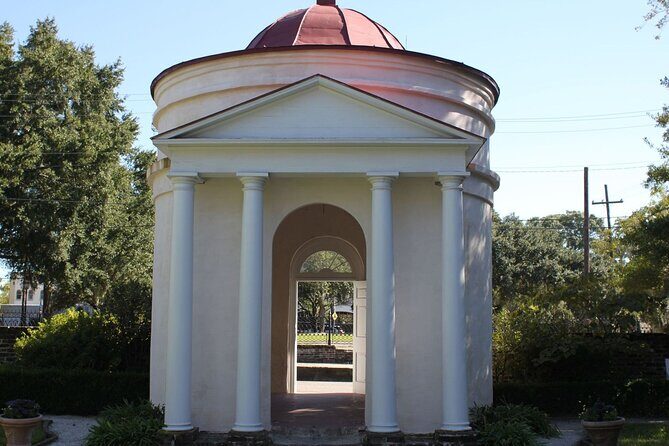
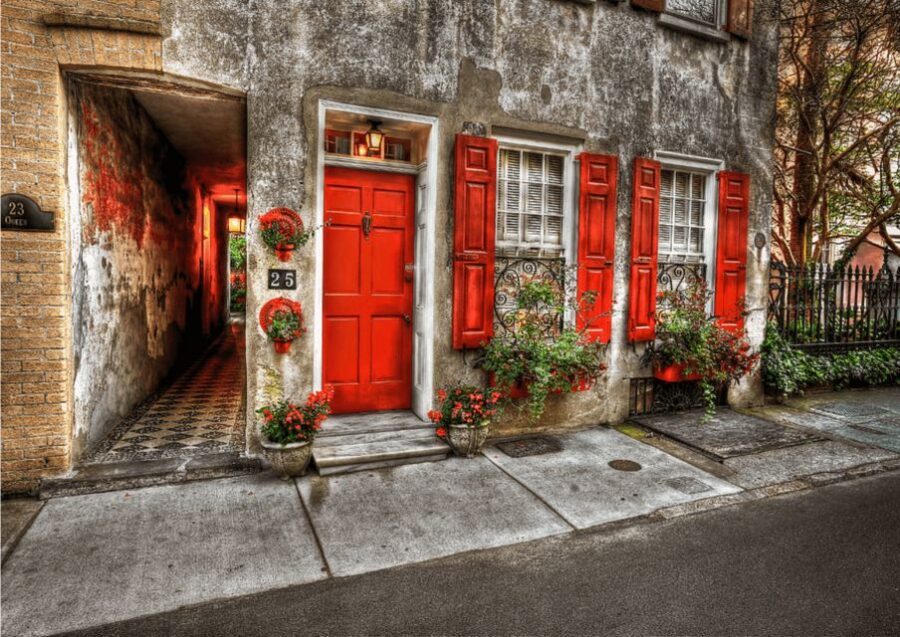
Next comes two of the most recognizable visual anchors in Charleston: Rainbow Row and Colonial Lake. Rainbow Row is the longest cluster of Georgian row houses in the United States, and seeing it from the bus is a quick lesson in how Charleston kept elegance and order in the city’s layout.
What I like about including Rainbow Row is that it teaches you a skill: looking past the cuteness. Once you hear the architecture and era context, the color and uniformity stop being just a photo backdrop. You start noticing patterns—how the row-house design fits the neighborhood and why people still care about these buildings.
Colonial Lake adds variety and a different kind of view. It’s not the same “look outward to ships” feeling as the Battery. It shifts you back toward the city’s inland waterways and the way Charleston’s land and water systems connect.
If you’re planning your next day of walking, this is where the tour earns its keep. Afterward, you’ll know what street names and blocks are worth your time. You’re better equipped to aim for the parts of town you’re most interested in.
Old Exchange and Provost Dungeon: where Charleston’s power gets hard to ignore
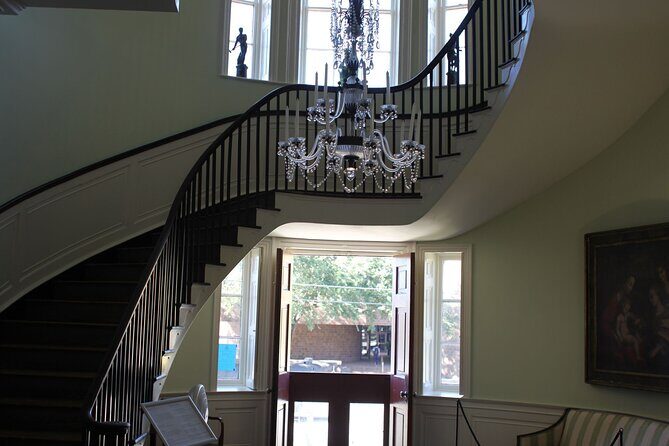
Downtown Charleston has beauty, but it also has weight. The tour brings you past the Old Exchange Building and the area associated with the Provost Dungeon. The Old Exchange is described as South Carolina’s most historic building, and the significance isn’t just architectural.
This kind of stop matters because it gives context to everything else you’re seeing. If you only tour beaches and gardens, Charleston can feel like a museum of charm. When you hear what happened in civic and holding spaces in the past, the city’s glamour becomes part of a bigger, more difficult story.
You’ll also see St. Philip’s Episcopal Church (a National Historic Landmark). Church architecture in Charleston isn’t random. It ties into who had influence, how communities formed, and why certain institutions shaped daily life.
Practical tip: if you’re visiting with someone who likes history but hates long museum-style time, this bus tour gives a good “taste” before you decide whether you want to go deeper inside with the upgrade option.






White Point Garden, City Market, and the downtown grid you’ll navigate later
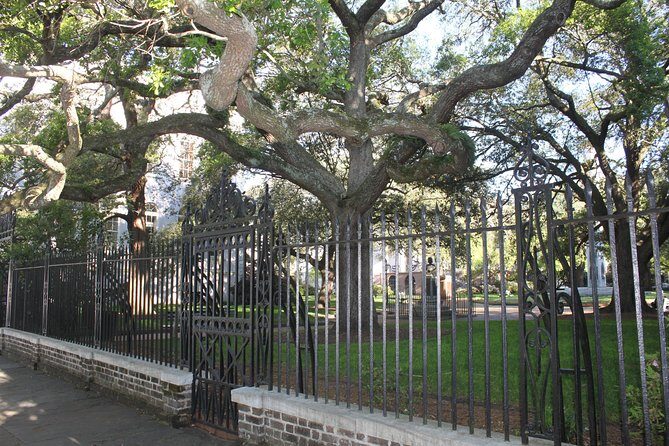
By the time you reach White Point Garden, you’re back in the heart of the historic district. This end-of-the-Battery moment is useful because it helps you understand how Charleston’s waterfront promenade links back into walkable downtown spaces.
Then you’ll hear about and pass the Historic Charleston City Market, a 200-year-old market that covers four downtown blocks. It’s one of those places where the tour’s speed becomes a feature and a drawback at the same time. Quick pass-through helps you orient. But if you want time to browse, you’ll need to plan a return.
The tour also includes stops that help you read Charleston like a map: points such as the Old Market and the Four Corners of Law show how the city organized commerce and civic life. In other words, you’re not just learning where pretty buildings are. You’re learning how the downtown grid functions.
If you love architecture, you’ll likely enjoy hearing the guide explain styles and building features as you pass. Several guides are praised for this kind of commentary, including the way they make the architecture easy to spot while you roll past.
Optional upgrade: Joseph Manigault House or Charleston Museum for extra time inside
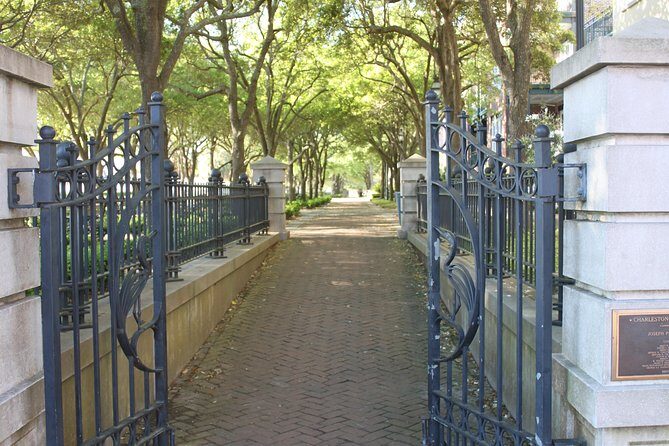
This is the part you should think about up front, because it changes the feel of the tour. The base experience is primarily “ride, look, listen.” The upgrade adds admission to either the Joseph Manigault House and/or the Charleston Museum (depending on the option you choose).
Joseph Manigault House: elegance with a deeper look at early-1800s Charleston
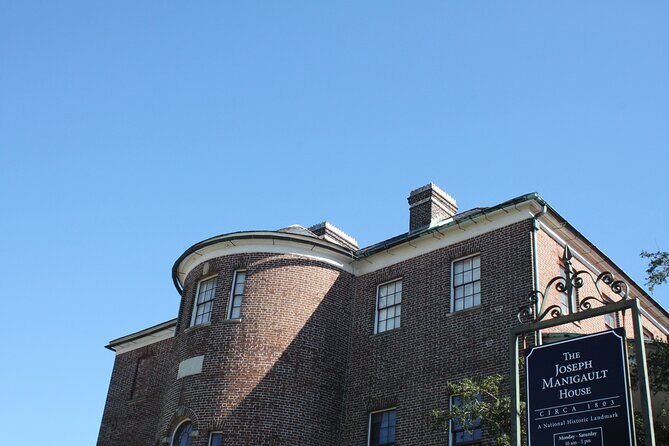
The Joseph Manigault House is a historic home constructed in 1803, designed by architect Gabriel Manigault. It’s described as a 3-story Federal-style brick townhouse and is considered one of Charleston’s most exquisite antebellum structures. If you’re the type who likes to connect architecture to the people who lived in it, this stop is a strong choice.
You’ll also learn about the lifestyle of the wealthy rice-planting family who owned the house, including the fact that enslaved people lived there. That detail matters. It keeps the visit from becoming a generic “pretty house” walkthrough.
Charleston Museum: if you want context, objects, and more indoor time
The Charleston Museum is included with the upgrade option that adds museum time. If your ideal day is less outdoor sight-seeing and more interpretation, this can be the better add-on.
A simple way to decide: if you want a single star building and its story, go Joseph Manigault House. If you want broader city context in a museum setting, choose Charleston Museum.
Note on pace: with upgrades, you’re adding indoor time and ticketed entry. That can be great, but it also means the day may run less smoothly if you dislike waiting, crowds inside, or tight schedules.
Comfort, pace, and the photo question: how to make this tour work for you
The mini-coach format is one of this tour’s biggest strengths. You’re comfortable while the route covers a lot of ground. Multiple people describe the bus as cozy, even when the weather is cold and windy outside, which is exactly what you want from a sightseeing tour in the real world.
Still, the experience can vary with the guide and the moment. Here are the practical considerations that can make or break the day:
- Audio/pacing: some guides are so fast you might miss details. If that’s your worry, sit closer to the front and keep expectations flexible.
- Photo expectations: there are viewpoints, but it’s not built like a hop-off, take-a-thousand-pictures tour. If you care about photos, decide ahead of time which places you’ll try to capture from the road. Then plan one or two returns later.
- Small comforts: bus climate can feel either fine or overly warm/cold depending on conditions. Bring a light layer, because Charleston weather can swing quickly.
If you’re traveling with seniors, kids, or anyone who doesn’t want long walking stretches, the bus model helps. If you’re a hardcore “I want to stop at every site” person, you might find the sightseeing is more about learning than lingering.
What kind of traveler should book this bus tour?
This tour fits best when you want structure without stress. It’s especially good for:
- First-timers who want a clean overview and a route you can reuse later
- Couples and friends who want conversation-friendly history with a comfortable ride
- Architecture lovers who enjoy spotting styles and learning what they mean
- History-minded visitors who want the city’s major landmarks connected to real American events
It may not be the best fit if:
- You want lots of time inside multiple buildings without paying for upgrades
- You hate fast narration and prefer slow, deep museum-style visits
- You expect dedicated, frequent photo stops at every listed site
If you’re unsure, consider starting with the base tour, then add the upgrade only if your schedule and interests demand it.
Should you book this Charleston city sightseeing bus tour?
I think this is a smart buy for most people who want to understand Charleston quickly. At $35, you’re paying for a guided orientation that hits major waterfront and downtown landmarks without tiring yourself out. The tour’s value goes up if you like learning history in bite-size pieces and if you’ll use that knowledge to choose where to walk next.
Book it if you want:
- a fast layout of downtown and the waterfront
- a guide-led story from the Revolution era through the Civil War
- a comfortable ride that avoids a long walking day
Skip the base tour (or seriously consider an upgrade) if you’re hoping for long inside visits and lots of time to linger at each stop. For those days, Charleston can reward you with deeper, slower exploring.
If you’ve got one morning or afternoon free and you want your bearings before you start wandering, this is exactly the kind of tour that helps you enjoy the rest of your trip more.
FAQ
How long is the Charleston city sightseeing bus tour?
It runs about 1 hour 30 minutes.
Where does the tour start and end?
It starts at 375 Meeting St, Charleston, SC 29403, and it ends back at the meeting point.
What is included in the price?
The tour includes a 90-minute narrated historic mini-coach tour with a professional driver/guide, and you’ll see over 100 points of interest. Upgrades may add admission to specific house or museum options.
Is hotel pickup included?
No, hotel pickup and drop-off are not included.
Is the tour offered in English?
Yes, it’s narrated in English.
Can I use a mobile ticket?
Yes, a mobile ticket is used.
Does the tour include admission to the Joseph Manigault House or Charleston Museum?
Admission to the Joseph Manigault House and/or Charleston Museum is included only if you choose the upgrade at checkout.
How big is the group?
The tour has a maximum of 25 travelers.
Are service animals allowed?
Yes, service animals are allowed.
What’s the cancellation rule?
You can cancel for a full refund up to 24 hours in advance of the start time.