REVIEW · CHARLESTON
Charleston: 2-Hour Strong Women of the South History Tour
Book on GetYourGuide →Operated by Holy City History Tours · Bookable on GetYourGuide
Charleston has a different way to tell its story. This 2-hour Strong Women of the South tour looks at power through the women who built, resisted, sold, printed, and owned—covering founders and women of every color. You start downtown at a chilling site tied to America’s first female serial killer, then shift into neighborhoods, homes, and public spaces that usually get skipped on standard walking tours.
I especially love two parts: the up-close attention to the iron works at the Philip Simmons House, and how the tour uses Harleston Village’s architecture as evidence of who had control—and who didn’t. One possible drawback: a small number of bookings have complained that specific ticketed stops (like Halsey Gallery and Philip Simmons House) weren’t visited as expected, so it’s smart to confirm what your departure includes before you go.
In This Review
- Quick Hits: What Makes This Tour Worth Your Two Hours
- Meeting at the Old Charleston Jail on Magazine Street
- Starting at the Alleged Execution Site: Why the Tour Goes Dark First
- The Old Maids Route: Activists, Printers, Artisans, and Power Brokers
- Philip Simmons House: The Iron Works You’ll Actually Remember
- Harleston Village Neighborhood: Architecture as Evidence of Control
- Halsey Gallery of Contemporary Art: Past in Present Clothing
- Guide Style: Great Energy, With a Couple of Real-World Caveats
- Price and Value: Is $37 a Good Deal for Two Hours?
- Who This Tour Fits Best (and Who Might Want Another Option)
- Should You Book the Strong Women of the South History Tour?
- FAQ
- How much does the Charleston 2-Hour Strong Women of the South History Tour cost?
- How long is the tour?
- Where does the tour meet?
- What is included with my ticket?
- Does the tour run in rain?
- What language is the tour in?
- Is the tour wheelchair accessible?
- Are tips included in the price?
- Is free cancellation available?
Quick Hits: What Makes This Tour Worth Your Two Hours
- Strong-women framing that actually changes what you notice on the sidewalks
- Iron work at Philip Simmons House where details matter more than big speeches
- Harleston Village streetscapes used to explain power, not just pretty buildings
- Halsey Gallery of Contemporary Art included, tying past and present together in a practical way
- $1 donation per ticket split between the Halsey Contemporary Art Foundation and the Philip Simmons Foundation
Meeting at the Old Charleston Jail on Magazine Street
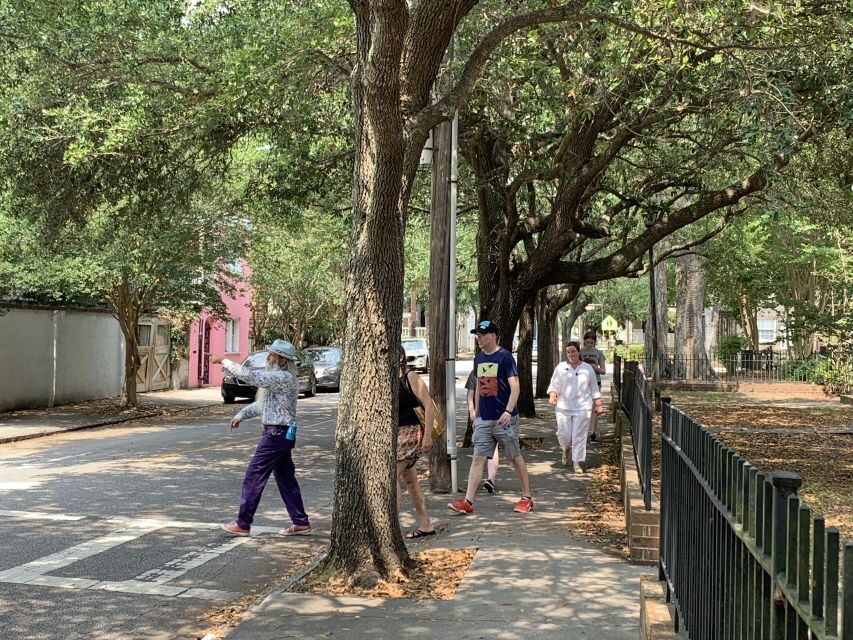
The tour meets in front of the Old Charleston Jail at 21 Magazine Street. That matters because Charleston history here starts with confinement, justice, and who gets to control the narrative. Even before you move, you’re already in a place that forces a different mood than a typical “photo and stroll” route.
From there, you’re walking through a compact chunk of Charleston at a steady pace for a two-hour program. It’s rain or shine, so plan for real weather. And since tips aren’t included, you should decide your tip ahead of time if you want to reward the guide.
Other historical tours in Charleston



Starting at the Alleged Execution Site: Why the Tour Goes Dark First
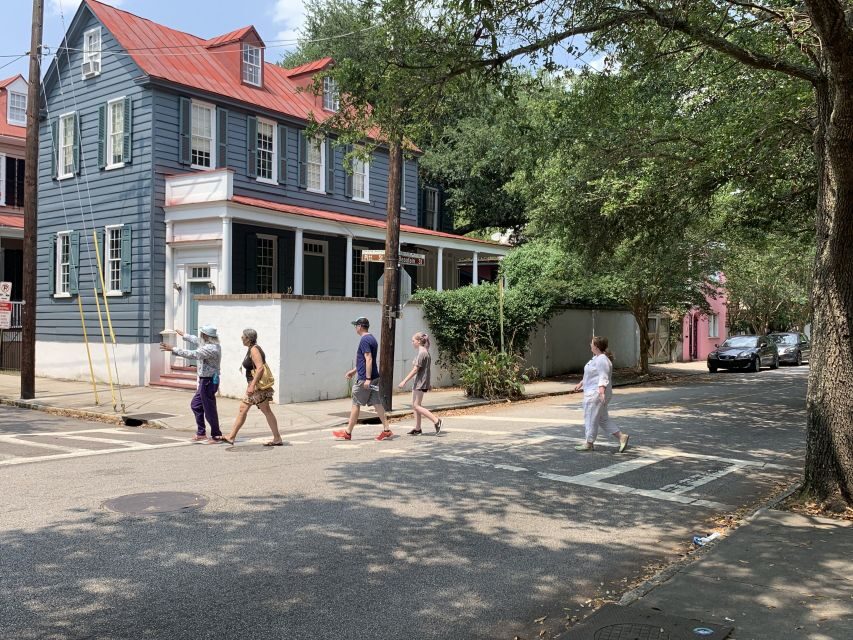
The tour begins at the alleged execution site of America’s first female serial killer. Starting here is a choice, and it sets the tone: Charleston’s past isn’t polite. It’s about fear, law, and the way society labels women—especially women who didn’t fit expectations.
What I like about this opener is that it doesn’t get stuck in sensational detail. It’s a launching point for the broader theme: how women’s lives have been controlled, recorded, erased, and reinterpreted. If you’re the kind of person who appreciates context over shock, this start works because it becomes a doorway to larger patterns.
The Old Maids Route: Activists, Printers, Artisans, and Power Brokers
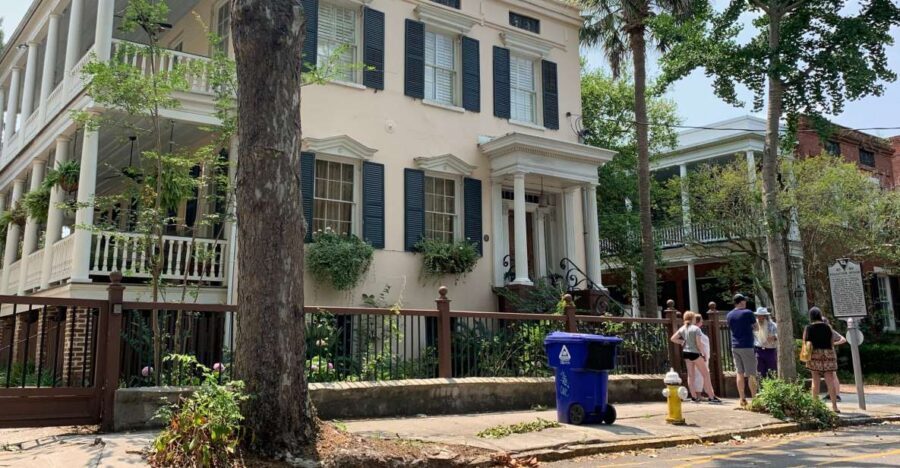
After that initial, heavy moment, the tour shifts into what it calls the world of the Old Maids—women who were activists, printers, artisans, madams, shopkeepers, and plantation owners. The point isn’t to put them in one box. It’s to show you how complex “women’s history” becomes when you stop treating it like a single, tidy story.
This is also where you’ll feel the tour doing something important: it places women at the center of the city’s “Great American Dream” instead of treating them as supporting characters. You’ll hear how these women contributed to public life and economic life, and you’ll also hear about the conundrums that came with those roles. That mix of agency and constraint is the real takeaway.
The tour’s language also tries to dismantle a few comforting myths. The “fainting Southern Belle” idea gets swapped out for the actual work women did. The story of the “woman behind the man” gets challenged by the fact that many women were building businesses, shaping print culture, running shops, and influencing the social order. And the tour pushes back hard on simplistic versions of chattel slavery by treating it as a system that structured lives—not a background detail.
Philip Simmons House: The Iron Works You’ll Actually Remember
One of the most practical reasons I’d book this tour is the Philip Simmons House stop and its famous iron works. This is where a normal tour often gives you a quick glance. Here, you’re meant to look closer and connect design to history—who made it, who benefited from it, and how craftsmanship becomes a form of power.
The tour includes admission to the Philip Simmons House, which is valuable because it turns the visit from a sidewalk photo moment into a real time-on-site experience. If you like details, you’ll appreciate how the tour encourages you to notice the metalwork like you’d notice architecture inside a church—purposeful, crafted, and never random.
It also helps that the tour doesn’t treat the Simmons connection as a separate detour. The ironwork and the story behind it tie back to the larger theme of women shaping Charleston’s built world. And from a values standpoint, there’s a clear connection to giving: $1 from each ticket supports the Philip Simmons Foundation.
Harleston Village Neighborhood: Architecture as Evidence of Control
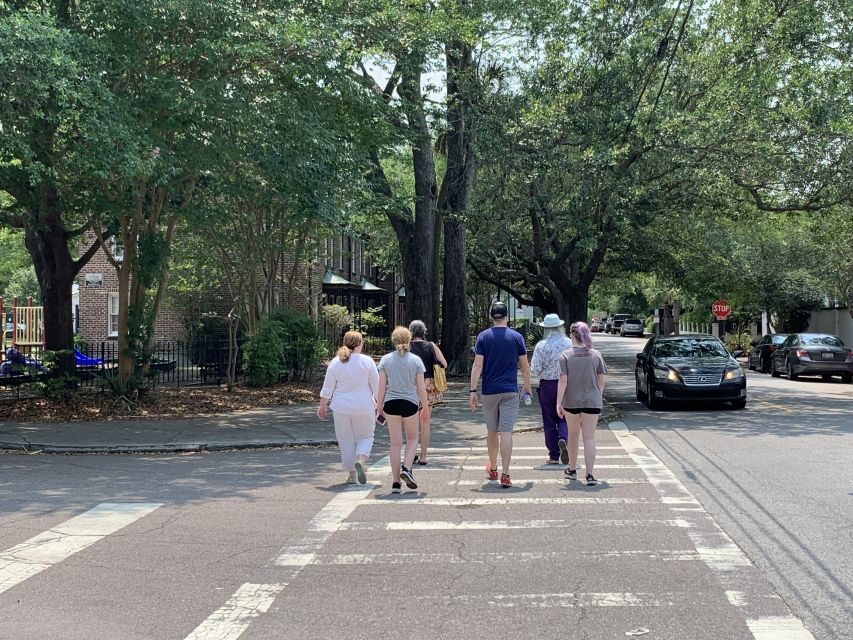
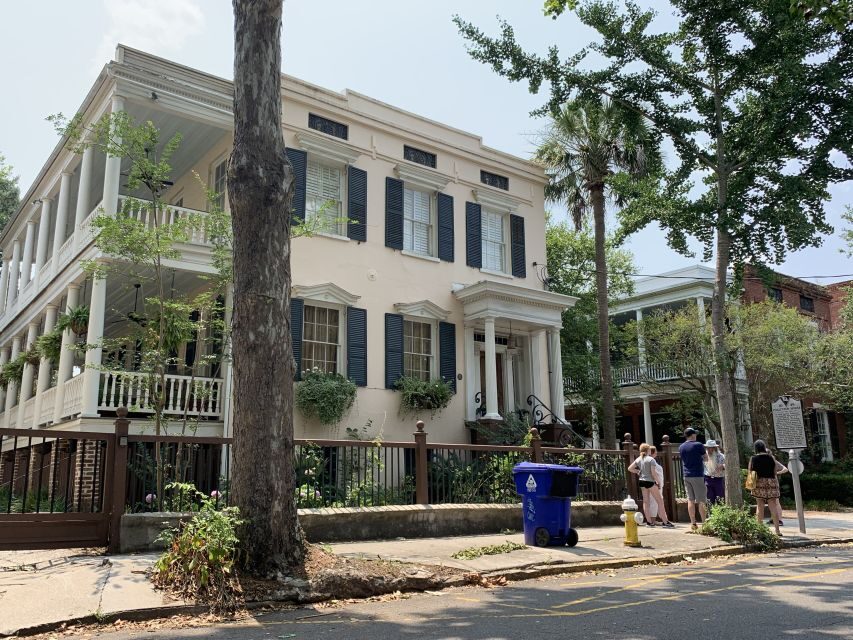
After Philip Simmons, the tour leans into Harleston Village and its architecture. This isn’t just a scenery stop. The streets and buildings become clues for how people lived, did business, and exerted influence. You start seeing the neighborhood as a map of social strategy rather than a set of pretty facades.
I like this approach because it changes how you read a city on your own afterward. When you walk Harleston Village streets before this tour, you might think: nice houses. After, you’re more likely to think: who had money, who had leverage, and how design supported those realities.
The tour also aims to “smash” the idea of women being harmless decorative symbols. By tying architecture to individual stories, it makes the myths feel smaller and the real people feel larger. You come away with a better sense of how Charleston’s physical space reflects human decisions.
If you're still narrowing it down, here are other tours in Charleston we've reviewed




Halsey Gallery of Contemporary Art: Past in Present Clothing
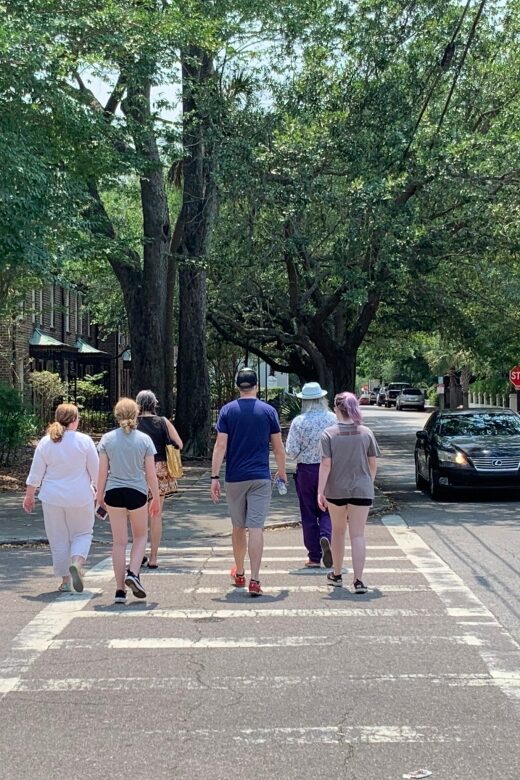
You also get admission to Halsey Gallery of Contemporary Art as part of the experience. That’s a smarter choice than it sounds. Charleston history can become a loop of old names, old dates, and old homes. Bringing in contemporary art right in the middle of the walking tour helps you think about how themes like gender, power, and memory are still being argued today.
From the information shared about the experience, the tour doesn’t present art as an unrelated detour. It’s connected to the same mission—amplifying voices and challenging what gets remembered. There’s also another values layer: $1 from each ticket contributes to the Halsey Contemporary Art Foundation, tying the gallery visit directly to support for current work.
What to expect inside the gallery will depend on the day’s exhibits, but you can count on at least one shift in perspective. You’ll likely leave feeling that history isn’t sealed in the past. It’s still speaking, and art is one of its current dialects.
Guide Style: Great Energy, With a Couple of Real-World Caveats
The guide experience is a major factor on this tour. The name Larry shows up in bookings with strong praise for being personable and good at telling omitted stories. In plain terms: you’re not just getting facts. You’re getting a performance style that keeps the walk moving and the themes clear.
That said, one potential drawback is tone. A guest described condescending language and an uncomfortable feel in a group with multiple women. Another note from a booking mentioned tangents and unfinished stories. There’s also at least one complaint about the tour not visiting certain included stops, which—if it happens on your date—would absolutely derail your expectations.
So here’s my practical advice: if you’re looking for a strictly formal, museum-guide style, go in with that awareness. If you want storytelling with personality and a few detours, this kind of guide style is often a match. Either way, you’ll get the best experience by treating this as an interactive history walk, not a scripted audio tour.
Price and Value: Is $37 a Good Deal for Two Hours?
At $37 per person, this isn’t the cheapest way to spend two hours in Charleston. It is, however, one of the more “value-dense” options because your ticket includes admissions to Halsey Gallery of Contemporary Art and Philip Simmons House, plus an expert guide.
Do the math in your head: if you were paying separately for those entry tickets and then paying for a guided walk, you’d likely pay more than $37. The donation component also makes the value feel more meaningful—$1 per ticket supports both the Halsey Contemporary Art Foundation and the Philip Simmons Foundation. That’s not just a marketing line; it’s built into the experience.
Two hours is also a good length for this theme. Strong stories need time, but attention spans are real. This tour is designed for focus: you move, you stop, you hear a story, you see a place, then you keep going.
If you’re price-sensitive, the key is to be clear about what your departure includes. One complaint involved missing ticketed stops. So if you’re booking last-minute, I’d still verify that both the Halsey and Philip Simmons admissions show up on your date.
Who This Tour Fits Best (and Who Might Want Another Option)
This tour is a good match if you want more than the standard Charleston tour route. It’s described as a fit for bachelorettes, couples, locals, and tourists—which makes sense. It has fun pacing for groups, but it’s also pointed and thoughtful.
It also fits people who like to connect history to real places. You’ll walk through neighborhoods and homes tied to women’s stories, and you’ll see how architecture and ironwork act like historical documents.
If you’re traveling with someone who wants light-and-lovely storytelling only, this may not be the right first choice. It starts dark and stays grounded in serious topics. On the other hand, if you’re the type who likes a tour that challenges easy myths and puts women’s agency in the driver’s seat, you’ll probably feel satisfied after.
Also consider weather and comfort. Since it runs rain or shine, wear shoes you can handle on sidewalks and plan for a bit of walking. Bring a light layer if it’s chilly, and consider water on warm days.
Should You Book the Strong Women of the South History Tour?
I’d book this tour if you want a women-centered Charleston experience that’s not stuck in one stereotype. The pairing of the Old Charleston Jail area, the Old Maids story lens, the Philip Simmons House ironwork, and the Halsey Contemporary Art admission gives you both place-based history and a present-day viewpoint.
I wouldn’t book it blindly if you’re the type who needs a perfectly formal guide voice or a zero-surprises route on a specific date. Because the experience depends on timing and delivery, do yourself a favor: confirm the included stops for your session, then go in ready to pay attention. If you do, $37 for two hours can feel like a strong deal—especially when admissions are folded in and the ticket supports active foundations.
FAQ
How much does the Charleston 2-Hour Strong Women of the South History Tour cost?
It costs $37 per person.
How long is the tour?
The tour lasts 2 hours.
Where does the tour meet?
The meeting point is in front of the Old Charleston Jail at 21 Magazine Street.
What is included with my ticket?
Your ticket includes an expert guide, admission to Halsey Gallery of Contemporary Art, and admission to Philip Simmons House.
Does the tour run in rain?
Yes, it takes place rain or shine.
What language is the tour in?
The tour is offered in English.
Is the tour wheelchair accessible?
Yes, the tour is wheelchair accessible.
Are tips included in the price?
No, tips are not included.
Is free cancellation available?
Yes, you can cancel up to 24 hours in advance for a full refund.