REVIEW · CHARLESTON
Charleston: 3-Hour Secret Food Tour
Book on GetYourGuide →Operated by Secret Food Tours · Bookable on GetYourGuide
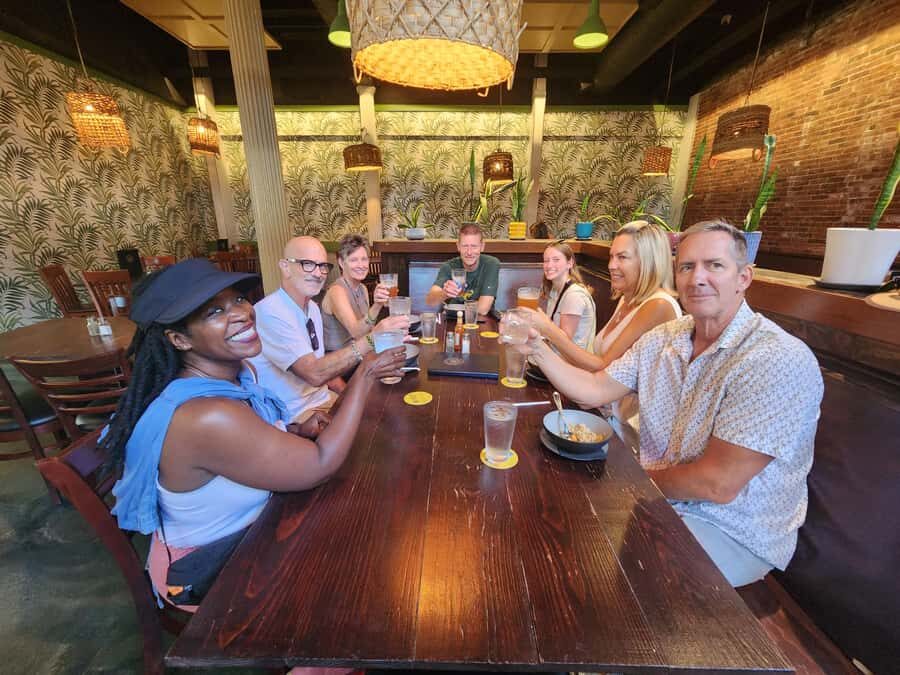
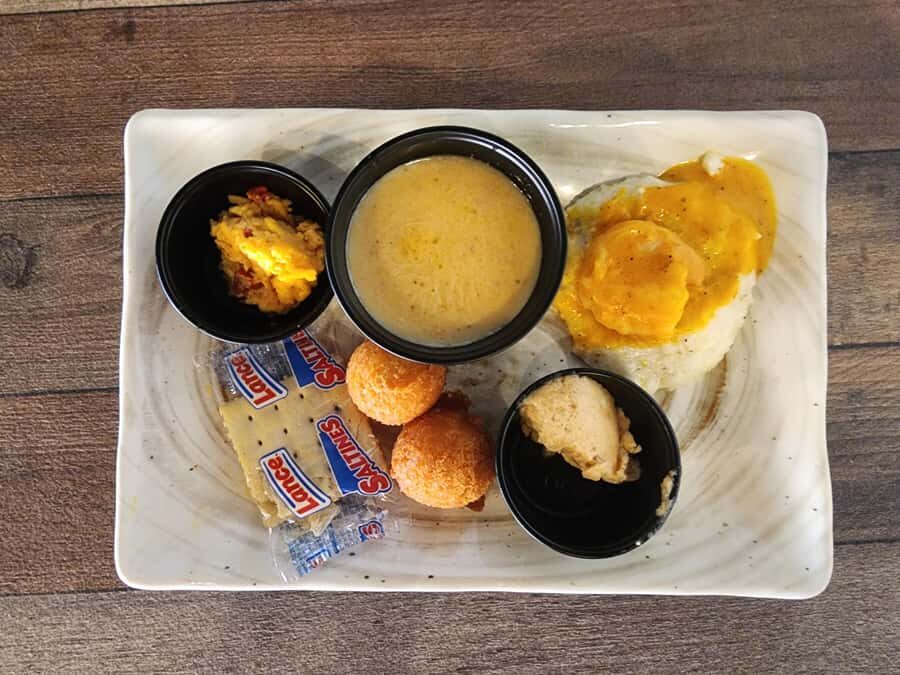
Charleston tastes better when someone else leads. I love the small groups of no more than 10 and the way the tour builds a serious Lowcountry menu, from She-Crab Soup to sweet handmade ice cream. One note: at $117, the value can feel more or less perfect depending on your appetite, and drinks can add extra cost.
You start in front of Port of Call Food + Brew Hall at 99 S Market St Suite 5, with your guide waiting under an orange umbrella. Guides like Robin, Nathan, and Crystin show up often in great feedback, and the tour is designed to pair food with stories, not just plates and walking.
In This Review
- Key Things I’d Prioritize
- Starting at Port of Call: The easiest way to get oriented fast
- The first food bite: South Carolina-style BBQ and the promise of old-school flavor
- Historic Charleston City Market: Food culture meets the real past
- A neighborhood off the typical route: why the walking route feels smarter
- Seafood stop: tasting Charleston’s freshest options
- Handmade ice cream: the locally sourced sweet that makes the tour feel special
- The Secret Dish: the twist that stops it from feeling routine
- Guide quality: what you gain when someone like Robin, Hanna, or Joe leads
- Price and value: is $117 fair for 3 hours of tastings and stories?
- Who this Charleston food tour fits best
- Should you book this Charleston 3-Hour Secret Food Tour?
- FAQ
- How long is the Charleston 3-Hour Secret Food Tour?
- Where do I meet the tour guide?
- What is the price per person?
- Is transportation included?
- How big is the group?
- What language is the tour guide speaking?
- Is there a cancellation window?
Key Things I’d Prioritize
- Small-group pacing with a hard cap of 10 people, so questions and conversation actually work
- Lowcountry must-haves like She-Crab Soup, plus BBQ and seafood in the mix
- Historic City Market stroll tied to how Charleston ingredients and traditions evolved
- Ingredient history you can taste including benne seeds and collard greens
- A sweet finish with handmade ice cream made from scratch using locally sourced ingredients
- The Secret Dish you do not see coming, which makes the tour feel like more than a checklist
Starting at Port of Call: The easiest way to get oriented fast
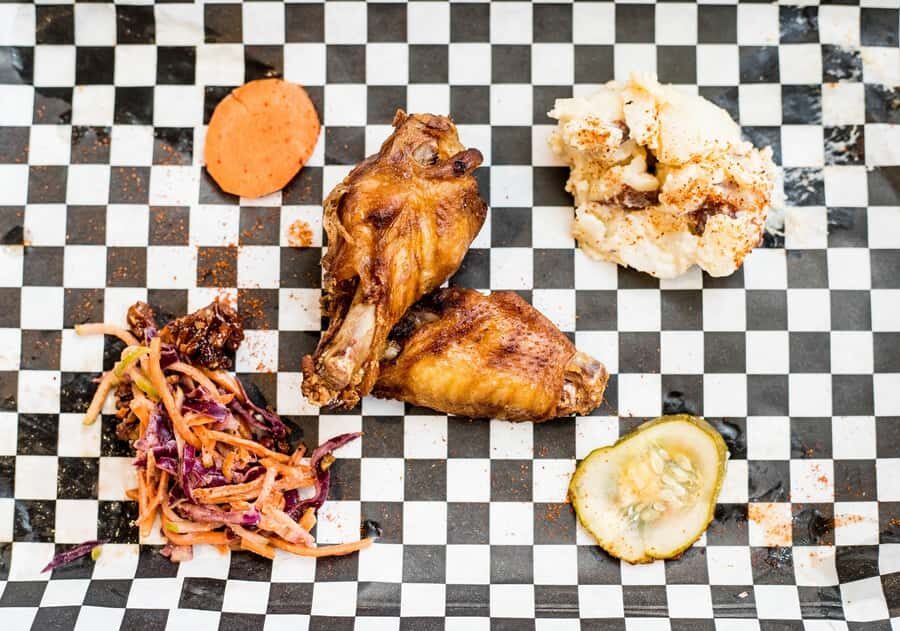
Your tour begins right where people naturally pass through downtown: in front of Port of Call Food + Brew Hall, 99 S Market St Suite 5. Look for the orange umbrella and a big smile, and plan to meet there instead of trying to locate a moving rendezvous point later.
This matters more than you might think. In Charleston, the streets are charming, but directions can get slippery fast. Starting at a clear downtown landmark helps you relax and focus on what you came for: eating your way through the city.
Also, transportation is not included. So you’ll want to have your own plan for getting to the meeting point (walking, rideshare, or whatever fits your schedule). The good news is the tour is only 3 hours, so you are not signing up for a half-day commitment.
Other food & drink experiences in Charleston
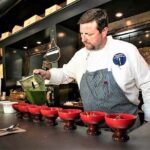
The first food bite: South Carolina-style BBQ and the promise of old-school flavor
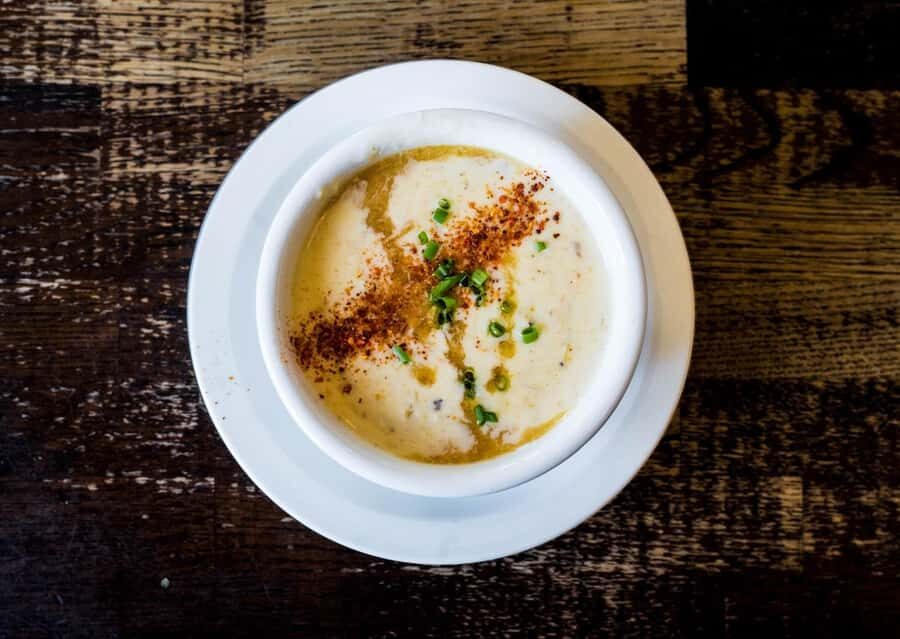
The tour kicks off with South Carolina-style BBQ. It’s described as being believed to be the oldest barbeque in the world, and even if you do not treat that claim like gospel, it sets the right tone: this is not trendy food theory, it’s tradition you can taste.
What I like about placing BBQ early is simple. BBQ is smoky, filling, and full of flavor, which gives you a comfortable base before you start stacking the rest of the menu. By the time you reach the market and the history stops, you are not running on empty.
One practical perk: BBQ usually pairs well with casual walking. You are not stuck needing a long sit-down restaurant meal right away, and the tour keeps you moving at a doable pace, which shows up in feedback about the walk feeling manageable even for people who were cautious after surgery.
Historic Charleston City Market: Food culture meets the real past
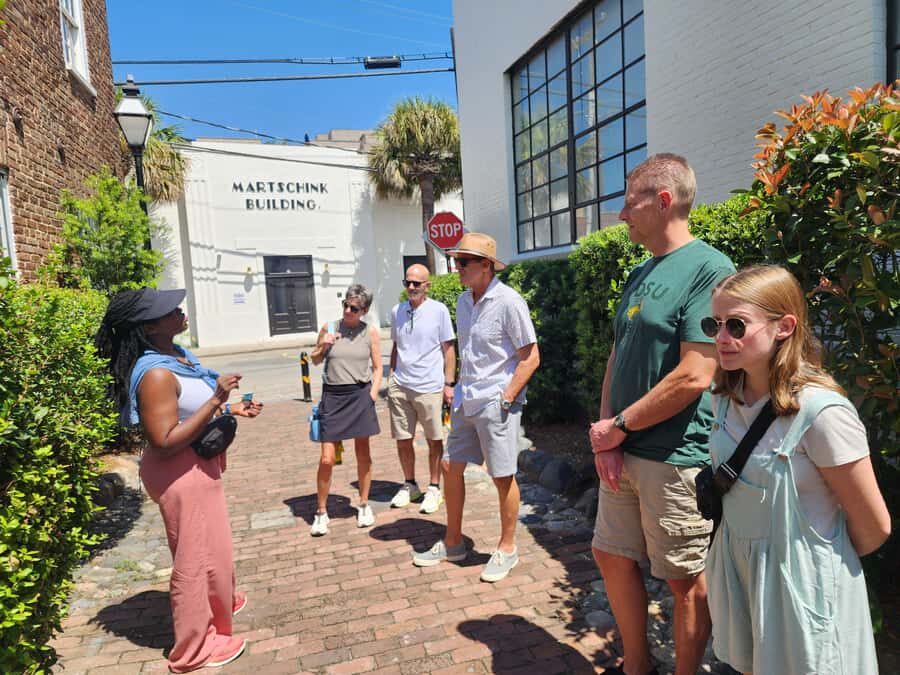
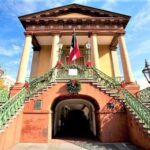
Next you stroll through the Historic Charleston City Market. This is one of those places that tourists photograph, but the tour approach is what changes the experience. You are not just looking at stalls. You’re getting an explanation of how local cuisine was shaped by the African slave trade and its impact on the foods that became staples in the Lowcountry.
This part is important because it answers a question you might otherwise miss. When you taste flavors that feel old-fashioned or regional, you want to know where they came from. The tour points you toward specific ingredients that grew into everyday staples—especially benne seeds and collard greens—and how they were introduced to the local diet.
You do not need a history degree to get value here. The goal is to connect what you eat with why it exists in Charleston, and why those flavors show up again and again.
A neighborhood off the typical route: why the walking route feels smarter
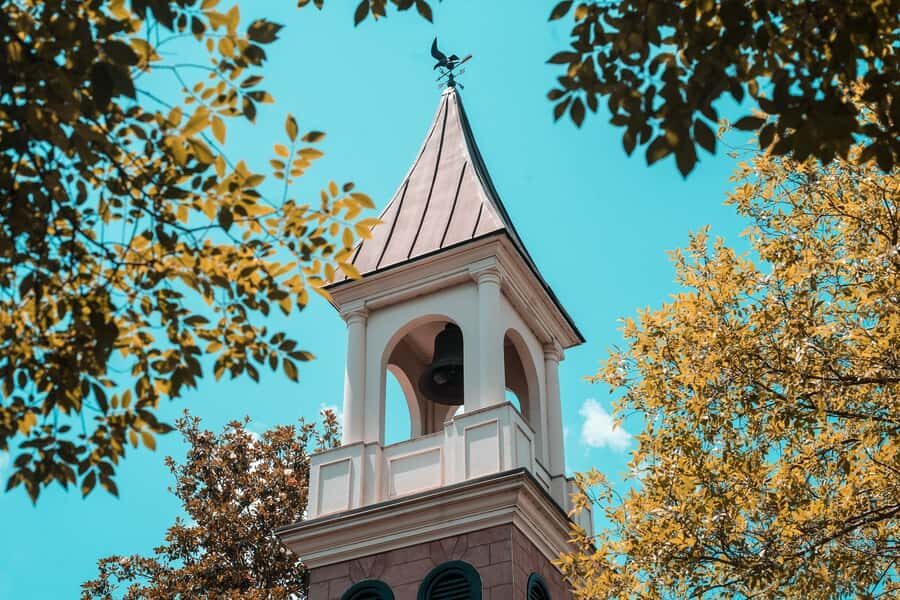
One of the standout promises is exploring a beautiful neighborhood outside the typical tourist route. That is not just marketing fluff. When you walk away from the most photographed blocks, you tend to see how locals actually live—where the food culture sits in the real geography of the city.
The tour is listed as a leisurely stroll through areas that connect the dots between food and place. Feedback is also pretty consistent about the pace being light enough for different kinds of visitors, including families and people who were a bit wary after knee replacement surgery. That doesn’t mean it’s a zero-walking experience, but it does suggest the tour is planned for a “stroll and stop” rhythm rather than a speed-walk scavenger hunt.
If you visit Charleston in warmer months, you will still want comfortable shoes and water. A food tour makes you thirsty, and you cannot enjoy the market history with legs that are already mad at you.
Seafood stop: tasting Charleston’s freshest options
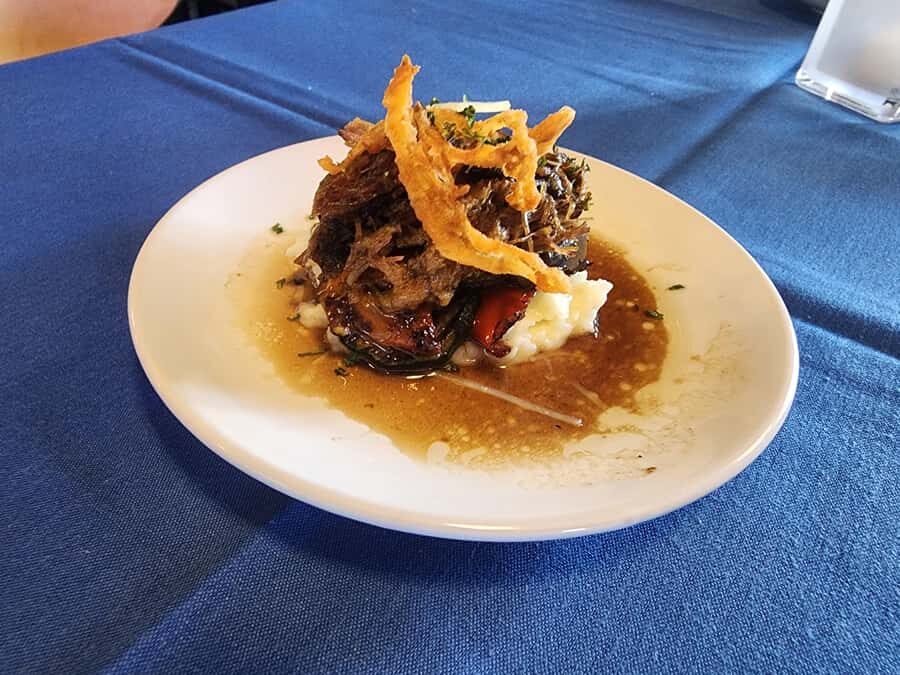
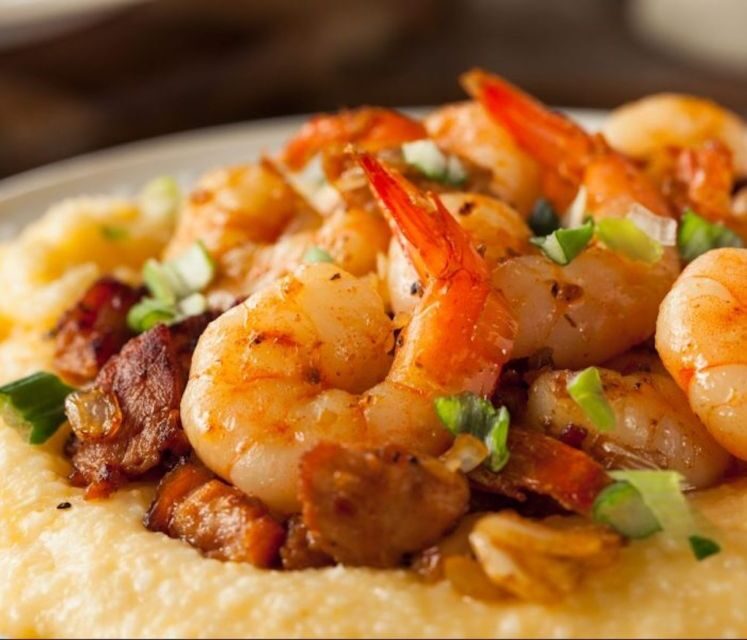
No Lowcountry-focused food tour feels complete without seafood, and this one calls out the chance to sample the freshest seafood Charleston offers. Seafood in Charleston is not just about luxury. It’s part of daily life and seasonal rhythm, so eating it here helps you understand why the city’s menu often leans coastal.
Why place the seafood after the market history? Because by then, the story has context. You’ve already learned how ingredients became local staples. Now you get to taste the ocean-side result of that same regional logic.
If you love variety, this is where the tour delivers. BBQ and history are one track. Seafood shifts you into lighter, brinier flavors that reset your palate so the final sweet portion does not hit heavy.
If you're still narrowing it down, here are other tours in Charleston we've reviewed

Handmade ice cream: the locally sourced sweet that makes the tour feel special
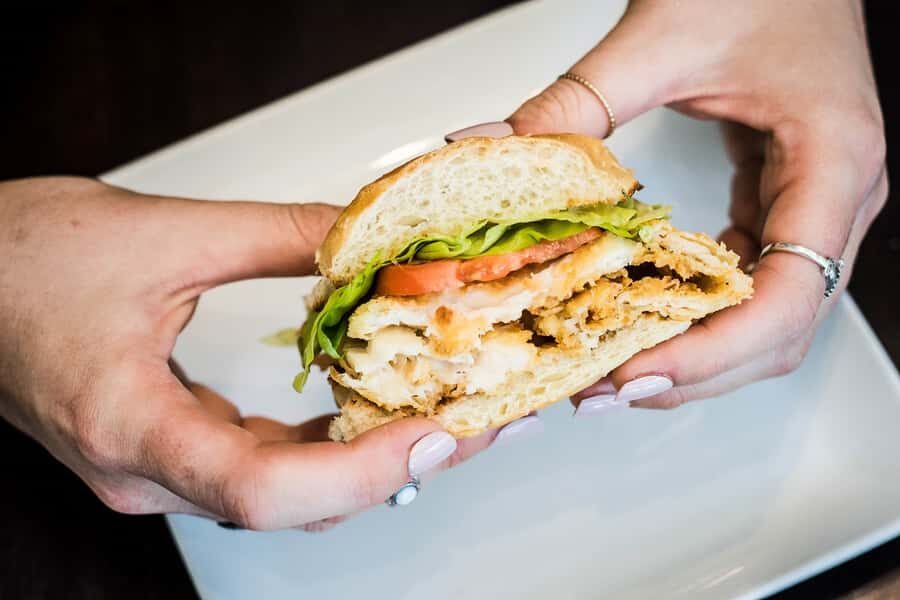
Then comes one of the most crowd-pleasing elements: sweet relief in the form of handmade ice cream crafted from scratch. The ingredients are described as locally sourced from Lowcountry farmers, purveyors, and chefs.
Even if you are not usually an ice cream person, this is the kind of stop that makes a guided tour feel worth it. It’s not just dessert. It’s a way to end the tour with something clearly tied to the region’s supply chain and local food culture.
Look for the difference between mass-produced ice cream and what you get when it’s made from scratch. You tend to taste more pronounced dairy and flavor depth, and the texture is often more “real” than airy. A guided tour that ends with ice cream also makes timing easier. You’re not hunting for dessert later while your feet are tired and your group is scattered.
The Secret Dish: the twist that stops it from feeling routine
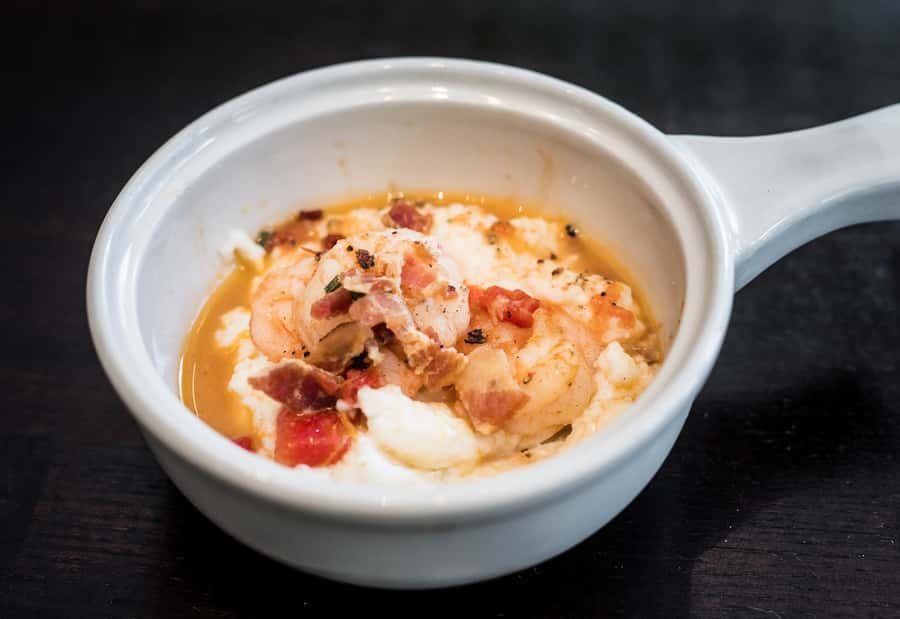
Every tour has tastings. Most food tours give you tastings that you can predict. This one includes a Secret Dish, which is exactly how it sounds: a specific final surprise that you don’t know in advance.
That small uncertainty is the secret sauce. It keeps you present as you go—because you’re always wondering what’s next—without making the tour feel chaotic. For many people, that’s the difference between a list of stops and a real experience.
Also, the secret dish slots in nicely right after the ice cream conceptually, even if it may vary how it is presented. The message is consistent: the tour keeps feeding you, and it plans the ending so you walk away satisfied, not just entertained.
Guide quality: what you gain when someone like Robin, Hanna, or Joe leads
The tour relies on a local guide, live and in English, in groups of 10 or fewer. That sounds straightforward until you see why people consistently praise the guides by name.
In the feedback provided, you’ll see repeated high marks for guides including Robin, Nathan, Crystin, Hanna, Joe, and others such as Amy, Andrew, and Brandon. The common thread is not just friendliness. It’s storytelling and the ability to connect food with Charleston culture and history while keeping it fun for different ages.
If you’re traveling with teens, or you like your tours to be part lesson and part meal, that kind of guiding matters. A good guide turns random streets into a timeline, and it helps you taste with attention instead of just checking boxes.
And because small groups are capped, the guide can actually respond to the room. That also helps if your group includes walkers of different speeds, since the pacing tends to stay flexible rather than rigid.
Price and value: is $117 fair for 3 hours of tastings and stories?
At $117 per person for a 3-hour tour, you are not buying a cheap snack run. You are paying for a package: an experienced local guide, small-group format (max 10), local cuisine, and insight into Lowcountry food plus cultural and historical context.
Here’s how I think about the value in real terms:
- If you would otherwise pay for multiple restaurant stops plus a guide for context, you may feel this pricing is in the same universe.
- If you tend to eat lightly while traveling, you might feel the tour is expensive for the quantity.
- One piece of feedback notes that additional cost for drinks can come into play, which is worth planning for so you are not surprised at the end.
My practical take: this tour is best when you genuinely want the guided part. If your plan is to eat a full meal somewhere afterward, you might want to go a bit lighter earlier in the day.
Who this Charleston food tour fits best
This tour is a strong match if you want:
- Lowcountry cuisine without spending hours choosing where to eat
- Food plus context, especially around ingredients tied to Charleston’s history
- A manageable walking length with frequent stops
- A lively, social experience with a small group size
It also makes sense for families with teens, since guides were praised for handling younger audiences well. And if you are returning to Charleston after a long trip day, the 3-hour length is short enough to feel doable.
Should you book this Charleston 3-Hour Secret Food Tour?
I’d book it if you like your travel experiences to mix food with stories, and you want help picking the right bites in a city where that choice can be overwhelming. The small-group limit and the mix of BBQ, City Market history, seafood, handmade ice cream, and the Secret Dish add up to more than a single meal.
Skip it (or at least think twice) if $117 feels like too much risk for you, or if you prefer eating completely on your own schedule with no guide-led pace. Also, if you plan to order drinks, factor that into your budget so the total matches your expectations.
If you want a guided shortcut to Charleston’s Lowcountry flavors, this is one of the cleaner ways to do it in a short time.
FAQ
How long is the Charleston 3-Hour Secret Food Tour?
It runs for 3 hours.
Where do I meet the tour guide?
Meet in front of Port of Call Food + Brew Hall at 99 S Market St Suite 5, Charleston, SC 29401. You’ll be waiting with an orange umbrella.
What is the price per person?
The price is $117 per person.
Is transportation included?
No, transportation is not included.
How big is the group?
The tour is a small group capped at no more than 10 participants.
What language is the tour guide speaking?
The tour is guided in English.
Is there a cancellation window?
Yes. Free cancellation is available up to 24 hours in advance for a full refund.