REVIEW · CHARLESTON
Charleston: History and Architecture Guided Walking Tour
Book on GetYourGuide →Operated by Empire Tours and Productions (Charleston Tour Company) · Bookable on GetYourGuide
Charleston is a city built on small surprises. This history and architecture walking tour strings those surprises together into one easy 1-mile loop, with guided stops in classic downtown neighborhoods plus interior access where available. You get the stories behind the facades, and you also get to walk the quieter spots most people never notice.
I love how the guide-led pacing makes the sights feel understandable, not just scenic. I also like the focus on “look closer” details like centuries-old gates and wrought iron work, plus the payoff of three secret alleys that connect big history to small street-level moments. The price is also refreshing for what you receive: a guided tour with multiple landmark stops in 90 minutes.
One consideration: it’s a leisurely stroll with frequent stops, and it departs rain or shine. If you’re expecting a mostly seated tour or you need help with mobility beyond what a short downtown walk allows, you should think twice and confirm what the route will feel like for you.
In This Review
- Key Things You’ll Notice on This Charleston Architecture Walk
- A 90-Minute Walk That Helps Charleston Click Into Place
- Meeting Under the Charleston Tours & Activities Awning (and Why Timing Matters)
- How the Route Moves Through South of Broad and the French Quarter Districts
- South Carolina Architecture Lesson One: Gates, Ironwork, and Hidden Entrances
- Three Secret Alleys That Turn Photos Into Stories
- Landmark Interiors: St. Michael’s Church, Dock Street Theatre, and the Old Exchange
- St. Michael’s Church
- Dock Street Theatre
- Old Exchange
- Rainbow Row, City Market, and St. Philip’s Church for Context and Energy
- Rainbow Row
- City Market
- St. Philip’s Church
- Finish at the Pineapple Fountain: A Clean End Point for Your Next Stop
- Price and Value: Why $29 Feels Like a Fair Deal
- What to Bring and How to Prepare for Rain or Shine
- Who This Charleston Walking Tour Is Best For
- Should You Book This Charleston History and Architecture Tour?
- FAQ
- How long is the Charleston History and Architecture Guided Walking Tour?
- How much walking is involved?
- What are the main stops on the tour?
- Does the tour run in bad weather?
- What’s included in the ticket price?
- Where do I meet the guide?
- What should I bring?
Key Things You’ll Notice on This Charleston Architecture Walk
- Three secret alleys that make you feel like you found Charleston’s backstage areas
- Historic interiors at St. Michael’s Church, the Old Exchange, and the Dock Street Theatre (all subject to availability)
- Wrought-iron gates and architectural details you’ll never spot on a quick drive-by
- South of Broad + the French Quarter Districts with cobblestones, courtyards, and photo-friendly street corners
- Rainbow Row, City Market, and St. Philip’s Church for big iconic hits and local texture
- A finish at the Pineapple Fountain, so your walk naturally wraps up in a classic downtown anchor
A 90-Minute Walk That Helps Charleston Click Into Place
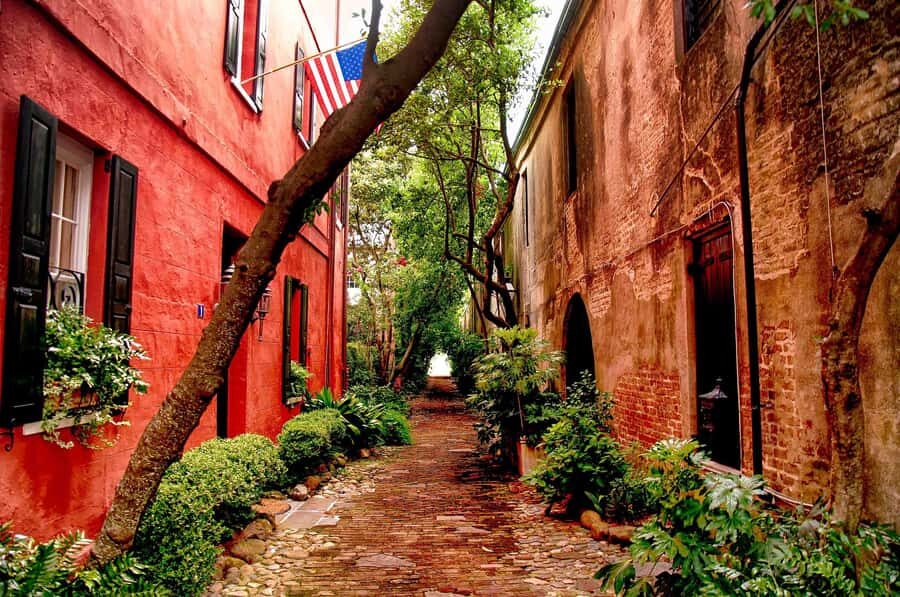
The biggest reason I like this tour is simple: it teaches you how to read Charleston. You’ll stand in front of historic buildings and learn why certain choices were made—design, materials, layout, and how people lived around those streets. After the tour, the city makes more sense, and you’ll notice details that used to look random.
It also helps that the format is compact. At 90 minutes and about a 1-mile route, you’re not locked into a full half-day excursion. You can fit this into your first or second day without losing a chunk of your schedule.
Other walking tours we've reviewed in Charleston



Meeting Under the Charleston Tours & Activities Awning (and Why Timing Matters)
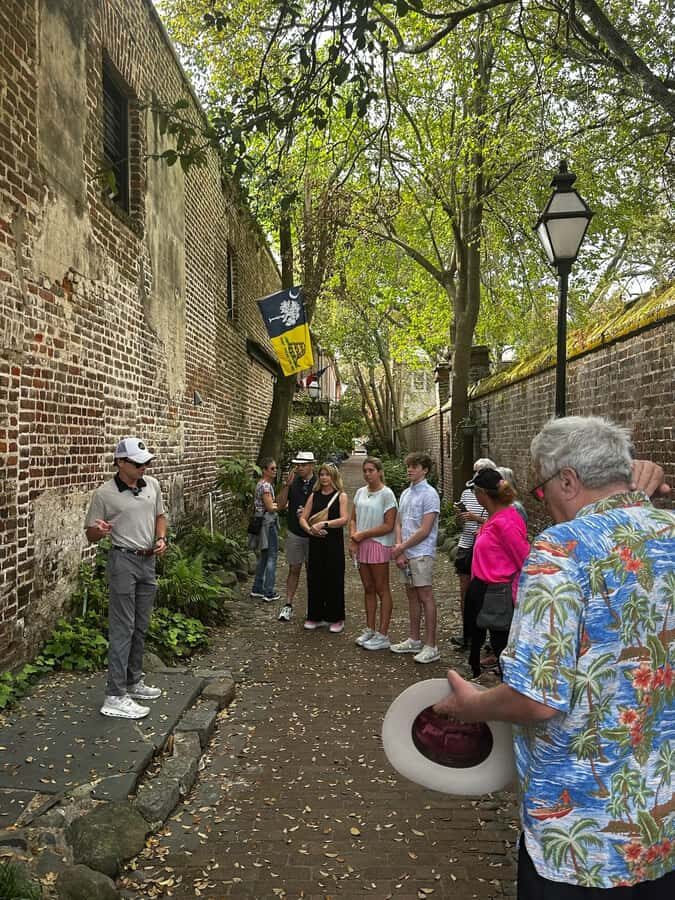
You meet underneath the awning in front of the Charleston Tours & Activities windows. Guides typically arrive about 15 minutes early, so if you get there before your start time, it’s worth waiting calmly rather than rushing. If you can, arrive about 10 minutes early to check in.
This matters because the tour moves by walking and stops. If you’re late, you’ll spend your time trying to catch up instead of enjoying the opening context and the first architecture lessons. Think of the first few minutes as your mental warm-up.
How the Route Moves Through South of Broad and the French Quarter Districts
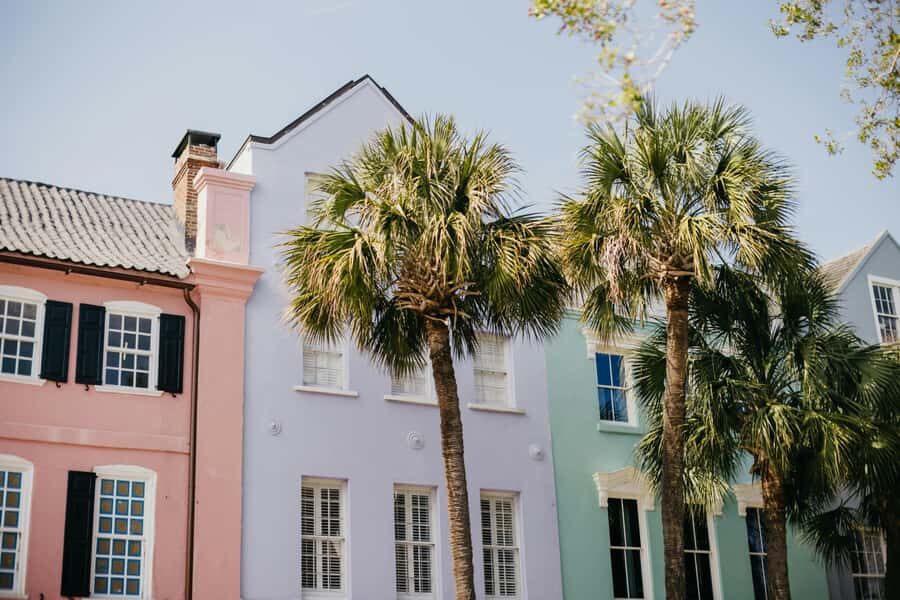
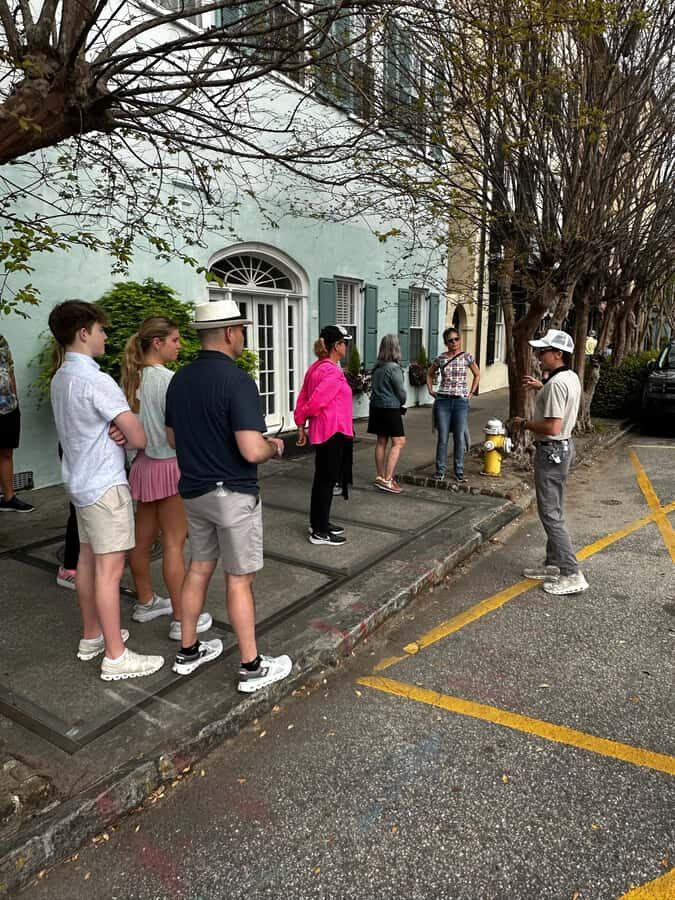
The walk focuses on Charleston’s historic downtown, especially South of Broad and the French Quarter District area. Expect cobblestone streets, charming residential-feeling blocks, and homes with architectural features that look decorative until you learn what they were built to do.
You’ll also get frequent stops, so the experience doesn’t feel like a race through landmarks. That rhythm is a gift in a city like Charleston, where the best parts are often small: ironwork patterns, gate shapes, and the way a street curves to reveal a view.
Because the tour is a leisurely stroll, it’s a good match if you want to see a lot without sprinting. But if you hate waiting in lines or you prefer fast sightseeing, you might feel the frequent pauses more than you’d like.
South Carolina Architecture Lesson One: Gates, Ironwork, and Hidden Entrances
One of the tour’s strongest themes is the beauty and function of wrought iron on older gates. You’ll learn how these gateways aren’t just pretty; they’re part of how properties are set off, protected, and connected to street life. Even if you’re not an architecture nerd, iron patterns are the kind of detail your eyes latch onto quickly.
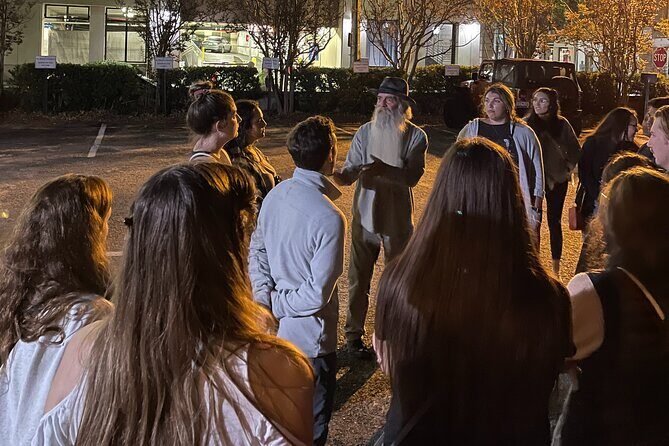
This is where a good guide really earns their fee. The way guides like Jeff and Emerson talk about what you’re looking at changes the whole experience. Instead of thinking, Nice building, you start thinking, Oh—that’s the clue.
Also, don’t underestimate how much gates and alleys shape your photos. You’ll be standing where people don’t usually pose, and the lines of the ironwork create natural frames.
Three Secret Alleys That Turn Photos Into Stories
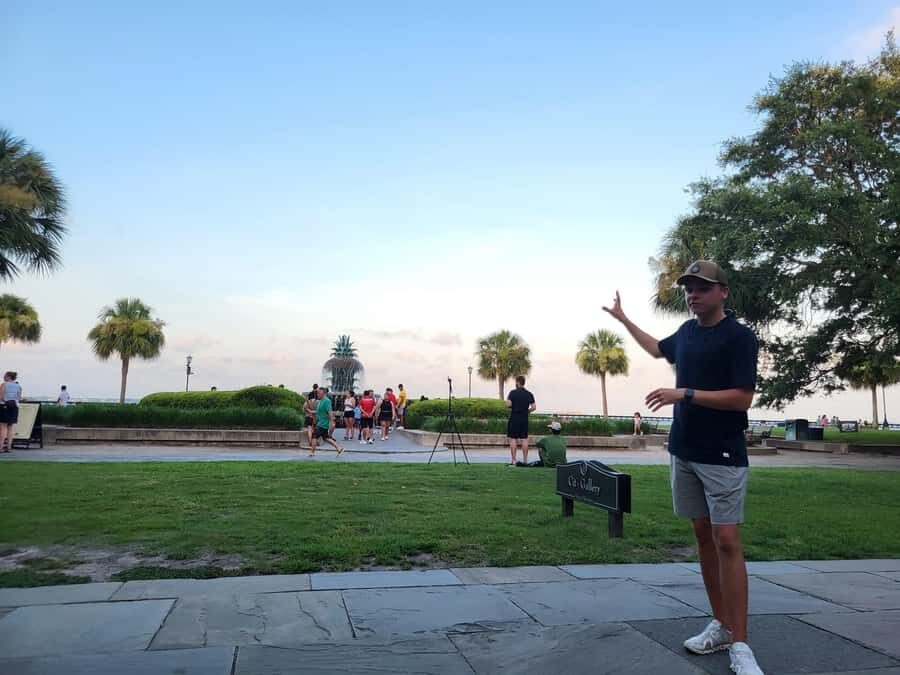
A standout feature is the chance to visit three secret alleys. These lanes are part of Charleston’s layout and history, but they also work like living captions—small passages that make the bigger streets feel less intimidating. After you walk through a couple, you’ll understand why these shortcuts and tucked-away corridors matter.
This is the kind of experience that’s hard to replicate solo. You might find a similar alley on your own, but you’d be missing the context that explains why those paths exist and what they meant for daily life.
One small takeaway that will help you enjoy this part: slow down and look upward as you enter. Alleys tend to reveal changes in building height, walls, and iron details that you miss if you only aim your phone at street level.
Other guided tours in Charleston





Landmark Interiors: St. Michael’s Church, Dock Street Theatre, and the Old Exchange
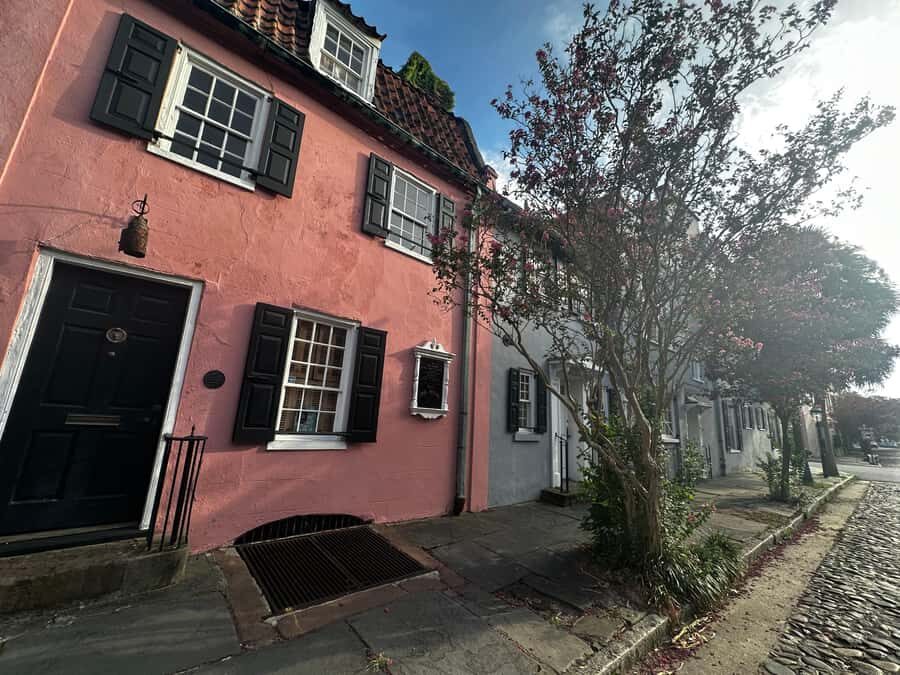
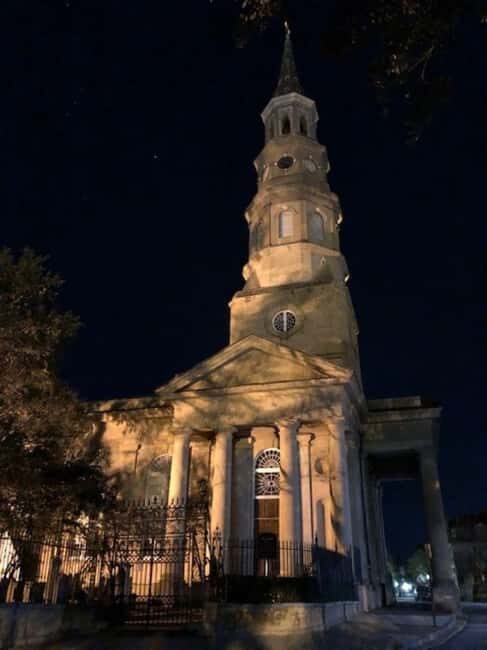
You’ll go inside several major landmarks, though each is subject to availability: St. Michael’s Church, the Dock Street Theatre, and the Old Exchange. When interior access is available, it upgrades the tour from “great exterior architecture” to “you understand the space, not just the facade.”
St. Michael’s Church
You’ll step into St. Michael’s Church, and that interior visit helps you feel what historic Charleston meant to worship and community life. Churches here are often central not only in geography but in identity, so even a short interior stop can add weight to everything you’ve seen outside.
Dock Street Theatre
The Dock Street Theatre stop adds a different angle: how Charleston’s historic buildings stay alive through culture. It’s a useful contrast point while you’re walking, because you’re seeing the same themes—craft and design—applied to a public venue rather than a private home.
Old Exchange
The Old Exchange interior visit rounds things out with a sense of commerce and civic history. It’s one of those places where architecture feels tied to purpose, not just style.
A practical note: since interior access can depend on availability, don’t build your entire day on a perfect “every door opens” promise. Still, even when an interior isn’t possible, the exterior framing around these stops tends to keep the story intact.
Rainbow Row, City Market, and St. Philip’s Church for Context and Energy
After the quieter, alley-focused parts, the tour builds you back toward the iconic downtown anchors.
Rainbow Row
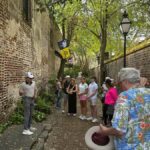
You’ll see Rainbow Row, which works best on a tour like this because you won’t just admire the color—you’ll understand why these buildings matter and how preservation shapes what you see today. It’s the classic photo moment, but it lands harder with context.
City Market
At City Market, you get a change of pace. Markets are where a city’s day-to-day rhythm shows itself, and Charleston’s market energy makes the architecture feel connected to real life, not trapped behind history plaques.
St. Philip’s Church
The St. Philip’s Church stop gives another historic anchor to tie into the earlier church visit at St. Michael’s. By the time you reach this point, you’ll likely be noticing how different structures express community life in different ways.
Finish at the Pineapple Fountain: A Clean End Point for Your Next Stop
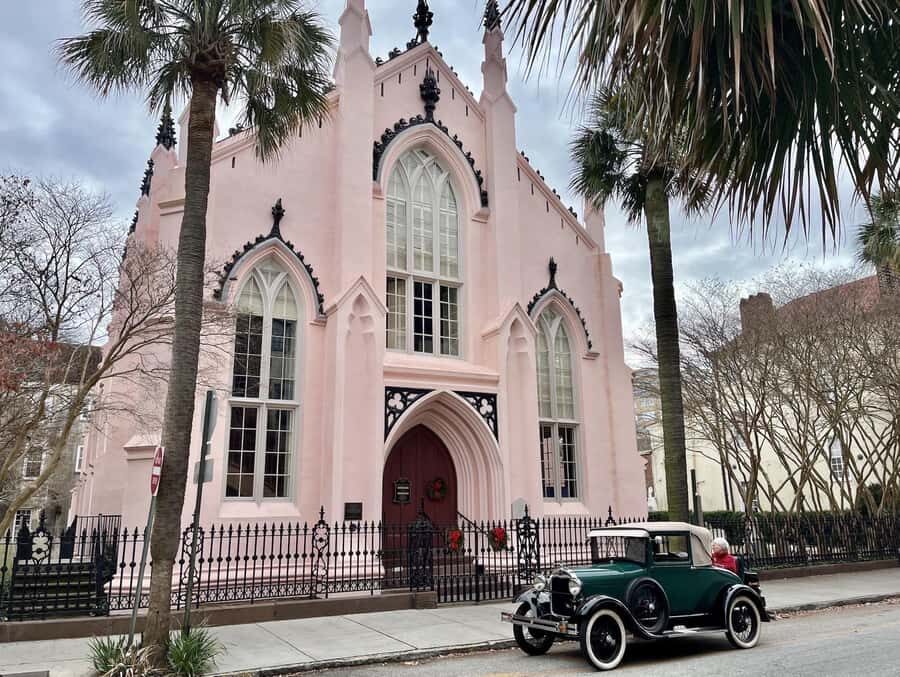
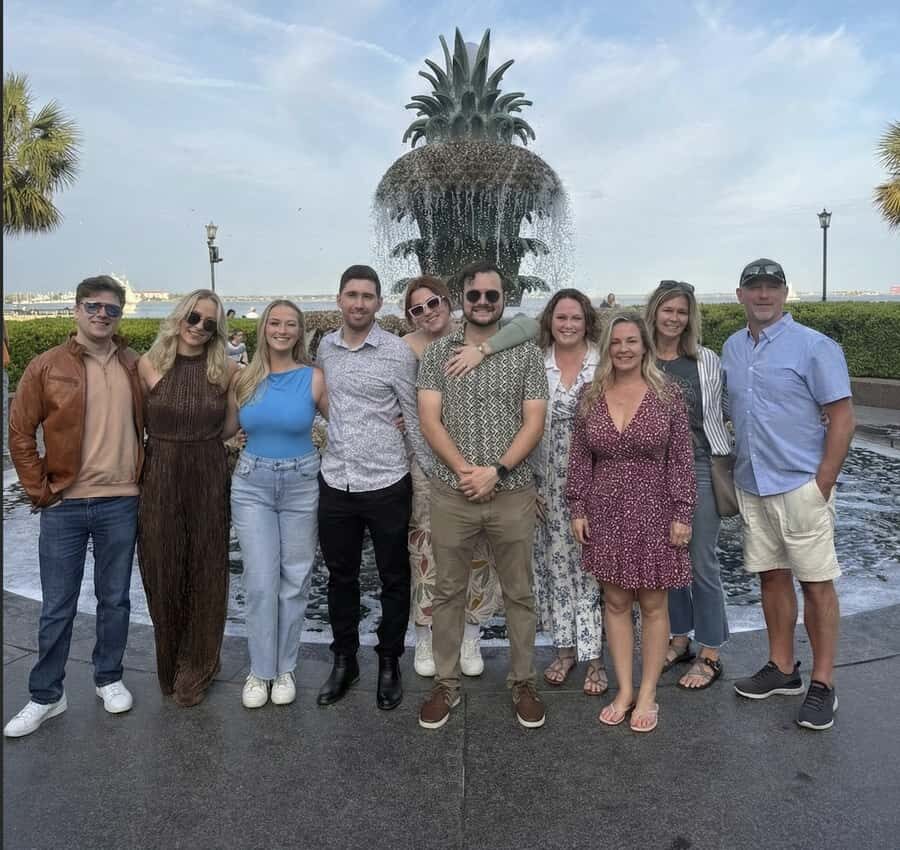
The tour ends at the Pineapple Fountain. I like an end point like this because you can easily transition into your next plan—coffee, dinner, a museum, or a walk to another part of town. You don’t end up far from where you want to be.
Also, the pineapple motif is one of those Charleston details people recognize even if they can’t place the history at first. Finishing here helps your brain connect the walk to a recognizable downtown landmark.
Price and Value: Why $29 Feels Like a Fair Deal
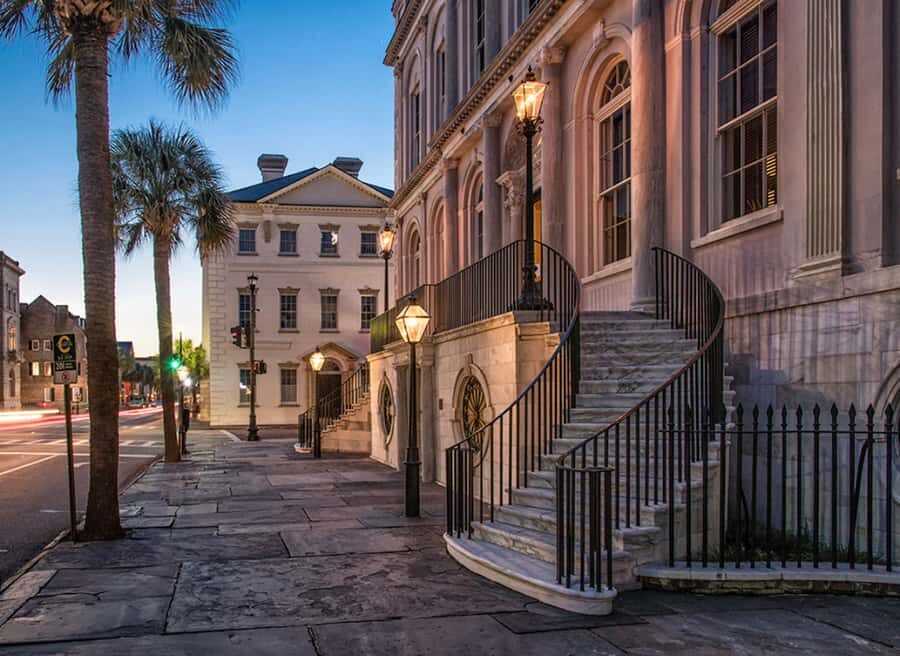
At $29 per person for 90 minutes, this tour is priced in a sweet spot: it’s not a budget squeeze, and it’s not a “pay for a lifestyle” premium either. You’re getting an expert local guide, walking time, three secret alley stops, and potential interior access to multiple major landmarks—all concentrated into about a mile.
What makes it feel like good value is not only the list of stops. It’s the way the guide turns those stops into an organized story. When a guide like Jeff, Emerson, Jackson, or Page answers your questions clearly and connects architecture to local and national context, the tour becomes more than a checklist.
If you’re visiting for the first time, I’d treat this as your fast-track to understanding how Charleston’s downtown is put together. If you already know the basics, you’ll still benefit from the alley access and the ironwork/gate detail focus, which is where the tour gets specific.
What to Bring and How to Prepare for Rain or Shine
This tour departs rain or shine, so plan accordingly. Bring comfortable shoes because cobblestones can be hard on stiff soles, especially when you stop and start frequently. Wear weather-appropriate clothing and bring a lightweight layer if the forecast looks iffy.
Also, it’s about a 1-mile stroll with stops. That’s manageable for many people, but if your day usually includes a long amount of walking, you’ll want to keep your energy steady for this one.
Lastly, the tour is described as wheelchair accessible, but it’s also noted as not suitable for people with mobility impairments. If that applies to you, I’d recommend confirming directly with the operator what the route feels like in practice for your needs, especially on uneven cobblestones.
Who This Charleston Walking Tour Is Best For
This is a great fit if you want:
- A guided introduction to Charleston’s architecture and how it connects to real life
- Secret alleys plus major downtown icons like Rainbow Row and City Market
- A tour style that leaves room for questions and answers
It’s also a smart choice if you’re the kind of person who likes stories while you walk. Several guides highlighted in the experience style—like Jeff’s entertaining anecdotes, Emerson’s history framing, and Page’s ability to keep things clear—suggest that you’ll get more than facts. You’ll get a viewpoint.
If you want a slow, museum-like pace with lots of sitting time, you might find the walking-heavy format less appealing. And if you need an extremely detailed focus on one specific topic, you may want to ask your guide ahead of time how they prioritize different parts of Charleston’s past, since the balance of topics can vary by guide.
Should You Book This Charleston History and Architecture Tour?
If you want a well-run, story-driven way to learn Charleston’s downtown without over-planning, I think you should book it. Three secret alleys, classic architecture details, and the chance to see interiors at key landmarks make it feel like a full experience in just 90 minutes.
I’d skip or at least confirm details first if you strongly dislike walking on cobblestones, need more time seated than walking allows, or have accessibility needs that might conflict with uneven historic streets. And if you’re arriving when it’s wet or hot, dress for the weather because the tour keeps going.
For most people, though, this is one of the easier ways to get your bearings fast—and make Charleston look meaningful instead of just pretty.
FAQ
How long is the Charleston History and Architecture Guided Walking Tour?
The tour lasts about 90 minutes.
How much walking is involved?
It covers about 1 mile at a leisurely pace with frequent stops.
What are the main stops on the tour?
You’ll see Rainbow Row, City Market, St. Philip’s Church, and you’ll also have the chance to visit three secret alleys. The tour also includes interiors for St. Michael’s Church, the Old Exchange, and the Dock Street Theatre if available.
Does the tour run in bad weather?
Yes. The tour departs rain or shine.
What’s included in the ticket price?
You get a guided walking tour with an expert local guide, visits to three secret alleys, and entrance to St. Michael’s Church, the Old Exchange Building, and the Dock Street Theatre (subject to availability).
Where do I meet the guide?
You meet underneath the awning in front of the Charleston Tours & Activities windows. Guides typically arrive around 15 minutes early.
What should I bring?
Bring comfortable shoes and weather-appropriate clothing.