REVIEW · CHARLESTON
Charleston: Small-Group Ghost Walking Tour at Night
Book on GetYourGuide →Operated by Charleston's Ghosts of the South LLC · Bookable on GetYourGuide
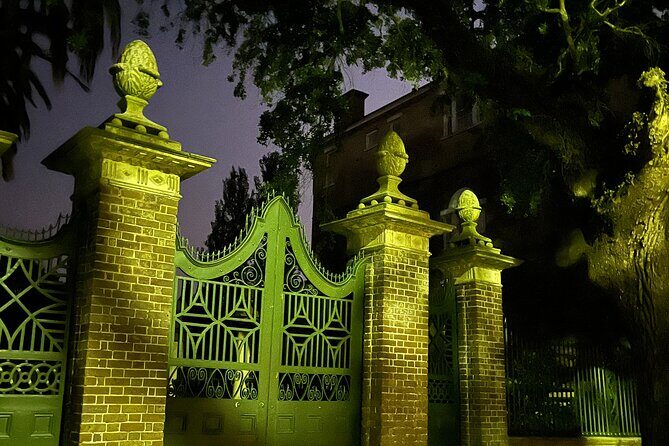
Cold air, older secrets, and cobblestones. This Charleston ghost walking tour is built around documented paranormal history, told by a local licensed guide (no scripted actors) as you move through the city’s dark corners. I love the small-group size (10 people max), because the stories land better when you can actually hear the guide at night.
I also like how the tour connects the macabre to specific local sites you can picture easily in daylight: the cursed 1709 judge, the pirate-world streets, and St. Philip’s cemetery. One key consideration: the content is authentic and history-heavy, so it’s not recommended for children under 12 (and it’s not suitable under 10).
In This Review
- Key things that make this ghost walk worth it
- Price and what you’re really paying for
- Where the tour starts (and the easiest way to show up ready)
- The 60-minute rhythm: how the tour keeps moving at night
- Stop-by-stop: what you’ll see and why it matters
- 1) 80 N Market St: setting the tone before you step into the dark
- 2) 50 Meeting St: Judge Nicholas Trott’s 1709 pirate curse
- 3) 145 Church St: the next layers of old Charleston atmosphere
- 4) 142 Church St: more corners, more reported cold spots
- 5) St. Philip’s Church: the church side of the haunting
- 6) St. Philip’s Episcopal Church Cemetery (founded 1681)
- 7) The Mills House Wyndham Grand Hotel: the drama of Room 10
- Ghost photo tips: how to actually get something (without going broke)
- The famous Kodak ghost photo spot: why the positioning matters
- Small group size: the difference between listening and getting lost
- Weather, time of year, and how to plan around the darkness
- Who this tour is best for (and who should skip it)
- Quick practical checklist before you go
- Should you book this Charleston ghost walk?
- FAQ
- Where is the meeting point for the tour?
- How long is the ghost walking tour?
- What does the tour cost?
- Is the tour wheelchair accessible?
- How big is the group?
- What should I bring or wear?
- Is this tour suitable for children?
Key things that make this ghost walk worth it
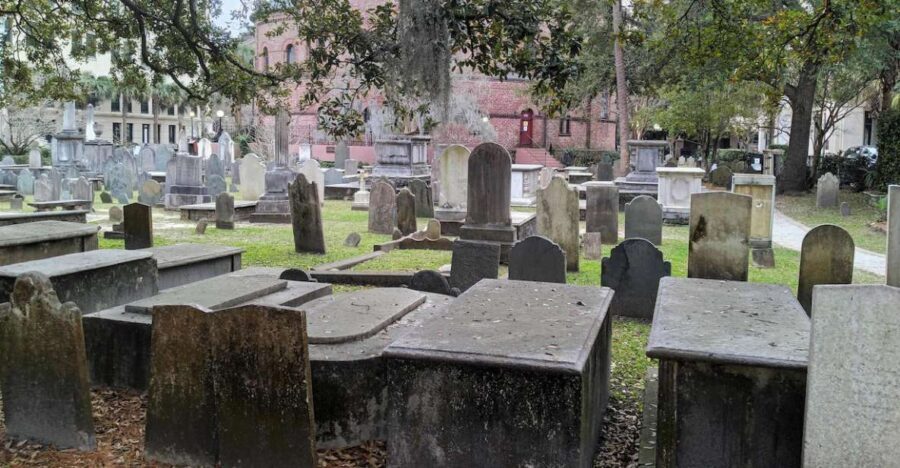
- Judge Nicholas Trott’s 1709 pirate curse: Stand where 89 executed pirates are tied to an eternal haunting.
- Blackbeard’s personal hideout (1718): Hear the stories of his planning spaces and what witnesses report.
- The Kodak-verified ghost photo spot: The guide positions you at the exact point tied to the famous Victorian image.
- St. Philip’s Cemetery (founded 1681): You’ll visit the oldest brick church cemetery area with thousands buried.
- Mills House and Room 10: A high-drama stop connected to reports of frightening incidents.
- Photo tips included: You get practical guidance for low-light ghost photos, not just spooky talk.
Price and what you’re really paying for
At $33 per person for about an hour, this is one of those Charleston deals where you’re paying for access and focus, not just walking in the dark. The value comes from four things you actually feel while you’re there: a licensed local historian guide, a small group so the tour doesn’t turn into a shout-along, multiple targeted stops in the Old and Historic District, and ghost photography tips that help you do more than snap a random picture.
You’re also paying for timing. Charleston at night changes the whole experience. Streets you’ve seen in posters feel narrower. Silence gets louder. If you came for the architecture, this tour leans into the human stories that lived around it—piracy, courts, executions, and the way a city remembers.
Other walking tours we've reviewed in Charleston
Where the tour starts (and the easiest way to show up ready)
The meeting point is in front of T’Bonz Restaurant, 80 North Market St. That’s right in the Market area, where the streets are walkable and everything funnels naturally toward the historic core.
To keep the night easy on your body, plan on comfortable shoes. The walk is described as gentle, with 3–4 blocks on flat surfaces and frequent stops. Still, you’re doing it at night, and the group moves together. If you wear thin soles or don’t like uneven cobblestones, you’ll notice it.
Parking is worth thinking about. After 6pm, parking meters are free, and there’s a large garage at Church & Cumberland listed at $2/hour. If you drive in, this helps you avoid the “oops, we’re paying for parking while we’re trying to be spooky” problem.
The 60-minute rhythm: how the tour keeps moving at night
This walk is short on purpose. You’ll start downtown and then hit a sequence of specific stops that each come with a focused story. Some sites get more time than others—there’s a longer stop at one location early on—then the guide jumps to the next point while the group stays together.
What that means for you: you’re not doing a long endurance test. You’re getting a concentrated set of locations tied to cold spots, reported phenomena, and local lore. Between stops, you’ll have brief walking stretches, so the night stays active instead of turning into a slow shuffle.
Stop-by-stop: what you’ll see and why it matters
1) 80 N Market St: setting the tone before you step into the dark
You begin at 80 N Market St in front of T’Bonz. This first minute or two matters. It’s where you get orientation for what kind of stories you’re about to hear: not just “ghosts are scary,” but why the people of Charleston link certain places to certain events.
You’ll also get a feel for the guide’s style. Based on how guides like Kevin and Nathan have been praised, expect city knowledge blended with paranormal storytelling, plus enough confidence to answer questions while you’re still out in the street.
Other evening experiences in Charleston



2) 50 Meeting St: Judge Nicholas Trott’s 1709 pirate curse
This is the big setup. You spend around 30 minutes at 50 Meeting St, focused on Judge Nicholas Trott and the 1709 execution story tied to 89 cursed pirates.
This stop is designed to do something clever: it makes the paranormal feel grounded in a real event. You’re not just staring at a building and guessing. You’re standing where the narrative says the curse began, and the guide explains what later owners and witnesses have reported.
If you like your hauntings with a reason—courtrooms, power, punishment—this is one of the most satisfying stops on the tour.
3) 145 Church St: the next layers of old Charleston atmosphere
Then you move to 145 Church St for about 10 minutes. This is a smaller stop, but that’s not a bad thing. Short stops keep the story sharp, and they help the pace stay believable: you hear a threat or a pattern, then you move before the group loses focus.
At this point, you’re also walking through neighborhoods people associate with the city’s “after dark” reputation. Even if you’re skeptical, you can still appreciate the craft of the tour: the guide uses location cues to make you notice details you might miss at daytime speeds.
4) 142 Church St: more corners, more reported cold spots
At 142 Church St, you get another 10-minute segment. This stop builds on the idea that certain streets and angles matter. The tour leans into the recurring theme: locals avoid certain corners after midnight, and the temperature shifts you hear about aren’t treated as random.
I like this approach because it gives you a way to pay attention without needing to believe every single claim. You’re watching the environment, the way people naturally slow down, and the way the story directs your senses.
5) St. Philip’s Church: the church side of the haunting
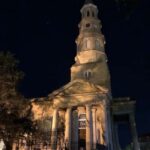
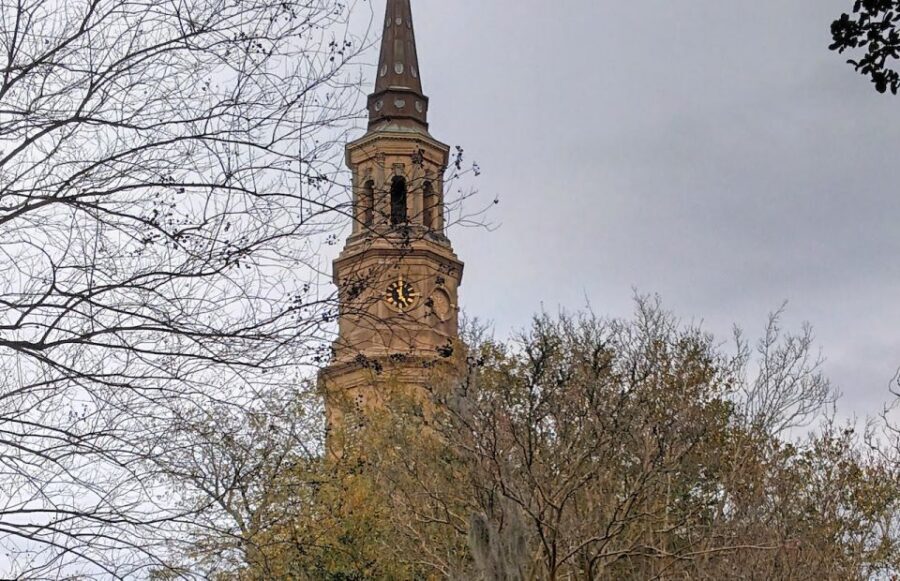
Next up is St. Philip’s Church, with another 10 minutes. Churches in Charleston do more than look historic; they hold community memory. In a tour like this, that becomes part of the “why” behind the ghost lore.
If you’re the type who likes understanding how a city organizes fear—where people go to pray, where they bury, where they remember—this is a good pivot. You’re still in haunting territory, but it’s no longer only pirates and courts.
6) St. Philip’s Episcopal Church Cemetery (founded 1681)
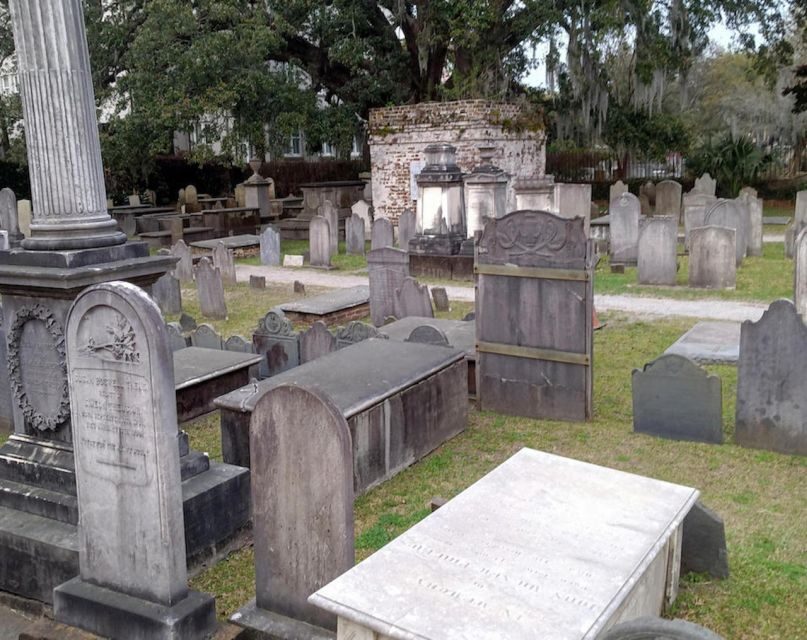
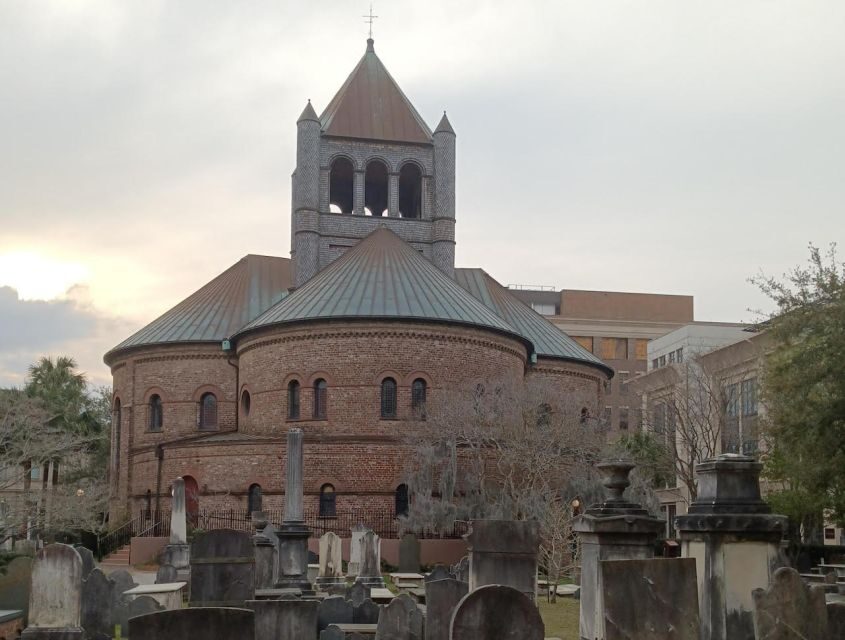
This cemetery stop is one of the most meaningful, lasting about 10 minutes. It’s described as established in 1681, with 10,000 souls resting there, and a reputation for movement and apparitions.
The guide’s framing matters here. The stories aren’t sold as a theme park ride. They’re presented as a kind of long-term city memory—one that doesn’t vanish just because it’s night. If you want your ghost walk to feel like you’re learning the city, this cemetery segment helps.
Also, expect the tour to emphasize visual atmosphere: Spanish moss sway without wind is part of the lore you’ll hear. Even if it’s not what you would bet on scientifically, it makes you look upward and around instead of just down at the sidewalk.
7) The Mills House Wyndham Grand Hotel: the drama of Room 10
The final major stop is at The Mills House Wyndham Grand Hotel for about 10 minutes. This is where the tour turns toward the stories tied to Room 10, including reports of doors opening on their own and incidents that frightened guests enough to flee.
I find this kind of stop especially useful for you because it connects haunting stories to modern life. It’s not only “old times” legends. You’re standing in a place where people still book rooms, still enter and exit hallways—meaning the ghost lore feels like it continues in the present tense.
Ghost photo tips: how to actually get something (without going broke)
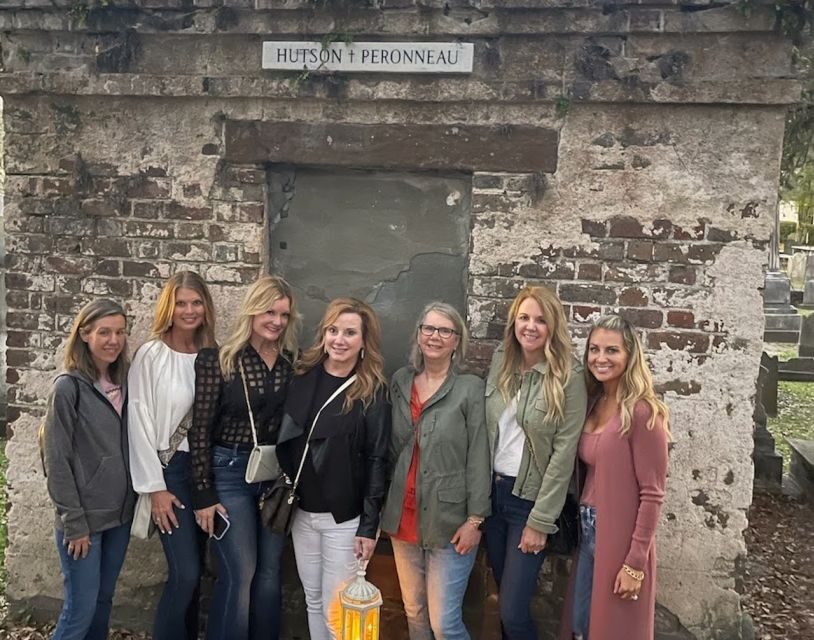
One of the tour’s practical extras is ghost photography tips included in the price. Night photography is hard. Most people end up with dark blobs or blurry streetlights.
The guide’s value here is that you’ll get direction suited to the situation you’re in: low light, moving through public streets, and brief stops. You’ll also get pointers that make you more likely to capture something worth looking at later, rather than firing off your camera on autopilot.
Even if you don’t end up with proof, the tips help you slow down. And that’s the real win on a ghost walk: you notice the scene more carefully.
The famous Kodak ghost photo spot: why the positioning matters
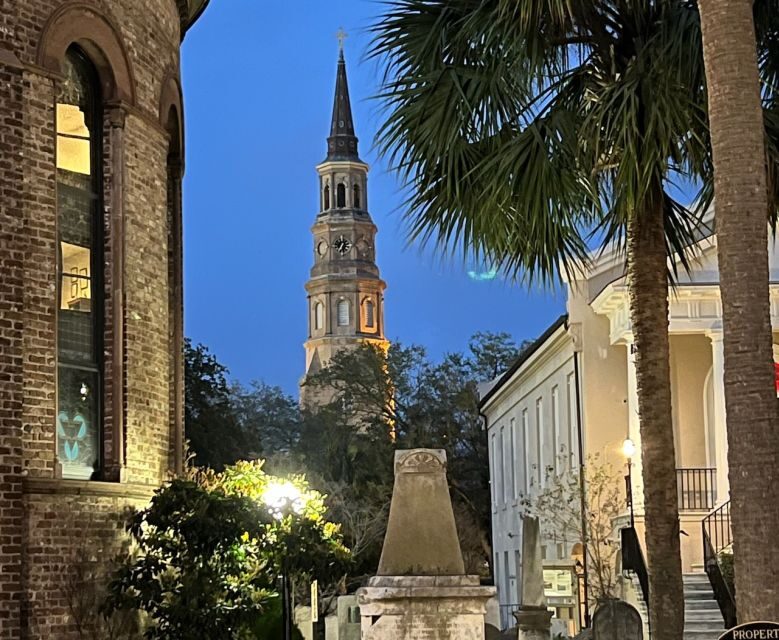
Another standout detail is the mention of a 1987 photographer capturing what Kodak verified as the world’s most authenticated ghost image: a translucent Victorian woman. The guide uses a specific position tied to that story, so you’re not vaguely wandering around guessing where the photo was taken.
This is one of those moments where the tour feels different from the typical ghost walk. It turns lore into directions. You’re standing where the guide says the photographer stood, and that gives the story a built-in focus.
Small group size: the difference between listening and getting lost
With a limit of 10 participants, the tour is designed so you hear the guide and see the landmarks. In bigger groups, it’s easy to lose the thread. Here, you’re more likely to catch the details that make the stories click: the timeline, the specific location references, and the guide’s answers when you ask.
This is also why the tour works well for people who aren’t trying to be brave. You can be curious instead. The night stays social, not chaotic.
Weather, time of year, and how to plan around the darkness
The tour runs rain or shine. That’s a good sign if you hate the idea of waiting for a perfect forecast. It also means you’ll want to dress like it’s evening in Charleston: bring a light layer and wear shoes that can handle wet cobblestones.
Timing matters too. The tour notes that October books weeks ahead, so if you’re traveling then, treat it like a popular dinner reservation. The dead may be patient, but your schedule might not be.
Who this tour is best for (and who should skip it)
This is best for you if you want a short, story-rich ghost walk with strong ties to Charleston’s pirate and early colonial past. It’s also a good pick if you care about history presented in a way that feels local and specific, not generic “haunted America” content.
It may not be a great fit if you’re bringing kids. The tour is described as not recommended for children under 12, and it’s not suitable for children under 10 due to authentic historical content.
If you’re looking for a quiet stroll with zero edge, this isn’t that. If you want a guided night walk where every stop has a reason, you’ll probably have a good time.
Quick practical checklist before you go
- Wear comfortable shoes for cobblestones and night walking.
- Bring a way to take photos if you want to use the ghost photography tips.
- Expect gentle walking and frequent stops, not a hike.
- Keep an eye on the calendar if you’re traveling in October since tickets can go fast.
Should you book this Charleston ghost walk?
Yes, if you want an evening in Charleston that mixes specific historic locations with paranormal storytelling in a small-group format. The stops hit the themes you came for—pirates, courts, graveyards, and famous hotel lore—and the guide format keeps it from turning into a scripted performance.
Also, the included photo tips and the way the guide points out exact positions (like the Kodak-related photo story) make it more active than a typical “tell me scary things” tour. And at $33 for about an hour, it’s a reasonable use of your night time if you’re trying to get the best dose of Charleston atmosphere without committing to a long outing.
FAQ
Where is the meeting point for the tour?
All tours depart from in front of T’Bonz Restaurant at 80 North Market St in downtown Charleston.
How long is the ghost walking tour?
The tour lasts about 1 hour (availability shows the specific starting times).
What does the tour cost?
The price is $33 per person.
Is the tour wheelchair accessible?
Yes, the tour is listed as wheelchair accessible.
How big is the group?
This is a small group limited to 10 participants.
What should I bring or wear?
Wear comfortable shoes. The tour involves gentle walking on flat surfaces with frequent stops.
Is this tour suitable for children?
It is not recommended for children under 12 due to authentic historical content, and it is not suitable for children under 10.