REVIEW · CHARLESTON
Charleston History and Hops Tour: Bar and History Walk
Book on Viator →Operated by Charleston Historic Tours LLC · Bookable on Viator
Prohibition stories pair well with cocktails. This 2-hour Charleston history-and-hops walk links Prohibition-era drinking to the city’s streets, churches, and landmarks, led by local guides such as Adam and Captain Brian.
I love two things most: the small group size (up to 10 people, so you can ask questions) and the way it ends at Blind Tiger Pub to talk South Carolina Prohibition over a final drink.
One catch: alcohol is not included in the tour price, and any ticketed entry tied to certain stops is extra.
In This Review
- Key things to know before you go
- A bar-hopping walk where Prohibition drives the stories
- Where to start at Oyster House and how the two-hour rhythm feels
- French Huguenot Church: a corner story with adult themes
- Philadelphia Alley: the kind of history you don’t get from legends
- Chalmers Street cobblestones and pirate drinking lore
- Old Slave Mart Museum: learning the links between slavery and rum
- Blind Tiger Pub finish and the South Carolina Prohibition talk
- Price, drinks, and what to order without overthinking
- Who this tour suits best in Charleston
- Should you book this History and Hops walk?
- FAQ
- How long is the Charleston History and Hops tour?
- What is the price per person?
- Where does the tour start and end?
- What is included in the tour price?
- Are alcoholic beverages included?
- Do you have to be 21 or older?
- Is admission included for the church or Old Slave Mart Museum?
- How large is the group?
- What happens if Blind Tiger Pub is closed at the end of the tour?
- What if the weather is bad or the minimum number of travelers is not met?
Key things to know before you go
- Small group pacing that leaves room for questions instead of a rushed parade
- Two bar stops (start and finish) where you can buy what you want, from hard sweet tea to rum punch
- Real downtown landmarks like French Huguenot Church, Philadelphia Alley, Chalmers Street, and Old Slave Mart Museum
- Prohibition is the thread that ties the drinking stories together without turning into a gimmick
- Respectful handling of tough subjects, including how slavery connects to rum and Caribbean production
- Blind Tiger Pub as the finish, with an equivalent historic bar if it happens to be closed
A bar-hopping walk where Prohibition drives the stories
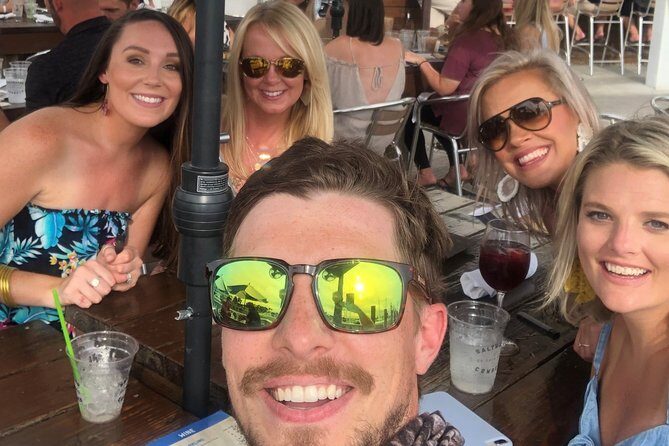
Charleston has always had a nightlife brain. This tour takes that truth seriously, then uses it as a guide to the city’s past—especially the era of Prohibition in South Carolina. You’ll be walking the downtown streets while your guide stitches the drinking culture into what you’re seeing.
I like that it doesn’t try to sugarcoat the story just to make it fun. The tour includes uncomfortable history, but it’s handled with respect and straight talk. That matters, because alcohol history isn’t only parties and pirates—it’s also power, punishment, and who got left out.
The mood is laid-back, not stiff. Even if you aren’t chasing cocktails, you’ll still come away with details you’ll notice on your own afterward, like signage, street corners, and why certain blocks matter.
Other historical tours in Charleston
Where to start at Oyster House and how the two-hour rhythm feels
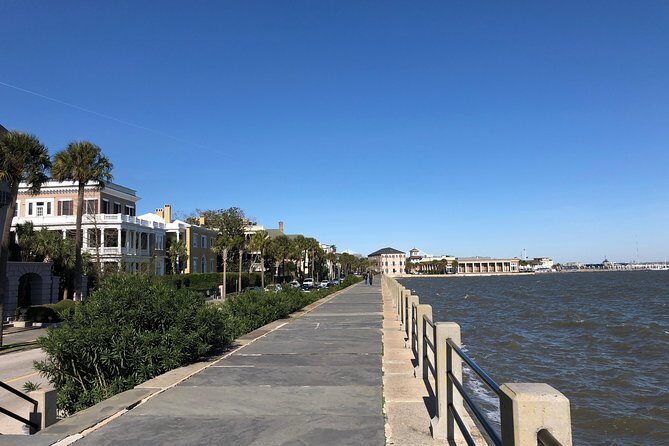
You meet at Oyster House Seafood & O-Bar at 35 S Market St, and the tour finishes at Blind Tiger Pub at 36–38 Broad St. The start time is 1:00 pm, and the whole experience runs about 2 hours.
Because the group can be small—sometimes only a handful of people—the pacing feels human. You get short stops to look, listen, and ask. Most locations are quick passes, so you’re not spending the whole afternoon standing in one place.
You should plan on moderate walking through downtown. It’s not described as hardcore, but it’s still a walk with stop-and-go timing, so comfortable shoes help.
Also, it’s a 21+ experience. That’s because the tour includes bar stops where you can purchase drinks. If you prefer non-alcoholic options, you’ll need to ask once you’re at the bars, since the tour itself doesn’t include drinks.
French Huguenot Church: a corner story with adult themes
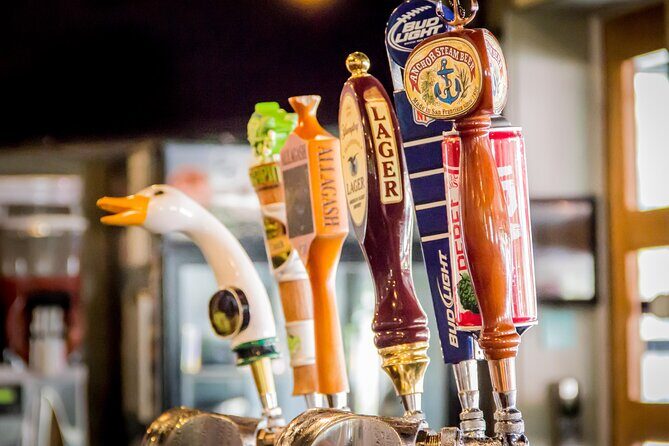
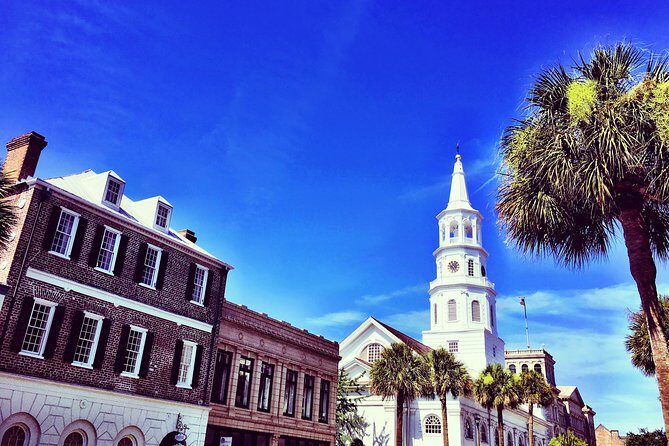
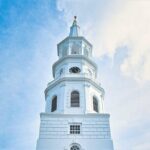
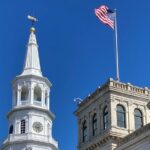
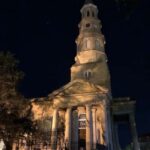
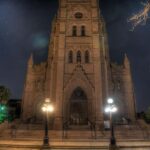
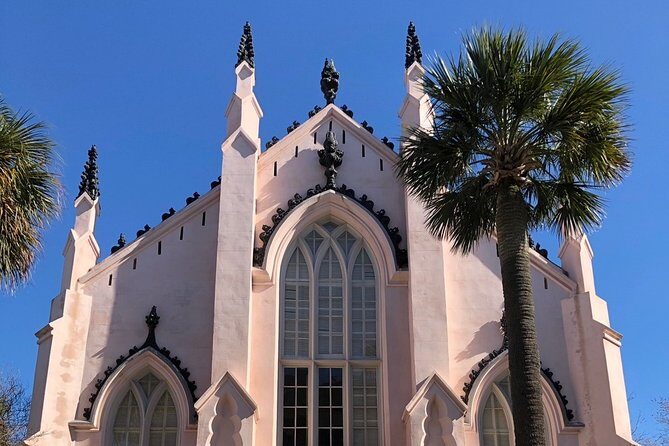
The tour’s first real stop connects history to a specific street corner near French Huguenot Church. You get a short visit—about 5 minutes—with a drinking-related tidbit tied to what was going on around that area.
What I like about this kind of stop is how it trains your eyes. Instead of treating the church as just a pretty backdrop, the guide frames it as part of the everyday life of the neighborhood, including the social side of time periods you might otherwise skip.
One practical note: the tour doesn’t include admission for this stop. In other words, don’t count on ticketed entry being part of the price. Treat it as a focused exterior-and-corner moment unless you’re buying your own access.
Philadelphia Alley: the kind of history you don’t get from legends
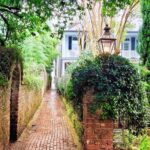
Next comes Philadelphia Alley, a quick stop around 10 minutes where the guide pulls the story back from cheesy mythology. You’ll still hear the kind of sensational tales people expect—then you’ll get a more important angle that’s grounded in what the alley actually meant to the city.
This is where the tour earns its keep for history-minded walkers. Charleston has no shortage of legends, but this walk pushes you toward the real reasons places became known. If you’ve walked downtown before, you’ll start spotting which alleys, blocks, and corners were about movement, commerce, and community—not just dramatic one-liners.
The good part for your time budget: the stop is short and free. You’re not losing an hour to a museum line, and you keep the story moving.
Chalmers Street cobblestones and pirate drinking lore
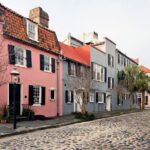
Then you hit Chalmers Street, about 10 minutes, and yes—the guide points out what makes it special. It’s known as the longest cobblestone street still left in Charleston, and you’ll hear pirate-style drinking lore tied to a nearby tavern.
That pirate detail could sound like tourist fluff, but the point is bigger. The guide uses the humor to bring you back to how taverns worked as social hubs. Places where people drank also functioned as information exchanges, deal-making sites, and community stages.
You’ll also learn that one of the city’s oldest structures sits on this street. Even if you don’t memorize the building’s dates on the spot, you’ll remember the sense of age. Walking it, you can feel why this block became a storytelling magnet.
This stop doesn’t require extra tickets. You’ll just look, listen, and keep moving.
Other drinking tours in Charleston


Old Slave Mart Museum: learning the links between slavery and rum
A more serious stop comes with Old Slave Mart Museum. You’re not just shown the building—you’re guided to understand why it matters, including the role of enslaved people in the city’s story. The guide also connects these histories to drinking history, including how rum production connects to the Caribbean.
This is the part where you’ll want to pay attention. It changes the whole tone of the walk. Alcohol history can’t be told honestly without talking about forced labor, exploitation, and the systems that powered the economy behind the drinks.
The tour passes the site in about 10 minutes, and ticketed admission isn’t included. If you want to go deeper on your own, plan time for it after the tour. For this afternoon, the goal is awareness—so you leave knowing what you just saw and why it matters.
Blind Tiger Pub finish and the South Carolina Prohibition talk
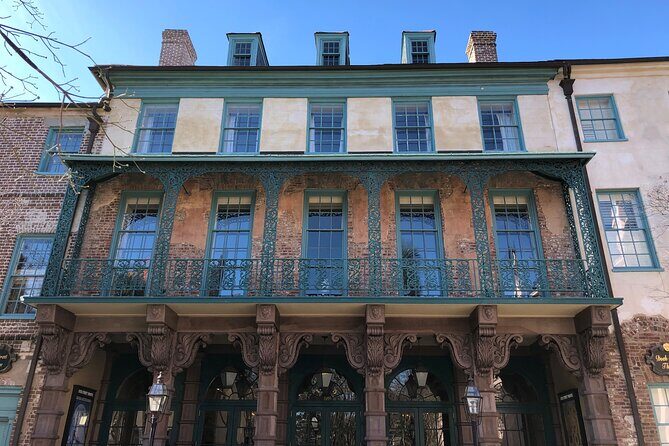
You end on Broad Street at Blind Tiger Pub for around 25 minutes. This is the real payoff: the guide ties everything together with a discussion of Prohibition in South Carolina, using the bar-world context you’ve been learning about along the route.
If Blind Tiger Pub is closed when you arrive, the tour sends you to an equivalent historic bar instead. That’s helpful because it keeps the finish from falling apart if plans shift.
Two things I found especially useful here: the guide can connect the abstract idea of Prohibition to real life on the street, and the setting makes it easier to remember. Prohibition stories land better when you’re sitting where people once came for drinks and gossip.
From guide-to-guide variation in the exact pour, you’ll hear examples like Tiger Punch at the end, and rum punch earlier during the walk. Since drinks aren’t included, you’re still in charge of what you order—but you’ll know what to ask for if you want something classic.
Price, drinks, and what to order without overthinking
The tour costs $31.50 per person, for about two hours and a small group. For Charleston, that price feels fair because you’re paying for a guided walk plus structured bar stops, not just a history lecture.
Here’s the honest value breakdown:
- You get a small snack at the first bar stop.
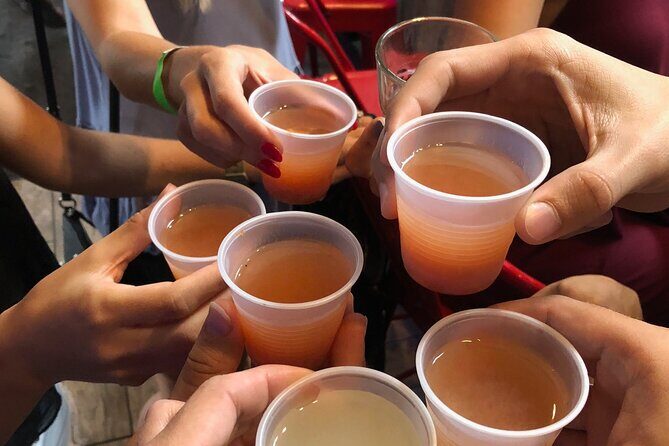
- You do not get alcohol included. You’ll buy drinks at the two bar locations.
- The walking time is short enough to fit into a busy day, but long enough to learn several distinct stories.
That last part matters. Too many downtown tours feel like five minutes at each spot and then off you go. This one gives you enough time at each stop for the guide to explain how the pieces connect, especially around Prohibition.
If you want to make it easy on yourself:
- Budget extra for at least one drink at the start and one at the finish.
- If you don’t drink, you can still enjoy the history. Just ask what non-alcoholic options are available at the bars, and choose accordingly.
- If you want local flair, consider asking for examples the guide has mentioned, like hard sweet tea at the first stop or rum punch during the walk.
And yes—this is a 21+ experience. Even non-drinkers usually appreciate having the option to order something they can sip while listening to the stories.
Who this tour suits best in Charleston
This is a great fit if you like history that has legs—stories that connect to buildings and street life, not just dates on a plaque. It’s also a strong option if you want a balanced afternoon: a little fun, a little uncomfortable truth, and enough structure to make downtown feel less overwhelming.
You’ll probably enjoy it most if:
- You’re curious about the way people used to socialize through bars and taverns.
- You want a small-group walk where questions are welcome.
- You like guides who can mix humor with factual storytelling, including the messy parts.
It can be less ideal if you want a sit-down museum style experience. This is a walking tour with passes and short stops. You’re not getting deep interior time at ticketed locations as part of the price.
Also, because some stops have admission not included, you’ll want to decide in advance if you plan any add-on visits on your own.
Should you book this History and Hops walk?
If you want a Charleston afternoon that feels local and story-driven, I’d book it. The price is reasonable for the combination of walking, multiple downtown landmarks, and a guided end at Blind Tiger Pub where the theme clicks into place.
Make the call if you’re okay paying for your own drinks, and you’re interested in Prohibition and drinking culture as part of the city’s real history. If that’s your kind of trip, this tour gives you exactly what you came for: history you can walk through, plus a bar finish that turns the stories into something you’ll remember.
FAQ
How long is the Charleston History and Hops tour?
It runs for about 2 hours. The start time is 1:00 pm.
What is the price per person?
The price is $31.50 per person.
Where does the tour start and end?
It starts at Oyster House Seafood & O-Bar, 35 S Market St, Charleston, SC 29401. It ends at Blind Tiger Pub, 36–38 Broad St, Charleston, SC 29403.
What is included in the tour price?
The tour includes one small snack at the first bar location, plus the guided walking experience. Drinks are not included.
Are alcoholic beverages included?
No. Alcoholic beverages are not included in the tour price. You can purchase drinks at the bar establishments during the tour.
Do you have to be 21 or older?
Yes. Participants must be at least 21 years old.
Is admission included for the church or Old Slave Mart Museum?
Admission tickets are not included for the French Huguenot Church stop and the Old Slave Mart Museum stop. Other stops listed are free.
How large is the group?
The tour has a maximum size of 10 people.
What happens if Blind Tiger Pub is closed at the end of the tour?
If Blind Tiger Pub is closed for any reason, the tour will visit an equivalent historic bar instead.
What if the weather is bad or the minimum number of travelers is not met?
The experience requires good weather. If it’s canceled due to poor weather, you’ll be offered a different date or a full refund. If the minimum number isn’t met, you’ll be offered a different experience/date or a full refund.