REVIEW · CHARLESTON
Charleston History Tour /
Book on Viator →Operated by Charleston History Tours · Bookable on Viator
A quiet walk that turns Charleston into a story you can see. This 2-hour history tour strings together the big icons and the small clues, from the ratification-era home built in 1771 to the churches and streets that shaped the city’s culture.
What I love most is how the tour gives you both architecture and human stories, including a dedicated stop to Gullah culture and its roots. I also like the pacing: short stays at each highlight, so you’re not stuck waiting around while the city keeps moving.
One thing to consider: it’s weather-dependent, and it’s an outdoor-heavy route with a moderate fitness level. So if you’re sensitive to heat or uneven sidewalks, plan accordingly.
In This Review
- Key highlights I’d circle on your map
- Starting at 80 Broad St and getting the timing right
- The Constitution House (1771): history you can stand inside
- Gullah culture: the human thread under the architecture
- Dock Street Theater (c. 1810): ornate details with a real sense of place
- St. Michael’s Church (c. 1764): the oldest church building in the city
- Rainbow Row: 9 attached buildings and the test of time
- The Battery & White Point Gardens: defensive wall, everyday promenade
- French Huguenot Church (1844): Gothic Revival with a specific identity
- What the 2-hour format really means for your day
- Value check: included admissions and fewer decisions
- Guide experience: why Joyce’s tour worked so well
- Who should book this tour (and who might want something else)
- Should you book Charleston History Tours?
- FAQ
- How long is the Charleston History Tour?
- Where does the tour start and end?
- Is admission included for the stops?
- Is food or drinks included?
- How large is the group, and what fitness level is needed?
- What hours does it operate?
Key highlights I’d circle on your map
- Ratification-era home built in 1771 that connects Charleston to a turning point in U.S. history
- Gullah culture spotlight so the tour isn’t only about buildings and wars
- Dock Street Theater (c. 1810) with ornate woodwork and a courtyard worth pausing for
- St. Michael’s Church (c. 1764), the oldest religious building in the city
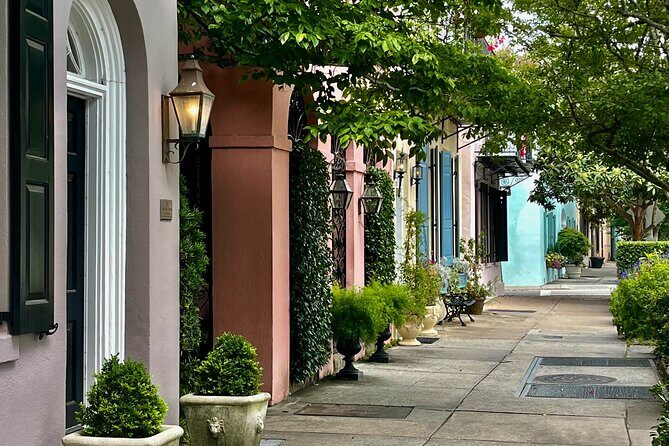
- Rainbow Row’s 9 attached buildings, most predating the American Revolution
- Battery & White Point Gardens: a defensive seawall promenade on Charleston Harbor
Starting at 80 Broad St and getting the timing right
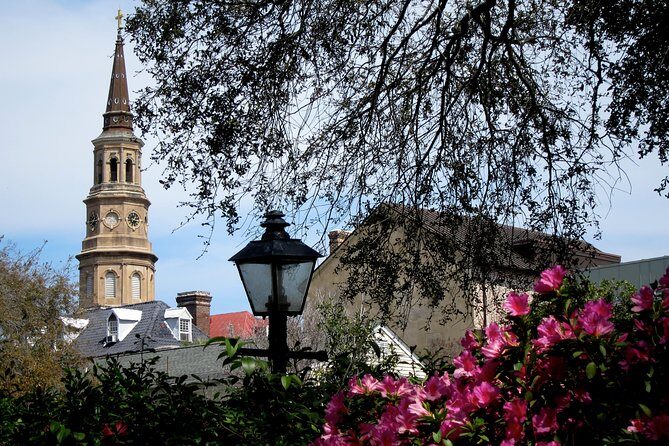
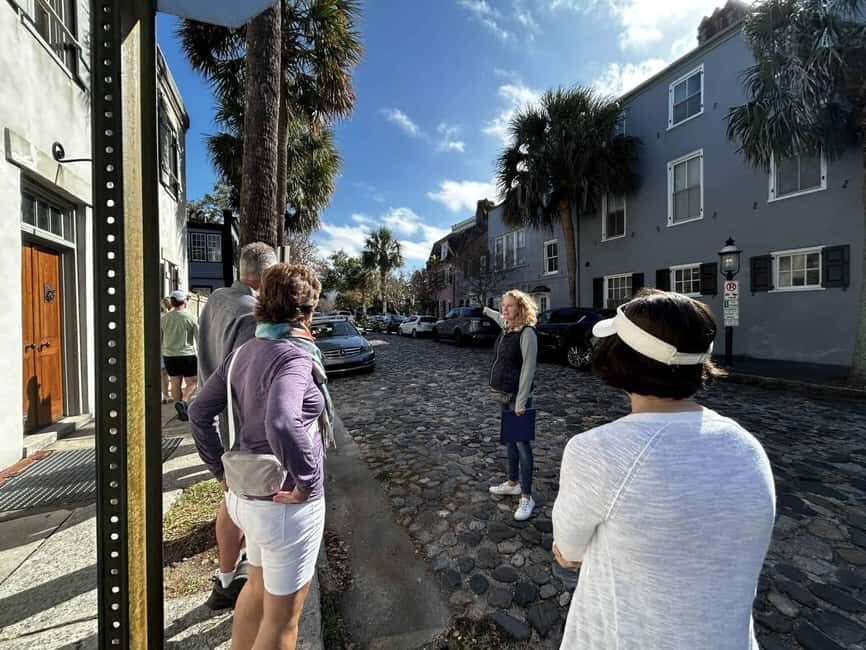
The tour starts at 80 Broad St and ends back there, which is the kind of practical detail that saves stress. You’ll be walking through central Charleston at a steady, doable pace. Each stop is brief—think about five minutes—so the guide’s job is to point out the things you’d otherwise miss.
The group size is capped at 10, so this doesn’t feel like a cattle-car tour. If you want a guided stroll that stays conversational, that small cap helps. Also, you get a mobile ticket, which means less fumbling with paper once you’re on the move.
Bring a little patience, too. Charleston streets can be uneven and busy, and you’ll be outside most of the time. It’s short, but it’s still a walking route.
Other historical tours in Charleston



The Constitution House (1771): history you can stand inside
You’ll spend time at a home built in 1771 tied to the ratification of the U.S. Constitution. This is one of those places where Charleston stops feeling like a postcard and starts feeling like a real political center.
What’s valuable here is the framing. Instead of treating the building like a museum object, the tour connects it to the choices and power structures of the era—who was making decisions, and why Charleston mattered. You’ll also get a sense of how long-term influence works in a city: the same streets that look old for tourists were actually old for decision-makers.
A practical note: because you’ll be inside and outside quickly, dress so you can handle temperature swings. Even on pleasant days, Charleston can move fast from sun to shade.
Gullah culture: the human thread under the architecture
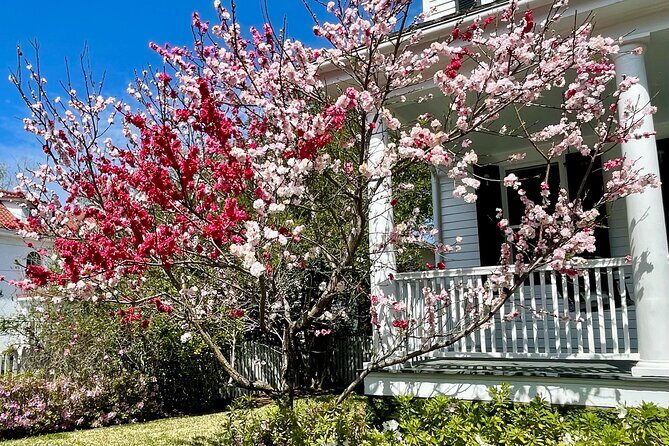
Then you shift into the story of the Gullahs of Charleston. This is the part I’d call the heart of the tour’s cultural balance. Lots of Charleston tours tilt heavily toward colonial-era power and grand churches. This one gives you a strong reminder that the city’s identity is also shaped by communities, language, and survival.
You’re not going to just hear a summary. You’ll learn about the cultural roots that made Charleston different, and why that matters when you’re looking at the city as a living place rather than a set of monuments. Even if you already know a few basics, you’ll likely walk away with a clearer sense of how culture persists through place.
If you like history that connects people to geography—not just dates and buildings—this stop is a win.
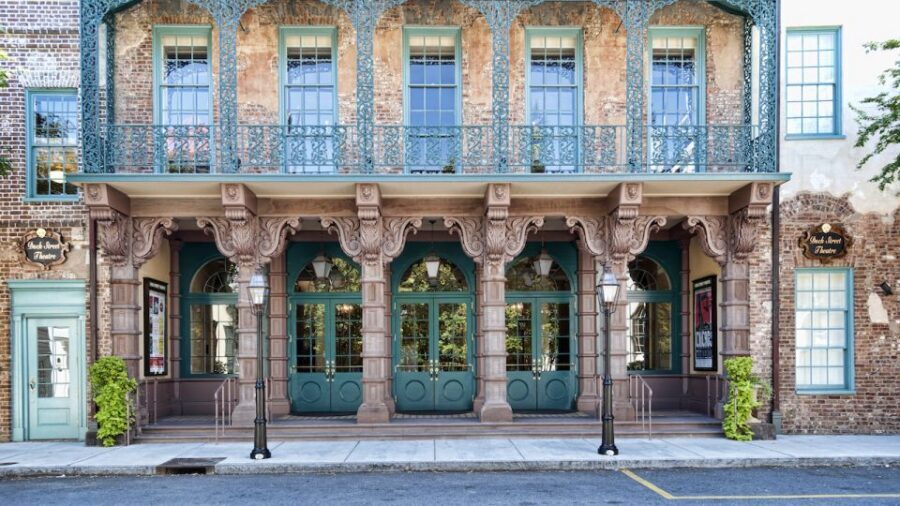
Dock Street Theater (c. 1810): ornate details with a real sense of place
At Dock Street Theater, you’re looking at a playhouse from around 1810 with elegant woodwork and a courtyard. The best part of this stop is that you don’t just see it—you learn how to look.
Charleston does this a lot: buildings feel “fancy” from the street, but the real value is in what you can spot up close—materials, proportions, and the way the courtyard space changes how the place breathes. That’s the kind of visual literacy a guide can teach in minutes.
Also, admission is included here, so you don’t have to decide on the fly whether it’s worth paying for. You can simply spend your time watching for details.
St. Michael’s Church (c. 1764): the oldest church building in the city
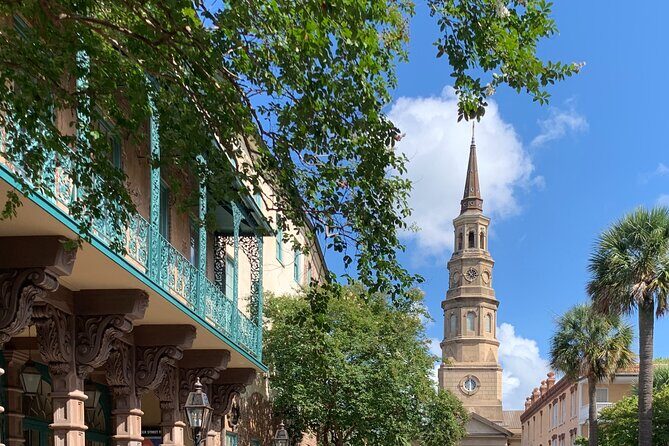
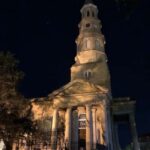
Next comes St. Michael’s Church, dating to about 1764. The tour highlights it as the oldest religious building in Charleston. That fact alone makes it important, but what makes the stop work is how it connects worship spaces to the city’s identity.
Even if you’re not the type to linger in churches, this one is useful because it anchors Charleston’s “old city” feeling to something enduring. You can also get a sense of how religious architecture and community life interlock over time.
Admission is included, so you’ll get access without extra decisions. I’d treat this as your calm pause in the middle of a busy walking route.



Rainbow Row: 9 attached buildings and the test of time
Rainbow Row is made up of nine buildings attached to one another. What you’ll learn is that all but one predate the American Revolution, which puts the row in a different category than typical street photography stops.
This is a great example of why guided time matters. From the sidewalk, you might see color and charm. With context, you start noticing patterns—how the buildings relate as a single streetscape, how time reads differently when you know which structures are older.
Expect the stop to feel quick, but it’s still worth your attention. Look at the continuity of the line and then notice where the standout differences show up. That’s where the story lives: what stayed, what changed, and what survived storms, economies, and shifting tastes.
If you’re into street-level history, this stop is hard to beat for the time spent.
The Battery & White Point Gardens: defensive wall, everyday promenade

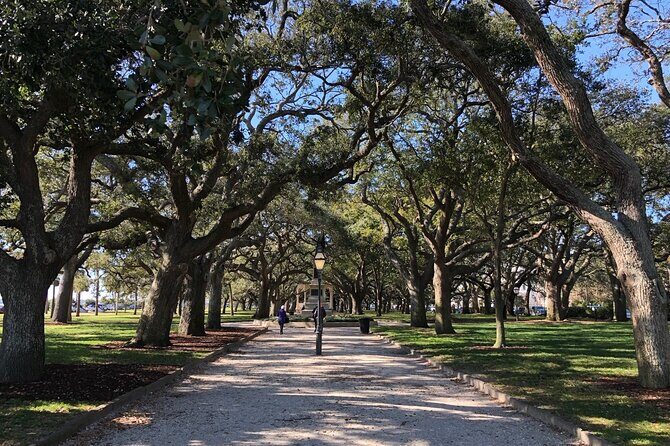
At the Battery & White Point Gardens, the tour shifts toward the harbor. You’ll learn that the Battery is a defensive seawall and promenade along Charleston Harbor, which changes the way you view the walkway.
It’s easy to think of it as a pretty coastal edge. The guide reframes it as a practical barrier first—defense, movement, and visibility—then a place people later used for strolling and gathering. That layered view makes your walk feel smarter.
This stop is also your best bet for harbor views, and it’s a good photo moment. If the light is good, you’ll get pictures that feel more “Charleston” than generic skyline shots.
Practical tip: keep an eye on your footing. Promenades can look flat, but Charleston’s sidewalks and edges can be uneven.
French Huguenot Church (1844): Gothic Revival with a specific identity
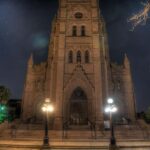
The tour ends with French Huguenot Church, built in 1844. It’s described as the oldest Gothic Revival church in South Carolina and the only independent Huguenot church in the country. That last detail gives the stop a unique angle: this isn’t just architecture, it’s a specific community’s footprint.
Gothic Revival can look dramatic from the outside, but the value here is learning what makes it distinct and why it matters to Charleston’s religious and cultural threads. The guide will help you connect the church’s style to the people who built it and the beliefs they carried.
Admission is included, so it’s a clean, low-friction stop. You’ll likely finish this part with a stronger sense of how Charleston served multiple communities across different eras.
What the 2-hour format really means for your day
This is a short tour with a very tight structure: lots of impact, little downtime. Each highlight is around five minutes, and that forces the guide to focus on what matters most for understanding the city fast.
For you, that means two things:
- You’ll get a working mental map of central Charleston—what’s old, what’s culturally important, and what to pair with the rest of your trip.
- You won’t burn half a day sitting in a single place waiting for the next step.
It’s also capped at 10 travelers, which helps keep the tour moving without feeling rushed. Still, because it’s outdoors for much of the time, wear shoes you trust.
Value check: included admissions and fewer decisions
The tour’s biggest value play is simple: the sites you see won’t require additional payments. That includes admissions for key stops like Dock Street Theater and St. Michael’s Church, and the other listed highlights.
Instead of you juggling little costs and making last-minute calls, you’re paying for a guided route that bundles access. For a two-hour experience, that’s a smart way to keep your trip budget predictable.
Food and drinks are not included, so plan on grabbing something before or after. I’d treat this like an excellent morning or late-afternoon activity, not something to build a full meal plan around.
Guide experience: why Joyce’s tour worked so well
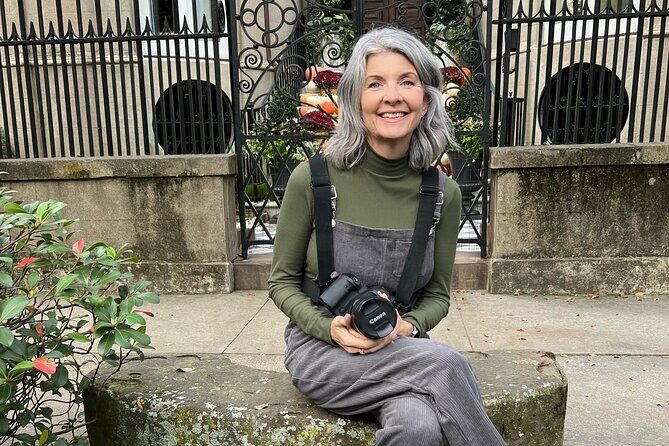
One review mentioned a guide named Joyce, and that matters because her approach seems to hit the sweet spot: history plus development of the city, plus military-related facts, architecture, and cultural highlights. The best compliment in that comment isn’t just that she knew facts—it’s that it felt like strolling with a friend who knows how to point things out.
There’s also a cautionary note in the lowest rating: the tour did not take place because the guide was absent, and the person struggled to reach anyone for a plan B. That kind of failure is rare, but it’s the reason I’d suggest you keep your schedule flexible on the day you book. If weather is marginal, also be ready for changes.
In other words: most of the time this tour is a smooth, high-value guided walk, but you’re dealing with a small operator model and an outdoor route.
Who should book this tour (and who might want something else)
You should book if:
- You want major Charleston landmarks in a compact time window
- You like guided explanations that point out architectural and cultural meaning
- You care about more than just colonial-era sightseeing, especially with the Gullah focus
You might skip it or pair it with a longer, deeper tour if:
- You want lots of time inside every building. This route is quick by design.
- You prefer hands-off self-guided exploring. This tour is built around the guide doing the connecting.
Given the maximum group size and the short format, it also suits travelers who are doing multiple things in one day and want to start with a clear overview.
Should you book Charleston History Tours?
Yes—if your priority is getting a fast, guided understanding of central Charleston with included admissions and a route that balances architecture and culture. The five-star feedback pattern (and the mention of Joyce’s friendly, detailed guidance) points to a tour style that’s both informative and easy to follow.
Before you book, do two smart checks:
- Make sure you’re comfortable with a short walk on city sidewalks for about two hours.
- Keep weather in mind and have a little flexibility, since it’s weather-dependent and there’s no guarantee every day runs perfectly.
If you want a high-return start to your Charleston days, this tour is a strong choice. You’ll leave with better instincts for where to look next and what to notice as the city unfolds.
FAQ
How long is the Charleston History Tour?
It runs for about 2 hours.
Where does the tour start and end?
You start at 80 Broad St, Charleston, SC 29401, USA, and the tour ends back at the same meeting point.
Is admission included for the stops?
Yes. All sites seen on the tour won’t require additional payments, and admission tickets are included for the listed stops.
Is food or drinks included?
No. Food and drinks are not included.
How large is the group, and what fitness level is needed?
The tour has a maximum of 10 travelers and is best for travelers with a moderate physical fitness level.
What hours does it operate?
For 03/15/2025 to 12/31/2025 and again for 03/15/2026 to 12/31/2026, it runs Monday through Saturday from 9:00 AM to 5:00 PM.