REVIEW · CHARLESTON
Private Walking Tour Culture and History of Charleston
Book on Viator →Operated by Bruce Knows Charleston Tours · Bookable on Viator
Charleston history doesn’t sit on a plaque here. It walks beside you, with a local guide who knows how the city worked socially, religiously, and politically. I like that the stops hit real “still-here” landmarks—churches, streets, and waterfront ground you can see and picture—rather than just big photo spots.
What I especially like is the way Bruce brings it to life. In reviews, he’s described as a 7th-generation Charlestonian who has access to places most people only view from the street, including side gates and buildings that aren’t typically open. One thing to watch: the Heyward-Washington House admission is not included, and bottled water isn’t provided—so plan for that small extra cost and stay hydrated.
If you want a fast, focused, private hit of Charleston culture in about 2 hours, this is a strong choice. The pace is built for people with moderate physical fitness, and the tour is small enough (just your group) that you can ask questions without herding.
In This Review
- Key highlights you can actually use
- A 2-hour Charleston history loop (and why it works)
- Meeting at 105 Meeting St: how to set yourself up for an easy start
- Stop 1: Unitarian Church in Charleston and the early-settler vibe
- Stop 2: The Battery & White Point Gardens—where military and social history meet
- Stop 3: Dock Street Theater and the early American stage
- Stop 4: Heyward-Washington House—Washington’s visitor link (and the one extra ticket)
- Stop 5: Anglican roots in America—Charleston’s religious center
- Stop 6: Marion Square and Francis Marion’s legacy
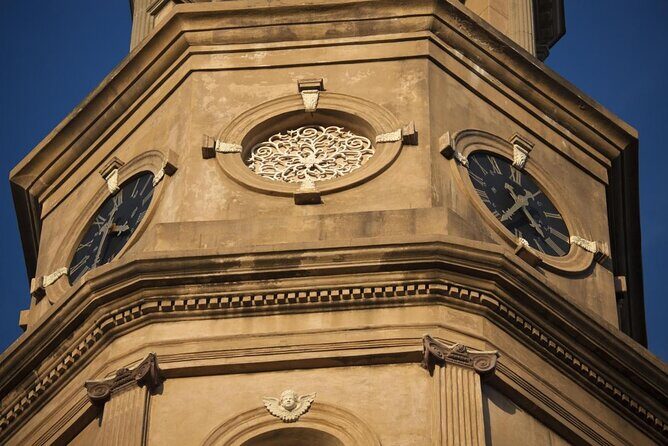
- Stop 7: St. Philip’s Church—the prominent Charleston church you’ll remember
- The value of Bruce Knows Charleston Tours: what you’re paying for
- Pace, comfort, and who this tour is best for
- What to do before you go (so it lands better)
- Should you book this private Charleston walking tour?
- FAQ
- How long is the tour?
- Is this tour private?
- Where is the meeting point?
- What is included in the price?
- Is bottled water included?
- Are admission tickets included for all stops?
- What language is the tour offered in?
- Are service animals allowed?
- What fitness level do I need?
- Is there free cancellation?
Key highlights you can actually use
- A 7th-generation guide named Bruce who brings family-level context to everyday Charleston life
- Private access moments like gates to private gardens and interior views not open to the general public
- Dock Street Theater stop tied to the early theater scene and Porgy and Bess
- Multiple major churches in one stretch, including St. Philip’s and Charleston’s Anglican roots
- Golf cart included to connect the dots without wearing yourself out
- Most admissions free during the route (only one notable exception)
A 2-hour Charleston history loop (and why it works)

This tour is built like a good walk: start with roots, move to power, and end at the civic landmarks that shape how the city feels. With a private format and a golf cart in the mix, you get the best part of Charleston—old streets and big stories—without losing half the trip to logistics.
At $35 per person for about 2 hours, it’s aimed at value. Most of the stops along the route have free admission, which matters in a city where entrance fees can pop up quickly. You’re basically paying for a focused guide-led route, not for a museum day.
And because it’s private, you’re not stuck listening to a group that already “knows” everything. You can ask for clarifications on religion, slavery-era politics, or why certain buildings sit where they do.
Other walking tours we've reviewed in Charleston

Meeting at 105 Meeting St: how to set yourself up for an easy start
You’ll meet at 105 Meeting St, Charleston, SC 29401, and the tour ends back at the same place. That matters because Charleston can be a maze of one-way streets and confusing parking; an easy return point keeps the day stress-free.
The tour runs during the provider’s operating window (7:00 AM to 7:00 PM). If you’re choosing a time slot, I’d pick earlier in the day when the light is good for photos and the sidewalks feel less crowded. Also, this tour is commonly booked about 29 days in advance, so if you’re traveling in a busy season, don’t wait for “maybe.”
Since it’s offered in English and you’ll use a mobile ticket, have your phone charged and ready when you arrive. It’s small stuff, but it keeps the start smooth.
Stop 1: Unitarian Church in Charleston and the early-settler vibe
Your first stop is the Unitarian Church in Charleston. The key idea here is that it’s a place where early settlers gathered—so you’re not just seeing architecture. You’re stepping into a moment when Charleston’s religious life was forming and shifting.
This stop is about 20 minutes, and admission is free. That timing is good because it lets you look closely at the setting without rushing. If churches feel like “just another building” to you, start here anyway—you’ll get context that makes the later church stops easier to understand.
Stop 2: The Battery & White Point Gardens—where military and social history meet
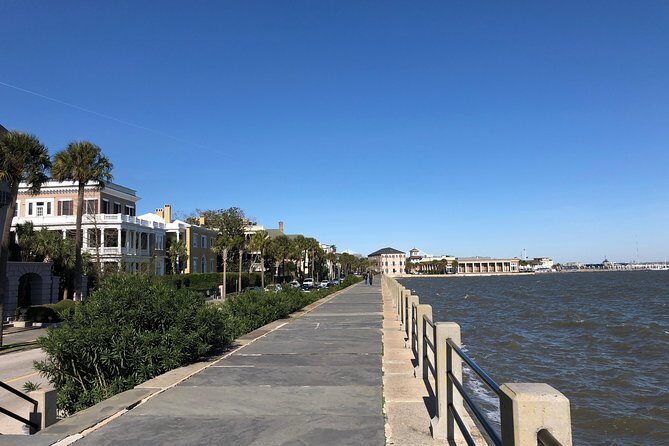
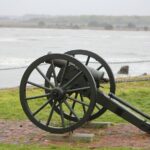
Next comes the Battery and White Point Gardens, a stretch tied to Charleston’s early military and public life. This is the part of the tour where you start seeing why Charleston grew where it did: water access, defense, and social display were tied together more tightly than most visitors realize.
Plan for about 15 minutes here, and admission is free. You’ll likely get stories that connect what you see outside—paths, views, and the shape of the waterfront—to what used to happen in those spaces.
I like this stop because it’s outdoors, but still story-driven. It’s not just “look at the scenery.” It’s “why this mattered.”
Stop 3: Dock Street Theater and the early American stage
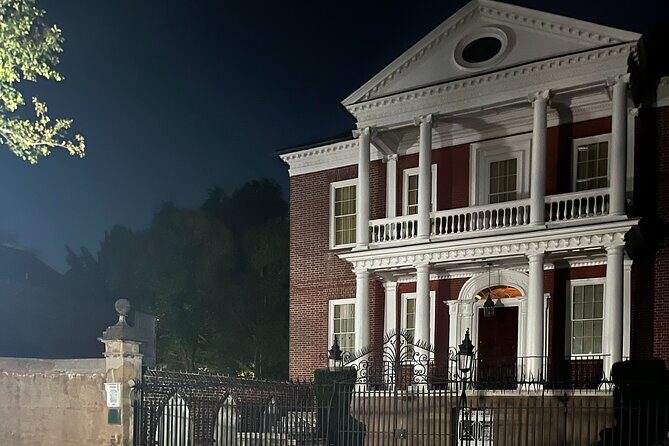
Then you’ll head to Dock Street Theater for a short 15-minute stop. This theater matters in Charleston for one simple reason: it ties into the city’s early theater scene, and it’s connected to Porgy and Bess.
Admission is free, so you’re not paying for a short, viewpoint-only stop. The value is in the guide’s framing—how theaters fit into Charleston’s public life, how performances reflected the culture around them, and why this building is still a reference point.
If you enjoy literary and performing arts history, this is one of the stops where the tour feels more than “religion and old houses.” It adds a different angle on who Charleston entertained and what stories it carried.
Other private tours in Charleston





Stop 4: Heyward-Washington House—Washington’s visitor link (and the one extra ticket)
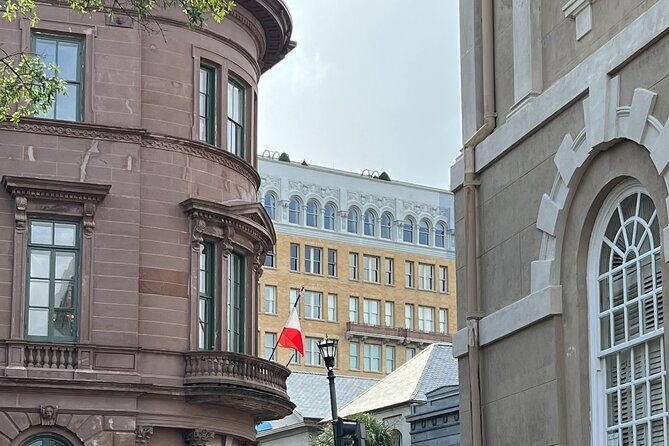
Your tour then visits the Heyward-Washington House. This is where you’ll hear a very specific connection: it’s tied to President George Washington during a visit connected to colonial delegate Thomas Heyward.
Time here is about 10 minutes. Admission is not included, so you may need to pay the entry fee on site.
This is the one clear planning snag on the itinerary, so build a little cushion into your schedule. If you’re trying to keep costs tight, mentally set aside the extra entrance amount now. It’s still worth it because this stop gives you a direct political-personal link rather than vague “great men visited” talk.
Stop 5: Anglican roots in America—Charleston’s religious center
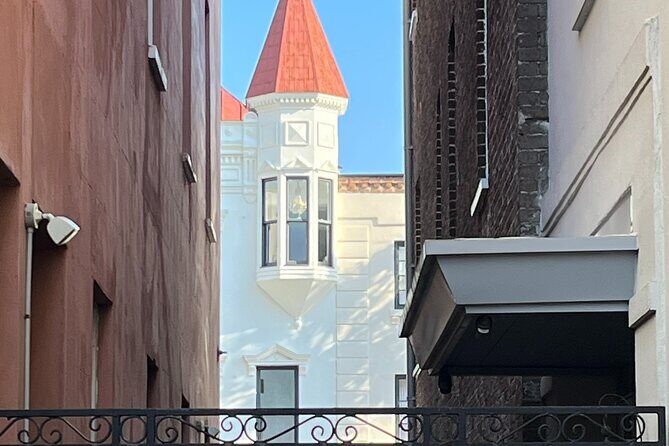
After that, you’ll stop at Charleston for the theme of Anglican religion in America. This part is brief—about 5 minutes—so treat it as orientation. You’re being pointed toward how the city’s religious power shaped daily life and public identity.
Admission is listed as free here. Even though the stop is short, it helps connect the dots between the earlier church stop and the prominent church you’ll see next.
I like these “short theme” stops because they prevent the tour from feeling like random sightseeing. Everything lines up.
Stop 6: Marion Square and Francis Marion’s legacy
Next is Marion Square, a park dedicated to revolutionary war hero Francis Marion. Expect about 10 minutes and free admission.
This stop gives you a civic history anchor. Marion Square is one of those places where the name alone can be a springboard: you’re not just hearing a date. You’re learning how revolution-era figures became part of the city’s public landscape.
For photographers, it’s a practical pause too: open-air space, easy to check your bearings, and a nice change from the church stops.
Stop 7: St. Philip’s Church—the prominent Charleston church you’ll remember
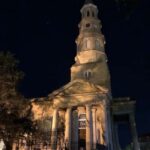
Your final major stop is St. Philip’s Church, described as the most prominent church in Charleston. Time is about 10 minutes, and admission is free.
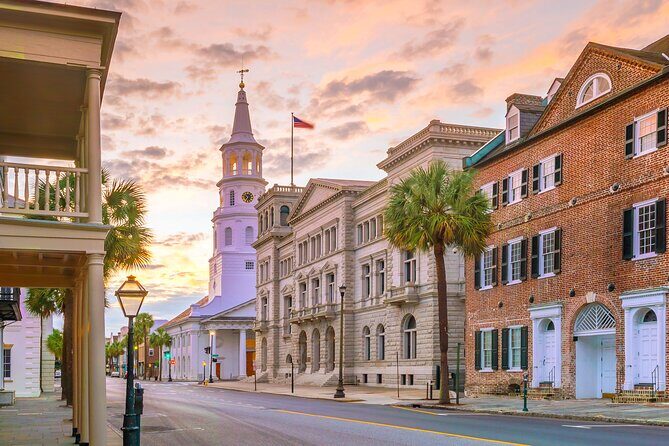
This is an important ending because it’s a visual climax. Across the route you’ve been learning how religious life shaped Charleston; St. Philip’s is where that theme lands in a landmark people recognize.
If you’re the kind of traveler who wants at least one “big stop” where the guide’s storytelling clicks with what you’re seeing, this one tends to do that job.
The value of Bruce Knows Charleston Tours: what you’re paying for
It’s not just the list of places. It’s how the tour is designed for access and interpretation.
Here’s what makes this feel like value:
- Private guide attention for your group only
- Golf cart included, which helps you keep pace without burning time on long stretches
- Free admissions for most stops, so your money goes to the guide rather than a pile of entrance tickets
- A guide with real local depth. Reviews highlight Bruce’s 7th-generation connection and his intimate understanding of Charleston’s social fabric
- A practical approach that includes side alleys and less obvious angles, not just the “main road” highlights
One review also mentions Bruce can take you down alleyways and show you more than most guides do. That aligns with the best kind of private tour: you feel like you’re being shown how Charleston lives, not just how it looks.
Pace, comfort, and who this tour is best for
This tour is listed for moderate physical fitness. That doesn’t mean “hard hiking,” but it does mean expect some walking and standing. The golf cart helps, but you’ll still move between stops.
I think this fits best if you:
- Want a 2-hour structure instead of spending the day guessing what to see
- Like church, theater, and civic history more than pure museum time
- Enjoy getting local context, especially around religion and how Charleston’s society formed
- Travel in a small group and want the freedom to ask questions
It’s also a good match for anyone who doesn’t want to do a full-day itinerary. You’ll get enough variety—religious landmarks, waterfront area, a theater stop, and civic history—to feel like you learned the city’s “why.”
Service animals are allowed, and the meeting point is near public transportation. So if you’re mixing transit with your sightseeing, this plan can work well.
What to do before you go (so it lands better)
You’ll get more out of the tour if you do a tiny bit of prep:
- Read a simple background on Charleston’s religious history and key revolutionary figures before you arrive. It will make the church and Marion Square theme feel clearer.
- Decide what you want most from the guide: religion, social history, or political connections like the Washington/Heyward stop.
- Bring a comfortable layer. Churches and theaters can have different indoor temperatures, even in good weather.
- If you care about costs, remember Heyward-Washington House admission isn’t included, and bottled water isn’t provided.
Should you book this private Charleston walking tour?
Yes, if you want a compact way to understand Charleston’s culture—fast, organized, and private. This tour is especially strong if you care about how the city’s religion, theater, and civic identity connect. The best reviews focus on Bruce’s deep local knowledge and his ability to get you access to places that most visitors don’t get.
Skip it (or adjust expectations) if you’re trying to keep costs ultra-low or you dislike paying entrance fees on the go, because the Heyward-Washington House ticket is not included. Also, bring water, since it isn’t provided.
If your goal is a high-impact overview with real storytelling and local access, this one is an easy recommendation.
FAQ
How long is the tour?
It runs for about 2 hours.
Is this tour private?
Yes. It’s private, and only your group participates.
Where is the meeting point?
The meeting point is 105 Meeting St, Charleston, SC 29401. The tour ends back at the same location.
What is included in the price?
A golf cart is included.
Is bottled water included?
No. Bottled water is not included.
Are admission tickets included for all stops?
Most stops list free admission, but Heyward-Washington House admission is not included.
What language is the tour offered in?
The tour is offered in English.
Are service animals allowed?
Yes, service animals are allowed.
What fitness level do I need?
Travelers should have a moderate physical fitness level.
Is there free cancellation?
Yes. You can cancel for a full refund up to 24 hours in advance of the experience start time.