REVIEW · CHARLESTON
Hands-on Cooking Class in Charleston
Book on Viator →Operated by Charleston Culinary Tours · Bookable on Viator
Charleston tastes better when you cook it. I love the small 16-person format and the way instructors like Martha turn the dishes into quick, useful Charleston know-how; the only watch-out is that this is a workshop, not a huge professional kitchen, so you’ll want to be ready to share space and tools.
You’ll spend about 2 hours chopping, mixing, and seasoning your way through three regional favorites, then sit down with the coffee or tea service after class in a charming 19th-century dining room. You can choose the AM or PM menu, and you’ll start and finish right at 184 E Bay St suite 103.
In This Review
- Quick highlights
- Entering The Kitchen at 184 E Bay St
- How The Class Runs (and Why It Feels Like a Real Workshop)
- The AM Menu: Huguenot Torte, Buttermilk Biscuits, Pimento Cheese
- The PM Menu: Charleston Red Rice, Skillet Cornbread, Seasonal Cobbler
- Martha and the Team: What Instruction Looks Like Up Close
- The 19th-Century Dining Room Meal (and Why It’s Part of the Value)
- Price and Logistics: Is $99 Worth It?
- Who This Class Suits Best (and Who Might Want a Different Option)
- My Booking Checklist Before You Go
- Should You Book This Hands-On Cooking Class in Charleston?
- FAQ
- How long is the Hands-on Cooking Class in Charleston?
- Where does the class meet?
- What dishes are included?
- Is coffee or tea included?
- Do I need cooking experience?
- What is the group size limit?
- Is the class offered in English?
- How much does it cost, and what’s included at that price?
- Can I cancel for a full refund?
Quick highlights
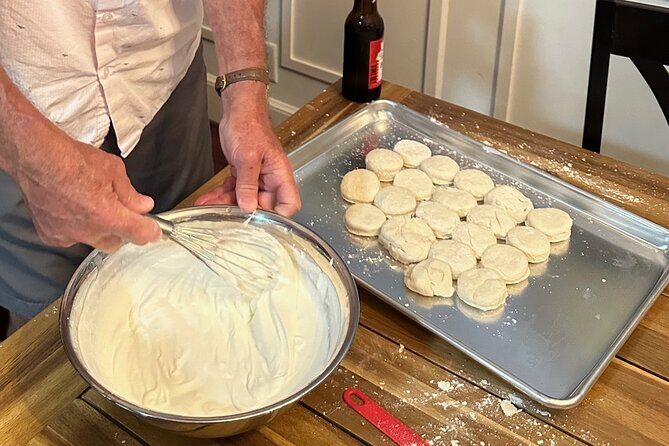
- Two menu options: AM dishes like Huguenot Torte and Buttermilk Biscuits, or PM dishes like Charleston Red Rice and Skillet Cornbread
- Hands-on kitchen time: you’ll chop, mix, season, and cook—not just watch
- Instructors with real personality: Martha often leads classes, with helpers like Mimi supporting hands-on steps
- History that fits the spatula: each dish comes with stories about regional ingredients and cultural meaning
- You eat what you make: coffee or tea plus the snacks and full tasting during the activity
Entering The Kitchen at 184 E Bay St
The class meeting point is easy: 184 E Bay St, suite 103, Charleston, SC 29401. You’ll head in from the sidewalk, check in, and settle at your cooking stations. It’s also noted as being near public transportation, which helps if you’d rather not fight parking in the busiest parts of downtown.
What matters here is how the experience is set up. You’re not waiting around for the instructor to cook everything. The goal is for you to actively participate while the instructor walks you through technique and timing. That means you should arrive a few minutes early so you’re ready to jump in when the group starts.
One more practical note: plan for closer to 2 hours than a rushed 90-minute slot. People mention the full experience can run long enough that you don’t want to stack another booking immediately after.
Other cooking classes in Charleston
How The Class Runs (and Why It Feels Like a Real Workshop)
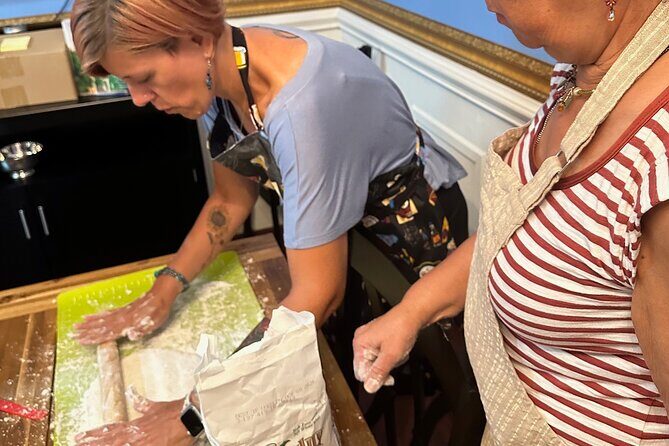
This is a two-hour hands-on cooking class run by Charleston Culinary Tours, described as the longest-running food tour company in Charleston. The class is capped at 16 people, which keeps the vibe lively but still allows some personal attention during the cooking steps.
Here’s the rhythm you can expect:
- The instructor explains what you’re making and what you’ll be doing at each stage.
- You then chop, mix, and season as you go, with the instructor checking in and offering tips.
- You finish by eating the results together with coffee or tea service.
This structure is a big part of the value. If you’ve done food tours where you just get a few bites, you’ll likely like the shift here: you build the dishes yourself, then you taste them at the table right afterward.
If you’re a confident cook, you’ll still get something out of it—mainly better seasoning sense, technique cues, and regional “why” behind the recipes. If you’re new in the kitchen, you’ll likely appreciate the clear step-by-step approach and the fact that the class is set up so people can participate without needing advanced skills.
The AM Menu: Huguenot Torte, Buttermilk Biscuits, Pimento Cheese
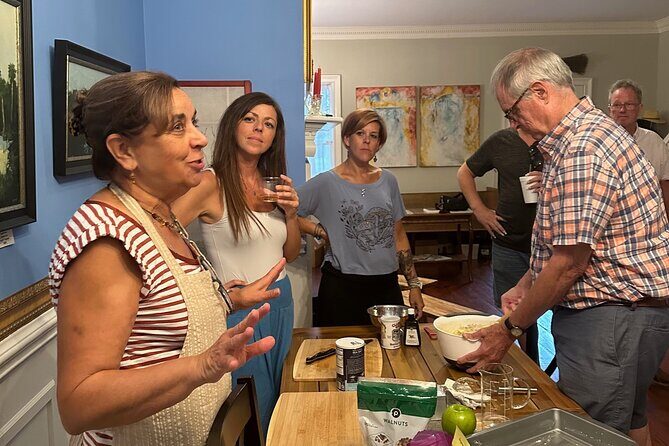
If you take the AM class, you’re looking at three classic Lowcountry dishes:
- Huguenot Torte
- Buttermilk Biscuits
- Pimento Cheese
This trio is a nice spread. You get something dessert-like (the torte), something baked and satisfying (biscuits), and something tangy and spreadable (pimento cheese). The best part is that each dish isn’t taught in isolation—you cook and learn the “process” so you can repeat it later at home.
The standout love from people is the biscuit instruction. Several comments specifically mention learning new tricks and finally feeling confident making biscuits. That’s exactly what you should hope for from a class like this: not just a recipe sheet, but a mental checklist you can run next time.
You’ll also get stories tied to ingredients and regional meaning. One of the praised parts of the teaching style is that you’re not just mixing; you’re understanding what the recipe represents in Charleston food culture and why the ingredients matter.
After cooking, you enjoy the food during the activity, with coffee and/or tea service. So you’re not standing over a sink with a “someday” meal—you get to eat while it’s fresh.
The PM Menu: Charleston Red Rice, Skillet Cornbread, Seasonal Cobbler
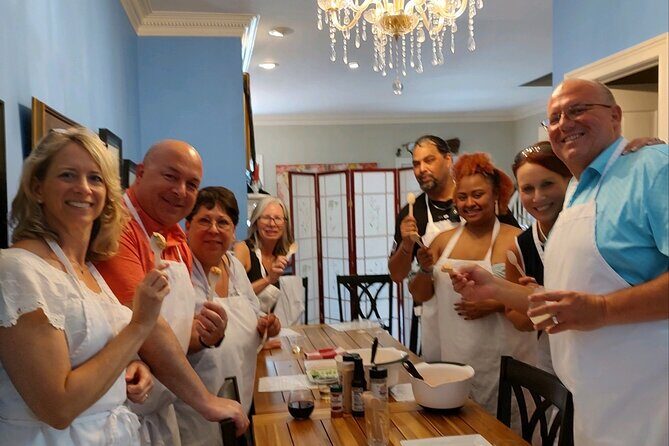
The PM menu shifts gears into savory comfort plus a sweet finish:
- Charleston Red Rice
- Skillet Cornbread
- Seasonal Cobbler
This option can be a great fit if you want a heartier, more meal-like experience than the AM spread. Red rice and skillet cornbread tend to land as filling staples, and the cobbler gives you that familiar Southern dessert payoff.
Just like the AM class, you’re not only tasting—you’re actively making. You’ll chop, mix, season, and cook the dishes as the instructor guides you through the steps. And each dish comes with some background so you can connect the recipe to the region rather than treating it as random comfort food.
If you’re the type who likes learning by doing, PM is also a good choice because cornbread and red rice usually leave you with multiple technique moments—mixing, portioning, and managing heat while the dish comes together. That hands-on focus is the whole point of the workshop format.
Afterward, you still get the coffee/tea and the chance to share the table with what you produced.
Martha and the Team: What Instruction Looks Like Up Close
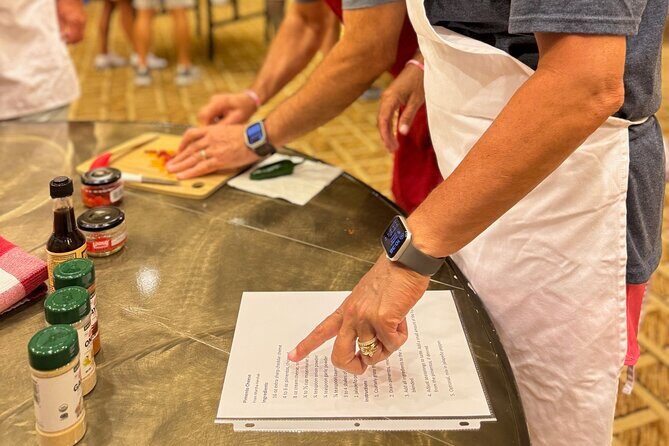
A lot of the class energy comes from the instructor. Many of the strongest comments name Martha, describing her as engaging, prepared, and genuinely enjoying the teaching. People also mention clear, practical instructions—especially for biscuits—plus history woven in so it doesn’t feel like a separate lecture.
There’s also support from a helper (Mimi is named in one comment), and another instructor name—Beth—shows up as well. Translation for you: this isn’t a one-person show. There’s a team setup designed to keep the class moving and help you stay involved.
What I’d pay attention to in the class style:
- The instructor breaks tasks into steps so you’re doing real work, not just watching.
- You get ingredient context (where the ingredients fit in the region and what they’re doing in the recipe).
- You get technique cues you can remember, like how to get biscuits right.
That’s the difference between a cooking demo and a cooking class. Here, you leave with skills you can repeat, not just an edible souvenir.
If you're still narrowing it down, here are other tours in Charleston we've reviewed


The 19th-Century Dining Room Meal (and Why It’s Part of the Value)
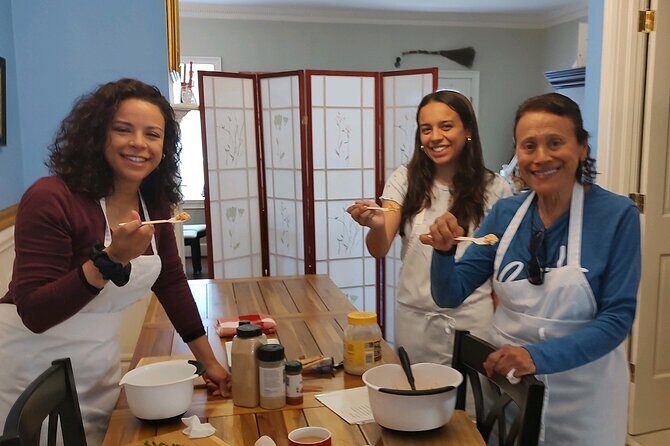
One reason this class lands well is the payoff. After you finish cooking, you enjoy the fruits of your labor in the dining room with local coffee and/or tea service. The setting is described as a charming 19th-century dining room, which adds a sense of place without getting too precious.
The practical value is simple: you eat what you made right away. That makes it easier to judge texture, seasoning, and doneness. If something felt off during cooking, you can often clock why after the first bite—and you’re already in the same room with the instructor to help you connect the dots.
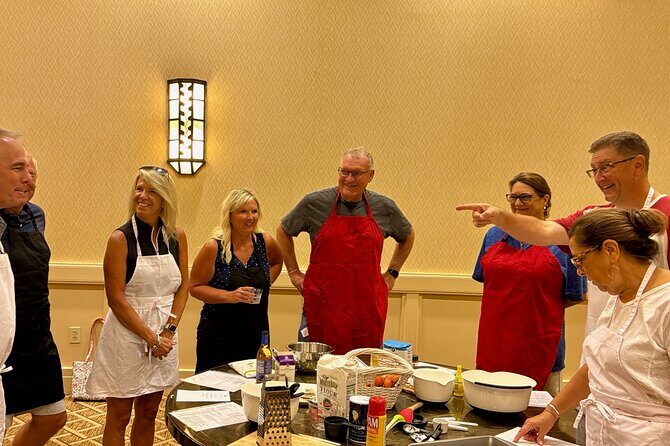
It also makes the experience social in a comfortable way. With a group size limited to 16, people tend to chat while they cook and then again at the table. If you’re traveling solo, that can turn a tricky “what should I do tonight?” moment into a structured activity with natural conversation.
Price and Logistics: Is $99 Worth It?
$99 per person sounds like a splurge until you line up what’s included. You get:
- Coffee and/or tea
- Snacks, with all prepared food enjoyed during the activity
- All ingredients and supplies
- About two hours of hands-on instruction and cooking
The key value is that you’re paying for a guided meal you actually cook. You’re not just buying a ticket to watch someone else work, and you’re not expected to bring ingredients or tools. You also get a focused class length—long enough to learn and finish, short enough to fit into a busy Charleston day.
Is it perfect value for everyone? The main consideration is the workshop format. One comment mentions the class can feel a bit crowded, and that hands-on time may feel reduced compared with cooking schools in other cities. Since the group size can reach 16, your best strategy is to arrive ready, lean into teamwork, and treat it as a guided recipe experience rather than a high-end, individual workstation setup.
If you want a low-effort, hands-on cultural activity, $99 can feel fair fast—especially when you count the ingredients, the meal, and the take-home learning.
Who This Class Suits Best (and Who Might Want a Different Option)
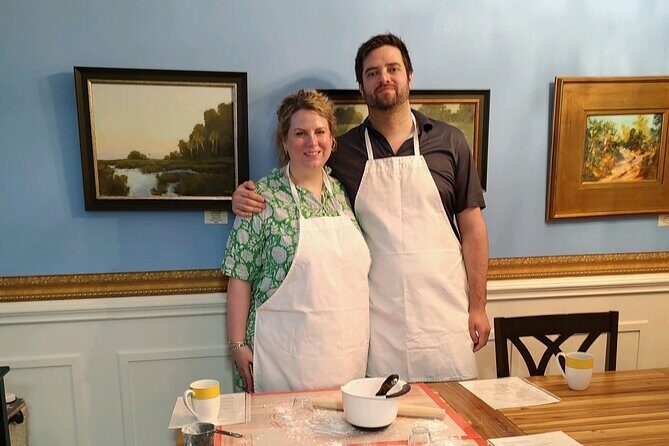
This hands-on class fits best if you want:
- A structured activity that teaches you how to make Charleston-style food
- A “learn while you cook” experience, even if you’re not a confident cook
- A mix of cooking and regional stories, tied to the ingredients and dishes you’re making
- An easy way to spend a half-day with a group that stays small
Several comments specifically highlight that no cooking experience is needed, and that people with different skill levels can participate. That’s important. If you can follow steps, you’re likely to be fine here.
Consider a different option if you need a totally separate, fully spacious professional kitchen environment. The class is designed to be approachable and efficient, not a quiet hands-on lab with endless counter space.
My Booking Checklist Before You Go
Before you book, here’s what I’d do to make your class day smooth:
- Pick AM or PM based on what you want to learn: biscuits and torte in the morning, or red rice and cornbread at night
- Plan for about two hours so you don’t get boxed in by your next reservation
- If you have food allergies, consider reaching out in advance. One comment notes allergies were accommodated when possible with advance notice
- Bring curiosity, not confidence: the class is hands-on and designed for real participation, not culinary exams
Also, because the class ends back where it starts, you won’t need a complicated transportation plan afterward. Just treat it like a cooking stop in the middle of your Charleston day.
Should You Book This Hands-On Cooking Class in Charleston?
Yes—if you want to do more than taste Charleston. This is a practical class where you cook three regional dishes, learn technique cues you can use again, and sit down to eat what you made in a cozy, old-Charleston setting.
I’d especially recommend it if:
- biscuits are on your list (the biscuit instruction is a frequent standout)
- you like your cooking tied to place and meaning, not just ingredients and measurements
- you want an activity that works for people with different cooking levels
I’d think twice if you’re expecting a huge professional kitchen with tons of personal counter space. The workshop format is the point, and with a max group size, you’ll share the flow.
If that matches your style, book the date that fits your schedule and your menu mood. Then show up ready to chop and season—you’ll leave with a stronger sense of how Lowcountry food gets made.
FAQ
How long is the Hands-on Cooking Class in Charleston?
It runs for about 2 hours.
Where does the class meet?
The start location is 184 E Bay St suite 103, Charleston, SC 29401, USA.
What dishes are included?
The AM menu includes Huguenot Torte, Buttermilk Biscuits, and Pimento Cheese. The PM menu includes Charleston Red Rice, Skillet Cornbread, and Seasonal Cobbler.
Is coffee or tea included?
Yes. Coffee and/or tea is included, and you also enjoy snacks and the prepared food during the activity.
Do I need cooking experience?
No cooking experience is not required, and the class is designed so people can participate and learn the recipes.
What is the group size limit?
The class has a maximum of 16 travelers.
Is the class offered in English?
Yes, it is offered in English.
How much does it cost, and what’s included at that price?
It costs $99.00 per person, and includes ingredients and supplies, coffee and/or tea, and snacks with all prepared food enjoyed during the activity.
Can I cancel for a full refund?
Yes. Free cancellation is available up to 24 hours before the experience start time for a full refund.