REVIEW · CHARLESTON
Lost Stories of Black Charleston Walking Tour
Book on Viator →Operated by Tour Charleston, LLC · Bookable on Viator
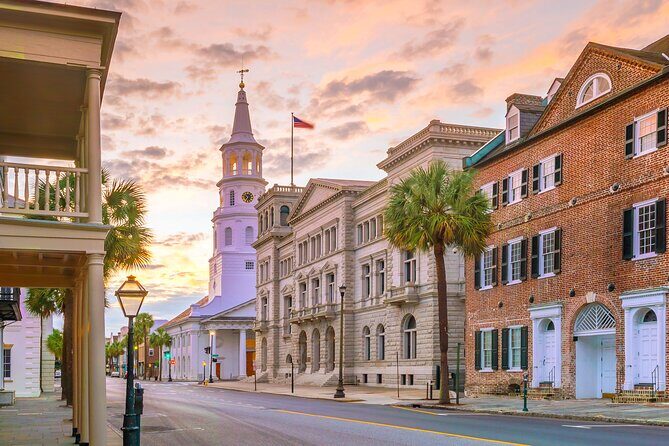
Charleston has a second set of stories. This walking tour focuses on Black Charleston—the parts of the city that don’t always make it into the usual sightseeing loop. You follow a route through major downtown landmarks, then land on darker, more honest ground near the Old Slave Mart Museum.
What I like most is the fact that the tour is narrated by Damon Fordham, who blends storytelling with researched history. I also love that you’re walking, not bouncing in a van—so each stop feels tied to the streets you’re actually standing on, from City Market to Waterfront Park.
One thing to consider is tone and pacing. The tour takes place outdoors and includes periods where you’re standing in place for stories, and one guest noted the delivery can feel sharp at times—so it helps to go in ready for truth-telling, not a soft, smooth ride.
In This Review
- Quick Reasons to Book Lost Stories of Black Charleston
- Why This Lost Stories Tour Hits Different
- Meet at Buxton Books: Timing, Group Size, and Walking Reality
- City Market to Catfish Row: The Story Hides in Plain Sight
- Heyward-Washington House: Thomas Heyward Jr. and What Gets Left Out
- Old Slave Mart Museum: Standing Near the Auction Galleries
- Waterfront Park to the Harbor: From Slavery to Civil Rights on Foot
- Damon Fordham’s Delivery: Storytelling With Education (and Occasional Music)
- Price Check: Why $39 for 2 Hours Can Be a Good Deal
- What to Expect With Time at Each Stop (and How to Prep)
- A Note on Fit: Who This Tour Serves Best
- Should You Book Lost Stories of Black Charleston?
- FAQ
- How long is the Lost Stories of Black Charleston walking tour?
- Where does the tour start?
- What is included in the tour price?
- Is the tour offered in English?
- Are there admission tickets included for the stops?
- What if the tour is canceled due to weather?
Quick Reasons to Book Lost Stories of Black Charleston
- Guided by Damon Fordham: writer, historian, educator, and licensed tour guide
- A focused route: City Market, Catfish Row, Heyward-Washington House, Old Slave Mart, Waterfront Park
- Big themes, small details: the walk traces slavery through Reconstruction to civil rights
- Historical landmarks in context: including the Old Slave Mart Museum site and the Heyward-Washington House
- Small group size: capped at 20 travelers, which keeps the experience more personal
Why This Lost Stories Tour Hits Different
This isn’t the kind of Charleston tour that treats history like a photo-op. You’re learning how Black life shaped the city—and how the city shaped Black life—right where it happened.
The tour route is built around recognizable places, but the narration is the main event. You get context that helps you connect what you see in the street to what it meant for real people, especially when the story moves from old-world grandeur into the systems that crushed and controlled Black communities.
Other walking tours we've reviewed in Charleston


Meet at Buxton Books: Timing, Group Size, and Walking Reality
You meet at Buxton Books, 160 King St at 3:30pm. The tour runs about 2 hours, and it’s limited to a maximum of 20 travelers, so you’re not swallowed by a crowd.
Bring good walking shoes. Even though it’s a downtown route, you’re on foot and you may stand at a few spots for extended storytelling moments. Also plan for weather. The experience is described as requiring good weather, and if conditions are poor, you’ll be offered a different date or a full refund.
City Market to Catfish Row: The Story Hides in Plain Sight
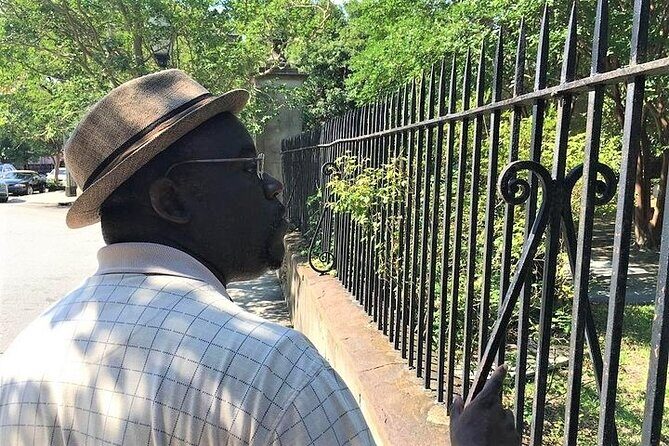
The tour starts with the Charleston City Market, a historic marketplace in downtown Charleston. If you’ve been there before, it’s the kind of place that looks lively and charming—yet it sits near bigger truths about how the city was built and who benefited.
From there, you head toward the Jehu Jones Hotel site and then the area of Catfish Row, made famous through Porgy and Bess. The key here is that you’re not treating Catfish Row as just a cultural reference point. You’re being asked to think about the people and realities behind the names that ended up in theater history.
This segment is also a lesson in how Charleston markets and neighborhoods overlap. You’ll likely start noticing how a city can feel layered: commerce, entertainment, and pain all in the same few blocks.
Heyward-Washington House: Thomas Heyward Jr. and What Gets Left Out
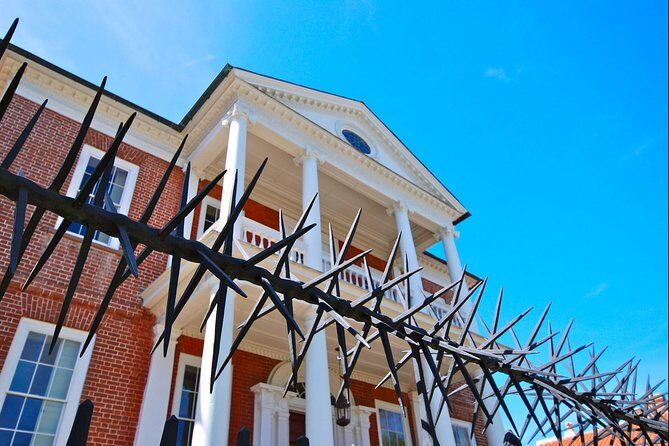
Next is a pass by the Heyward-Washington House, associated with Thomas Heyward Jr., a signer of the Declaration of Independence. This is one of those moments where the city’s famous founding story can feel incomplete—because Charleston’s power didn’t come from only ideas. It came from systems.
The tour doesn’t focus on the house as a museum stop (you pass by for about 10 minutes), but that’s exactly why it works. You’re learning how to look at “important” landmarks with a more honest frame, not just admire the architecture or the symbolism.
If you like history that connects institutions to everyday life, this stop will give you a useful lens for the rest of your Charleston day.
Old Slave Mart Museum: Standing Near the Auction Galleries
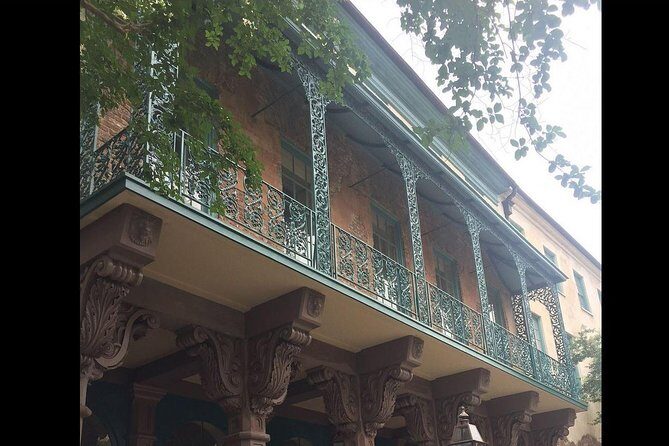
The route then brings you near the Old Slave Mart Museum, the building tied to slave auction galleries in downtown Charleston. This is one of the most serious stops on the walk, and the tour structure reflects that.
You’ll spend about 15 minutes in this area, and admission is not included for this portion. The tour is built to use the exterior and nearby location to support the bigger narration—so you can see the space while hearing the story that transformed human lives into transactions.
This stop is worth approaching with a steady mindset. It’s the kind of history that can land heavy, and the tour’s whole promise is that you’ll hear the “lost stories” instead of staying in safe generalities.



Waterfront Park to the Harbor: From Slavery to Civil Rights on Foot
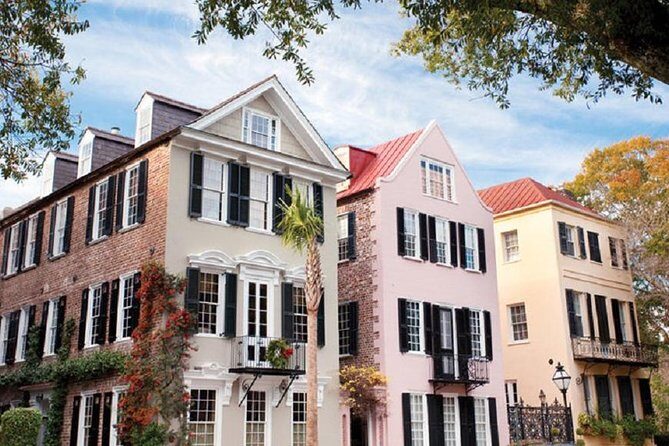
The walk’s final stretch takes you to Charleston Waterfront Park. This portion is about the long timeline—how you move from slavery through Reconstruction and into civil rights, and how the story didn’t suddenly resolve when a war ended or laws changed on paper.
You’ll hear about “lesser known places where heroes and heroines made history,” along paths that connect different eras of struggle and organizing. Admission for this portion is free, and the park time is about 30 minutes.
Then you shift from heavy history to a kind of visual release as you walk along the Charleston Harbor. It doesn’t erase what you’ve learned, but it helps you leave with your bearings. You finish back at the meeting point with the story of Black Charleston sitting in your mind alongside the scenery.
Damon Fordham’s Delivery: Storytelling With Education (and Occasional Music)
Damon Fordham is central to why this tour earns such strong ratings. The format is described as narration by a writer, historian, educator, and licensed tour guide, and his approach comes through in the way the tour is structured: facts mixed with personal perspective and artful storytelling.
Several reviews also point out that he brings extra personality—like humor—and even includes musical touches during the walk. One guest specifically called out the use of a melodica, which fits the feeling that the tour isn’t just a lecture. It’s closer to a guided performance that still stays grounded in research.
He’s also described as answering questions and building in space for interaction. That matters on walking tours, because questions are the best way to keep you from zoning out during serious material.
Price Check: Why $39 for 2 Hours Can Be a Good Deal
At $39 per person for about 2 hours, this isn’t a bargain-tour price. But it also isn’t overpriced for what you’re getting.
You’re paying for a licensed, credentialed guide—Damon Fordham—and for an experience built around specific downtown locations tied to Black history. The group size cap of 20 travelers also supports value. With larger groups, you often lose the chance to ask questions. Here, the smaller setting helps the tour feel like it has air.
You’re also not stuck paying for every stop. Some segments are listed as free (like the Charleston City Market portion and the Waterfront Park portion), while the pass-by areas include some sites where admission is not included (like the Heyward-Washington House and Old Slave Mart Museum). That’s a fair setup for a walking tour: you get narrative context, and you can decide whether you want to add paid entry on your own schedule.
If you’re trying to understand Charleston quickly, this kind of guided story can save you hours of research on your own—especially because it focuses on the missing chapters.
What to Expect With Time at Each Stop (and How to Prep)
The pace is built from short walk segments plus story time. You’ll spend:
- about 30 minutes around the Charleston City Market segment (including nearby stops like Jehu Jones Hotel site and Catfish Row area)
- about 10 minutes passing by Heyward-Washington House
- about 15 minutes near the Old Slave Mart Museum
- about 30 minutes in Waterfront Park before finishing along the harbor
So you’ll be moving, but you’ll also be stopping often. Wear layers if it’s warm and bring water. If you’re sensitive to loud speech or fast corrections, go in knowing the narration can feel direct. One review noted the guide’s delivery can come across as abrasive, with scolding-style corrections rather than gentle facilitation. That doesn’t mean the tour isn’t caring—just that the style may be more no-nonsense than you expect.
Also, the tour is offered in English, uses a mobile ticket, and confirmation is sent within 48 hours subject to availability.
A Note on Fit: Who This Tour Serves Best
This is a strong fit for you if you want Charleston with context. If you like walking tours but you’re tired of surface-level explanations, this one uses the city itself like a textbook.
It’s also a good choice if you’re coming with questions about how the past is still visible today—because the route explicitly traces major eras: slavery, Reconstruction, and civil rights. You’ll likely walk away thinking about how to see other Charleston landmarks differently, not just “check off” a list.
It may feel less ideal if you want a breezy, purely scenic walk. The tour tackles difficult material, and it’s built around memory and loss as much as discovery.
Should You Book Lost Stories of Black Charleston?
I’d book it if you want a tour that treats Black history as central, not optional. For $39 and about 2 hours, you’re getting a focused downtown route, a licensed guide with strong credentials, and a story line that connects multiple eras in a way a self-guided stroll usually won’t.
Skip it only if you’re looking for light entertainment history or you know you dislike direct, firm delivery styles. If that’s you, you might still enjoy the route on your own—but you’d miss the way the narration ties the places together.
FAQ
How long is the Lost Stories of Black Charleston walking tour?
The tour lasts about 2 hours.
Where does the tour start?
You meet at Buxton Books, 160 King St, Charleston, SC 29401.
What is included in the tour price?
The tour price includes the 2-hour walking tour and narration by Damon Fordham. The experience also includes stories connected to Mother Emanuel A.M. E. Church.
Is the tour offered in English?
Yes, the tour is offered in English.
Are there admission tickets included for the stops?
Admission is listed as free for the Charleston City Market and Charleston Waterfront Park portions. Admission is not included for the Heyward-Washington House and the Old Slave Mart Museum.
What if the tour is canceled due to weather?
This experience requires good weather. If it’s canceled due to poor weather, you’ll be offered a different date or a full refund.