REVIEW · CHARLESTON
Walking history tour Charleston SC
Book on GetYourGuide →Operated by Historic Charleston Tours · Bookable on GetYourGuide
Charleston is the kind of place where history shows up in plain sight. This 2-hour small-group walk strings together Rainbow Row, the original walled-city area, and some of Charleston’s biggest grand houses—so you see the city’s look and its backstory in one go. I especially like how the tour ties architecture and streets to real events, including the Civil War and Revolution stories you keep hearing about here.
Two things I really value: you get major-photo stops like Rainbow Row and the Battery area, and you also get the local context that makes those photos mean something. One consideration: it’s a walking tour in rain or shine, and it is not set up for mobility impairments or wheelchair use.
If you’re picturing a quick stroll with no effort, adjust your expectations. This is 2 hours of purposeful walking on city sidewalks, and you’ll want comfortable shoes and a small weather plan.
In This Review
- Key Things I’d Prioritize on This Tour
- Why Charleston’s Walled City and Rainbow Row Fit Into One Smart Walk
- Meet at 1½ Meeting Street: The Tour’s Pace, Group Size, and Time Window
- Charlestowne Neighborhood and the Site of the Original Walled City
- Williams Mansion, Charleston’s Big-Home Scale, and White Point Gardens
- The High Battery: Revolution, Civil War, and Battery Wagner from Glory
- Tradd Street and Church Street: Film Locations and Porgy and Bess Catfish Row
- What You’re Really Paying For: A Licensed Guide Who Brings Local Preservation Context
- Price and Value for a 2-Hour Small-Group Charleston Walk ($47)
- Who This Tour Fits Best (and Who Might Want Another Option)
- Should You Book This Walking History Tour?
- FAQ
- Where does the tour meet?
- How long is the tour?
- How big is the group?
- What’s included in the price?
- Is food or drink included?
- Will the tour run in bad weather?
- What languages are offered?
- Is this tour suitable for wheelchair users or mobility impairments?
- What is the cancellation and payment flexibility?
Key Things I’d Prioritize on This Tour
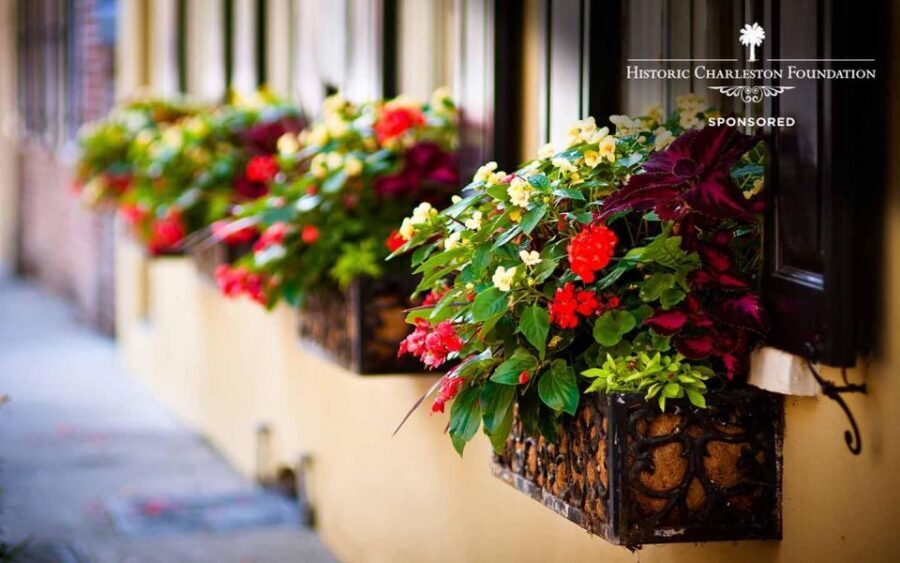
- Rainbow Row in a real walking sequence so it connects to the larger historic district
- The walled-city area in the Charlestowne neighborhood which helps you understand how Charleston grew
- Williams Mansion and the scale of big houses to see what wealth looked like in built form
- The High Battery area with Civil War context tied to Battery Wagner and the film Glory
- Tradd Street and Church Street movie and play locations including The Patriot and Porgy and Bess
Why Charleston’s Walled City and Rainbow Row Fit Into One Smart Walk
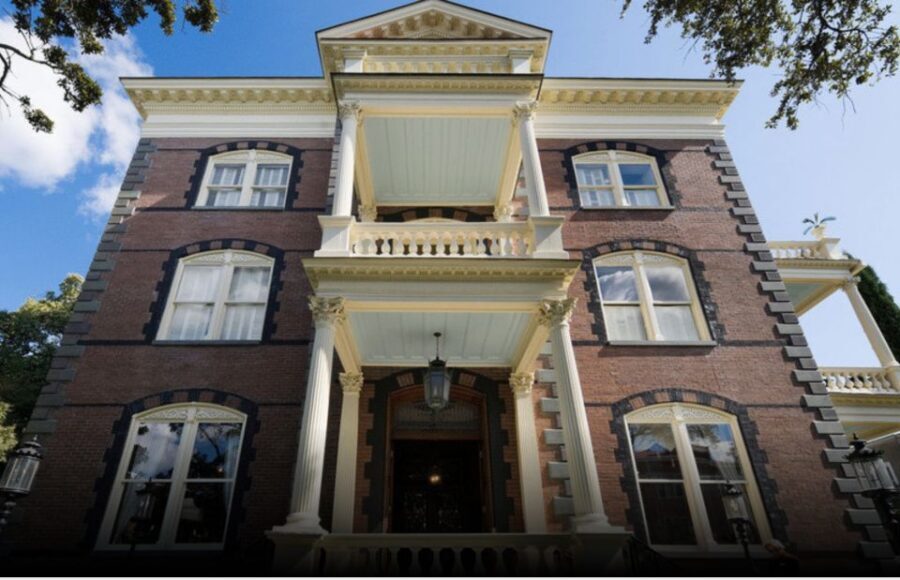
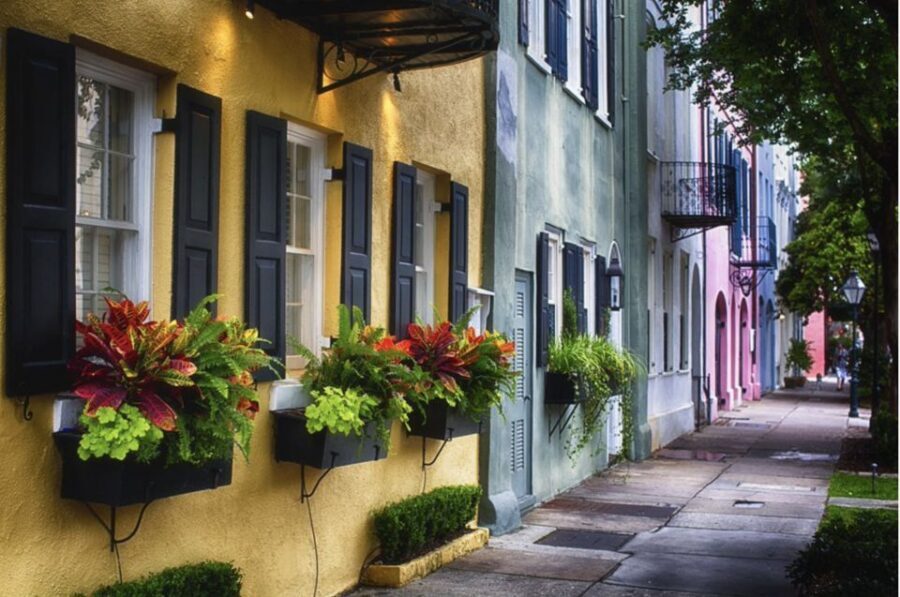
Charleston can be overwhelming at first. The streets curve, the houses look like they all belong in a museum, and the names of places sound like they came from a textbook. This tour helps you get your bearings fast by moving through the historic core in a way that makes cause-and-effect clear: where the city started, where it grew, and why certain streets and views became famous.
I like that it isn’t just “look at this building” sightseeing. You’re walking through the Charlestowne neighborhood, reaching the site of the original walled city, and then working toward big landmarks like the High Battery and Rainbow Row. In plain terms: your feet do the organizing, and your guide does the connecting.
You’ll also get a film-and-stage angle that feels practical. When you hear how Tradd Street relates to The Patriot, or Church Street connects to Catfish Row and Porgy and Bess, the places become more memorable than a list of dates. You’re not studying; you’re pattern-matching locations to stories.
Other walking tours we've reviewed in Charleston



Meet at 1½ Meeting Street: The Tour’s Pace, Group Size, and Time Window
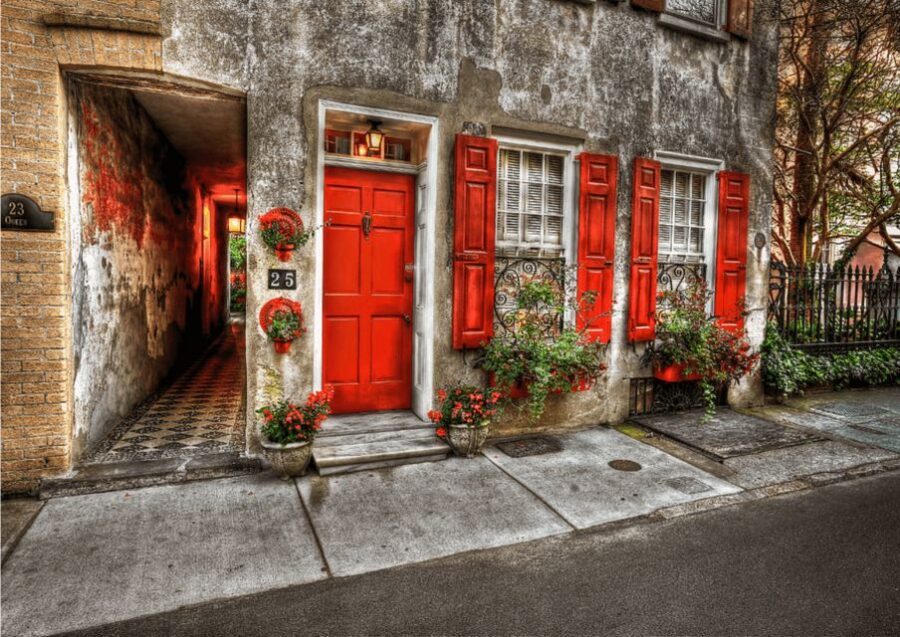
The meeting point is 1 1/2 Meeting Street, at the very southern end of Meeting Street. That location matters because it places you right where the historic district energy starts to show up quickly. If you’re staying nearby, you’ll likely find this easier than hopping across town.
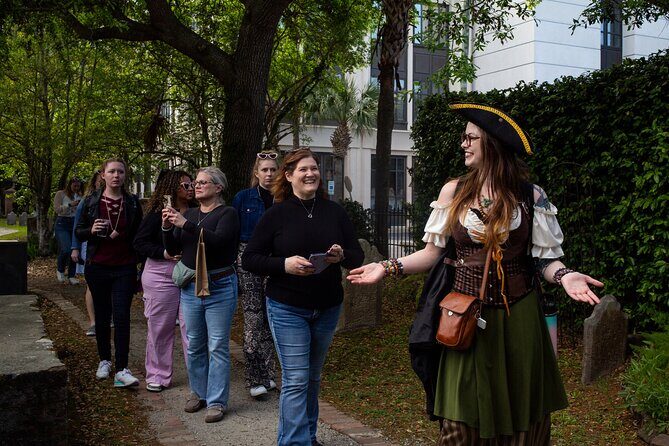
The tour runs for 2 hours, and it stays small: limited to 10 participants. For me, small group is the difference between hearing facts from a distance and actually getting your questions answered on the spot. With this size, you can ask about architecture, street names, or the Civil War and still keep the flow of the walk.
Comfort-wise, plan like it’s a real walk, not a sit-down lecture. It takes place rain or shine, so bring a rain layer even if the forecast looks friendly. Also, it does not include food or drink, so if you’re arriving hungry, make a quick stop beforehand.
Finally, English is the only language listed, so it’s best if you’re comfortable following a fast-moving history conversation at street level.
Charlestowne Neighborhood and the Site of the Original Walled City
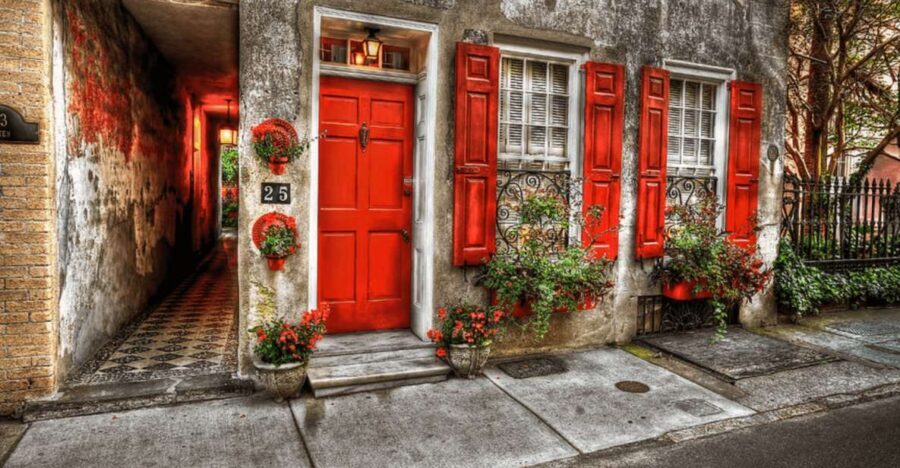
The heart of the tour starts in the oldest part of Charleston: the Charlestowne neighborhood. This is where the city’s earliest layout helps you understand why the historic district looks the way it does. You’re not just seeing old buildings; you’re seeing an old logic.
The guide also brings you to the site of the original walled city. That detail matters because it explains why early Charleston wasn’t a random sprawl of streets. Walls shape movement. Walls create checkpoints and boundaries. And boundaries affect where people built, traded, and lived.
As you walk, you’ll likely notice that Charleston’s charm is not only in the houses—it’s in the street plan and the way different blocks feel connected. This section gives you that “why these streets matter” feeling, which makes everything that follows—Rainbow Row, the big houses, and the Battery area—click more quickly.
If you’re short on time in Charleston and want the biggest payoff per step, this is a strong use of your limited hours. The walled-city context helps you avoid the common trap of admiring architecture without understanding what it was trying to do.
Williams Mansion, Charleston’s Big-Home Scale, and White Point Gardens
Next you shift from early-city structure to the scale of wealth that shaped Charleston’s later eras. The tour highlights the Williams Mansion, noted as about 25,000 sq. ft. Even if you don’t go inside (the details provided here focus on the tour walk), the point is the same: you’re seeing what “grand” looked like when money had room to be expressed in space.
You also make time for White Point Gardens, which is discussed in the tour description as one of Charleston’s major large-site impressions. Even if your visit is mostly exterior, you’ll feel the contrast between private grandeur and public space. In Charleston, that contrast is part of the story.
What I like here is that big-house sightseeing can turn into visual staring if nobody explains it. This is where the guide’s local perspective helps. When you hear how these properties fit into Charleston’s growth and social structure, the scale stops being just impressive and starts being meaningful.
One practical note: gardens and grand façades can be photo-friendly, but they also can be sun-heavy on clear days and damp on wet ones. If you want crisp photos, bring a jacket you can shed quickly and keep an eye on footing around garden edges.
The High Battery: Revolution, Civil War, and Battery Wagner from Glory
The tour’s High Battery segment is where Charleston history gets serious. You’ll walk and hear about the Revolutionary War and the Civil War, including the Battle of Battery Wagner, which is connected to the film Glory.
This is a great part of the tour if you like your history tied to real geography. The Battery area isn’t just a scenic overlook; it’s a built setting that helps explain why battles and defenses happened where they did. When a guide points out locations in relation to events, you stop treating the story like a chapter and start treating it like a map.
I also like how the tour doesn’t treat the Battery as one-note. It connects earlier conflict periods to later ones, so the city’s defensive role and strategic position make sense over time. That is exactly the kind of linking that makes a short tour feel longer and more rewarding.
Because the High Battery can be breezy and exposed, rain or shine matters here. If the weather turns, expect wind and wet stone. Wear shoes you trust, and keep your phone secured. You’re doing enough moving that you don’t want to stop every ten minutes to readjust your gear.
Other historical tours in Charleston




Tradd Street and Church Street: Film Locations and Porgy and Bess Catfish Row
Two of the most fun parts of the Charleston experience are the moments when pop culture quietly points you to real places. This tour uses Tradd Street and Church Street as those anchors.
On Tradd Street, you’ll hear about the filming connection to The Patriot. That’s not just trivia. Street-level settings can tell you about the past—how people moved, how the architecture held up, and which areas were preserved enough to feel familiar to modern eyes.
Then you hit Church Street for Catfish Row, which is referenced in the play Porgy and Bess. This part helps you see how Charleston’s neighborhoods became part of larger cultural storytelling. It also makes your walk more engaging because you’re connecting what you see to what you’ve read, watched, or heard onstage.
A small tip: when a guide mentions a movie or play reference, pause your instinct to mentally fast-forward. Those references often come with a specific location detail—where to stand, what to notice, and what that setting implies. If you listen for the location cues, you’ll remember the places, not just the titles.
What You’re Really Paying For: A Licensed Guide Who Brings Local Preservation Context
The tour includes a licensed city guide, and the guide name you’ll commonly hear here is Mike (including Mike Frederick). The standout theme from the guide’s background is local immersion in preservation, plus a style that mixes facts with street-level stories.
That matters because Charleston history lives in the details: architectural features, changing uses of buildings, and why certain places got protected. When your guide has a preservation focus, you’re more likely to get explanations about what you’re seeing and why it survived.
I also appreciate that the guide’s approach doesn’t stop at history trivia. The tour style includes local flavor and practical suggestions—restaurant recommendations came up in the experience reports tied to Mike. That’s useful because the end of a walking tour is when you usually need help deciding where to eat without guessing.
One caution: since the tour is built for walking and conversation, it can move quickly at street level. If you want to linger for photos, you’ll need to be ready to do it in short bursts without slowing the group too much.
Price and Value for a 2-Hour Small-Group Charleston Walk ($47)
At $47 per person for 2 hours, the value comes from what’s included—not just the walking itself. You’re getting a licensed guide plus access to a tight run through multiple high-impact stops: Rainbow Row, the original walled-city site area, the Williams mansion reference with its noted size, White Point Gardens, the High Battery area, and the film/play-linked streets.
For me, the best comparison point is not “Is this cheaper than doing it on your own?” It’s “Does this save me time and help me understand what I’d otherwise see without context?” On foot, Charleston’s best sights can be close, but the history connections aren’t obvious unless someone points them out. This tour is built to do that in a small group setting.
The small group cap of 10 participants helps keep the experience feeling personal. In larger tours, the guide often becomes a performer trying to reach the back row. Here, you’re more likely to get that close-up interaction where you can ask questions and still stay on schedule.
It’s also worth factoring in what’s not included. No food or drink is provided, so budget a snack or plan a meal stop after. That keeps the tour price focused on guiding and access to the main walking sights.
Who This Tour Fits Best (and Who Might Want Another Option)
This tour is ideal if you:
- Want a fast orientation to Charleston’s historic core
- Like history that’s tied to real streets, buildings, and defensible geography
- Enjoy pop culture references when they connect to actual places, not just name-drops
- Appreciate a smaller group format where you can hear the guide clearly
It’s less ideal if you:
- Have mobility limitations that make longer, continuous walking hard
- Need wheelchair accessibility (this tour is not set up for wheelchair users)
- Prefer tours that include sit-down time, food, or breaks built into the schedule
Also, because it runs rain or shine, you’ll want a calm weather strategy. Pack a rain layer, plan for damp sidewalks, and keep your photo stops efficient.
If you’re visiting Charleston for the first time and want the highlights without spending an entire day assembling your own route, this is a strong fit.
Should You Book This Walking History Tour?
Yes, if you want a guided walk that actually explains what you’re looking at. The best reason to book is the way the tour connects major visual stops—Rainbow Row, Battery-area views, big-house scale—with the story behind them, including Battery Wagner and the movie Glory, plus Tradd Street and Catfish Row references to The Patriot and Porgy and Bess.
Book it with a simple mindset: wear good shoes, expect rain-ready walking, and let the licensed guide steer the story. If you’re okay with walking for two hours and you want local context instead of just landmarks, this tour is a solid use of your time in Charleston.
FAQ
Where does the tour meet?
It meets at 1 1/2 Meeting Street, at the very southern end of Meeting Street.
How long is the tour?
The duration is 2 hours.
How big is the group?
The tour is small group with a limit of 10 participants.
What’s included in the price?
The tour includes a licensed city guide.
Is food or drink included?
No. Food and drink are not included.
Will the tour run in bad weather?
Yes, it takes place rain or shine.
What languages are offered?
The tour is in English.
Is this tour suitable for wheelchair users or mobility impairments?
No. It is not suitable for people with mobility impairments or wheelchair users.
What is the cancellation and payment flexibility?
You get free cancellation up to 24 hours in advance for a full refund, and you can reserve now & pay later.