REVIEW · CHARLESTON
Jewish History Private Driving Tour of Charleston
Book on Viator →Operated by Charleston Jewish Tours · Bookable on Viator
Jewish Charleston has corners most people miss. This private driving tour threads Sephardic and Ashkenazi roots through real places in the city, with a guide who tells the stories behind the stones and streets. I especially like the way it starts at Kahal Kadosh Beth Elohim (KKBE) and keeps going into the neighborhoods and memorials that explain how a community shaped Charleston. I also love that you get a true private small-group experience, so questions and pacing stay comfortable.
One thing to keep in mind: it’s only about 2 hours, so stops are meaningful but not slow and lingering like you’d get on a longer, full-day version.
In This Review
- Key Things You’ll Notice on This Tour
- Why This Jewish Charleston Tour Works on a Short Schedule
- Price and Value: $395 for Up to Two People
- Meeting at KKBE and How Pickup Really Plays Out
- Stop One: Sephardic Roots at Kahal Kadosh Beth Elohim (KKBE)
- Grace Peixotto and Charleston’s Complicated Side
- Dr. Jacob de la Motta and the Hebrew Orphan Society
- BSBI and Little Jerusalem: Ashkenazi Life in Place
- Holocaust Memorial: The Final Emotional Stop
- Pace, Guide Style, and What You’ll Probably Feel
- Who Should Book This Tour (and Who Might Skip It)
- Should You Book It?
- FAQ
- FAQ
- How long is the Jewish History Private Driving Tour of Charleston?
- How much does the tour cost, and how many people can go?
- Is this a private tour?
- Is pickup from a hotel included?
- What if I’m staying outside downtown Charleston?
- Is the tour offered in English?
- Do I receive a mobile ticket?
- When will I get confirmation after booking?
- What if weather is bad?
- Is there free cancellation, and how far in advance do I need to cancel?
Key Things You’ll Notice on This Tour
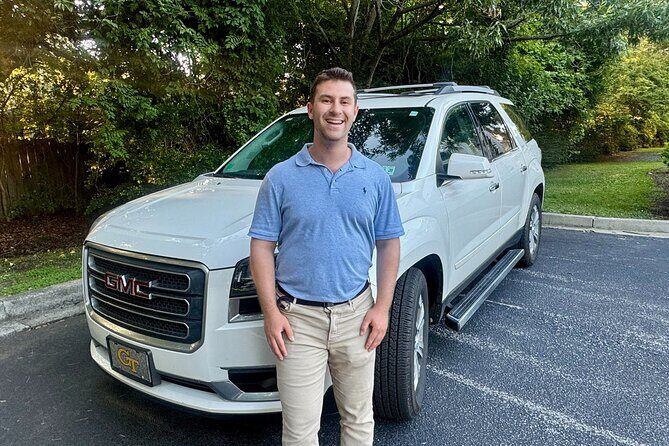
- A focused private route: only your group, with roundtrip transportation from downtown Charleston hotels
- KKBE as the anchor: the oldest synagogue in continuous use in the U.S., tied to American Reform Judaism
- Stories you don’t see on standard city drives: Grace Peixotto’s life and the brothel she ran, plus Bertha Hyman’s connection to charity work
- Jewish Charleston beyond synagogues: a first Jewish-owned pharmacy and the Hebrew Orphan Society
- Ashkenazi sites in context: BSBI and the Little Jerusalem neighborhood from the 1800s
- A final emotional stop: Charleston’s Holocaust Memorial, with its striking symbolism
Why This Jewish Charleston Tour Works on a Short Schedule
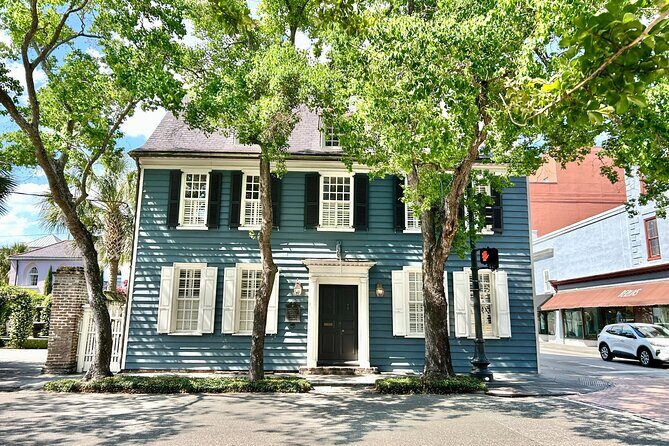
If you’ve ever felt like Charleston history gets flattened into a postcard version, this tour corrects that fast. It takes a very specific slice of the city—Jewish life—and shows you how that story runs through institutions, neighborhoods, and even the way Charleston remembered tragedy.
You’ll spend about two hours in motion, mixing time at major landmarks with short pauses for photos and orientation. The big win is that the route builds like a story. It starts with roots at KKBE, then moves outward to other community pillars: charity, schooling by way of orphan support, religious life in multiple traditions, and the neighborhood footprint often left out of mainstream tours.
Other private tours in Charleston


Price and Value: $395 for Up to Two People
The price is $395 per group for up to two people. That’s not cheap if you’re shopping for a bus tour deal—but the value gets clearer when you think about what you’re actually buying:
- You get a private guide (not shared with strangers).
- You get a focused route built around Jewish landmarks.
- You get pickup help from downtown hotels, which saves you from parking and navigating.
For couples, this can feel like a smart way to buy time and context. For solo travelers, it’s usually best if you’re okay paying the full group rate for a private experience.
Meeting at KKBE and How Pickup Really Plays Out
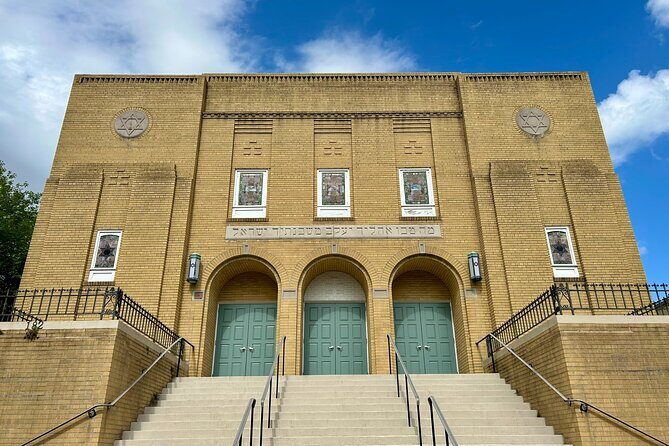
The tour starts at Kahal Kadosh Beth Elohim, 90 Hasell St, Charleston, SC 29401. It ends back at the meeting point, so you’re not stuck coordinating a second ride or trying to time the end of the day.
If you’re staying downtown, the tour includes roundtrip transportation. The guide meets you in the lobby, and you’ll get a text in advance that clarifies where to find them inside the lobby. If you’re outside downtown, you may meet at KKBE’s front gate at the start time.
Practical tip: because it’s a private tour, you’ll move efficiently. Still, arrive a few minutes early to KKBE so you’re not rushing introductions.
Stop One: Sephardic Roots at Kahal Kadosh Beth Elohim (KKBE)

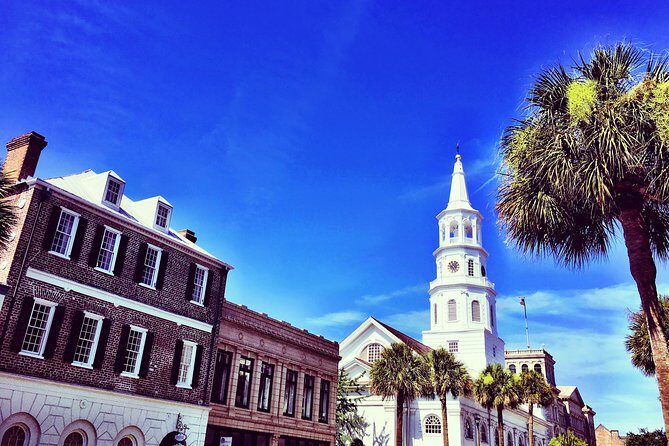
KKBE isn’t just a historic synagogue. It’s described as the oldest synagogue in continuous use in the U.S. and a key birthplace of American Reform Judaism. That matters because it frames the rest of what you’ll see. This isn’t a random list of buildings. It’s a living thread—families, ideas, and institutions that changed how Judaism took shape in America.
At KKBE, you learn about the Sephardic roots that connect the congregation’s early identity to broader Jewish migration and community survival. Expect your guide to point out what makes KKBE architecturally and spiritually significant, and you’ll likely hear how the synagogue functioned as more than worship space.
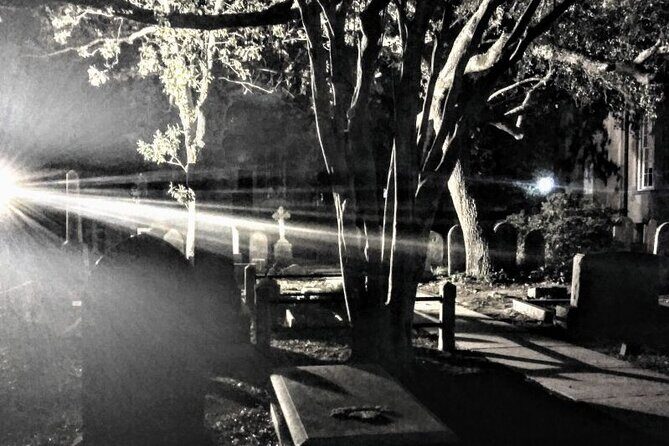
From the experiences shared, one highlight is the synagogue cemetery. Cemetery time can feel quiet and heavy, but it’s also where the scale of the community becomes real. You may see graves connected to major periods of U.S. history, including Revolutionary War and War of 1812 veterans, along with Confederate veterans and many prominent Charleston Jewish families. It’s a powerful reminder that this story wasn’t peripheral to Charleston life—it was intertwined with it.
A consideration: if you’re hoping for a fast, surface-level stop-and-go photo tour, this first stop sets a reflective tone. The payoff is that you understand what you’re looking at.
Grace Peixotto and Charleston’s Complicated Side
Next comes a different kind of history: the human stories that shaped the city’s moral and social world. You’ll hear about Grace Peixotto, described as the daughter of a religious leader and the woman who owned and operated the brothel here.
This stop is valuable because it shows you how Jewish presence in Charleston wasn’t only in synagogue pews and charitable ledgers. People lived in the full complexity of society—sometimes in ways that weren’t welcomed or understood by everyone. Your guide’s job here is to translate that into context: who Grace was, what her position meant, and how her story fits into the larger Jewish narrative in the city.
Bonus that I’d treat as an extra layer: your route may include pointers to other notable local figures tied to social impact, like the home of Charleston’s famous madam, Bertha Hyman, who cared for many of Charleston’s poorest residents. Even if you’ve never heard the name before, these are the details that make the tour feel like you’re learning the city’s hidden map, not just following a standard script.
Other historical tours in Charleston





Dr. Jacob de la Motta and the Hebrew Orphan Society
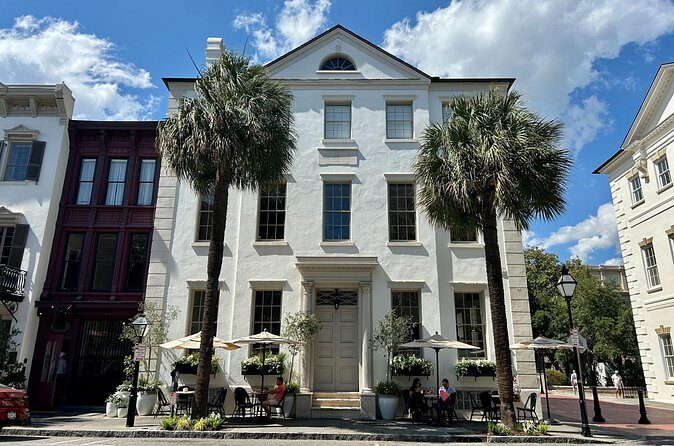
Then you shift into institutions that show Jewish life as problem-solving. One stop highlights Dr. Jacob de la Motta’s former pharmacy, which became the first Jewish-owned pharmacy in the U.S. That kind of landmark matters because it signals entrepreneurship and professional presence—not as a footnote, but as a community built into local commerce and health.
Right alongside that theme is the Hebrew Orphan Society, described as the oldest incorporated Jewish charity in the U.S. This isn’t a vague “they helped people” story. It’s a specific organization with a long timeline, which helps you see how community responsibility was formalized and sustained.
Why this part is worth your attention: when you see a pharmacy and then an orphan charity, you start understanding how Jewish institutions in Charleston supported daily life. Medicine, children, and survival systems—those are the practical anchors that let you read the city more intelligently.
BSBI and Little Jerusalem: Ashkenazi Life in Place
Next up is religious diversity on the ground. You’ll learn about BSBI, described as the oldest Ashkenazi Orthodox synagogue in continuous use in the U.S. Your guide connects what that means historically with what you can still sense today: continuity, tradition, and community structure that held steady even as the city changed.
From the experiences shared, Ronnie—your guide—has deep familiarity with the subject and is part of the Orthodox world through his connection to BSBI. That kind of personal involvement often shows up in tours as more than trivia. It’s a focus on why people would build institutions like this, and what those choices protected over time.
After the synagogues, you move into the neighborhood concept of Little Jerusalem, described as a bustling Ashkenazi Jewish quarter from the 1800s. In practice, this is where you start seeing Charleston as more than famous streets. You begin to understand how communities clustered, where businesses and social support likely formed, and why certain areas gained identity.
A small caution: because this is a driving tour, you won’t walk every block. But you’ll still get enough context to recognize what you’re seeing from the car, which is usually the goal—get your bearings fast.
Holocaust Memorial: The Final Emotional Stop
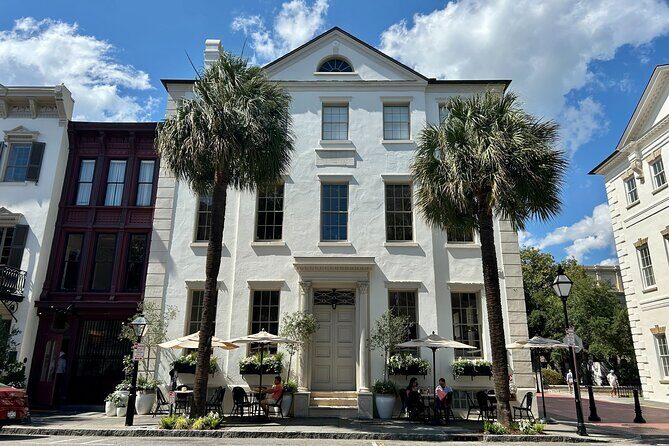
The tour ends with Charleston’s Holocaust Memorial, and the point here is symbolism. The structure is described as unique, and your guide explains what that symbolism is meant to communicate. This is the stop that can land hardest, because it brings the story forward into remembrance rather than only heritage.
Even if you’ve seen other Holocaust memorials elsewhere, this one is still worth paying attention to because it’s interpreted through the lens of Charleston’s own civic memory. You’ll finish with a better sense of how communities honor the past here, not just how they celebrated life then.
Pace, Guide Style, and What You’ll Probably Feel
The pace is built for comfort and efficiency. You’ll be driving between stops, which keeps the walking lighter than many historic city tours. And based on what’s been shared, your guide (Ronnie is frequently mentioned) tends to stay practical—especially when weather gets warm. One review described him finding shady spots and making sure the group stayed comfortable, which is exactly the kind of detail that makes a short tour feel easier.
His storytelling is a major reason people rate this tour so highly. You can expect more than dates. The stories are tied to places you can see, like a synagogue cemetery that turns genealogy into something you can feel, or an old pharmacy that turns economic history into a real address.
If you prefer tours that feel like an informed conversation, this format usually works well.
Who Should Book This Tour (and Who Might Skip It)
You’ll likely love this tour if you want:
- a focused Charleston experience centered on Jewish landmarks and neighborhoods
- a private guide who can connect religious history, charity, and community life
- a route that includes both synagogue traditions (Reformed and Orthodox)
You might skip it if:
- you’re only interested in broad, general Charleston sightseeing
- you want lots of long walking time at each stop
- you’re uncomfortable with heavier themes like Holocaust remembrance (which you’ll reach at the end)
Should You Book It?
Yes, if you want a smarter way to see Charleston in a limited time. The biggest reason to book is that the tour is organized around meaningful anchors: KKBE, community institutions, Ashkenazi life, and finally remembrance through the Holocaust Memorial. It’s not just a themed sightseeing loop. It gives you a framework for understanding what you’re seeing across the city.
Also, the private setup makes it feel personal. When Ronnie tells these stories with confidence and warmth, it turns what could be dry facts into something that sticks.
FAQ
FAQ
How long is the Jewish History Private Driving Tour of Charleston?
The tour lasts about 2 hours (approx.).
How much does the tour cost, and how many people can go?
It costs $395 per group, up to 2 people.
Is this a private tour?
Yes. It’s private, and only your group participates.
Is pickup from a hotel included?
Yes. It includes roundtrip transportation from your downtown Charleston hotel. The guide meets you in the lobby and sends a text beforehand to confirm where to find them.
What if I’m staying outside downtown Charleston?
You may meet at Kahal Kadosh Beth Elohim (KKBE) at the tour start time, at the front gate.
Is the tour offered in English?
Yes, the tour is offered in English.
Do I receive a mobile ticket?
Yes, a mobile ticket is provided.
When will I get confirmation after booking?
You should receive confirmation within 48 hours of booking, subject to availability.
What if weather is bad?
This experience requires good weather. If it’s canceled due to poor weather, you’ll be offered a different date or a full refund.
Is there free cancellation, and how far in advance do I need to cancel?
Yes. You can cancel for a full refund up to 24 hours before the experience’s start time. If you cancel less than 24 hours before, the amount paid is not refunded.