REVIEW · CHARLESTON
Charleston: Magnolia Plantation with Transport and City Tour
Book on GetYourGuide →Operated by Adventure Sightseeing · Bookable on GetYourGuide
Magnolia Plantation moves at a calm, old-time pace. You get the Lowcountry in one long day: nearly 600 acres of gardens and wildlife, plus a Charleston city tour with major landmarks like the Citadel and the Battery. The Audubon swamp tram is a smart way to see wildlife without spending hours hiking.
I especially love that the day is built around guided moments that explain what you’re looking at. A 30-minute plantation-house tour gives you context fast, and the garden time is structured so you don’t wander lost in a huge property. One thing to consider: this is a walking-heavy outing on uneven ground, and it’s not suitable for wheelchair users or those with significant mobility issues.
In This Review
- Key things that make this tour worth your time
- Boarding at the Charleston Visitor Center: how the day stays under control
- Magnolia Plantation: nearly 600 acres of gardens and Lowcountry wildlife
- Audubon swamp tram: spotting alligators, herons, and more without the long hike
- The 30-minute plantation house tour: fast context, real perspective
- Guided garden time (plus a free 45 minutes): learn, then wander
- Charleston highlights in 90 minutes: Citadel, Old City Market, the Battery, and more churches
- Powder Magazine: a short stop with colonial military context
- Price and value: why $109 can work for a full-day combo
- What to pack (and what to plan for outdoors all day)
- Quick guidance on who this tour suits best
- Should you book the Magnolia Plantation with Transport and City Tour?
- FAQ
- How long is the tour?
- Where do I meet the tour?
- What happens at Magnolia Plantation during the guided portion?
- How long is the plantation house tour?
- How long is the Charleston city tour?
- Is Powder Magazine admission included?
- Are meals and drinks included?
- Is this tour suitable for wheelchair users?
Key things that make this tour worth your time
- Audubon swamp tram: wildlife spotting designed for comfort and time
- Plantation-house visit (30 minutes): quick history stop without dragging on
- Guided garden time + free time: learn first, then wander your own way
- Charleston in 90 minutes: Citadel, Old City Market, wrought iron art, and the Battery
- Photo moment at Fort Sumter background: easy sightseeing payoff on the route
- Powder Magazine admission: South Carolina’s oldest public building with colonial military exhibits
Boarding at the Charleston Visitor Center: how the day stays under control

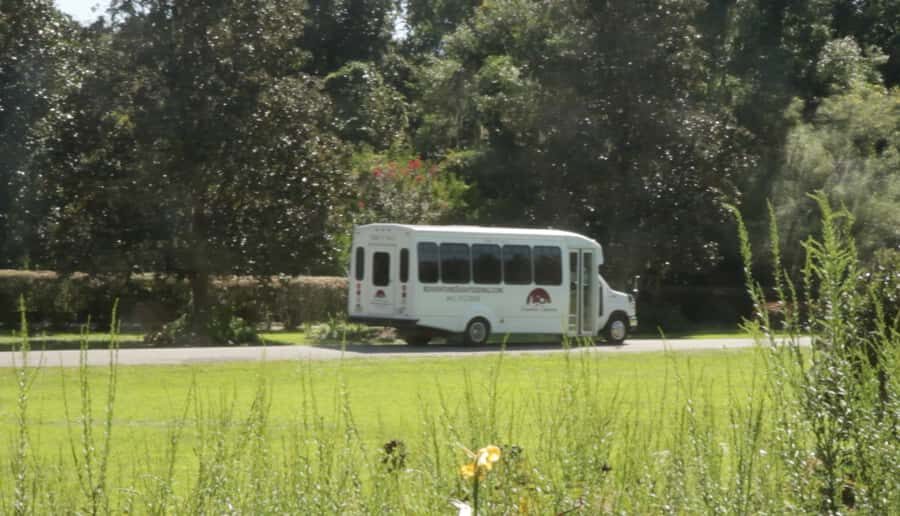
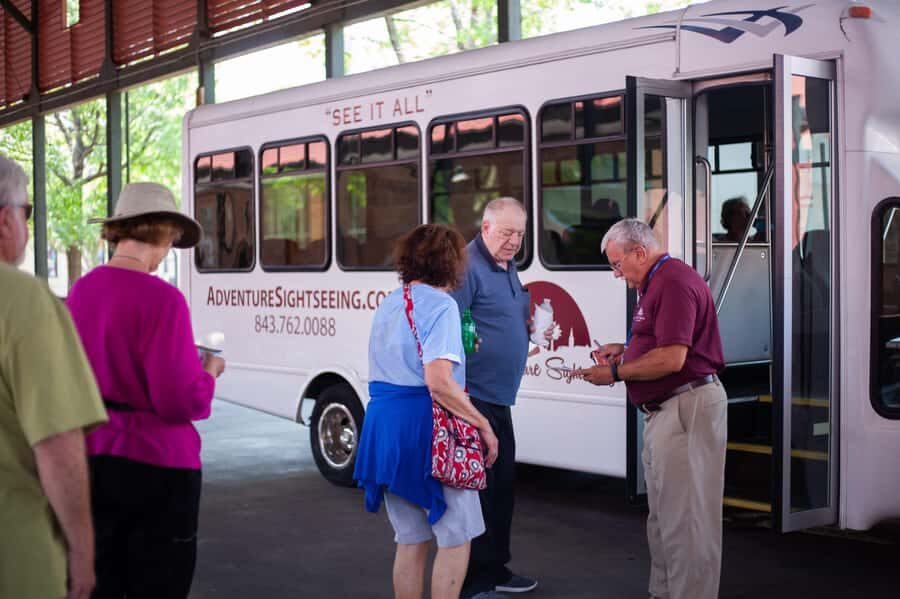
Your day starts at the Charleston Visitor Center, with check-in at the bus shed behind the Visitors Center building. Then you’re on the road in climate-controlled buses—nice if you’re dealing with heat and humidity. Expect a roundtrip flow that’s designed to get you out to Magnolia and back to Charleston without you needing to plan your own transport.
Timing matters here. You’ll be on the bus for about 30 minutes to reach Magnolia, and the tour schedule gives you short breaks plus a chunk of free time later. It’s not a “stroll whenever you feel like it” format. It’s more like a well-run day where you still get personal time, but the big sights are covered.
If you want to see both the plantation and key Charleston landmarks in one day, this is built for that. If you’re looking for a slow, independent experience with total freedom, you might prefer doing Magnolia and Charleston separately.
Other city tours we've reviewed in Charleston



Magnolia Plantation: nearly 600 acres of gardens and Lowcountry wildlife

The heart of the day is Magnolia Plantation and Gardens, a nearly 600-acre property where you’re not just touring plants—you’re watching a working Lowcountry ecosystem. The guided walk through the gardens is a major part of what makes this feel different from a typical museum visit.
And then there’s the wildlife component. On the grounds (and especially during the swamp portion), you may see alligators, egrets, herons, and turtles. This is one of those tours where the environment does a lot of the work. You’re not trying to “find” animals in a distant, artificial way. You’re learning how the landscape supports them, which makes the sightings feel more meaningful.
Gardens here are expansive, well maintained, and colorful. That garden atmosphere is exactly why Magnolia is so popular: it’s designed for moving through seasons of color and texture without feeling crowded or rushed.
Tip from what I’d do in your shoes: wear shoes you trust for long walking and steps. Comfortable clothes matter too. The plantation is outdoors all day, so your feet and legs will be your limiting factors, not your curiosity.
Audubon swamp tram: spotting alligators, herons, and more without the long hike
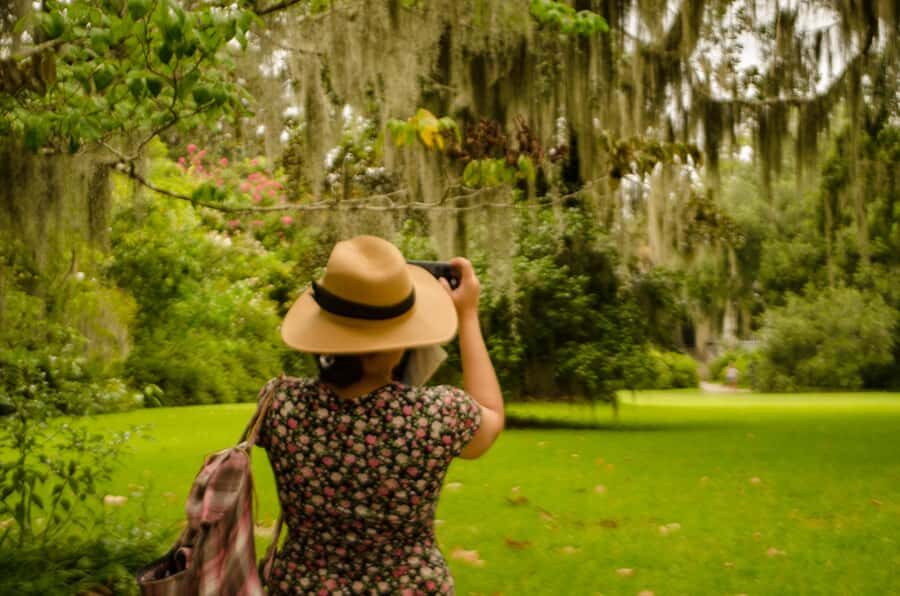
One of the smartest parts of this tour is the tram tour through the Audubon swamp gardens. You get access to the swamp environment without needing to cover every path on foot. That’s a big value if your legs are tired after other sightseeing, or if you’re trying to balance a full day schedule.
Wildlife sightings are the payoff. The tram and swamp areas are where the chance of seeing alligators, egrets, herons, and turtles is built into the experience. Even if you don’t spot every animal, you still learn how the swamp works and why that habitat is where it is.
This is also where a good guide earns their keep. Some guides are great at filling quiet moments with useful context—what you’re looking at, why it matters, and how to interpret the landscape. Names that have shown up in real days include Allan, who’s been praised for keeping the energy up, and Tyler, who’s been noted for speaking clearly and sharing solid history.
If you’re the type who likes explanations while you look, you’ll probably feel like the tram time is doing its job.
The 30-minute plantation house tour: fast context, real perspective

You’ll get a 30-minute tour of the plantation house. That time window is key: it’s long enough to give you a feel for the place, but short enough that you won’t feel stuck indoors while the best part of the day is outside.
One useful detail to know: the original house isn’t what you’ll see on this tour. It has been replaced by a smaller one. That doesn’t make the visit less interesting—it actually helps you understand what survives, what gets rebuilt, and how plantation life and preservation history overlap.
What I like about the time structure is that the house tour doesn’t compete with the gardens. It acts like a grounding stop. You go from landscape to story, which is a strong way to connect what you’re seeing with the larger picture of Charleston’s past.
Guided garden time (plus a free 45 minutes): learn, then wander

Your day includes multiple guided segments inside the Magnolia property, followed by a 45-minute free time stretch. The guided portions help you spot what matters—how the gardens are arranged, how the property is managed, and what to pay attention to while walking.
Then you’re given time to breathe and choose what to focus on. In practice, those 45 minutes are perfect for:
- re-walking a favorite section you already saw with a guide
- taking photos at your own pace
- slowing down to watch wildlife and water edges
- using the rest time to reset before the next guided block
This is also where you can be practical with your energy. Magnolia is not a “one look and done” property. Having that free window keeps you from feeling like you must see everything at once.
One more small but important note: photography is allowed, but you need to follow the no-touching plants rule. The gardens are living, and you’ll enjoy the experience more if you treat them like it.






Charleston highlights in 90 minutes: Citadel, Old City Market, the Battery, and more churches
After Magnolia, you’ll return to Charleston for a 90-minute city tour. This portion is about seeing the classic highlights in a single loop, with enough commentary to help you place what you’re seeing.
You’ll pass by or stop near landmarks including the Citadel, the Old City Market, and The Battery. Along the way, the tour also points out the historic district’s architecture and the city’s wrought iron artistry.
One detail I appreciate: the tour acknowledges the scale of Charleston’s religious landmarks—there are around 210 churches—so you’re prepared for how often you’ll notice church steeples as part of the streetscape.
And there’s a photo moment with Fort Sumter in the background. You don’t have to plan it. The tour route gives you that view opportunity while you’re already in the right part of town for it.
This is a good fit if you want a fast orientation to Charleston’s layout and major sights. It’s not meant to replace a longer, on-foot neighborhood exploration. Think of it as the “get your bearings fast” part, so later you can choose what you want to return to.
Powder Magazine: a short stop with colonial military context
The city tour includes admission to The Powder Magazine, described as South Carolina’s oldest public building. The exhibits focus on South Carolina’s colonial military history.
What makes this stop work is that it’s compact. You get a clear historical lens during the tour without turning the day into a museum marathon. If the Magnolia portion gives you plantation-era perspective through landscapes and gardens, Powder Magazine brings a different side of the region into focus—military and colonial-era logistics and conflict.
If you like history but don’t want to spend hours indoors, this is a strong pairing.
Price and value: why $109 can work for a full-day combo

At $109 per person for about 7 hours, the value depends on what you’d otherwise pay and how you prefer to travel. Here’s what’s covered:
- roundtrip transport in climate-controlled buses
- all gate fees at Magnolia
- tram tour through the Audubon swamp gardens
- 30-minute plantation house tour
- the 90-minute Charleston city tour
- admission to The Powder Magazine
If you tried to piece this together on your own, you’d likely pay for transport, separate admissions, and more time figuring out logistics. Here, you’re buying convenience plus guided context, with the schedule tightened into one day.
The main cost risk is your own preferences. If you’d rather linger longer at Magnolia, you may feel slightly time-crunched. If you want deep, on-your-own city wandering, the Charleston portion might feel brief. But if your goal is a high-value sampler—plantation gardens, swamp wildlife, key Charleston sights, and a compact history stop—this price-to-coverage ratio is pretty sensible.
What to pack (and what to plan for outdoors all day)

This is an outdoor-focused day, so pack like you’re going to spend real time outside. The essentials listed for the tour are exactly right:
- comfortable shoes
- a hat
- sunscreen
- camera
- sunscreen and comfortable clothes
- credit card
Also plan for weather swings. You’ll want a light jacket, because conditions can change even when the forecast looks stable. And hydrate. The tour advises bringing water, and that’s practical for walking through heat.
Quick rules to remember:
- no smoking and no vaping
- photography is allowed, but don’t touch plants
If you follow those basics, the day feels easier and more enjoyable—less fuss, fewer complaints, more time seeing.
Quick guidance on who this tour suits best
This combo tour suits you if:
- you want a guided Lowcountry day without driving and parking stress
- you like structured time: guided learning plus a real free-walk window
- you want both Magnolia and Charleston highlights in one visit
It’s less suitable if:
- you need wheelchair access or have significant mobility limits
- you prefer long unstructured hours in a single place
- you hate walking on uneven outdoor paths
Should you book the Magnolia Plantation with Transport and City Tour?
I’d book this if you’re aiming for maximum payoff in one day: wildlife-focused Magnolia grounds, a tram ride that makes the swamp part manageable, and a Charleston highlights loop that hits the Citadel, Old City Market, the Battery, and Powder Magazine.
Skip it if you already know you’ll want to spend most of your time in Charleston neighborhoods on foot, or if your mobility needs make outdoor walking a problem. In that case, a more tailored plan might serve you better.
If you’re flexible and want a guided day that covers the big priorities without you micromanaging logistics, this is a strong way to spend a limited vacation day.
FAQ
How long is the tour?
The total duration is 7 hours.
Where do I meet the tour?
Meet at the bus shed behind the Charleston Visitor Center building, and check in directly with the driver.
What happens at Magnolia Plantation during the guided portion?
You’ll enjoy guided time on the Magnolia Plantation and Gardens, including a tram tour through the Audubon swamp gardens and a guided tour of the plantation house.
How long is the plantation house tour?
The plantation house tour is 30 minutes.
How long is the Charleston city tour?
The Charleston city tour lasts 90 minutes.
Is Powder Magazine admission included?
Yes. Admission to The Powder Magazine is included.
Are meals and drinks included?
No. Meals and drinks are not included, so plan to eat before or after the tour.
Is this tour suitable for wheelchair users?
No. The tour is not suitable for wheelchair users or those with significant mobility issues.