REVIEW · CHARLESTON
Small Group Historic Charleston walking Tour
Book on Viator →Operated by Historic Charleston Tours · Bookable on Viator
Charleston’s past is walking-distance. This small-group tour threads together the city’s famous architecture and the stories that shaped it, from the first settlers to the Civil War era. You’ll see major landmarks like the Battery and Rainbow Row, but what makes it worth your time is how the guide ties the streets to real people and decisions.
I especially like two things. First, the tour is led with a local, longtime-resident perspective, so the history doesn’t feel like a script. Second, you get to admire standout stops like Rainbow Row and the historic homes on Meeting Street while the guide explains what you’re looking at and why it matters.
One thing to consider: it’s still a walking tour, and the pace can be tough in hot weather. If you’re sensitive to heat or need frequent breaks, plan accordingly (and tell the guide what you need right away).
In This Review
- Key highlights you’ll notice right away
- Starting At 1 1/2 Meeting Street: Easy Logistics For A Focused Walk
- White Point Garden And The Battery: Where Charleston’s Story Starts
- East Battery And The High Waterfront: Civil War Details You Can Point To
- Tradd Street’s Walled-City Feel: Charm With Important Context
- Meeting Street’s Historic Homes: Beauregard, Museums, And The Williams Mansion
- Customize Your Tour: Civil War Focus Vs. Slavery Focus
- Walking Smart: Why 90 Minutes Can Feel Like Two
- What This Tour Is Best At (And Who Should Skip It)
- Should You Book This Tour?
- FAQ
- How long is the Small Group Historic Charleston walking tour?
- Where does the tour start and end?
- How many people are in the group?
- What does it cost?
- Can I customize the tour for Civil War or slavery topics?
- Is the ticket mobile, and is the tour in English?
- Is there free cancellation?
Key highlights you’ll notice right away
- Small group (max 10): easier questions, less waiting, and a pace that adapts to your interests.
- Battery start with real origins: White Point Garden links the city’s beginning to later battles and home-front details.
- Rainbow Row plus close-in Civil War stories: you’re shown what’s visible and explained what happened around it.
- Tradd Street’s early city layout: the walled-city feel and window-box charm come with the context of pre-war Charleston.
- Meeting Street’s big names and big houses: Beauregard’s headquarters, museum homes, and the Williams Mansion connect politics and architecture.
- Customize the focus: you can steer toward Civil War history or slavery in Charleston during your walk.
Starting At 1 1/2 Meeting Street: Easy Logistics For A Focused Walk
You begin at 1 1/2 Meeting St, Charleston, SC 29401, and the tour ends back at the same meeting point. That simple loop matters because you spend your time walking through the historic district instead of figuring out transit or where to meet again.
The group stays small, capped at 10 travelers, which is one of the best value signals here. More room for questions. Less time listening to the guide repeat themselves. And if you want to adjust your focus, it’s easier to do it mid-walk when you’re not competing with a big crowd.
You’ll use a mobile ticket, and the tour runs in English. Service animals are allowed, and it’s near public transportation, so you’re not forced into a complicated plan just to get there.
Other walking tours we've reviewed in Charleston



White Point Garden And The Battery: Where Charleston’s Story Starts
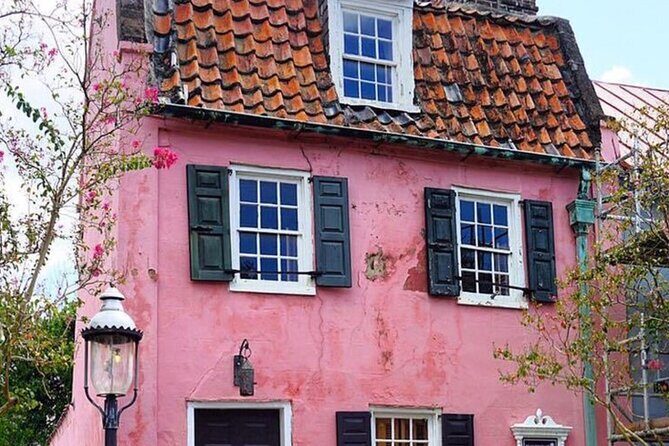
The tour begins at White Point Garden—and the guide uses that spot to kick the whole narrative off. You’ll hear about settlers who landed here in 1680, and you’ll get context for how Charleston formed and grew from those early days.
This stop also sets up the “why here?” feeling you’ll keep hearing throughout the tour. The area isn’t just scenic. It’s tied to power and planning. The garden is described as a gift to eight Lord Proprietors from King Charles II, which gives you a clear sense of how early authority shaped the settlement.
From there, you’ll look at major historic architecture, including the Stevens-Luther House. The detail that sticks is its size—about 17,000 sq. ft.—and the fact that it’s described as the second largest home in Charleston. The guide also connects the building to preservation, noting that in 1920 Charleston established the Society for the Preservation of Old Dwellings in the ballroom of this house—the first preservation society in the country.
What I like about starting here is that it prevents the tour from feeling like a set of random pretty stops. You’re learning how Charleston protected and reused its past—first with buildings, later with preservation.
East Battery And The High Waterfront: Civil War Details You Can Point To

After White Point Garden, you move along the East Battery, the high waterfront stretch where the guide connects multiple time periods. You’ll hear about the Revolutionary War and the Civil War, but the storytelling stays grounded in the buildings and landmarks you can actually see.
One of the most memorable parts is the way the guide ties cinematic history to the real locations. You’ll hear about the Battle of Battery Wagner, a topic associated with the movie Glory, and that connection helps you understand why Charleston became such a target.
Then comes the kind of fact you can’t unsee once you’ve been told it. The tour includes the Roper House, with the story of a 900-piece cannon landing on its roof in 1864—and that it’s still there today. Whether you’re a Civil War buff or not, that detail is a fast way to feel the era’s impact without needing extra interpretation afterward.
You’ll also pass by major landmarks linked to Charleston’s identity, including Rainbow Row and the Carolina Yacht Club area. The tour doesn’t treat these as postcard backdrops. It’s more like a guided explanation of how Charleston’s wealth, war, and architecture all share the same stage.
Tradd Street’s Walled-City Feel: Charm With Important Context

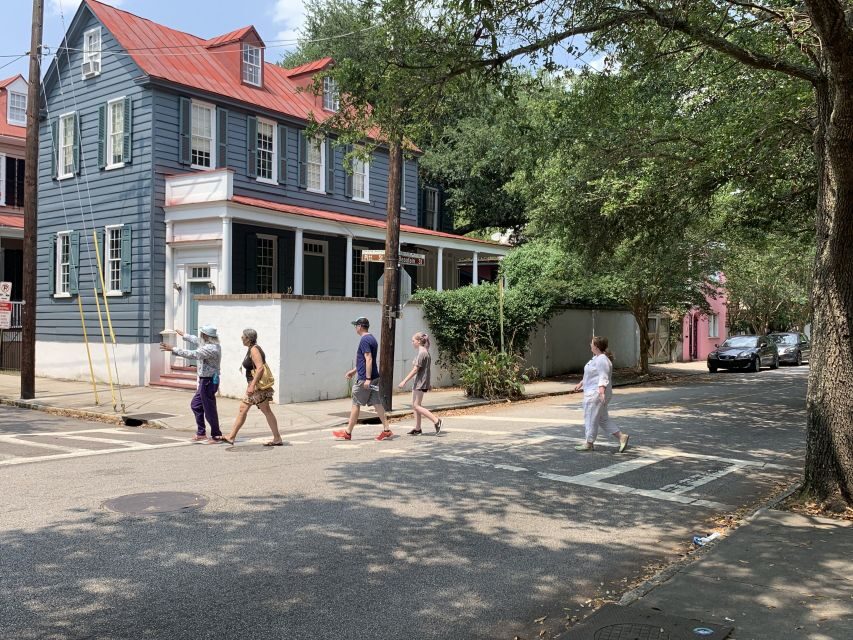
Next is Tradd Street, described as walking through what was once Charleston’s original walled city. That matters because Tradd Street isn’t just charming. It carries the geometry of an older city plan—tight streets, early houses, and a layout that shaped daily life.
Here you’ll see grand homes from the 1740s and 1750s, and you’ll learn why the street is often singled out for its window boxes and its classic Charleston look. The guide also connects the street to the broader image of Charleston by mentioning its frequent features, including in publications like Southern Living.
Tradd Street also leads you toward Catfish Row, specifically the area between Church Street and Broad Street. This is described as a black neighborhood in Charleston before the Civil War, and it’s connected to Porgy and Bess. Even if you know the cultural reference, the tour’s value is in grounding it in place—so you understand what the neighborhood represented and what it endured.
One practical note: this stop is where you might want to ask for clarification if you’re choosing between Civil War focus and slavery focus. The tour can be customized, but you’ll get better results if you speak up early while everyone’s still together and the guide’s planning the narrative arc.
Meeting Street’s Historic Homes: Beauregard, Museums, And The Williams Mansion
Then you head to Meeting Street, where the feel shifts from street-charm to power-and-prestige homes. The guide points out pre-Revolutionary War homes and then layers in Civil War context with specific names.
A key stop here is the James Simmons House, described as General Beauregard’s headquarters during the Civil War. This is the kind of detail that changes how you read a neighborhood. Instead of seeing an old house, you start picturing strategy rooms, orders, and movement.
You’ll also see the Nathaniel Russell House, described as one of Charleston’s finest museum homes. Even if you don’t go inside, the guide’s narration helps you connect what you see on the street to the way historic Charleston institutions preserve and present these properties.
Another highlight is learning about the Charleston Single House design as part of what you’ll encounter along Meeting Street. The tour uses this style as an easy visual marker: you’re not just admiring architecture; you’re learning a local design logic.
Finally, the tour reaches the big one: the Williams Mansion. The tour data describes it as the largest home in Charleston, at about 24,000 sq. ft., built in the Italianate style after the Civil War. You’ll hear about George Williams, including that he was a blockade runner during the Civil War. The guide also shares a literary connection: Margaret Mitchell visited the home when she was 13, and the tour suggests that visit may have helped spark her later writing.
This stop works well for two different kinds of visitors. If you love architecture, it’s a clear “big house, clear style, clear size” moment. If you love history, it shows how wealth and war-connected networks shaped what got built after the fighting.
Other historical tours in Charleston





Customize Your Tour: Civil War Focus Vs. Slavery Focus
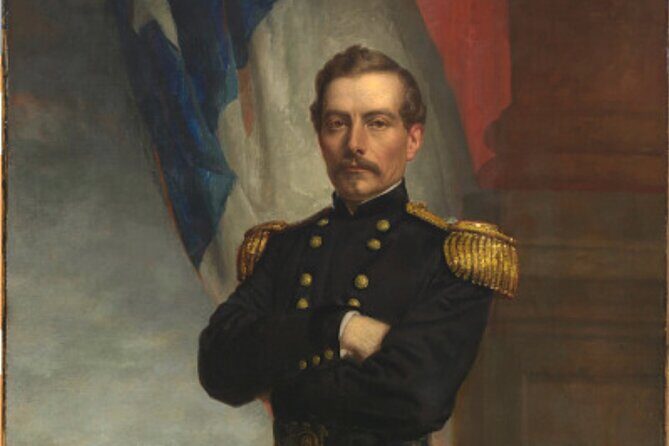
One of the tour’s strongest selling points is the ability to customize the theme. You can steer toward the Civil War or toward slavery in Charleston, depending on what you most want to understand.
That flexibility matters because Charleston history can feel overwhelming. Different travelers come with different priorities. A Civil War focus gives you battles, headquarters, and military movement. A slavery focus centers the people, labor systems, and the human cost that powered the city’s wealth.
The best way to get what you want is simple: decide early, then say it at the start (or as soon as you meet your guide). If you want slavery-focused context, ask directly for that emphasis so the guide can frame the buildings and street stories with that lens. If you’re choosing between the two themes, you’ll enjoy the tour more when you’re not half-hearing the story you actually came for.
Walking Smart: Why 90 Minutes Can Feel Like Two
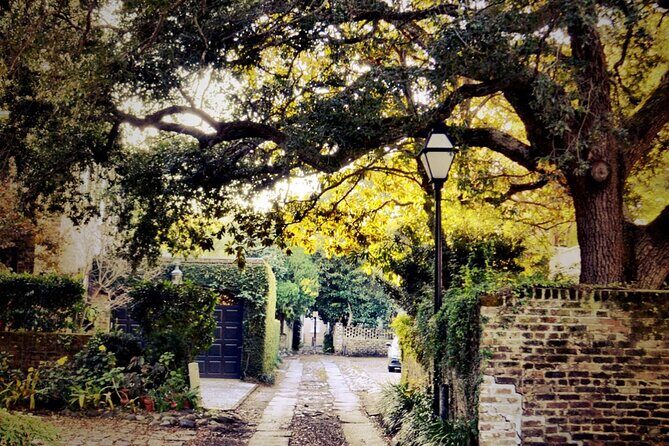
The tour is listed at about 1.5 hours, and the individual segments are paced at short stops. In real life, though, a walking tour gets longer when you’re curious and you ask questions—and this one invites that.
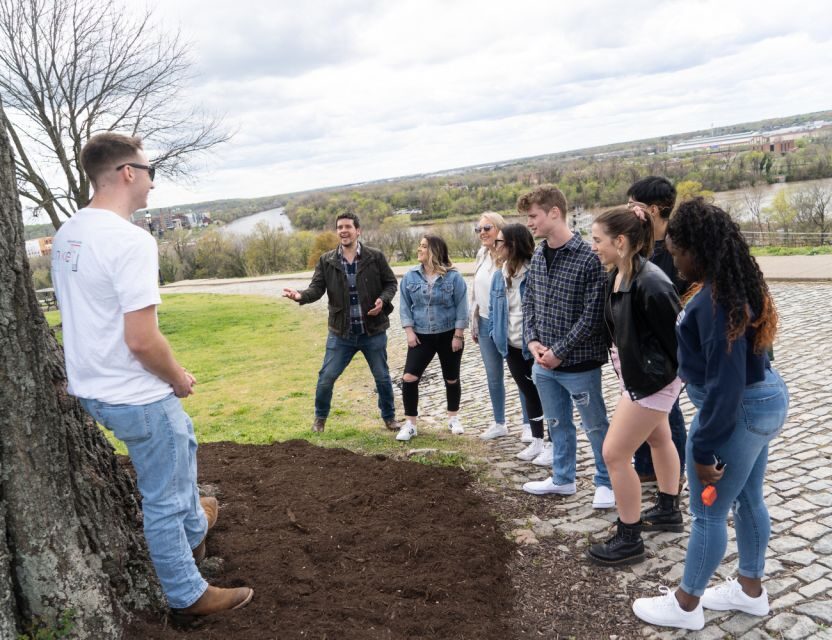
I’d plan around closer to two hours if you like to stop and ask follow-ups. The small group size makes it easier for the guide to slow down, explain, and tailor. That’s also why the tour can feel relaxing rather than rushed: there’s time for context, not just bullet points.
Comfort matters too. You’re in the historic district and moving between a few key streets. Wear shoes you trust, and if you’re visiting during a hot stretch, take the heat seriously. One of the main drawbacks people flag is that the walk can be difficult in hot weather, so bring water and plan for breaks if you need them.
What This Tour Is Best At (And Who Should Skip It)

This tour is a strong choice if you want:
- A local voice that ties buildings to real events and decisions
- Clear, street-level storytelling across the Battery to Meeting Street corridor
- A way to customize your attention toward Civil War or slavery
It’s especially good for couples and groups who have limited time in Charleston and want a focused historic overview without jumping between far-flung attractions.
Families can work here too. People have mentioned bringing kids and keeping them engaged with the guide’s pacing and the way stories connect to visible landmarks. Still, if your group includes very small children or anyone with mobility limits, check in with your guide about break needs and comfortable pacing once you start.
If what you want is strictly museum-style depth—like lots of indoor time or a very specific educational format—this walking tour may not feel like the right tool. Its strength is the street view and the guided narration around it.
Should You Book This Tour?
Yes, if you want a compact way to understand Charleston’s big themes through real places. The price—$47 per person—is reasonable for a guided walk that covers multiple iconic areas like the Battery, Rainbow Row, Tradd Street, and Meeting Street, especially since key stops are listed as admission ticket free and you’re paying mainly for time with the guide and the context.
I’d book it quickly if:
- You’re visiting soon and want a time slot in advance
- You like small groups and dialogue
- You want to connect architecture to major events like the Civil War
- You’re open to steering the narrative toward slavery history if that’s your priority
Skip it or choose a different format if:
- You can’t handle warm-weather walking and don’t want to plan for breaks
- You need a very specific slavery-focused program with guaranteed sustained emphasis, not a customizable narrative
If you book, do one thing that pays off: tell your guide what you most want to learn at the start. This tour works best when you treat it like a conversation, not a lecture.
FAQ
How long is the Small Group Historic Charleston walking tour?
It’s listed at about 1 hour 30 minutes, though the pace may stretch a bit depending on questions and group energy.
Where does the tour start and end?
The meeting point is 1 1/2 Meeting St, Charleston, SC 29401, and the activity ends back at the same meeting point.
How many people are in the group?
The tour has a maximum of 10 travelers, keeping it a small-group experience.
What does it cost?
The price is $47.00 per person.
Can I customize the tour for Civil War or slavery topics?
Yes. The tour can be customized to focus on the Civil War or on slavery in Charleston.
Is the ticket mobile, and is the tour in English?
Yes. It’s a mobile ticket, and the tour is offered in English.
Is there free cancellation?
Yes. You can cancel for a full refund up to 24 hours before the experience starts.